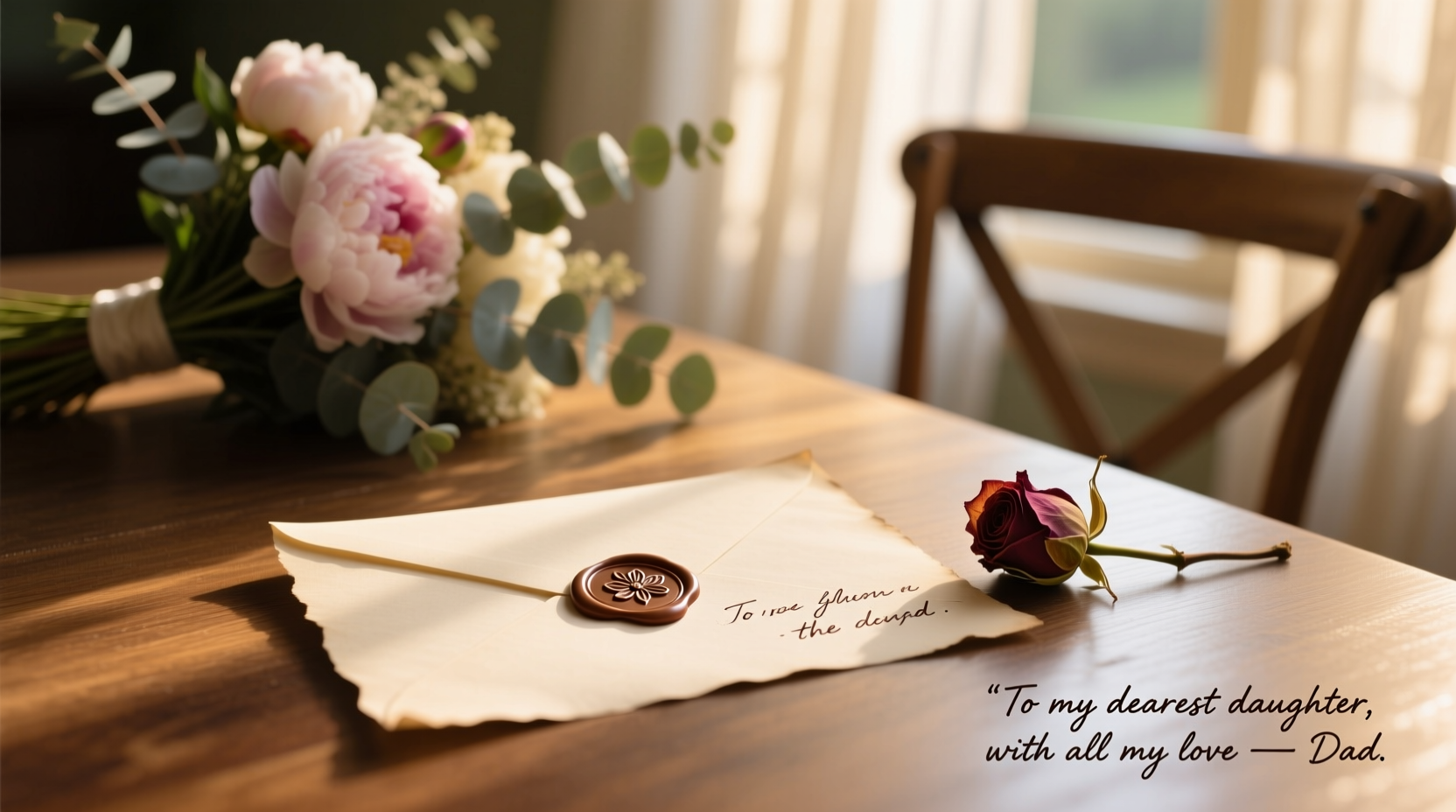
Wedding Letter to Daughter: A Mother’s Heartfelt Note
If you're wondering what to include in a letter to my daughter on her wedding day, start with love, pride, and personal reflections that capture your journey as a parent. This heartfelt message should express your joy, offer gentle wisdom for married life, and affirm your unwavering support. A well-written letter becomes a cherished keepsake—one she can reread throughout her marriage. Whether you’re searching for inspiration on how to write a wedding card, craft a speech, or simply convey emotions too deep for casual conversation, this guide will walk you through every step of creating a sincere, memorable letter filled with warmth, authenticity, and enduring parental love.
Why a Letter to Your Daughter Matters on Her Wedding Day
A wedding is more than a celebration of two people in love—it’s a milestone that marks transitions for the entire family. For mothers and fathers, watching a daughter step into marriage often brings a mix of joy, nostalgia, and bittersweet emotion. Writing a letter allows you to pause, reflect, and communicate feelings that might be difficult to express aloud during the whirlwind of the big day.
This letter isn’t just another part of the wedding wear or ceremony logistics; it’s an heirloom. Future generations may one day read it. It preserves your voice, values, and hopes at a pivotal moment. Unlike fleeting moments or posed photos, a handwritten note offers lasting intimacy. Many daughters treasure these letters more than gifts—because they carry emotional weight and unconditional love.
When and How to Present the Letter
The timing and delivery of your letter can enhance its impact. Consider these thoughtful options:
- Before the Ceremony: Give it to her during the 'getting ready' phase. Many brides appreciate quiet, reflective moments before walking down the aisle. This allows her to read it privately, gather her emotions, and carry your words with her throughout the day.
- As Part of the First Look or Private Moment: If you have a scheduled first look or quiet time together, hand her the letter then. Pair it with a small gift like a locket or family heirloom for added sentiment.
- During the Reception Speech: Read select excerpts aloud in your toast. Then, present the full letter in a sealed envelope afterward so she can enjoy the complete message later.
- As a Surprise Inside Her Dress or Bouquet: Tuck a short version into her gown lining or bouquet wrap. This ensures she discovers it organically during the day—a sweet surprise amid the festivities.
Avoid giving it during high-stress times (like right before vows) when she may not have space to process emotions. Choose a moment that feels natural and intimate.
Key Elements to Include in Your Letter
To create a balanced, meaningful message, structure your letter around several core components:
1. Express Pride and Love
Begin by affirming your unconditional love. Mention specific qualities you admire in her—her kindness, strength, sense of humor, or resilience. Use phrases like:
'Watching you grow into the woman you are today has been my greatest honor.'
Personalize it. Instead of generic praise, recall a defining moment—teaching her to ride a bike, helping her through heartbreak, celebrating her graduation—that shaped your bond.
2. Share Memories from Her Childhood
Nostalgic stories ground your letter in authenticity. Did she host tea parties with stuffed animals? Dream of being a ballerina? Stand up for a friend in school? These anecdotes remind her of who she’s always been—and who she’ll always be to you.
Example: 'I still remember tucking you in at night, listening to your dreams about finding true love. I hoped one day you’d meet someone who sees you the way I do—with awe and endless affection.'
3. Acknowledge the Groom (or Partner)
Welcome your new son- or daughter-in-law with grace. Speak to their character, how they treat your daughter, and the comfort you feel knowing they’re together. Avoid comparisons ('You’re just like me at that age') or backhanded compliments ('I never thought you’d find someone').
Instead, say: 'Seeing the way [Partner's Name] looks at you reminds me of the kind of love I’ve always wanted for you. Thank you for making our family stronger.'
4. Offer Wisdom About Marriage
Share lessons learned—not rules. Focus on principles like communication, forgiveness, teamwork, and maintaining individuality within partnership. Keep advice gentle and encouraging, not prescriptive.
Examples:
- 'Marriage isn’t about perfection—it’s about choosing each other, again and again.'
- 'Never go to bed angry, but also don’t rush resolution. Sometimes space helps clarity.'
- 'Keep dating each other. Laugh over coffee. Plan adventures. Let romance evolve, not fade.'
5. Reaffirm Your Support
Remind her that while her life is changing, your role as a parent remains constant. Say: 'No matter where life takes you, my arms, heart, and home are always open.'
6. Close with Blessings and Well-Wishes
End warmly. Use poetic or spiritual language if it fits your voice. Example: 'May your days be filled with laughter, your challenges met with courage, and your love deepen with every passing year.'
What to Avoid in Your Letter
Even with good intentions, certain missteps can diminish the letter’s impact:
- Don’t dwell on the past negatively: Avoid references to ex-partners, regrets, or 'I told you so' moments.
- Don’t make it about you: While sharing your feelings is appropriate, don’t turn it into a lament about empty nesting or lost time.
- Avoid public embarrassment: Skip inside jokes or stories that could make her blush in front of guests unless you’re certain of the context.
- Don’t give ultimatums or unsolicited advice: Phrases like 'Don’t let him walk all over you' or 'Make sure you keep your job' can sound distrustful.
- Steer clear of religious or political opinions unless you know they align with hers and the couple’s shared values.
Handwritten vs. Typed: Which Is Better?
A handwritten letter carries unmatched emotional resonance. The imperfections—the smudges, slants, and crossings-out—make it feel human and real. However, if your handwriting is difficult to read or you struggle with penmanship, typing is perfectly acceptable.
Tips for presentation:
- Use high-quality stationery or a decorative card.
- Print on cream or ivory paper for elegance.
- Seal the envelope with wax or a sticker for a ceremonial touch.
- Consider framing a copy later as a joint gift.
Cultural and Religious Considerations
Depending on your background, certain traditions may influence tone or content. In some cultures, parents bless the union formally; in others, emotional expression is more reserved.
For example:
- In Jewish weddings, parents may recite traditional blessings (like the Priestly Blessing) alongside personal messages.
- In Indian ceremonies, mothers often sing lullabies or apply sindoor, pairing actions with verbal wishes.
- In Christian contexts, quoting scripture (e.g., 1 Corinthians 13) adds spiritual depth.
Respect both your heritage and your daughter’s choices. If she’s having a secular wedding, avoid imposing religious language unless invited.
Sample Structure of a Letter to My Daughter on Her Wedding Day
Use this outline to organize your thoughts:
| Section | Suggested Content |
|---|---|
| Greeting | 'My dearest [Daughter’s Name],' |
| Opening Sentiment | Express love and pride on her wedding day. |
| Childhood Memory | Share a brief, touching story from her youth. |
| Reflection on Her Growth | Highlight her strengths and the person she’s become. |
| Welcome to the Partner | Warm words about the spouse and their relationship. |
| Marriage Advice | 2–3 gentle, positive insights from your experience. |
| Parental Promise | Reaffirm ongoing love and support. |
| Closing Blessing | Wishes for happiness, health, and enduring love. |
| Sign-off | 'With all my love, Mom/Dad' |
How Long Should the Letter Be?
Ideally, keep it between one and two pages (300–600 words). Enough to be substantial, but concise enough to hold attention. Brides are often overwhelmed on their wedding day—shorter letters are more likely to be fully read and absorbed.
If writing digitally, use readable fonts (like Georgia or Arial) at 11–12 pt size. Leave margins for notes or underlining.
Can Others Write Similar Letters?
Absolutely. Encourage siblings, grandparents, or close family friends to write their own. These can be compiled into a memory book presented to the couple. Each perspective adds richness—from a sister’s playful teasing to a grandmother’s generational wisdom.
However, ensure your letter remains uniquely yours. Don’t coordinate content; authenticity thrives in individuality.
Frequently Asked Questions
- What if I’m not good at expressing emotions?
- Start simple. Say, 'I’m so proud of you.' Write as if speaking to her quietly. Edit later for clarity, but let raw honesty lead.
- Should I mention her mother/father if we’re divorced?
- Yes, if appropriate. Acknowledge co-parenting respectfully: 'We may have taken different paths, but we both adore you.' Avoid blame or drama.
- Can I include a poem or quote?
- Yes, especially if it resonates personally. But place it within your own words—don’t let it replace your voice.
- Is it okay to cry while writing or reading it?
- Completely. Tears show depth of feeling. If delivering it live, keep tissues handy—but don’t suppress emotion.
- What if my daughter elopes or has a small ceremony?
- Send the letter anyway. It’s even more meaningful when formal rituals are minimal. Mail it on the morning of the wedding or include it in a care package.
Writing a letter to my daughter on her wedding day is one of the most profound acts of love a parent can offer. It transcends trends in wedding fashion, venue choices, or floral arrangements. It speaks directly to the heart—to the bond that began at her first breath and continues into this new chapter. Take your time. Speak truthfully. Let your love shine through every word. Years from now, when she needs comfort, encouragement, or simply a reminder of where she came from, your letter will be there—waiting, loving, and alive.
More Articles
 7 Wedding Messages That Will Make the Couple Cry Happy Tears
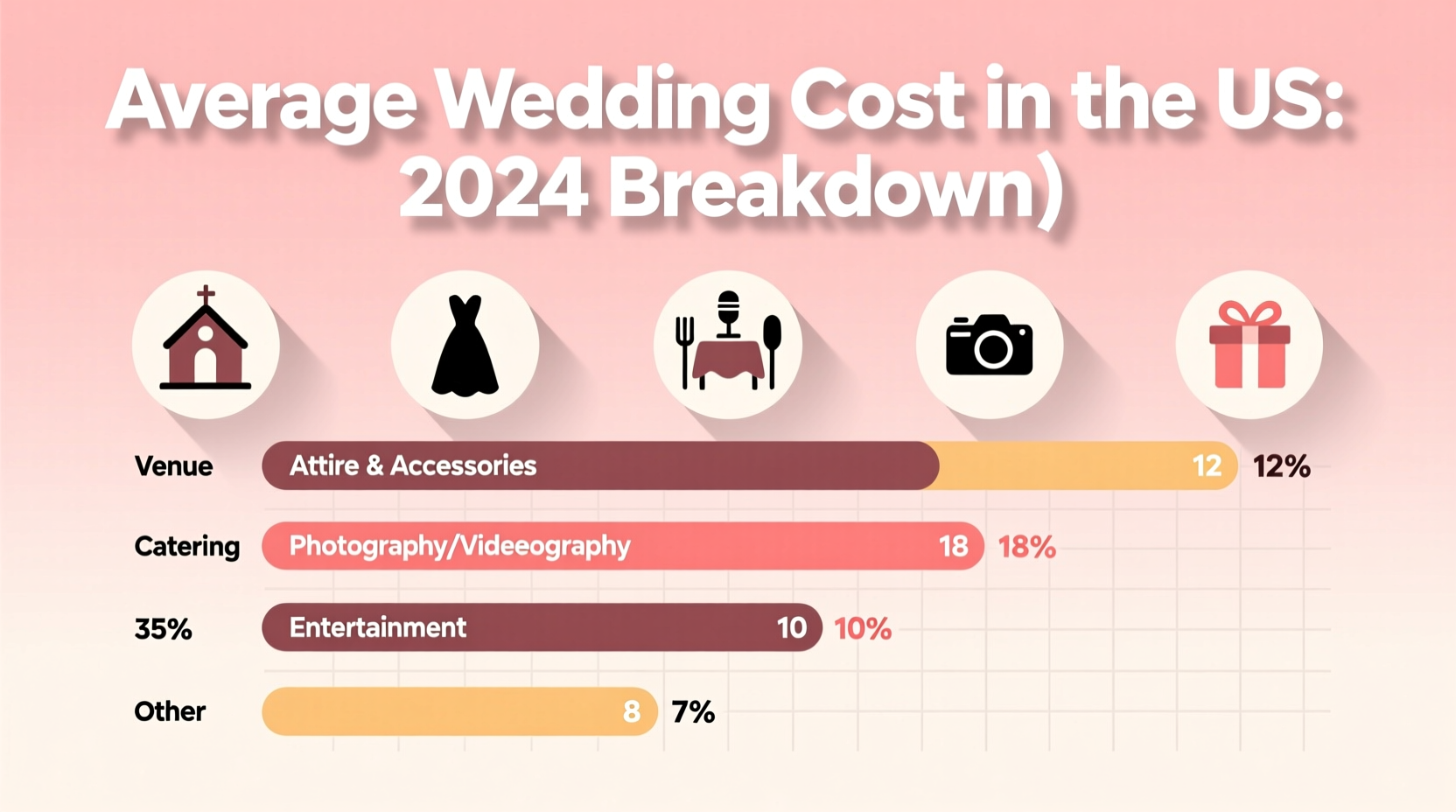 Average U.S. Wedding Cost in 2026: Real Numbers
 Engagement vs Wedding Ring: The Truth (2026)
 Wedding Rehearsal Dress Code: What to Wear (2026)
 How to Draw a Wedding Ring Easy (2026)
 J.Lo’s Age in The Wedding Planner: Fact-Checked (2026)
 Bezos Wedding Cost: $1.2M–$3.5M Estimates (2026)
 Who Buys Wedding Rings in 2026? Data & Trends
 When Is the Right Time to Have Your Engagement Party
 Royal Wedding Rings: Queen Elizabeth to Kate Middleton