Airbnb weddings: gorgeous photos versus noise complaints, parking nightmares, and host panic
Yes, you can have a wedding at an Airbnb, but whether you should depends on several important factors. Hosting your wedding at an Airbnb rental is becoming increasingly popular among couples seeking intimate, scenic, or budget-friendly venuesâespecially for micro-weddings, elopements, or destination celebrations. However, not all Airbnb properties are legally or logistically equipped to host weddings. Before booking that dreamy mountain cabin or seaside villa, itâs essential to understand the platformâs policies, local laws, host restrictions, and logistical considerations when planning a wedding at an Airbnb rental.
Understanding Airbnbâs Event Policy for Weddings
Airbnb has clear guidelines about events and gatherings in its Guest and Host Terms of Service. As of the latest update, Airbnb prohibits parties and large events at most listings. Specifically, guests are not allowed to host events with more than 16 people unless explicitly permitted by the host. This rule directly impacts couples considering a wedding celebration at an Airbnb.
While a small elopement with just the couple and an officiant may fall within acceptable limits, larger ceremonies or receptions typically exceed this threshold. Violating Airbnbâs event policy can result in immediate termination of the reservation, fines (up to $1,000), and even removal from the platform.
That said, some hosts do allow weddingsâespecially if they market their property as âwedding-friendlyâ or âevent-ready.â These hosts often charge higher fees, require special permits, or mandate that only approved vendors be used. Always look for explicit permission in the listing description or contact the host directly to confirm if a wedding is allowed.
How to Find an Airbnb That Allows Weddings
If youâre determined to plan a wedding at an Airbnb, follow these steps to find a suitable property:
- Use Advanced Search Filters: On Airbnbâs website, use the âMore filtersâ option and check âEvents allowedâ under the House Rules section. This will show only listings where the host has explicitly permitted events.
- Read the Listing Description Carefully: Look for keywords like âperfect for weddings,â âceremony space available,â âreception area,â or âideal for elopements.â Hosts who welcome weddings often highlight this feature. \li>Contact the Host Directly: Even if a listing says events are allowed, clarify the details. Ask: How many guests am I allowed? Are there noise restrictions? Is there an additional fee for hosting a wedding?
- Review Guest Reviews: Search past reviews for mentions of weddings, photos of ceremonies, or comments about outdoor space suitability.
- Check for Professional Photography Policies: Some hosts restrict professional photography, which could impact your wedding videographer or photographer.
Keep in mind that even if a host allows weddings, local zoning laws or homeownersâ association (HOA) rules might prohibit them. Always verify compliance beyond the Airbnb listing itself.
Legal and Permit Requirements for Wedding Rentals
Just because a host says yes doesnât mean youâre legally cleared to hold a wedding. Many cities and counties require special event permits for gatherings involving alcohol, amplified music, or commercial activity (like hiring vendors). Hereâs what to consider:
- Venue Permits: Some municipalities require a special event permit for any public or semi-public gathering, regardless of location. These may involve fees, insurance, and advance notice (sometimes 30â90 days).
- Alcohol Licensing: Serving alcohol without a licenseâeven at a private homeâcan violate local laws. If you plan a cocktail hour or open bar, check whether you need a temporary liquor license.
- Noise Ordinances: Residential areas often have strict noise curfews (e.g., no loud music after 10 PM). Exceeding these limits could lead to complaints or fines.
- Parking and Traffic: Large groups arriving at a quiet neighborhood can cause congestion. Confirm how many vehicles can park onsite and whether street parking is available.
- Fire and Safety Codes: Depending on guest count, you may need fire exits, portable restrooms, or emergency access routesârequirements that most homes arenât designed for.
To avoid legal issues, contact your city or county clerkâs office to ask about event regulations in the area where the Airbnb is located. Some couples hire a wedding planner familiar with local ordinances to ensure full compliance.
Logistical Challenges of Hosting a Wedding at an Airbnb
Beyond legality, practical logistics play a major role in determining whether an Airbnb is viable for your wedding. Consider the following challenges:
| Logistical Factor | Potential Issue | Solution |
|---|---|---|
| Guest Capacity | Most homes sleep 4â10 people; weddings often require lodging for more. | Rent multiple nearby Airbnbs or arrange hotel blocks. |
| Restroom Access | Limited bathrooms for 20+ guests during ceremony/reception. | Rent portable restrooms. |
| Kitchen & Catering | Home kitchens arenât built for catering large meals. | Hire off-site catering or food trucks. |
| Outdoor Space | Small patios or yards may not accommodate seating. | Rent tents, chairs, and tables. |
| Power & Utilities | Running heaters, lights, sound systems may overload circuits. | Use generators or limit electrical load. |
Additionally, think about setup and cleanup. Will you have time to decorate the night before? Who will handle trash removal afterward? Many Airbnb hosts charge high cleaning fees or damage deposits, especially for events. Be transparent about your plans to avoid disputes.
Cost Comparison: Airbnb vs. Traditional Wedding Venues
One of the main reasons couples consider an Airbnb wedding is cost savings. However, hidden expenses can add up quickly. Below is a comparison of typical costs:
| Expense | Airbnb Wedding (Estimated) | Traditional Venue (Estimated) |
|---|---|---|
| Rental Fee | $300â$800 per night | $2,000â$10,000+ |
| Event Permit | $50â$500 | Included or waived |
| Catering Setup | $500â$2,000 (tents, rentals) | Included or discounted |
| Portable Restrooms | $300â$800 | Not needed |
| Security/Noise Bond | $200â$1,000 | Handled by venue |
| Damage Deposit | $500â$2,000 | $500â$1,500 |
While the base rental price of an Airbnb is significantly lower, additional vendor rentals and compliance costs can narrow the gap. For very small weddings (under 20 guests), an Airbnb may still be more affordable. For larger events, traditional venues often provide better value due to inclusive services and infrastructure.
Best Practices for Planning a Successful Airbnb Wedding
If you decide to move forward with an Airbnb wedding, follow these best practices to ensure a smooth experience:
- Book Early: Popular wedding-friendly Airbnbs get reserved months in advance, especially in scenic locations.
- Communicate Clearly with the Host: Get written confirmation that weddings are allowed and understand all rules and expectations.
- Hire a Day-of Coordinator: A professional can manage vendor arrivals, timeline adherence, and unexpected issues.
- Respect the Neighborhood: Inform neighbors if possible, limit noise, and designate parking areas to avoid complaints.
- Have a Backup Plan: Outdoor ceremonies are vulnerable to weather. Rent a tent or identify an indoor alternative.
- Insurance Matters: Consider purchasing wedding liability insurance, which can cover accidents, property damage, or cancellation.
Also, remember that Airbnb does not offer event planning support. Unlike dedicated venues, thereâs no on-site staff, security, or technical equipment. Youâll need to bring everythingâfrom chairs to microphones.
Alternatives to Having a Wedding at an Airbnb
If your ideal Airbnb doesnât allow weddings or the logistics seem overwhelming, consider these alternatives:
- Private Estate Rentals via Specialty Platforms: Websites like Peerspace, Gather, or Onefinestay specialize in event-ready homes with clearer permitting and support.
- National or State Parks: Many parks allow weddings with a permit and offer stunning natural backdrops.
- Private Farms or Vineyards: Often more flexible than urban homes and already set up for events.
- Backyard Weddings: Use a family memberâs home, which may offer more flexibility and lower costs.
These options often come with fewer restrictions and better infrastructure while still offering the personalized, non-traditional feel many couples seek.
Frequently Asked Questions About Having a Wedding at an Airbnb
Can I legally get married inside an Airbnb rental?
Yes, you can legally marry inside an Airbnb if your marriage license is valid and the ceremony is performed by an authorized officiant. The legality of the marriage itself does not depend on the location, but local laws may regulate gatherings.
Do I need insurance to host a wedding at an Airbnb?
While not required by Airbnb, wedding liability insurance is highly recommended. It protects against accidents, property damage, and third-party injuries, which standard travel insurance may not cover.
Will Airbnb refund me if my wedding is canceled?
Refunds depend on the hostâs cancellation policy. Most long-term or event bookings are non-refundable. Airbnbâs extenupe policy applies only to extreme circumstances like natural disasters or government orders.
Can I hire vendors like caterers or photographers at an Airbnb?
Yes, but only if the host allows professional filming and outside vendors. Always confirm this in advance, as some hosts restrict commercial activity on their property.
Whatâs the maximum number of guests allowed at an Airbnb wedding?
Airbnbâs default policy limits events to 16 people unless the host specifies otherwise. Even if the host allows more, local ordinances may impose stricter limits based on zoning or safety codes.
More Articles
 Tres leches cake, machete-cut pineapple, and the 3 p.m. siesta rule—what a Costa Rican wedding really feels like
 Lace collars, knee-length skirts, and hushed tones—church wedding guest style decoded
 Three jars, two thrifted vases, and your grandma’s lace—centerpieces that cost less than your coffee habit
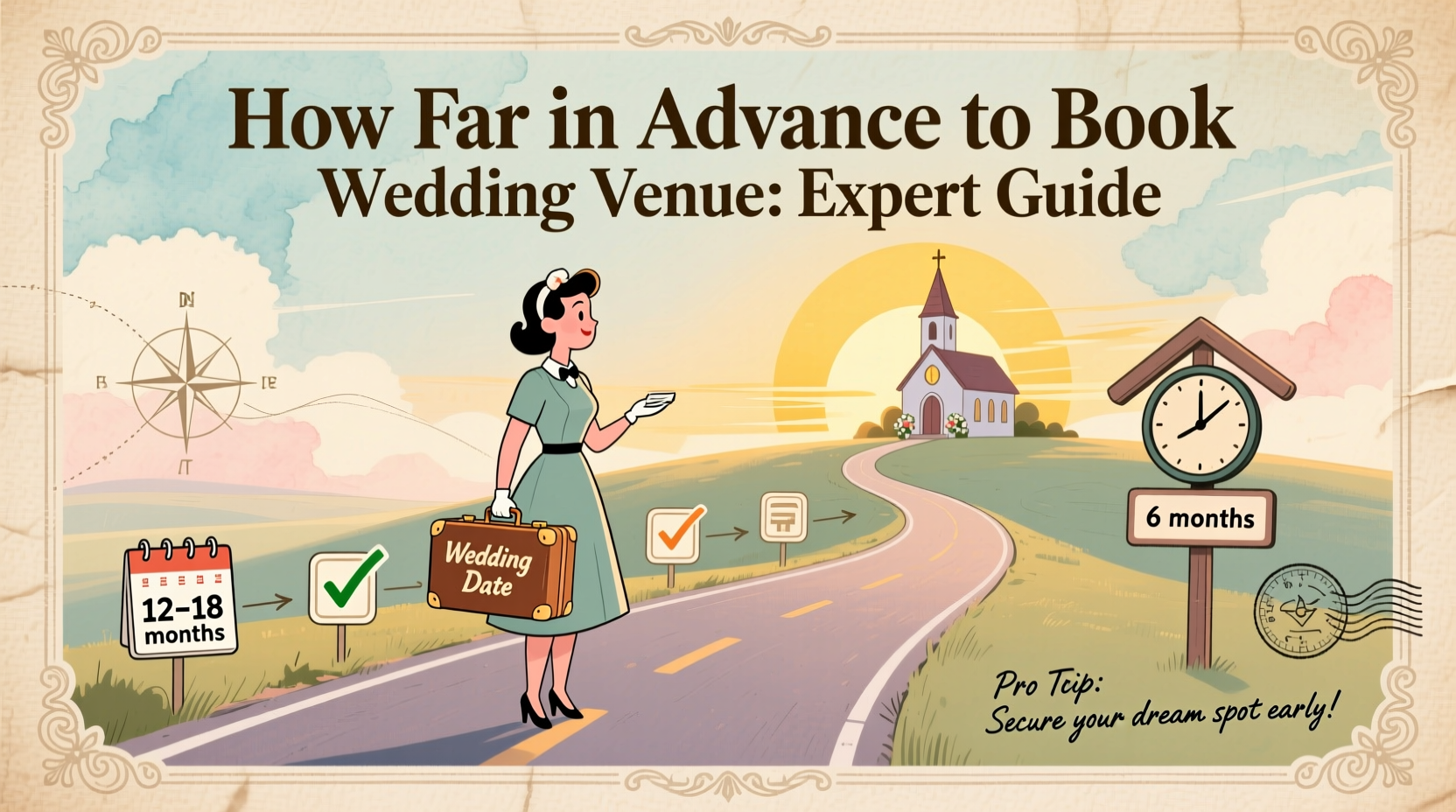 Book your venue before you pick your florist—or risk scrambling for a Saturday in peak season
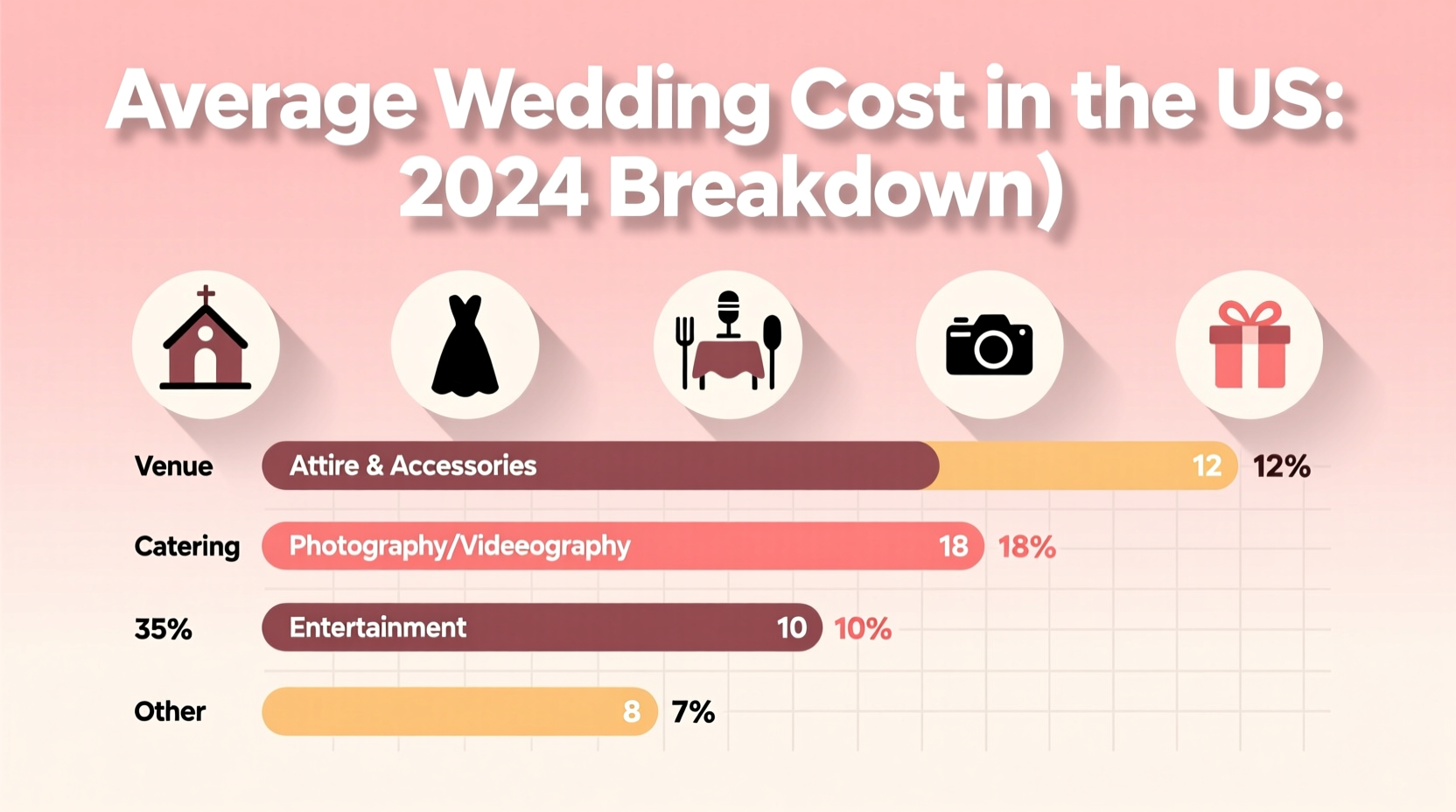 The real U.S. wedding cost—minus the headlines, plus the actual numbers
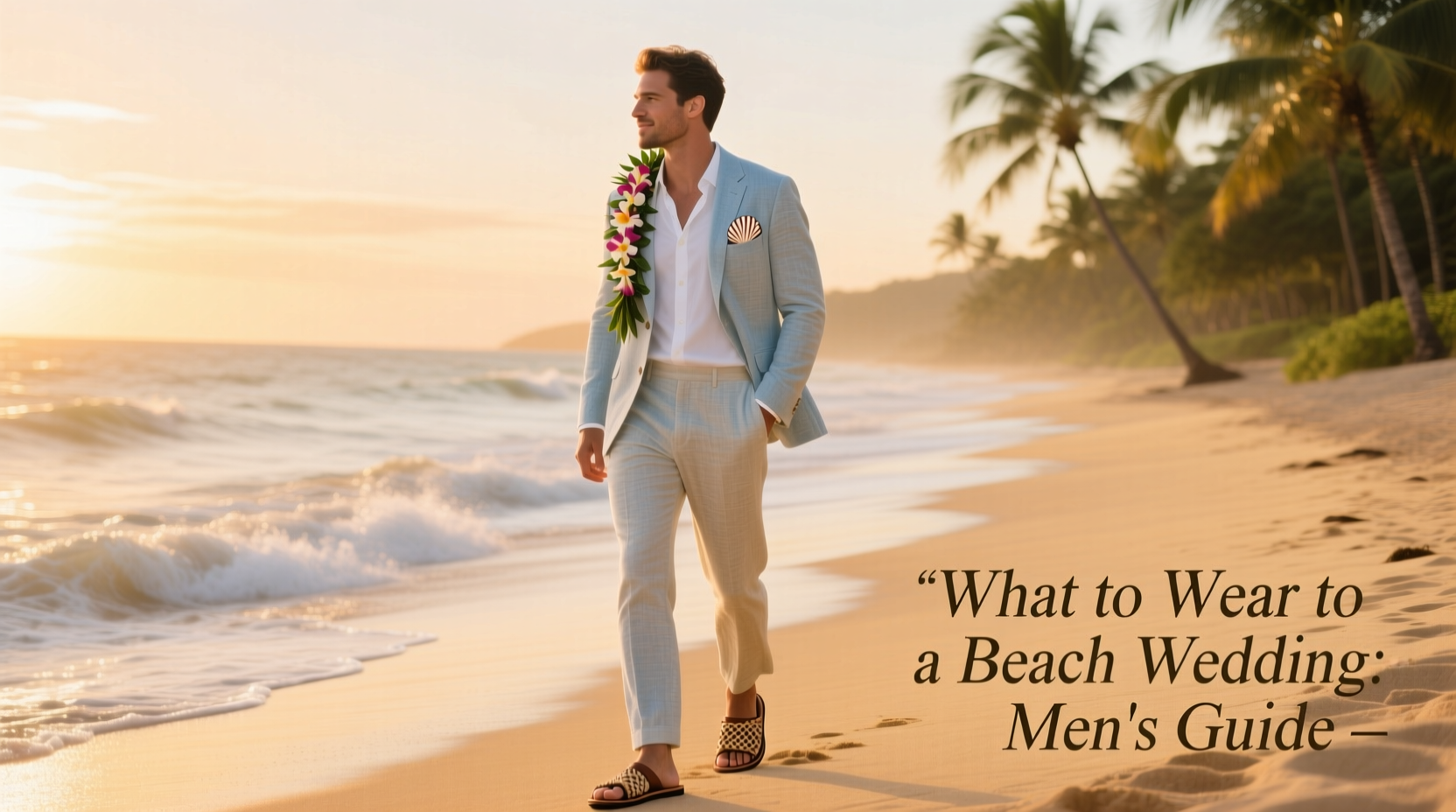 Linens, loafers, and no socks: how men dress smartly—and comfortably—for sand-between-the-toes weddings
 ‘I packed your first pair of heels—and now I’m folding your veil’—a mother’s note, unedited
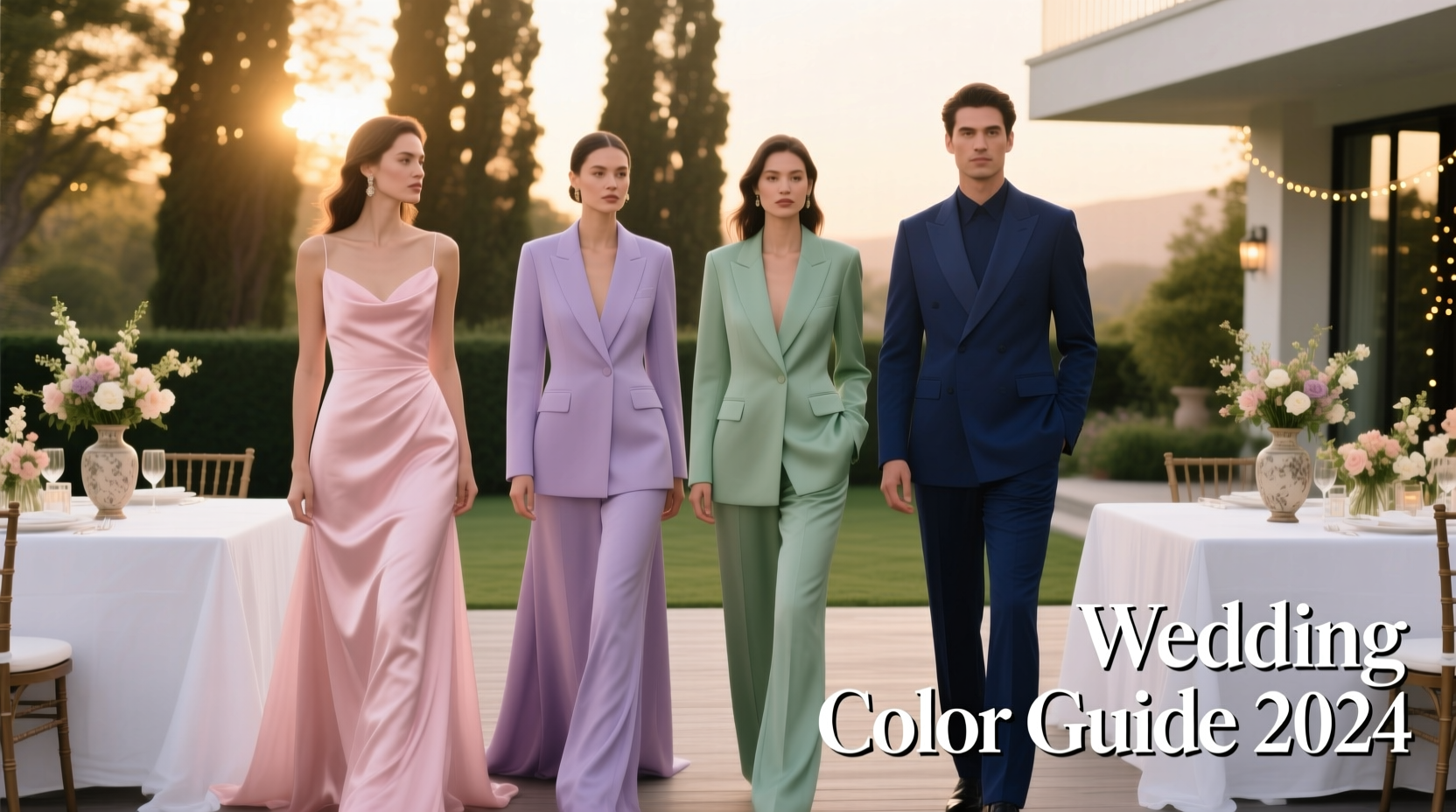 That dusty rose you love? Probably fine. That all-black ensemble? Surprisingly welcome—let’s talk color norms without the guilt
 Robert Louis Stevenson’s wedding prayer—why this century-old verse still brings tears to our eyes
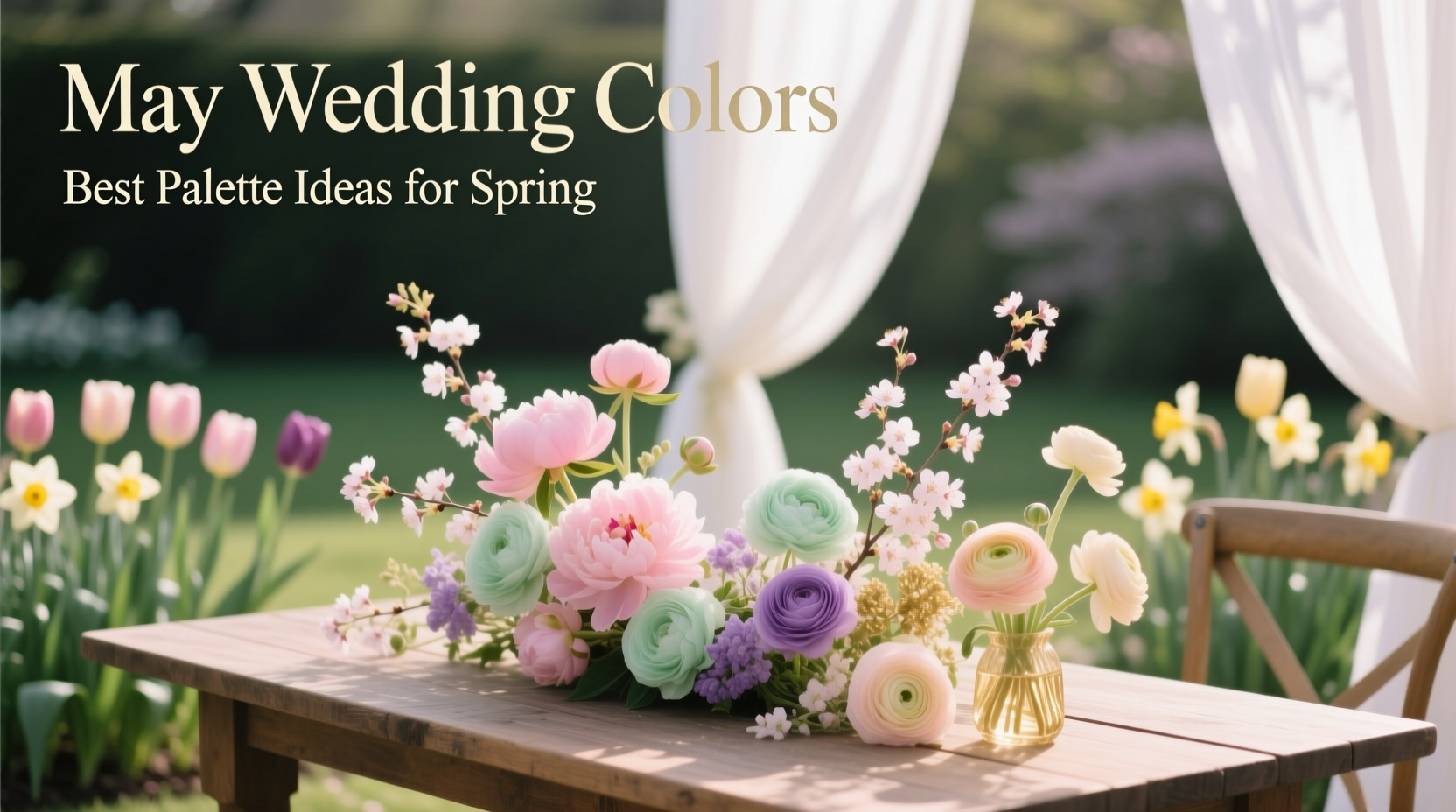 Peony-pink, seafoam, and burnt sienna: May wedding palettes that feel fresh—not fussy