Book Wedding Venue 12–18 Months Ahead (2026)
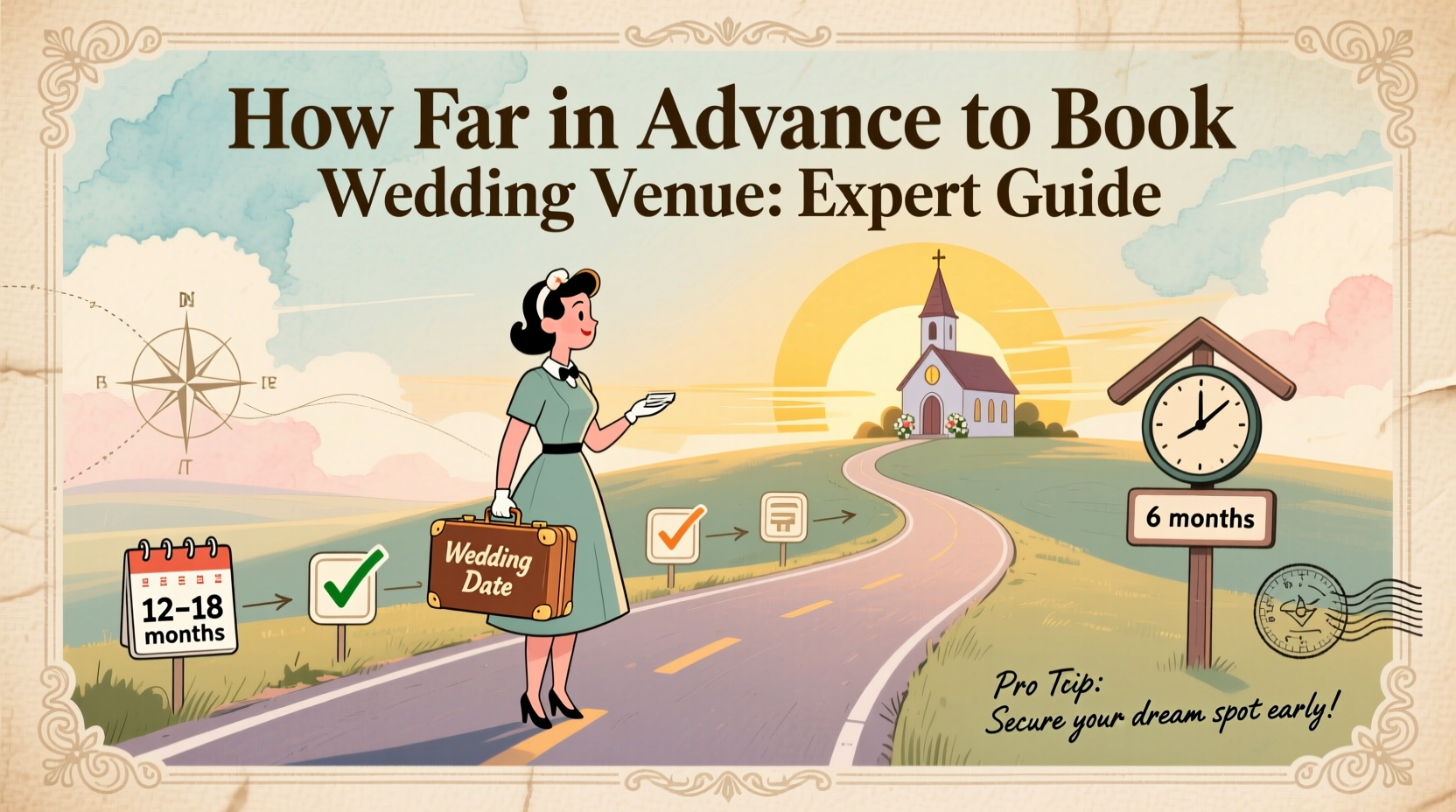
When it comes to securing your dream wedding location, knowing how far in advance to book wedding venue is one of the most critical decisions you’ll make during your planning journey. Most experts recommend booking your wedding venue between 12 to 18 months ahead of your wedding date, especially if you’re planning a weekend celebration during peak wedding season or envisioning a popular destination. This ideal booking window gives couples enough time to lock in their preferred date at sought-after locations before they’re taken, while also allowing flexibility to coordinate other major vendors like caterers, photographers, and florists around the venue’s availability. However, this timeline can vary significantly depending on factors such as geographic location, venue type, guest list size, and whether you're aiming for a high-demand date like a summer Saturday or holiday weekend.
Why Timing Matters When Booking Your Wedding Venue
Booking your wedding venue early isn’t just about securing a pretty space—it's about ensuring your entire vision aligns with reality. The earlier you reserve your venue, the more control you have over key aspects such as:
- Availability of your desired wedding date (especially crucial for weekends)
- Negotiation power with contracts and deposits
- Ability to hire top-tier vendors who often work within the same seasonal demand cycles
- Accommodation options for out-of-town guests, particularly in destination weddings
Many couples underestimate how quickly prime venues fill up. For example, rustic barns, historic mansions, and beachfront resorts in cities like Charleston, Napa Valley, or Maui regularly book two years in advance for peak months (May–October in the U.S.). Even urban banquet halls and popular church reception sites in metropolitan areas may only have limited openings six to nine months out—far too late for comprehensive planning.
General Guidelines Based on Venue Type
The ideal booking timeframe varies widely by venue category. Below is a breakdown of recommended lead times based on common wedding venue types:
| Venue Type | Recommended Booking Timeframe | Notes |
|---|---|---|
| Destination Wedding Resort | 18–24 months | High demand; group room blocks require early coordination |
| Rustic Barn / Outdoor Estate | 12–18 months | Popular for fall weddings; limited seasonal availability |
| Hotel Ballroom | 12–15 months | Includes catering; good for large guest lists |
| Religious Ceremony Site + Separate Reception | 12+ months | Churches often require membership or pre-marital counseling |
| Backyard / Private Home | 6–9 months | Permits, rentals, and zoning laws may affect planning |
| Museum / Gallery / Unique Space | 12–18 months | Highly competitive; insurance requirements apply |
As shown above, unique or exclusive-use venues typically require longer lead times due to limited capacity and scheduling constraints. In contrast, private homes offer more flexibility but introduce logistical challenges that still benefit from early planning.
Seasonal Demand and Its Impact on Booking Timeline
Timing doesn’t just depend on venue type—it’s heavily influenced by the time of year. Peak wedding seasons vary slightly across regions but generally follow this pattern in North America:
- Spring (April–June): High demand due to mild weather and blooming scenery
- Summer (July–August): Most popular, especially July 4th weekend and August holidays
- Fall (September–November): Especially busy in October for foliage views
- Winter (December–March): Lower demand except for December holidays and Valentine’s Day
If you're set on a Saturday in June or October, begin contacting venues at least 15–18 months in advance. Off-peak dates (Friday evenings, Sundays, winter weekdays) may allow bookings as close as 6–9 months out, sometimes with discounted rates. Some venues even offer last-minute specials if they have gaps in their calendar, but relying on this strategy is risky and limits customization.
Geographic Considerations That Affect Availability
Your location plays a major role in determining how early you need to book. Here’s how regional differences impact timelines:
- Urban Centers (e.g., New York City, Chicago, Los Angeles): High competition for indoor venues; book 12–15 months ahead. Weekend availability disappears quickly.
- Tourist Destinations (e.g., Savannah, Sedona, Asheville): Book 18+ months out, especially for outdoor or all-inclusive resort weddings.
- Rural Areas: May allow shorter notice (9–12 months), but access to vendors and accommodations could be limited.
- International Locations (e.g., Italy, Jamaica, Greece): Require 18–24 months for legal paperwork, travel coordination, and venue contracts in foreign languages.
Always research local regulations. For instance, some European countries require residency periods or civil ceremonies before religious ones, which affects when you can officially schedule your event—even if the venue allows early reservations.
Guest Count and Its Influence on Booking Urgency
The size of your guest list directly impacts how soon you must act. Larger weddings (150+ guests) drastically reduce available options and increase competition for spaces. Big ballrooms, estate grounds, or convention centers often get booked years in advance because they serve fewer events per year due to setup complexity.
Conversely, intimate weddings (under 50 guests) may allow last-minute bookings at upscale restaurants, boutique hotels, or vineyards with flexible schedules. However, even small venues should ideally be secured 9–12 months ahead to ensure alignment with photography, officiant availability, and menu tasting appointments.
Steps to Take When Starting Your Venue Search
To maximize your chances of getting the perfect spot on your ideal date, follow these actionable steps:
- Set a preliminary budget. Know how much you can allocate toward the venue before touring. This prevents emotional attachment to unaffordable spaces.
- Determine your ideal season and day of week. Being open to Fridays or Sundays increases availability.
- Create a shortlist of 3–5 venues. Contact them simultaneously to compare pricing, policies, and availability.
- Attend open houses or schedule tours. Visit during actual event hours to assess noise levels, lighting, and flow.
- Read the contract carefully. Look for hidden fees, cancellation clauses, overtime charges, and decoration restrictions.
- Secure with a deposit and signed agreement. Most venues require 25%–50% down upon booking.
Avoid the mistake of waiting until engagement photos are done or save-the-dates are mailed. By then, your dream venue might already be unavailable. Act immediately after setting your date—or even before, if you're flexible.
What Happens If You Wait Too Long?
Delaying your venue search can lead to several compromises:
- Limited date options: You may have to accept an undesirable day (like Thanksgiving weekend).
- Higher costs: Last-minute bookings often come with premium pricing or reduced negotiation power.
- Vendor conflicts: Preferred photographers or bands may already be booked.
- Reduced personalization: Venues with tight turnarounds may restrict décor changes or layout adjustments.
- Guest inconvenience: Short notice makes travel planning difficult, potentially lowering attendance.
While micro-weddings and elopements can be arranged in under six months, traditional celebrations benefit immensely from early commitment.
Exceptions and Special Cases
Certain situations alter the standard booking timeline:
- Elopements: Can be planned 3–6 months in advance, especially in national parks or city halls with walk-in availability.
- Last-Minute Weddings: Possible with off-season dates or cancellations. Join Facebook groups or use platforms like WeddingWire’s ‘Last Minute Deals’ section.
- Postponements Due to Pandemics or Emergencies: Many venues now offer rescheduling priority, allowing couples to retain original dates or move forward/backward within a 12-month window without penalty.
- All-Inclusive Resorts: Often require 12–18 months but include vendor packages, simplifying coordination.
In rare cases, some venues maintain waitlists. Ask if you can be notified if another couple cancels—you might snag a prime slot unexpectedly.
Common Mistakes Couples Make When Booking Venues
To avoid pitfalls, steer clear of these frequent errors:
- Not reading reviews: Check third-party sites like The Knot, Google, and WeddingWire for real client experiences.
- Ignoring capacity limits: Overcrowding leads to safety issues and discomfort.
- Skipping site visits: Photos don’t show acoustics, parking, or restroom conditions.
- Assuming inclusivity: Not all venues allow outside catering, drones, or open flames.
- Waiting for engagement announcements: Delaying booking risks losing your top choice.
Also, never assume a verbal confirmation holds a date. Always sign a contract and pay a deposit to secure your reservation officially.
How to Verify Venue Availability and Legitimacy
Before committing, verify the following:
- Is the venue licensed and insured?
- Does it have proper permits for alcohol service and amplified music?
- Are there backup plans for outdoor ceremonies in case of rain?
- Can you speak with past clients or view recent weddings hosted there?
- Is there an on-site coordinator included?
Ask for references and tour during a live event if possible. Confirm that fire codes and ADA accessibility standards are met—this protects both your guests and your investment.
Frequently Asked Questions About Booking Wedding Venues
Can I book a wedding venue two years in advance?
Yes, many couples do—especially for destination weddings or high-demand locations. Two-year bookings are common in Europe and tropical resorts. Just ensure the contract includes a reconfirmation clause and check cancellation policies.
Is 10 months too late to book a wedding venue?
It depends. For off-peak dates or smaller gatherings, 10 months is reasonable. For summer Saturdays in popular cities, availability will likely be limited. Start calling immediately and consider weekday or non-traditional spaces.
Should I book the venue before sending save-the-dates?
Absolutely. Never send save-the-dates without a confirmed venue and date. Doing so risks confusion and embarrassment if your preferred location falls through.
Do wedding venues hold dates without deposits?
Rarely. Most reputable venues require a deposit (typically 25%) to hold a date. Verbal holds are not binding and can be given to other couples.
How far in advance should I book a backyard wedding?
Even for home weddings, start planning 6–9 months ahead. You'll need to arrange tents, restrooms, parking, noise permits, and rentals—all of which book up fast during peak seasons.
More Articles
 How to Sign Wedding in ASL: Accurate & Inclusive Guide
 Wedding Venue Cost in 2026: What Couples Actually Pay
 Jeff Bezos Wedding Venice: Viral Rumor Debunked
 Who Wrote 4 Weddings And A Funeral (2026)
 Diamond White Wedding Rings: A Quiet Love Story
 Wedding Singer Streaming: Where to Watch in 2026
 Engagement Ring with Wedding Band: Stacking Truths (2026)
 White House Weddings: 11 Ceremonies & Why None Since 1971
 How to Handle a Guest Who Asks for Your Wedding Video
 How Much to Tip Your Wedding Hair Stylist: The Exact Numbers