Average U.S. Wedding Cost in 2026: Real Numbers
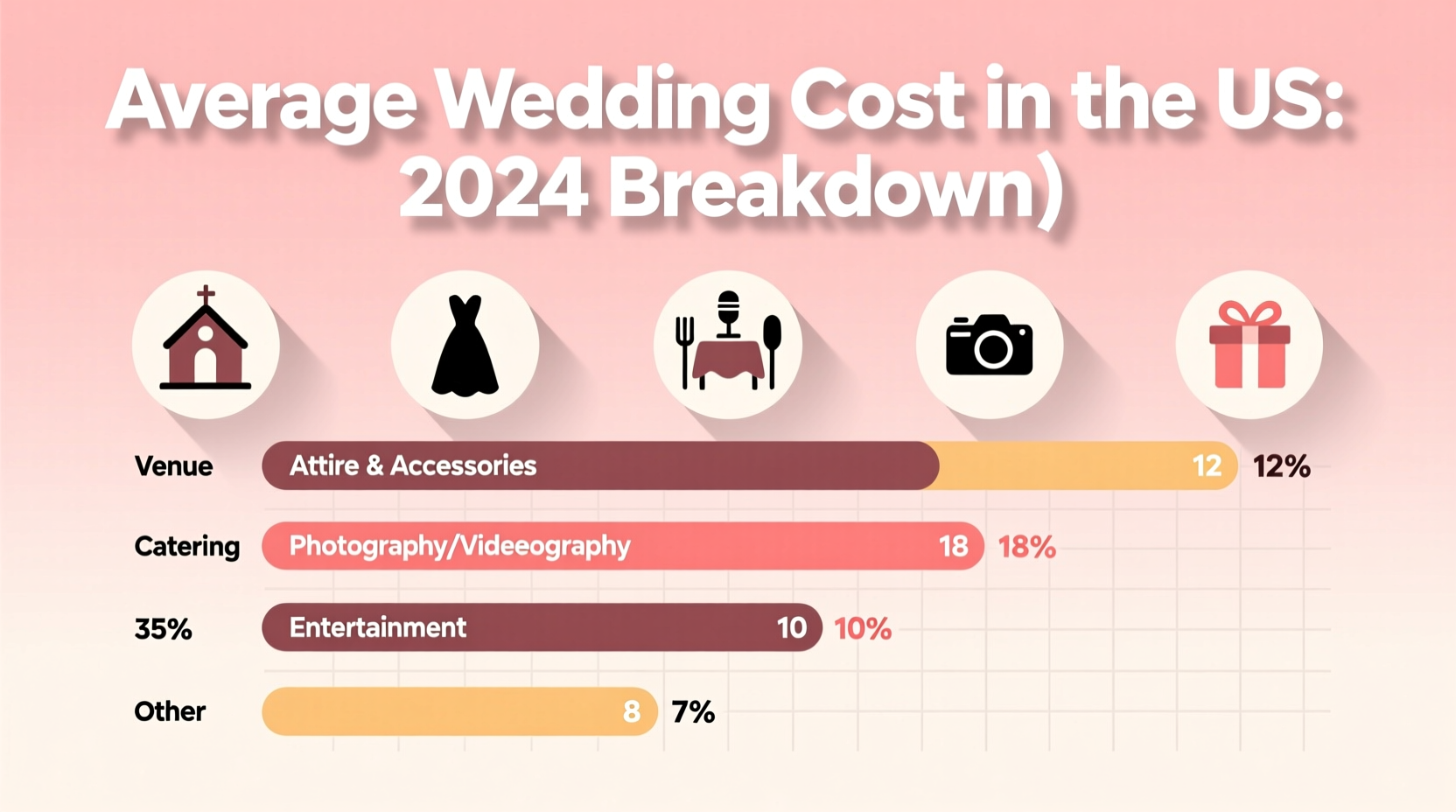
The average wedding cost in the United States in 2024 is approximately $30,000, according to recent industry data from The Knot and WeddingWire. This figure reflects a slight decrease from previous years, influenced by shifting priorities, smaller guest lists, and increased interest in budget-conscious celebrations. When considering how much does the average wedding cost in the US, it’s essential to recognize that expenses vary widely based on location, season, guest count, and personal preferences. For example, a full-service wedding in New York City with 150 guests may exceed $50,000, while a minimalist ceremony and reception in a rural Midwest town could total under $15,000.
Factors That Influence the Average Wedding Cost in the US
Understanding what drives wedding expenses helps couples plan more effectively. While the national average provides a benchmark, actual costs depend on several key variables:
1. Geographic Location
Location is one of the most significant cost determinants. Urban areas typically command higher prices due to elevated real estate values and vendor rates. For instance:
- New York, NY: Average cost exceeds $45,000
- San Francisco, CA: Around $42,000
- Austin, TX: Approximately $28,000
- Kansas City, MO: As low as $20,000
Couples should research local pricing trends when budgeting. Rural or off-peak weddings can yield substantial savings without sacrificing quality.
2. Number of Guests
Guest count directly impacts food, beverage, seating, invitations, and favors. Per-person costs for catering alone range from $50 to $150+, depending on menu complexity and service style (plated vs. buffet). Reducing the guest list from 150 to 75 can cut overall spending by nearly half.
Tip: Prioritize close family and friends. Many modern couples opt for intimate 'micro-weddings' (under 50 guests) to focus on meaningful connections and reduce financial strain.
3. Wedding Venue and Date
Venue rental fees vary dramatically. Popular options include:
- Hotel ballrooms: $8,000–$20,000+
- Garden or estate venues: $5,000–$15,000
- Community centers or public parks: $500–$3,000
Peak wedding months (May–October, especially June and September) often come with premium pricing. Consider weekday or winter weddings (January–March) for discounts of 20–40%.
Breakdown of Typical Wedding Expenses in the US
To better understand where the average $30,000 goes, here’s a detailed expense breakdown based on 2024 data:
| Expense Category | Average Cost | % of Total Budget |
|---|---|---|
| Reception Venue & Catering | $13,000 | 43% |
| Photography & Videography | $3,500 | 12% |
| Attire (Bride, Groom, Party) | $2,500 | 8% |
| Music/Entertainment | $1,800 | 6% |
| Flowers & Decor | $2,200 | 7% |
| Wedding Planner/Coordinator | $2,000 | 7% |
| Rings | $1,000 | 3% |
| Stationery (Invites, Signs) | $600 | 2% |
| Transportation & Accommodations | $900 | 3% |
| Miscellaneous (Tips, Fees, Insurance) | $1,500 | 5% |
| Total | $30,000 | 100% |
Why Reception Costs Dominate the Budget
Catering and venue rental combined make up nearly half of total spending. Full-service venues often bundle tables, chairs, linens, and staff, which adds convenience but also cost. Couples can reduce this expense by:
- Choosing non-traditional spaces (e.g., backyard, community hall)
- Opting for brunch or cocktail-style receptions
- Negotiating package deals with caterers
- Selecting seasonal, locally sourced menus
Trends Influencing Wedding Spending in 2024
Economic conditions and cultural shifts are reshaping how couples spend on weddings. Key trends include:
1. Rise of Micro-Weddings and Elopements
More couples are choosing small, personalized ceremonies with fewer than 50 guests. These events average $10,000–$18,000 and allow for higher-quality experiences within tighter budgets. Popular destinations include national parks, mountain lodges, and boutique hotels.
2. DIY and Hybrid Planning
While full-service planners remain valuable, many couples use hybrid models—hiring coordinators only for month-of management ($1,000–$2,500) rather than full planning ($4,000+). Others handle design, stationery, and decor themselves using online tools and marketplaces like Etsy.
3. Sustainable and Ethical Choices
Eco-conscious couples are investing in reusable decor, digital invitations, and locally made attire. Lab-grown diamonds and vintage engagement rings are gaining popularity as affordable, ethical alternatives to mined stones.
4. Inflation and Vendor Pricing Adjustments
Inflation has impacted food, fuel, and labor costs, leading some vendors to raise prices. However, increased competition and post-pandemic supply stabilization have kept overall growth moderate. Couples should request detailed contracts and confirm final pricing 60–90 days before the event.
How to Plan a Wedding Within the Average Budget
Staying near the $30,000 average requires careful planning and smart trade-offs. Follow these steps:
Step 1: Set a Realistic Budget
Determine how much you can afford without debt. Include contributions from family, but don’t rely on uncertain promises. Use a spreadsheet or app (like Zola or The Knot Budget Tracker) to monitor spending.
Step 2: Prioritize What Matters Most
Discuss with your partner: Is photography top priority? A gourmet meal? Live music? Allocate more funds to high-value items and save elsewhere. For example, skip elaborate floral arches if great photos are essential—your photographer can capture beauty without them.
Step 3: Choose Off-Peak Dates and Times
Saturday evening weddings are most expensive. Consider Friday evenings, Sundays, or winter weekdays. Some venues offer 30% discounts for off-season bookings.
Step 4: Limit Guest List Early
Create a tiered list: must-invite, nice-to-invite, and optional. Avoid adding guests last-minute. Each additional person increases food, drink, seating, and stationery costs.
Step 5: Negotiate and Compare Vendors
Get at least three quotes per service. Ask about package deals, referrals, or off-season rates. Don’t assume the lowest bid is best—check reviews and portfolios.
Step 6: Consider All-Inclusive Packages
Some resorts and venues offer comprehensive packages covering venue, food, cake, decor, and coordination. These can simplify planning and lock in predictable costs.
Common Mistakes to Avoid When Budgeting
Even well-intentioned couples make financial missteps. Watch out for these pitfalls:
- Underestimating taxes and gratuities: Service charges (18–22%) and sales tax can add 20%+ to vendor bills.
- Skipping a marriage officiant fee: Not all religious leaders perform free ceremonies; secular officiants typically charge $200–$500.
- Forgetting insurance: Wedding insurance ($100–$300) protects against cancellations, weather issues, or vendor no-shows.
- Overspending on attire: Designer gowns can cost $5,000+, but beautiful options exist under $1,000. Consider sample sales or rentals.
- Ignoring transportation needs: Shuttle services for guests or limos for the couple add up quickly—budget accordingly.
Regional Variations in Wedding Costs
Cost of living differences significantly affect wedding pricing. Here’s a regional overview:
- West Coast (CA, WA, OR): High due to venue demand and labor costs. Expect to pay 20–30% above national average.
- Northeast (NY, MA, NJ): Similar to West Coast, especially in major cities.
- Southeast (FL, GA, NC): Moderate pricing, with beach weddings driving up coastal venue rates.
- Midwest (IL, OH, MN): Generally below average, offering good value for full-service weddings.
- South Central (TX, OK, TN): Wide variation—urban areas like Dallas are mid-range, while rural regions are very affordable.
Couples relocating or having destination weddings should research local norms and legal requirements early.
Frequently Asked Questions About Wedding Costs in the US
What is the cheapest month to get married in the US?
January, February, and March are typically the least expensive months due to lower demand. Weekday weddings during these months often come with steep venue discounts.
Is $20,000 enough for a wedding in the US?
Yes, $20,000 is sufficient for a comfortable wedding, especially with fewer than 100 guests. Focus on an affordable venue, limit alcohol service, and consider DIY elements to stretch the budget.
Who traditionally pays for the wedding in America?
Historically, the bride’s family covered most costs, but today, couples often split expenses with both families or fund the wedding themselves. According to The Knot, nearly 60% of weddings are partially or fully paid by the couple.
Does having a wedding planner increase costs?
Not necessarily. While planners charge fees (average $2,000), their vendor relationships and expertise can help couples avoid overspending and secure better deals.
Are destination weddings cheaper than local ones?
Not always. While some international locations offer all-inclusive deals, travel and accommodation for guests can drive up indirect costs. Domestic micro-weddings are often more budget-friendly.
More Articles
 How Long Was the Royal Wedding? (2026 Timeline Breakdown)
 Barney and Robin Wedding: What Really Happened (2026)
 What to Do If You Cannot Afford Your Dream Wedding
 Jehovah’s Witnesses at Weddings: Rules & Real Experiences
 Josh Hutcherson at Jennifer Lawrence’s Wedding?
 Jeff Bezos Wedding Rumor: Truth Behind the Viral Myth
 Wedding in Muharram: Permissible? (2026)
 When Do You Need to Apply for a Marriage License
 Was Kim Richards at Alexia’s Wedding? (2026)
 Kristen Doute at Stassi’s Wedding? Truth Behind Her Absence