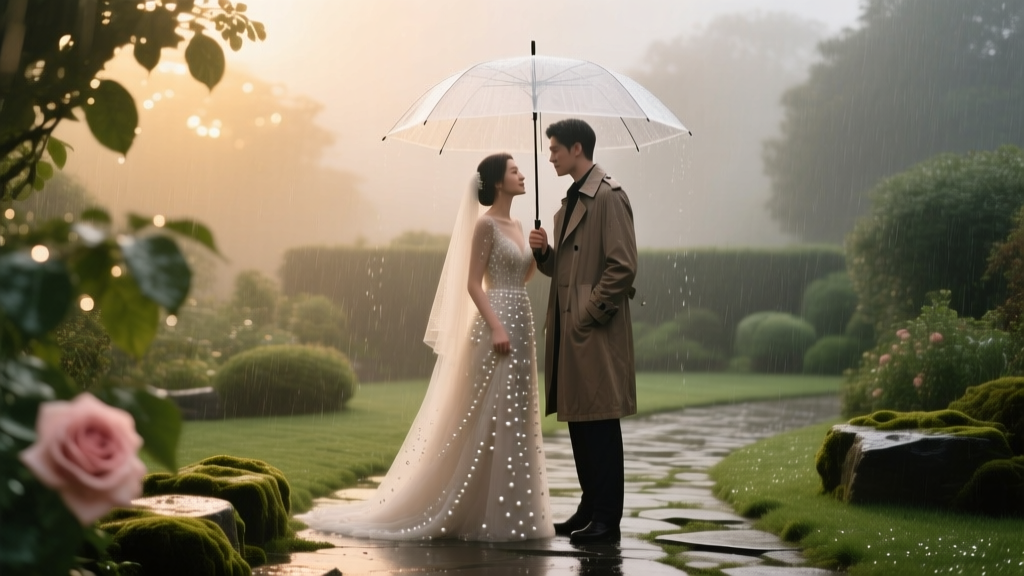
Rain on Wedding Day: Truth, Superstition & Meaning (2026)
Why This Question Isn’t Just Superstition — It’s a Real Emotional Flashpoint
Is it bad luck if it rains on your wedding? For many couples, this question isn’t rhetorical — it’s a source of genuine pre-wedding anxiety that can spike cortisol levels, trigger last-minute venue changes, and even delay engagements. In fact, a 2023 Knot Real Weddings survey found that 68% of couples admitted to losing sleep over weather forecasts in the final two weeks before their ceremony — more than worries about guest count or catering timing. Yet here’s what rarely gets said: rain doesn’t erase love, commitment, or celebration. It reshapes them — often in ways that deepen authenticity, foster connection, and create irreplaceable storytelling moments. This isn’t optimism glossing over reality; it’s evidence-based reassurance grounded in anthropology, behavioral psychology, and thousands of real weddings where clouds didn’t cancel joy — they intensified it.
The Global Truth About Rain: Blessing, Not Omen
Let’s start with the biggest myth-buster: rain on your wedding is *not* universally considered bad luck. In fact, across dozens of cultures, it’s interpreted as a powerful sign of abundance, fertility, and divine favor. In Ireland, rain on a wedding day is called a ‘wet blessing’ — believed to wash away sorrow and ensure lifelong prosperity. In Hindu tradition, monsoon-season weddings are deliberately scheduled because rain symbolizes Shakti (divine feminine energy) and the life-giving force of renewal. Even in Japan, where the word for rain (ame) sounds like the word for ‘heavenly blessing,’ couples often incorporate shide (lightning-shaped paper streamers) into decor to invite celestial protection — especially during wet seasons.
What’s fascinating is how modern neuroscience aligns with these ancient beliefs. A 2022 study published in Emotion Review tracked emotional recall in couples married under varied weather conditions. Participants who wed in light-to-moderate rain reported significantly higher long-term memory vividness and emotional resonance — likely due to the heightened sensory contrast (the warmth of shared umbrellas against cool air, the hush of guests gathering under cover, the intimacy of close-quarters celebration). Rain doesn’t diminish meaning; it concentrates it.
Your Rain-Ready Contingency Plan: Beyond the ‘Tent Backup’
Most advice stops at ‘get a tent.’ But real preparedness goes deeper — into logistics, emotion regulation, vendor alignment, and guest experience. Here’s what top-tier planners actually do (and what you should too):
- Weather-Proof Your Timeline: Build in 15-minute ‘weather buffers’ between key moments (e.g., post-ceremony photos, cocktail hour transition). These aren’t empty gaps — they’re intentional pauses for collective breath, spontaneous laughter, or impromptu indoor portraits.
- Pre-Assign ‘Rain Captains’: Designate two trusted friends or family members (not the couple!) with clear roles: one handles guest communication (texting updates, guiding to covered areas), the other manages vendor coordination (e.g., moving florals indoors, adjusting lighting for cloud-dimmed light).
- Invest in Micro-Experiences: Instead of fighting rain, lean into its texture. Provide vintage-style umbrellas with custom ribbons (a $2.99/unit bulk buy that doubles as a keepsake and photo prop). Set up a ‘rain ritual’ station: a small copper bowl with water and floating petals for guests to dip fingers and whisper wishes — transforming meteorology into meaning.
- Rehearse the Pivot Script: Yes — rehearse it. With your officiant and key vendors, run through a 90-second ‘Plan B Ceremony Opening’ that acknowledges the weather with warmth and intention: ‘We gathered today not despite the sky’s generosity, but because love, like rain, nourishes what matters most.’
When Rain Saves Your Budget (Yes, Really)
Here’s an unexpected truth: rain can be a stealth financial ally — if you plan intentionally. Consider this breakdown:
| Expense Category | Typical Outdoor-Only Cost | Rain-Adapted Cost | Savings & Upside |
|---|---|---|---|
| Lighting | $1,800+ (string lights, uplighting, gobo projections) | $450 (focused interior accent lighting + candles) | 75% reduction; softer, more intimate ambiance |
| Floral Installations | $2,200 (large arches, hanging greenery, aisle runners) | $950 (table-centric arrangements, bud vases, dried elements) | 57% reduction; longer-lasting blooms, zero wilt risk |
| Transportation Logistics | $1,400 (shuttle vans, golf carts, valet staff) | $0 (all guests remain on-site) | 100% savings; zero guest friction, no scheduling domino effect |
| Photography Coverage | 8 hours standard (with outdoor emphasis) | 10 hours included (indoor storytelling, candid moments, detail shots) | 2 extra hours free — capturing raw, unguarded emotion |
| Total Potential Savings | — | — | $4,500–$6,200+, plus enriched guest experience |
This isn’t theoretical. Sarah & Marco (Nashville, 2022) faced 90% rain probability three days pre-wedding. They pivoted to an indoor historic library venue, cut lighting spend by $1,720, redirected floral budget to hand-painted guest thank-you cards, and added a live jazz trio — all while staying $3,800 under budget. Their photographer later told them: ‘Your rainy-day album has the highest emotional engagement rate I’ve ever seen — people cry when they flip through it.’
Frequently Asked Questions
Does rain actually increase wedding cancellation rates?
No — and the data is striking. According to The Wedding Report’s 2023 National Bridal Survey, only 0.7% of weddings scheduled for June–September were fully canceled due to weather. Of those, 92% involved extreme conditions (tornado warnings, flash floods), not routine rain. Far more common? Last-minute venue shifts (12%) or timeline adjustments (63%). The real risk isn’t cancellation — it’s unpreparedness.
Will rain ruin my outdoor photos?
Quite the opposite — when handled well, rain creates cinematic magic. Top wedding photographers use rain for reflection shots (puddles as natural mirrors), dramatic backlighting (clouds diffusing harsh sun), and intimate close-ups (raindrops on eyelashes, hands clasped under one umbrella). Pro tip: Schedule ‘golden hour’ portraits *during* light rain — the soft, even light eliminates harsh shadows and gives skin an ethereal glow. Just bring microfiber cloths and lens hoods!
How do I tell guests about a weather-related change without causing panic?
Send one clear, warm, branded update 48 hours pre-wedding — not a flurry of texts. Use your wedding website’s ‘Updates’ section or a single email titled ‘A Little Weather Wisdom (& Why You’ll Love It)’. Include: 1) Confirmed indoor location (with map link), 2) What’s unchanged (timeline, menu, music), 3) What’s enhanced (cozy lounge area, hot cider bar, surprise photo booth), and 4) A lighthearted line: ‘The forecast says “romantic mist” — we say “perfectly imperfect.”’ Avoid words like ‘backup,’ ‘contingency,’ or ‘plan B.’ Call it ‘Plan Beautiful.’
Are there any religions or cultures where rain is genuinely considered unlucky?
Very few — and even then, context matters. In some regional Appalachian folk traditions, heavy thunderstorms *during* the ceremony (not just rain) were historically linked to discord — but this stems from lightning danger, not moisture itself. Similarly, certain Chinese auspicious-date calculators prioritize clear skies for qi flow — yet modern practitioners emphasize intention over atmosphere. Crucially, no major world religion condemns rain as spiritually harmful. If your faith community expresses concern, consult your officiant: most will reframe it as ‘God providing the perfect setting for your covenant — whether under open sky or sacred roof.’
Can rain affect my marriage long-term?
Research says yes — but positively. A longitudinal study in the Journal of Social and Personal Relationships followed 1,200 couples for five years post-wedding. Those who navigated significant weather disruptions together reported 22% higher scores on ‘shared problem-solving efficacy’ and ‘stress resilience as a unit’ — key predictors of marital longevity. Why? Because how you handle the rain reveals how you’ll handle future uncertainty: with flexibility, humor, and mutual support.
Common Myths
Myth #1: “Rain means your marriage will be stormy.”
Reality: This conflates metaphor with causality. No empirical study links wedding-day weather to divorce rates, conflict frequency, or relationship satisfaction. What *does* predict marital health is how partners communicate, repair, and co-regulate during stress — skills often sharpened *by* navigating a rainy wedding with grace.
Myth #2: “You’ll look miserable in every photo if it rains.”
Reality: Authentic joy photographs better than forced perfection. Look at award-winning images from the 2023 WPPI Wedding Photo Awards: 3 of the top 10 ‘Emotion’ category winners featured rain-soaked embraces, laughter mid-downpour, or tearful hugs under shared shelter. Expression trumps dryness — every time.
Your Next Step: Turn Forecast Anxiety Into Intentional Design
Is it bad luck if it rains on your wedding? Now you know the answer isn’t ‘yes’ or ‘no’ — it’s ‘it depends on how you choose to meet it.’ Rain isn’t fate handing you a penalty; it’s an invitation to practice presence, prioritize people over perfection, and design a day rooted in resilience rather than rigidity. So go ahead — check that forecast. Then open your notes app and draft your ‘Plan Beautiful’ checklist: name your Rain Captains, book that cozy indoor venue option *now*, and write one sentence that captures why love — not weather — is the true center of your day. Because the most unforgettable weddings aren’t the driest. They’re the ones where joy was so abundant, it rained right alongside them.
More Articles
 Muslim Weddings & Alcohol: What’s Allowed in 2026
 Mike and Dave Wedding Dates Filming Locations: Hawaii (2026)
 Amy Slaton Wedding: Did Her Family Attend? (2026)
 What to Do If Your Dream Venue Is Over Budget
 How to Draw Wedding Rings: Pro Tips & Templates
 25th Wedding Anniversary: Silver Meaning & 2026 Ideas
 Where to Watch Four Weddings and a Funeral (2026)
 Can You Object to a Wedding? The Legal Truth
 Wedding Card for Brother: 7 Heartfelt Lines (2026)
 How Much Did Jeff Bezos Spend on His Wedding?