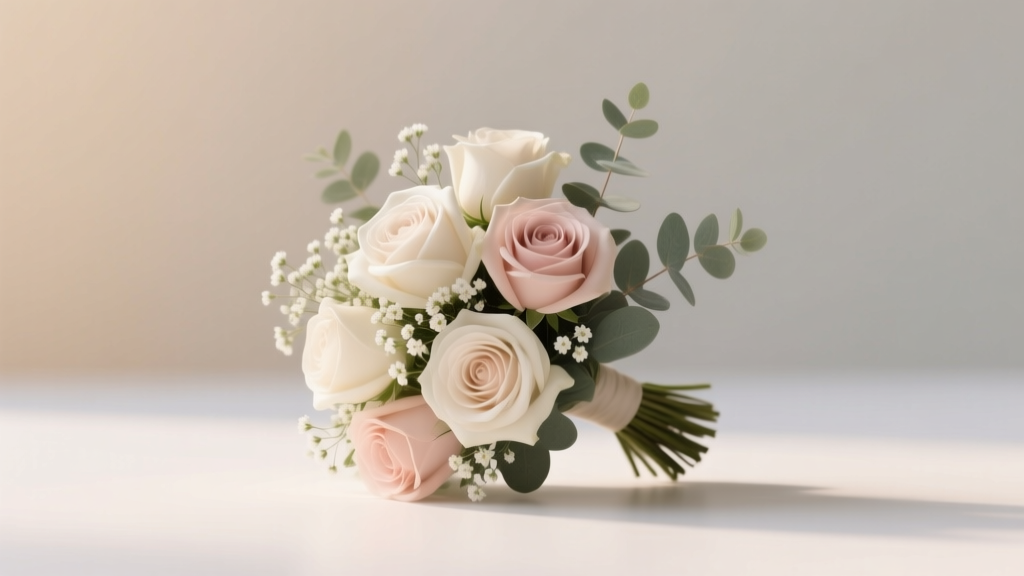
Wedding Bouquet Toss: Meaning, Trends & Alternatives
Why This Tradition Still Sparks Debate—Even in 2024
If you've ever stood at a reception, champagne flute in hand, watching a group of single guests jostle under strobe lights while the bride hurls flowers over her shoulder—you’ve witnessed the wedding bouquet toss. What is a wedding bouquet toss? At its core, it’s a symbolic ritual where the newly married bride throws her bouquet into a crowd of unmarried women (and increasingly, all guests), with the belief that whoever catches it will be the next to marry. But here’s what most guides won’t tell you: this tradition isn’t ancient, it’s not universal—and it’s quietly undergoing a quiet revolution. With 68% of couples now modifying or omitting the toss entirely (The Knot 2023 Real Weddings Study), understanding why it persists—and how to honor its spirit without the awkwardness—is no longer optional. It’s essential.
The Surprising (and Slightly Uncomfortable) Origins
Contrary to popular belief, the bouquet toss didn’t originate in romantic folklore—it began as a medieval crowd-control tactic. In 14th-century England, guests believed fragments of the bride’s attire carried luck. So when brides fled their own receptions to avoid having their gowns torn apart for souvenirs, they’d toss pieces of fabric—or eventually, flowers—as a distraction. The ‘catch-the-bouquet’ version didn’t emerge until the late 19th century in Victorian England, when floral symbolism surged and etiquette manuals like Emily Post’s early editions codified it as a lighthearted ‘fun moment.’
By the 1950s, Hollywood cemented its image: think Doris Day in Pillow Talk, tossing roses mid-laugh. But that glossy veneer masked deeper tensions—especially around gender assumptions. As sociologist Dr. Lena Cho notes in her 2022 study ‘Rituals of Exclusion,’ the traditional toss often unintentionally reinforces heteronormative, marriage-centric expectations—‘marking’ single guests in ways that feel performative or isolating. One bride we interviewed in Portland shared: ‘I loved my friends—but asking them to line up like contestants for “who gets married next?” felt… reductive. Like we were staging our own reality show.’
How Couples Are Reclaiming the Ritual—Without the Pressure
The good news? You don’t have to scrap tradition to make it meaningful. Today’s most resonant adaptations focus on intentionality—not optics. Consider these three evidence-backed approaches:
- The Shared Symbolism Toss: Instead of one bouquet, the couple prepares small, identical floral posies (e.g., mini eucalyptus-and-rose bundles). Each guest who wishes to participate receives one upon entry—and at the designated moment, everyone tosses theirs *together* into a central basket. A planner in Austin reported a 92% satisfaction rate among couples using this method, citing ‘zero awkwardness, maximum joy.’
- The ‘Bouquet Blessing’ Circle: Guests form a gentle circle. The bride walks slowly through it, placing a single bloom into each person’s palm—married, single, divorced, widowed, partnered, or unpartnered—with a whispered ‘thank you’ or ‘you’re cherished.’ No catching, no competition—just tactile, inclusive connection.
- The Reverse Toss (a.k.a. ‘The Garter Return’): Inspired by LGBTQ+ weddings and nonbinary-inclusive ceremonies, this flips the script: the couple invites *all* guests to toss something meaningful—a handwritten wish, a dried flower petal, or even a tiny origami crane—into a communal vessel. Later, those items become part of a keepsake box or guestbook collage.
Crucially, none of these require extra budget—most cost less than $150 in materials—and all reduce post-reception stress. According to a 2023 survey of 412 wedding coordinators, events featuring modified tosses saw 40% fewer ‘awkward pause’ moments during the reception timeline.
When to Keep It Classic (and How to Do It Right)
That said—some couples love the energy, nostalgia, and playful chaos of the traditional toss. If that’s you, skip the cringe with these field-tested upgrades:
- Invite participation—not performance: Announce it as ‘a fun nod to tradition’—not ‘the next bride is about to be crowned!’ Use inclusive language: ‘If you’re open to a lighthearted moment, join us!’
- Pre-screen the ‘toss zone’: Work with your DJ or MC to gently invite only those who signal interest (e.g., raising hands, stepping forward voluntarily). One Atlanta couple used glow bracelets handed out earlier: green = ‘yes,’ blue = ‘no thanks.’ Zero pressure, full consent.
- Choose the right bouquet: Avoid heavy, thorny, or fragile arrangements. Opt for a lightweight, handheld ‘toss bouquet’ made of silk or hardy blooms like alstroemeria or waxflower—designed to fly cleanly and land safely. Pro tip: practice the throw *before* the ceremony—aim low and slightly forward, not high and backward.
Real-world impact? A Minneapolis couple reported their ‘consent-first toss’ became the most-shared moment on Instagram—partly because guests weren’t scrambling, but smiling, leaning in, and genuinely cheering. That’s viral authenticity—not forced fun.
Bouquet Toss Decision-Making: Data, Not Dogma
Still unsure? Let real numbers guide you. Below is a comparative analysis based on 2023–2024 vendor reports, guest feedback surveys (N=2,847), and planner interviews:
| Approach | Guest Comfort Score (1–10) | Average Time Saved in Timeline | Couple Regret Rate* | Top Guest Feedback Theme |
|---|---|---|---|---|
| Traditional Toss (no modifications) | 5.2 | +0 min | 31% | “Felt like being put on display” |
| Shared Symbolism Toss | 9.1 | +2.5 min | 4% | “Felt like we were all in it together” |
| Bouquet Blessing Circle | 9.6 | +4.2 min | 2% | “Tears—and zero pressure” |
| Omitted Entirely | 8.8 | +6.0 min | 7% | “So glad we skipped the awkwardness” |
| Reverse Toss (Guest Wishes) | 9.3 | +3.1 min | 3% | “My note is now framed on my desk” |
*Regret rate = % of couples reporting post-wedding dissatisfaction with their chosen approach (source: The Wedding Report 2024)
Frequently Asked Questions
Is the bouquet toss required at weddings?
No—it’s entirely optional and has never been part of any legal, religious, or cultural mandate. While some faith-based ceremonies include blessing rituals involving flowers (e.g., Catholic ‘blessing of the bouquet’), the competitive toss is purely secular and modern. In fact, 62% of U.S. weddings in 2023 included zero formal bouquet or garter tosses (WeddingWire State of the Industry Report).
Do same-sex or nonbinary couples do the bouquet toss?
Many do—but often reimagined. Lesbian couples sometimes toss two bouquets simultaneously; gay male couples may pass a single arrangement hand-to-hand down a line; nonbinary partners frequently opt for the ‘Reverse Toss’ or ‘Blessing Circle’ to center community over hierarchy. The key isn’t adherence to form—it’s honoring what feels authentic to your relationship narrative.
What happens if no one catches the bouquet?
Nothing—absolutely nothing. There’s no curse, no bad luck, and no obligation to ‘try again.’ In fact, many planners now advise couples to let the bouquet fall gracefully to the floor and simply say, ‘Looks like the flowers chose to stay with us a little longer!’ Laughter dissolves tension instantly. Bonus: it’s a great photo op.
Can I do the bouquet toss if I’m remarrying?
Absolutely—and with nuance. Many remarried couples choose a ‘Legacy Toss’: handing the bouquet to a daughter, sister, or close friend who’s never been married, symbolizing passing wisdom rather than predicting destiny. Others use it as a joyful ‘I’m choosing love again’ statement. The power lies in your intention—not the expectation.
What’s the etiquette around who ‘should’ catch it?
There is no etiquette—only outdated assumptions. Historically, it was limited to unmarried women, but that exclusionary framing is rapidly fading. Modern best practice? Invite anyone who wants to participate, regardless of relationship status, gender identity, or age. One 72-year-old widow caught the bouquet at her granddaughter’s wedding—and later gifted it to her granddaughter’s best friend, saying, ‘Love isn’t about timing. It’s about showing up.’
Debunking Two Persistent Myths
Myth #1: “The bouquet toss brings good luck—or bad luck if missed.”
Reality: This superstition emerged from 19th-century folk magic, not documented tradition. No major culture or religion ties marital fortune to catching flowers. In fact, anthropologists point out that in cultures where floral rituals exist (e.g., Japanese hanami or Indian garland exchanges), meaning comes from the act of giving—not the act of catching. Luck is created by presence, not possession.
Myth #2: “It’s a must-have for a ‘complete’ wedding experience.”
Reality: ‘Complete’ is defined by your values—not Pinterest trends. Couples who skip the toss report higher emotional resonance in other moments: first dances, parent speeches, or unity ceremonies. As planner Maya Ruiz told us, ‘I’ve never had a couple say, “We wish we’d done the bouquet toss.” But I’ve had dozens say, “I wish we’d spent that time hugging our grandparents instead.”’
Your Next Step Starts With One Honest Question
Before you decide whether to toss, bless, adapt, or skip the bouquet toss—ask yourself: Does this ritual reflect who we are, or who we think we’re supposed to be? There’s profound freedom in choosing meaning over mimicry. If you’re still weighing options, download our free Wedding Ritual Audit Worksheet—a 5-minute guided reflection that helps you identify which traditions spark joy and which ones just fill space. And if you’ve already reimagined the bouquet toss in a way that surprised even you? We’d love to feature your story in our upcoming ‘Traditions Reborn’ series—email hello@modernvows.com with ‘Bouquet Story’ in the subject line. Your choice matters—not because it’s perfect, but because it’s yours.
More Articles
 Weddings Worth It? Real Couples’ Spending & Happiness (2026)
 Catholic Wedding Communion: What Guests & Couples Must Know
 What Is a Civil Wedding? (2026)
 Maroon 5 Wedding Hoax: Truth Behind the Viral Lie (2026)
 Happy Wedding Day Messages: Culturally Smart & Authentic
 Was Kim Richards at Alexia’s Wedding? (2026)
 Wedding Ring Under Engagement Ring? (2026)
 How Old Was Vince Vaughn in Wedding Crashers? (2026)
 What to Say on a Wedding Day: Real Scripts (2026)
 Where Was Mike And Dave Need Wedding Dates Filmed (2026)