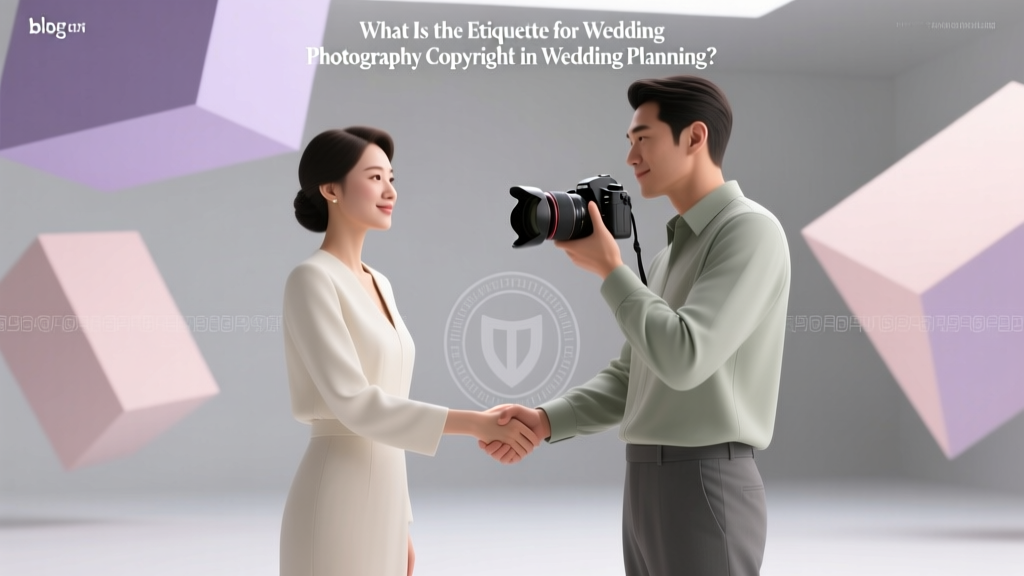
What Is the Etiquette for Wedding Photography Copyright
What Is the Etiquette for Wedding Photography Copyright?
You’ve booked a photographer you love, you’re dreaming about the highlight reel-worthy portraits, and then you see a line in the contract about “copyright.” Suddenly, a simple vendor decision feels like a legal thriller. You’re not alone—wedding photography copyright is one of the most misunderstood parts of wedding planning, and it matters because it affects how you can share, print, and preserve your photos for years.
The good news: most couples can get everything they actually want (sharing, printing, albums, keepsakes) without a fight—once you know what’s standard, what’s negotiable, and what questions to ask before you sign.
Quick answer: Who owns the copyright, and what’s the etiquette?
Traditionally and legally, the photographer owns the copyright to the images they create, and the couple receives a license to use the photos for personal purposes (sharing on social media, printing for home, gifting prints to family). The etiquette is to respect the photographer’s copyright, follow the agreed usage terms, and ask for the rights you need upfront—rather than assuming you “own” the photos because you paid for the service.
At the same time, modern wedding etiquette recognizes that couples want flexibility. Many photographers now include generous personal-use rights, and some offer expanded usage or full copyright buyouts for an additional fee.
What wedding photography copyright really means (in plain language)
Copyright is the legal ownership of the creative work—the images. Even if you paid for the photographer’s time and deliverables, the person who presses the shutter generally retains copyright unless a contract states otherwise.
What you typically receive is a personal license. Think of it like buying a movie: you can watch it, share it in your home, and enjoy it, but you don’t have the right to sell copies or use it in an advertisement.
“Most couples don’t need copyright ownership to live happily ever after with their gallery,” says Marisa Kline, a wedding photographer with 12 years of experience. “They need clear personal-use rights—printing, sharing, archiving—and an honest conversation about what’s allowed.”
What’s usually included in a standard personal-use license?
Every contract is different, but many wedding photography agreements allow:
- Personal printing (your home, parents’ gifts, thank-you prints)
- Sharing online (Instagram, Facebook, private galleries) with credit requested or required
- Making photo books for personal use
- Storing and backing up your digital files
Common restrictions you may see:
- No selling images to magazines, blogs, or third parties
- No commercial use (using images to promote a business, paid ads, brand partnerships)
- No heavy editing or applying filters that alter the photographer’s work (some allow light crops)
- No removing watermarks on previews
Etiquette-wise, if you want something outside “personal use,” don’t guess—ask.
Why photographers keep copyright (and why it’s not a red flag)
Photographers retain copyright for a few practical reasons:
- It protects their work from being resold, misused, or altered in ways that harm their reputation.
- It supports their business through portfolio use, submissions, and marketing.
- It clarifies legal responsibility if images appear in publications or ads.
“The couples who are happiest are the ones who treat it like any other wedding vendor agreement,” says Jamie Patel, a wedding planner. “You’re not being difficult by asking. You’re being prepared.”
Traditional vs. modern etiquette: How expectations are changing
Traditional approach: The photographer owns copyright; couples receive a personal license; photographer may freely use images for marketing and portfolio. Couples often ordered prints through the photographer.
Modern approach: Digital delivery is standard, social sharing is expected, and couples want print freedom. Many photographers now offer print release language (permission to print anywhere) and clearer social media terms. Some also offer content-friendly packages that align with current trends like “unplugged ceremonies” plus curated social highlights, or a mix of pro photography with guest content.
Real-world example: “We assumed we could print anywhere,” says Ellie, married in 2025. “Our contract allowed printing, but only from their lab for albums. Once we understood why—color accuracy—we ordered the album through them and printed smaller copies ourselves. It worked out, but I wish we’d asked sooner.”
Scenario guide: What’s polite (and what crosses the line)
1) Posting photos on Instagram
Usually fine under personal use. Etiquette: credit your photographer when possible (tag them in the caption or photo). If your photographer requests a specific credit format, follow it.
2) Editing your photos with heavy filters
This is where feelings get tender. Many photographers ask you not to apply strong filters or alter skin tones because it changes how their work appears publicly. Etiquette: if you love filters, ask what’s okay. A gentle crop or minor brightness tweak is often acceptable; dramatic edits may not be.
3) Sharing the full-resolution gallery with all guests
Some contracts allow it; some don’t. Etiquette: share a link to the gallery rather than downloading and redistributing files, and respect any download limits the photographer set.
4) Submitting to a wedding blog or magazine
Don’t submit images without your photographer’s involvement. Publications often need licensing permissions and vendor credits. Etiquette: tell your photographer you’d love to be featured; they’ll typically handle submission and ensure proper crediting.
5) Using wedding photos to promote a business
Example: you’re a hairstylist and want to use your bridal portrait in an ad. That’s commercial use. Etiquette: request a commercial license and expect an additional fee or separate contract terms.
Actionable tips: How to handle wedding photo copyright the right way
- Read the copyright clause before you pay a deposit. If it’s confusing, ask for a quick explanation in writing.
- Look for the phrase “personal-use license” or “print release.” If you want the freedom to print at Costco, local labs, or online printers, confirm that it’s allowed.
- Ask about social media etiquette. Do they require credit? Are you allowed to repost previews? Can you share vendor tags?
- Clarify portfolio and marketing use. Most photographers include the right to use your images on their website. If you have privacy concerns, ask about an opt-out or “privacy add-on.”
- Get specifics about editing. If you love a certain aesthetic (black-and-white conversions, film grain, trendy presets), ask whether they can provide an alternate set or approve light edits.
- Save everything. Keep your contract, invoice, and any email clarifications in one folder. If you ever need to prove you have printing rights, it’s all there.
- Don’t ask for a copyright transfer casually. Full copyright buyouts are uncommon and expensive because they remove a photographer’s ability to use their own work. If you truly need it, be prepared for a significant fee.
“When a couple tells me, ‘We just want to print for family and share online without stress,’ that’s easy,” says Marisa Kline. “I write the license clearly so no one feels nervous later.”
Related questions couples often ask (and the answers)
Do we own our wedding photos if we paid for them?
You typically own the delivered files for personal use, but not the copyright unless your contract explicitly transfers it. Payment usually buys a service and a license, not the intellectual property.
Can the photographer post our photos without permission?
Many contracts allow portfolio use, but etiquette (and increasingly, modern practice) is to be considerate—especially with sensitive situations (military families, blended families, privacy concerns). If you want approval rights or a delay before posting, request it in the contract.
What if we want an unplugged wedding but still want guest photos?
This is a popular trend: couples request an unplugged ceremony and then encourage phone photos at the reception. Etiquette: be clear with guests about when phones are welcome. If you create a shared album, avoid uploading the photographer’s full gallery unless permitted by the license.
Can we use our photos on holiday cards or announcements?
Almost always yes under personal use. If you’re using a stationer or card company, you’re still fine—just don’t give them rights to use your image in their advertising unless your license allows it.
What about AI tools that “enhance” or restyle our wedding photos?
This is a newer edge case. Some contracts treat AI edits as prohibited alterations, especially if results look unrealistic or change facial features. If you want to use AI upscaling or retouching, ask first—or request that your photographer provides high-resolution exports that don’t require enhancement.
What if a relative scanned our album and posted everything?
That can violate your photographer’s terms and create tension. Etiquette: gently ask family not to upload full albums or remove watermarks. If needed, point to your contract and explain you’re honoring the agreement.
Conclusion: The most polite—and practical—path
Wedding photography copyright etiquette comes down to clarity and respect: the photographer usually owns the copyright, you usually receive strong personal-use rights, and anything beyond that should be discussed and written into the contract. Ask early, get it in writing, and you’ll be free to share, print, and relive your wedding day without second-guessing every post or purchase.
More Articles
 Chinese Wedding Rings: Tradition vs. Modern Reality (2026)
 How Much Was Priyanka Chopra Wedding Dress? (2026)
 Wedding Wishes: 7 Culturally Smart, Emotional Phrases (2026)
 Retired Judges Officiate Weddings? State Rules (2026)
 Ideas and Frameworks Compared: Practical Differences, Real-World Applications, and Strategic Implications
 Are Wedding Registries Free? (2026)
 Chapping at Weddings: The 2026 Tradition Explained
 White Patterned Dress to Wedding: Etiquette Rules (2026)
 Is Wedding Soup Healthy? Truth & Easy Upgrades
 Paige Drummond Wedding: Televised? Truth & Fan Access