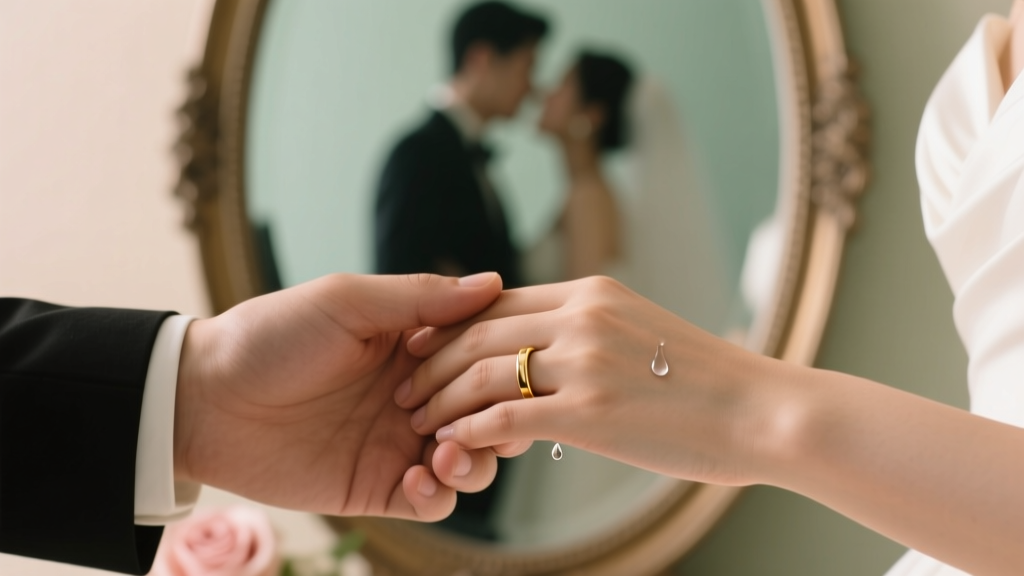
What to Write in Wedding Vows That Make Everyone Cry
What to Write in Wedding Vows That Make Everyone Cry
You’ve probably seen it: a room full of guests quietly dabbing their eyes while the couple reads vows that feel so personal, so honest, that even the toughest uncle suddenly needs a tissue. If you’re writing your own vows, it’s natural to wonder what those couples put on the page—and how to create the same emotional impact without sounding like you’re performing a monologue.
The good news is you don’t need to be poetic or dramatic to write wedding vows that make everyone cry. You just need to be real, specific, and brave enough to say the tender parts out loud.
Q: What should I write in wedding vows that make everyone cry?
A: Write vows that combine specific memories, plain-language feelings, and meaningful promises. The “cry factor” comes from truth: a short story only your partner would recognize, a line that reveals what they’ve healed in you, and vows that show you understand what marriage actually asks of you—on ordinary Tuesdays, not just on your wedding day.
Q: Why do some vows make everyone emotional?
People cry at weddings for a lot of reasons—nostalgia, family dynamics, sentimental music—but vows hit differently because they’re the emotional center of the ceremony. The most moving vows usually do three things:
- They’re specific. Guests can picture the moment, and your partner feels seen.
- They’re vulnerable. Not cringe-oversharing—just honest about what love has meant for you.
- They’re grounded. They include real promises, not only compliments.
As wedding officiant Mariah J., who’s led over 200 ceremonies, puts it: “The vows that land hardest are the ones where a couple stops trying to impress the room and starts talking to one person.”
Q: What exactly should I include? (A simple vows blueprint)
If you want emotional wedding vows without getting lost, follow this easy structure. It’s modern, clear, and works for short vows or longer personal vows.
-
Start with a truth about your partner (1–2 sentences).
Example:I knew you were different the first time you asked a follow-up question—and actually listened to the answer.
-
Share one memory that proves it (2–4 sentences).
Choose a moment of kindness, steadiness, or support—not just a highlight reel vacation story.
Example:When my dad was in the hospital, you didn’t try to fix it. You brought food, sat on the couch with me, and stayed until I fell asleep.
-
Name what you’ve learned about love because of them (1–3 sentences).
Example:You taught me that love can be calm. That it can sound like laughter in the kitchen and still be the strongest thing in the room.
-
Make 3–6 specific promises (the actual vows).
Think of everyday marriage: communication, conflict, family, mental health, finances, intimacy, adventure, aging. -
End with a simple “always” (1 sentence).
Example:I choose you in the big moments, and I choose you in the small ones, for the rest of my life.
Q: What kind of promises make people cry?
Guests tear up when vows sound like a safe place. The most emotional wedding vow examples tend to include promises that feel protective, practical, and deeply personal.
- Promises that show you know their inner world.
I promise to notice when you’re quiet, and to ask what you need instead of assuming.
- Promises that speak to hard seasons.
I promise to stay curious about you, especially when life is heavy and we’re tired.
- Promises that are delightfully specific.
I promise to make your coffee the way you like it—and to learn new ways to love you as you change.
- Promises that repair old stories.
I promise we will never fight to win. We’ll fight to understand.
Wedding planner Devon L. shares a trend he’s seeing: “Couples are moving away from generic vows and leaning into ‘micro-promises’—tiny, real commitments. Those are the lines guests repeat afterward.”
Q: Traditional vows vs. modern vows—what’s more emotional?
Both can be tear-worthy. The difference is how you personalize them.
Traditional approach (faith-based or classic wording)
Traditional vows can be incredibly moving because they carry history and gravity. If you’re using classic lines like “for better or worse,” make them yours by adding a short personal statement before or after.
Example add-on: When we say “for worse,” I’m thinking of the nights anxiety steals your sleep. I’m not afraid of those nights. I’m here.
Modern approach (personal vows you write yourselves)
Modern vows often feel more intimate and conversational. They work especially well for couples who want a non-religious ceremony, a backyard wedding, or a small micro-wedding where guests can really hear every word.
Example modern line: I love you in the way you check the doors at night, the way you text my mom back, and the way you believe we can figure things out.
Hybrid approach (best of both)
This is one of the biggest current wedding trends: couples keep a traditional framework for the ceremony while writing a short personal vow section. It’s also a great etiquette move when families have different expectations.
“We did the classic vows for our parents and wrote private vows for each other during our first look,”
says newlywed Brianna S. “At the ceremony, we read a shorter version—still personal, but not all our inside stuff. Everyone cried anyway.”
Q: How personal is too personal? (Modern etiquette and boundaries)
If your goal is “make everyone cry,” it can be tempting to share everything. A helpful rule: aim for intimate, not exposing.
- Skip details about exes, bedroom specifics, or anything your partner wouldn’t want shared with your grandparents.
- Avoid jokes that could embarrass them (bathroom humor, “you used to be a mess,” etc.).
- Do include private meaning in a public-friendly way: hint at the story without telling every detail.
One more etiquette note: keep the length respectful. For most ceremonies, 60–90 seconds per person is the sweet spot. If you love writing, 2 minutes is fine—just match each other.
Q: What are actionable tips to write tear-jerking vows (without sounding cheesy)?
- Write it like a letter, then edit it into vows. The first draft should be honest. The second draft shapes it for a ceremony.
- Use “you” more than “I.” Guests cry when they hear your partner being truly recognized.
- Pick one theme. “You make me feel safe,” “We laugh through everything,” “You taught me home.” Build around that.
- Include one surprise detail. A small moment no one else saw: a note they left, a habit, a quiet act of love.
- Practice out loud. If you stumble over a line, simplify it. The most emotional vows are easy to say through tears.
- Bring a printed copy. Large font. Double spaced. Paper—not a phone—so you’re not scrolling mid-cry.
Q: What if we have different writing styles or one of us hates public speaking?
This is common. You have options that still create emotional vows:
- Use the same template. Agree on number of promises and overall length. You can still sound like yourselves.
- Write private vows. Read them during a first look or in a quiet moment after the ceremony, and use shorter repeat-after-me vows publicly.
- Have the officiant read a letter. You write it, they deliver it, and you say “I do” to the promises.
- Do shared vows. You write one set together and alternate lines. It’s sweet, modern, and takes pressure off.
Q: What are common edge cases couples worry about?
“What if I cry too much to finish?”
Totally normal. Pause, breathe, and keep going. Tell your officiant ahead of time they can step in if needed. Also: shorter vows are easier to deliver when you’re emotional.
“What if our vows don’t match in tone—one funny, one serious?”
Agree on a ratio, like 80% heartfelt / 20% light. Humor is great when it’s warm and admiring, not roast-style.
“We’re doing a destination wedding / micro-wedding. Do vows change?”
Smaller weddings tend to feel more intimate, so personal vows land even harder. For destination weddings, consider cultural sensitivity if you’re incorporating local traditions or religious elements—keep vows focused on your relationship, not performance.
“Can we mention kids, stepkids, or blending families?”
Yes—and it’s often one of the most tearful moments. Keep it respectful and promise-based.
Example: I promise to love your children with patience and consistency, and to build a home where they always feel safe.
“Is it okay to use a quote or a line from a song?”
One short quote is fine, especially if it’s meaningful and not overused. Balance it with your own words so it doesn’t feel copied.
Conclusion
Wedding vows that make everyone cry aren’t about perfect writing. They’re about making your partner feel unmistakably known—through one true story, a few brave sentences, and promises that sound like real life. If your vows are specific, kind, and honest, the room will feel it. And if your voice shakes while you read them? That’s not a mistake. That’s the moment working exactly as it should.
More Articles
 Wedding Ring Finger: Global Truths & Cultural Exceptions
 Wedding Day Makeup: Your Skin, Your Rules (2026)
 Jeff Bezos Wedding Guests: The Real Number (2026)
 Wedding Lehenga: History, Styles, Fabrics & Fitting Tips
 Hobby Lobby Wedding Registry? No — Best Alternatives (2026)
 Walnuts in Mexican Wedding Cookies: Truth & Variations
 Wedding Ring Placement: In Front or Behind Engagement Ring?
 Four Weddings and a Funeral on Netflix? (2026)
 Engagement Ring or Wedding Band? (2026)
 First Dance History: Medieval Origins Revealed