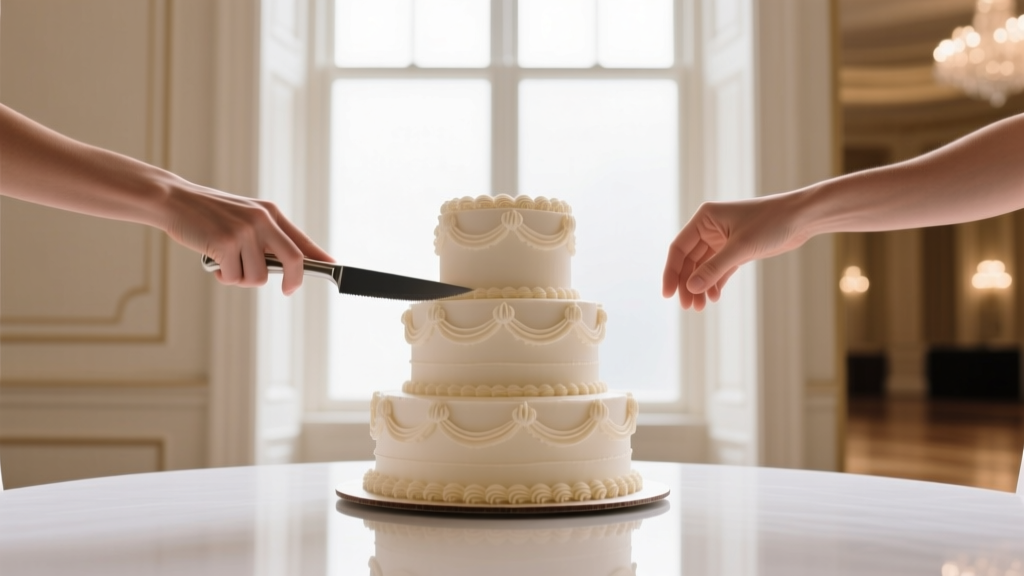
Why Do Couples Have a Cake Cutting Ceremony
Why Do Couples Have a Cake Cutting Ceremony?
If you’ve been to a few weddings, you’ve probably noticed the cake cutting moment is almost always on the schedule—sometimes with a drumroll from the DJ and cameras flashing, other times as a quick, sweet pause before the dance floor gets busy. It’s one of those traditions many couples include without thinking twice… until you’re planning your own wedding and wondering, “Do we actually need to do this?”
This question matters because the cake cutting ceremony is both symbolic and practical. It can affect your reception timeline, photography, catering flow, and even whether your guests feel like dessert is coming (or if they should hit the donut wall early).
Quick answer: Why do couples cut the cake?
Couples have a cake cutting ceremony because it’s a traditional symbol of their first shared task as a married team and a simple, public way to celebrate hospitality—basically saying, “We’re sharing something sweet with the people we love.” Practically, it also signals to guests and the catering team that dessert service can begin.
Q: What does the cake cutting tradition symbolize?
A: At its heart, the wedding cake cutting ceremony is about partnership, prosperity, and generosity.
- Teamwork: Cutting the first slice together is a small, visible “we’re in this together” moment.
- Providing for each other: Feeding each other a bite is a nod to caring and support in marriage.
- Sharing with your community: The cake is traditionally a gift to guests—part celebration, part hospitality.
Wedding planner Talia Brooks of “Brook & Vine Events” puts it simply: “The cake cutting is one of the few traditions that’s both sentimental and functional. You get a meaningful photo, and you also kick off dessert service without having to make a big announcement.”
Q: Where did the cake cutting ceremony come from?
A: Like many wedding traditions, it’s evolved over time. Historically, wedding breads and cakes symbolized good fortune and fertility, and sharing them was believed to bring prosperity. Over generations, that shifted into the modern tiered wedding cake—and the couple cutting it together became a highlight.
These days, you don’t need to know the full history to enjoy the moment. You just need to decide what feels right for your relationship and your reception vibe.
Q: Is cake cutting still “required” at weddings?
A: No—and this is where modern wedding etiquette is refreshingly flexible. You can absolutely skip a formal cake cutting ceremony, especially if:
- You aren’t serving cake (hello, dessert bars, pies, or gelato carts)
- You’re having a micro-wedding or private dinner
- You’d rather spend that time mingling or dancing
- You’re doing a very short reception or brunch wedding
That said, many couples still include it because it’s a low-effort “moment” that guests understand and photographers can capture quickly.
Photographer Marcus Lee (who’s shot 200+ weddings) shares: “Even couples who say they don’t care about traditions often end up loving their cake photos. It’s one of the only times all eyes are on you, and you’re close together, laughing, and not rushing.”
Q: How do traditional and modern cake cutting ceremonies differ?
Traditional approach
A: The classic version happens after dinner and before dancing ramps up:
- DJ/band announces the cake cutting
- Couple cuts the first slice together
- Couple feeds each other a bite (optionally a gentle dab of frosting)
- Cake is then served to guests
This works well for formal weddings, ballroom receptions, or families who expect a few familiar wedding moments.
Modern approach
A: Modern couples often customize it:
- Private cake cutting: Done in the kitchen or a side room for intimate photos and less pressure.
- Sweetheart table cutting: A quiet, no-announcement moment while guests keep chatting.
- Alternative desserts: Cutting a stacked donut tower, a croquembouche, a cheese wheel “cake,” or a pie.
- Mini cakes or cupcakes: Still do a “cut” for symbolism, then guests grab their own desserts.
One recent Weddingsift couple, Jess & Amari, chose a private cake cutting because they didn’t like being the center of attention. “We did it right after sunset photos,” Jess says. “It was just us, our planner, and our photographer. It felt romantic, and nobody missed it because dessert still came out on time.”
Q: When should we schedule the cake cutting?
A: The best time depends on your reception timeline, but here are common options:
- After dinner, before dancing: A natural transition—guests are seated or nearby and paying attention.
- Before speeches: If you want to keep guests seated and engaged for a block of “programming.”
- Earlier than you think: If your crowd includes kids, older guests, or anyone leaving early, cutting the cake sooner ensures more people see it (and actually get dessert).
- Private moment anytime: You can do a private cake cutting whenever your photographer has good light and your coordinator can cue the catering team.
A helpful rule: if you want guests to watch, do it when they’re already gathered—right after dinner or right after your first dance. If you want it casual, do it quietly and focus on getting dessert out efficiently.
Q: Do we have to feed each other cake?
A: Not at all. Feeding each other is optional, and so is the “cake smash.” If you’ve seen frosting-on-the-face moments go wrong, you’re not imagining it—some couples genuinely dislike it, and it can create tension if one person thinks it’s funny and the other doesn’t.
Good etiquette: talk about it ahead of time and agree on a vibe. A sweet bite? A tiny playful dab? Or no feeding at all—just a kiss after the cut? All are normal.
As planner Talia Brooks says: “The most elegant cake cutting is the one that matches your personalities. Guests can tell when it’s forced.”
Q: What are current wedding trends around cake cutting and dessert?
A: A few trends are shaping how couples handle this tradition:
- Small display cake + sheet cake: Couples cut a pretty one-tier or two-tier cake for photos, while the kitchen serves sheet cake for ease and cost savings.
- Dessert experiences: Espresso carts, churro stations, boba bars, gelato, and late-night snacks mean cake isn’t always the star.
- Shorter formal timelines: Many receptions are more cocktail-style, with fewer “stop and watch” moments.
- Personalized flavors: Couples choose flavors they actually love rather than a traditional vanilla-almond default.
If you’re going modern, you can still keep the symbolic cake cutting ceremony—even if the “cake” is a tower of macarons or a heart-shaped vintage Lambeth cake that feels very 2026.
Actionable tips: How to make the cake cutting smooth (and photo-friendly)
- Tell your photographer and DJ the exact timing: Even a 10-minute mismatch can mean missed photos.
- Ask your caterer where the cake knife will be: Confirm who brings it out and who plates the first slice.
- Cut a slice you can actually remove: Many couples do a quick “photo cut,” then the baker/caterer handles the real slicing in back.
- Choose a good spot: Avoid placing the cake in a dark corner. Good light + space for guests to gather makes a huge difference.
- Decide your feeding plan: Sweet bite, no bite, or playful dab—agree in advance to avoid awkward surprises.
- If you’re skipping it, signal dessert another way: Have the DJ announce dessert is open, or place signage by the dessert table so guests don’t miss it.
Related questions couples often ask
Q: What if we don’t like cake?
A: You can still have a cutting ceremony with something else: pie, cheesecake, a croquembouche, stacked brownies, or even a wheel of cheese for a savory “cake.” Guests care more about having a dessert option than whether it’s traditional cake.
Q: What if we’re having a very small wedding?
A: For a micro-wedding, a formal announcement can feel like overkill. A quiet cut at your table is often perfect—still meaningful, but not a performance.
Q: Do we need a cake cutting song?
A: Not required. Some DJs add a short musical cue, but you can keep it simple. If you do choose a song, pick something light and short—30–60 seconds is plenty.
Q: What if our venue doesn’t allow outside cake?
A: Many venues have an in-house pastry team or require approved vendors. You can still do the cake cutting ceremony—just plan early, ask about cake cutting fees, and confirm whether they provide the knife, plates, and serving staff.
Conclusion: The real reason couples cut the cake
The cake cutting ceremony lasts only a couple of minutes, but it carries a lot of meaning: partnership, sweetness, and sharing your celebration with the people who showed up for you. Keep it traditional if it makes you happy, modernize it if that fits your style, or skip the spotlight entirely and just serve dessert well.
The “right” choice is the one that feels natural for you as a couple—and keeps your guests happily fed.
More Articles
 White Wedding Dress Origins: The Real Story (2026)
 Super Bowl Halftime Wedding: Real or Fake? (2026)
 60th Wedding Anniversary Gift: What It Really Is (2026)
 Invite Boss to Wedding? Reddit’s Top 7 Rules (2026)
 Wedding Soup Calories: Homemade vs Restaurant (2026)
 Did MTV Pay for Deena’s Wedding? (2026)
 Are Weddings Religious? The Truth Behind Your Ceremony
 Who Should Give the Welcome Toast at the Reception
 Queen Victoria’s Wedding Dress: The White Myth & Legacy
 Can Boat Captains Officiate Weddings? (2026)