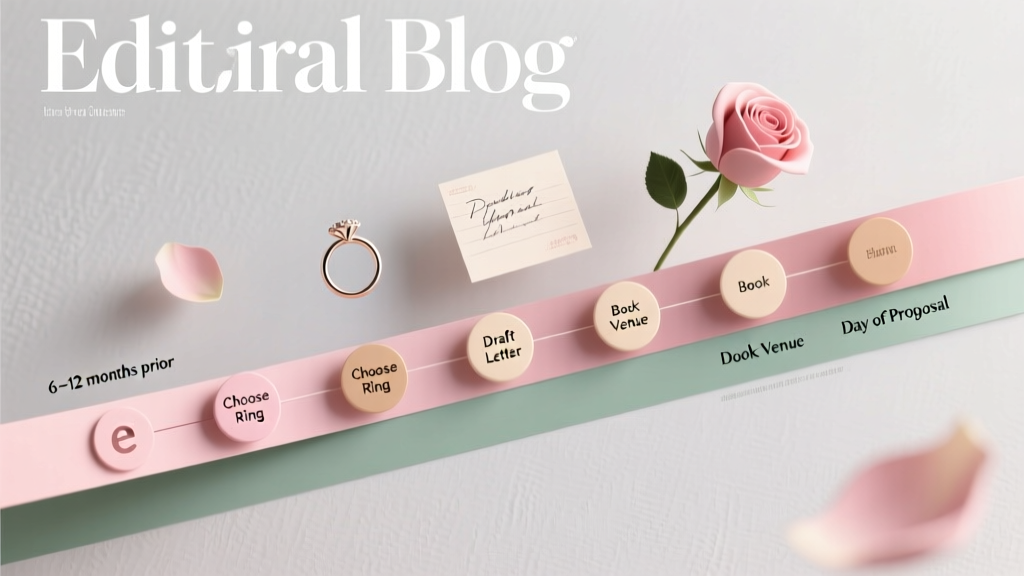
Proposal Planning Timeline When to Start Preparing
There’s a special kind of electricity that shows up when you realize: I’m really going to ask. Suddenly, the everyday moments—coffee runs, shared playlists, late-night talks—feel like they’re quietly lining up behind you, cheering you on. Planning a marriage proposal isn’t just about one perfect question. It’s about creating a memory that feels unmistakably like the two of you.
And here’s the comforting truth: you don’t need a movie-sized budget or a choreographed flash mob to pull off a meaningful engagement. You need time—enough time to think, plan, and personalize—so you can stay present when the moment arrives. A proposal planning timeline helps you avoid last-minute panic, protect the surprise, and focus on what matters: your partner’s heart.
If you’re wondering when to start preparing, the answer depends on your vision. A quiet proposal at home can come together in a couple of weeks. A destination proposal or a family-involved engagement plan may need months. Below is a practical, romantic timeline you can adjust to your style.
How Far in Advance Should You Plan a Proposal?
Most proposals fall into three planning windows:
- 2–4 weeks: Perfect for intimate, simple plans—home proposals, a favorite date-night spot, or a meaningful walk.
- 1–3 months: Best for coordinating vendors (photographer, musician), scouting locations, or planning a weekend getaway.
- 3–6+ months: Ideal for destination proposals, peak-season travel, holiday engagements, or anything involving family travel and permits.
A good rule: plan far enough ahead that you can book what you need and still keep the proposal a surprise. If your partner loves details and sensing changes, give yourself more lead time so you’re not scrambling and acting suspicious.
The Proposal Planning Timeline (Step-by-Step)
8–12 Weeks Before: Start with the “Why” and the Vibe
Before you choose a location or ring box, choose the feeling. Do you want the proposal to be private and tender, or joyful and shared? Romantic and elegant, or playful and adventurous?
- Write down three words that describe your relationship (example: “cozy, honest, goofy”). Build the proposal around that.
- Decide on an audience: just the two of you, a hidden photographer, or friends and family present.
- Pick a meaningful “anchor”: a first date spot, a favorite trail, a family home, a city you love, or a shared tradition.
Trend meets timeless: “Experience proposals” are huge right now—think weekend getaways, private dining moments, scenic hikes with a photographer waiting at the overlook. Timeless gestures still win hearts: a heartfelt speech, a handwritten letter, and a setting that reflects your story.
Real scenario: Priya knew her partner dreaded public attention. She planned a “Sunday morning proposal” at home: fresh pastries, their playlist, and a small photo book of their year together. It was simple, private, and deeply personal—exactly their style.
6–8 Weeks Before: Ring Decisions + The Secret Logistics
If you’re buying an engagement ring, this is the sweet spot for browsing and ordering (especially if you want resizing, engraving, or a custom design). If you’re proposing with a placeholder ring and choosing together later, you can shift your timeline shorter.
- Confirm ring size quietly: borrow a ring they wear on the correct finger (or a close one) for sizing, or ask a best friend/sibling to help.
- Decide on the proposal style: surprise proposal, semi-surprise (they know it’s coming but not when), or planned together.
- Create a cover story: a “date night,” “work dinner,” “birthday plans,” or “weekend trip.” Keep it believable.
Practical tip: If your partner notices everything, don’t over-explain. Simple is less suspicious. Also, consider ring insurance once you purchase.
4–6 Weeks Before: Location Scouting and Backup Plans
This is when the dreamy Pinterest idea becomes a real, executable plan. Visit your location if possible. Check lighting, crowds, weather patterns, parking, and how you’ll actually get to the spot without stress.
- Outdoor proposal? Choose a primary location and a weather-safe backup nearby (a covered patio, a cozy café, a hotel balcony).
- Public place? Decide how to keep the moment intimate—pick off-peak hours, quieter corners, or a reserved area.
- Private venue? Book it now. Many proposal planners and photographers fill up quickly, especially during holidays.
Trend alert: “Golden hour proposals” remain popular for a reason—soft light, flattering photos, and a naturally cinematic feel. Another growing trend is a “day-of story”: a slow build with small surprises (a note at breakfast, a stop at a meaningful spot, then the proposal).
Real scenario: Mateo planned a rooftop proposal at sunset—but he also reserved a table inside the restaurant below. When unexpected wind picked up, he pivoted to the indoor spot with city views and still got that glowing, romantic moment.
2–4 Weeks Before: Photographer, Music, and Meaningful Details
If you want proposal photos, book a photographer now and share a clear plan. Many couples love the “hidden photographer” approach, followed by a mini engagement session afterward while emotions are fresh.
- Photographer cues: share your partner’s outfit expectations (“dressy date night”), your exact location pin, and a signal (like adjusting your watch) to mark the moment.
- Consider a personal touch: a short letter, a favorite dessert, a small bouquet, or a memory lane walk with photos clipped to string lights.
- Plan your words: you don’t need a script, but you do want intention. A few honest sentences can be more powerful than a long speech.
Personalization idea: Build the proposal around your partner’s love language. Words of affirmation? Write a letter. Acts of service? Plan the whole day thoughtfully. Quality time? A slow, unrushed evening. Gifts? A meaningful keepsake alongside the ring. Physical touch? Keep it close and private.
7 Days Before: Confirm, Rehearse, and Protect the Surprise
This week is about reducing stress. Confirm reservations, timing, and vendor arrival. Do a quick mental run-through: where you’ll stand, where the ring will be, what happens right after.
- Ring safety: use a secure box, keep it in a zippered pocket, and avoid leaving it in a backpack without a plan.
- Outfit planning: encourage an outfit that matches the vibe—without making it obvious. (“Let’s dress up for dinner” is usually enough.)
- Phone readiness: charge it fully. If you’re using it for music, notes, or a photo cue, don’t risk 8% battery.
The Day Of: Stay Present, Not Perfect
Expect a few tiny curveballs—traffic, weather, a late reservation, a random crowd. Your partner won’t remember the small glitches. They’ll remember how you looked at them, what you said, and how safe and loved they felt.
- Build in buffer time so you’re not rushing or visibly stressed.
- Keep the ring accessible (not buried under five layers of clothing).
- Have a “just in case” line ready if you get flustered: “I’ve been waiting to tell you this…” can bring you right back.
Things to Consider: Timing, Location, Personalization, and Backup Plans
- Timing: Choose a moment when your partner won’t be exhausted, distracted, or under pressure. The best proposal timing often feels “normal but special.”
- Location: Meaning beats impressiveness. A familiar place can feel more romantic than a flashy venue if it’s tied to your story.
- Personalization: Include a detail only the two of you would understand—a phrase, a song, an inside joke, a shared ritual.
- Backup plans: Weather, crowds, and nerves are real. A Plan B protects the mood and keeps the proposal on track.
Common Proposal Mistakes to Avoid (and Early Engagement Pitfalls)
- Making it more about the performance than the person: If your partner hates attention, a public proposal can feel stressful instead of romantic.
- Overcomplicating the plan: Too many moving parts can pull you out of the moment. One meaningful setting + sincere words is a winning formula.
- Skipping the conversation about marriage: The proposal can be a surprise; the decision shouldn’t be. Make sure you’ve talked about the future, values, and the idea of getting engaged.
- Not thinking through “after”: Plan what happens next—celebration dinner, calling family, a quiet toast, or a mini engagement photo session.
- Forgetting ring logistics: Wrong size happens. Don’t panic. Have a plan for resizing and keep receipts/warranty info.
- Sharing the news in a rush: Right after getting engaged, take a few minutes alone together before phones come out. That private joy is priceless.
Conclusion: Your Moment, Your Story
A proposal planning timeline isn’t meant to box you in—it’s meant to free you up. When you give yourself enough runway to plan the engagement thoughtfully, you get to focus on the real magic: the way your partner’s face changes when they realize what’s happening, the shaky breath before “yes,” the new sense of “we” that settles in afterward.
Whether you’re planning a quiet at-home proposal, a scenic adventure, or a classic candlelit surprise, trust that the most unforgettable part will always be the intention behind it. Keep it personal, keep it doable, and leave room for real emotion.
If you’re gathering engagement inspiration, proposal ideas, and practical planning tips, explore more heartfelt guides on weddingsift.com—your next favorite proposal story might spark your own.
More Articles
 Proposal at a Sunken Garden Hidden Beauty
 How to Plan a Proposal at a Historic Fort
 Proposal During a Snow-Covered Village Winter Charm
 How to Plan a Proposal During the Holidays
 Proposal at a Lavender Maze Fun and Fragrant
 How to Propose After a Long-Distance Relationship
 What to Wear When You Propose Style Guide
 How to Plan a Proposal at a Secret Rooftop
 How to Plan a Proposal at a Rooftop Zen Garden
 How to Plan a Proposal at a Spa Resort