# 7 Things Nobody Tells You Before Buying a Plain Wedding Band
A plain wedding band sounds like the simplest purchase you'll ever make. No diamonds, no engravings, no fuss — just a ring. Yet thousands of couples walk out of jewelry stores with the wrong metal, the wrong width, or a price tag that didn't need to be that high. Here's what you actually need to know.
## 1. Metal Choice Matters More Than You Think
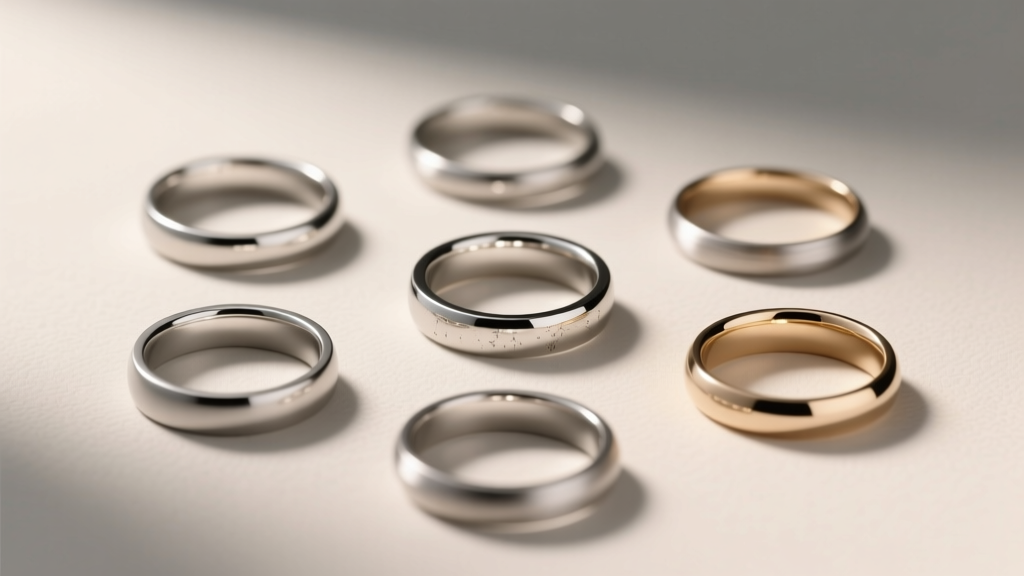
The most consequential decision in buying a plain wedding band isn't the price — it's the metal. Each option carries real trade-offs:
- **Platinum** is the most durable and hypoallergenic, but it scratches visibly and costs 40–60% more than white gold.
- **14k white gold** offers a bright finish and solid durability at a mid-range price, but requires rhodium replating every 1–2 years to maintain its color.
- **18k yellow gold** has a richer hue and is softer — beautiful, but more prone to dents for active wearers.
- **Tungsten and titanium** are extremely scratch-resistant and budget-friendly, but cannot be resized. Ever.
If you work with your hands or plan to wear the ring daily without removing it, prioritize hardness. If you have sensitive skin, platinum or titanium are your safest bets.
## 2. Width and Comfort Fit Change Everything
A 4mm band and a 8mm band look completely different on the finger — and feel different too. Wider bands tend to read as more masculine and bold; narrower bands feel delicate and understated. Neither is wrong, but try both before deciding.
More importantly: always ask for a **comfort fit** (also called a domed interior). Standard flat-interior bands can feel tight after hours of wear, especially in heat or after physical activity. Comfort fit bands have a slightly rounded inner edge that slides on and off more easily. The price difference is minimal — usually $20–$40 — and the daily comfort difference is significant.
## 3. Sizing Is Not a One-Time Measurement
Finger size fluctuates. It changes with temperature, time of day, diet, and age. The classic advice is to measure in the afternoon when fingers are at their average size — not first thing in the morning (smaller) or after a salty meal (larger).
For metals that can be resized (gold, platinum, silver), aim for a snug but comfortable fit. For metals that cannot be resized (tungsten, titanium, ceramic), consider ordering a half-size up to account for swelling. Many jewelers offer a one-time free resize within the first year — ask before you buy.
## 4. Where You Buy Affects Price More Than Quality
A plain 14k gold band from a mall jewelry chain can cost $400–$700. The same ring from an independent jeweler or a reputable online retailer like James Allen, Brilliant Earth, or even direct from a manufacturer can run $150–$300 for identical specifications.
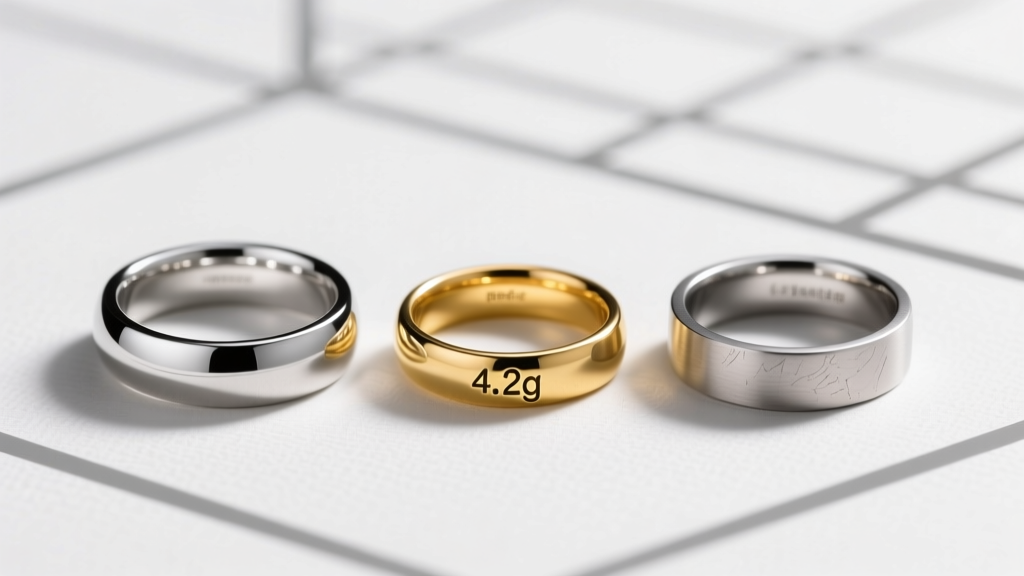
The markup at branded retail stores is substantial. For a plain band with no stones, you're paying for real estate and brand recognition, not craftsmanship. Compare gram weight and karat purity — those are the objective measures of value. A heavier ring in the same metal is simply worth more.
---
## Common Mistakes to Avoid
**Mistake #1: Assuming matching bands are required.**
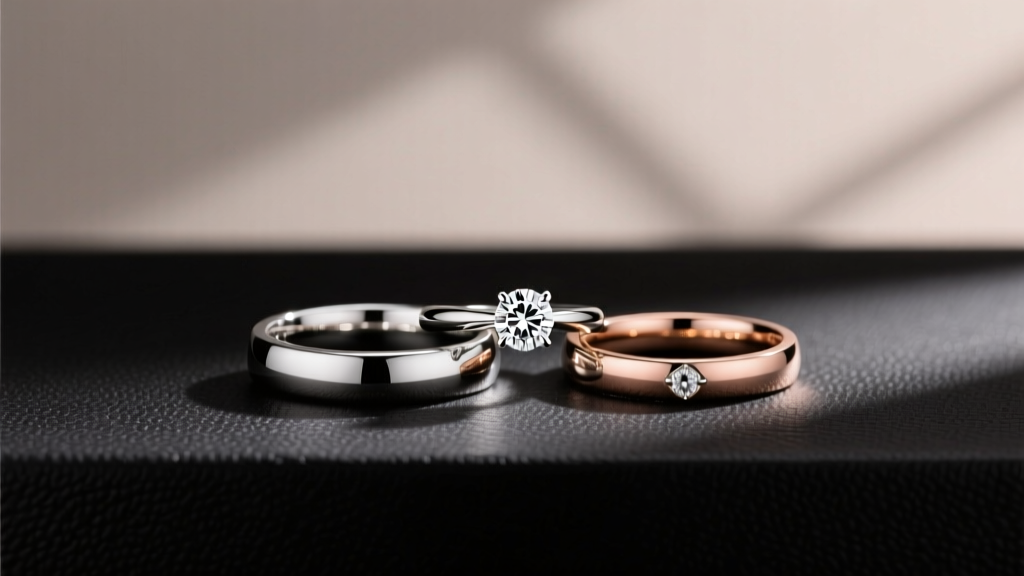
Many couples feel pressure to buy a matching set. In reality, your wedding band only needs to complement your engagement ring (if you have one) and suit your personal style. Mixing metals — say, a yellow gold engagement ring with a platinum band — is not only acceptable, it's increasingly popular. Don't let a salesperson upsell you on a set you don't need.
**Mistake #2: Buying too early or too late.**
Ordering a custom or engraved plain band typically takes 2–4 weeks. Off-the-shelf bands from major retailers can ship in days. The mistake is assuming all bands are immediately available and waiting until two weeks before the wedding — or, conversely, ordering six months out and not accounting for potential weight changes. Order 6–8 weeks before the wedding for custom work; 2–3 weeks for standard styles.
---
## The Bottom Line
A plain wedding band is a daily-wear piece of jewelry you'll own for decades. The simplicity of its design doesn't mean the purchase decision is simple. Metal, width, fit, sizing, and where you buy all have meaningful impact on how much you spend and how happy you'll be five years from now.
Take 30 minutes to try on different widths and metals at a local jeweler — even if you plan to buy online. Know your non-negotiables (hypoallergenic? resizable? scratch-resistant?), set a realistic budget, and compare at least three sources before committing.
The right plain wedding band is out there. You just need to know what questions to ask.
 Men's Wedding Ring Weight: Platinum, Gold & Titanium (2026)
 How to Match a Wedding Band to an Engagement Ring
 Jewelry Buyer Guide: What to Know First
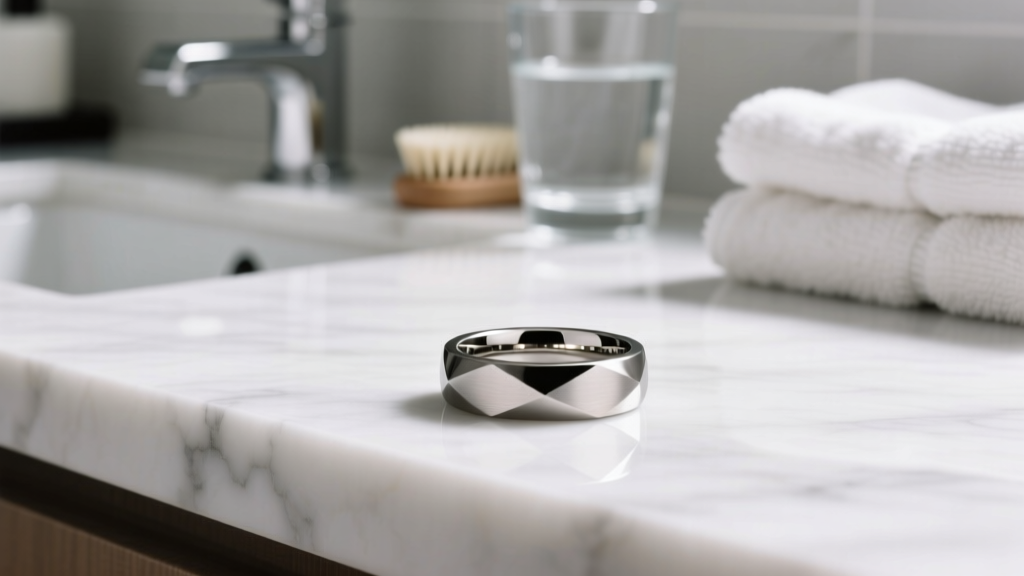 How to Clean a Tungsten Wedding Ring Safely
 How to Clean Gold Wedding Rings at Home
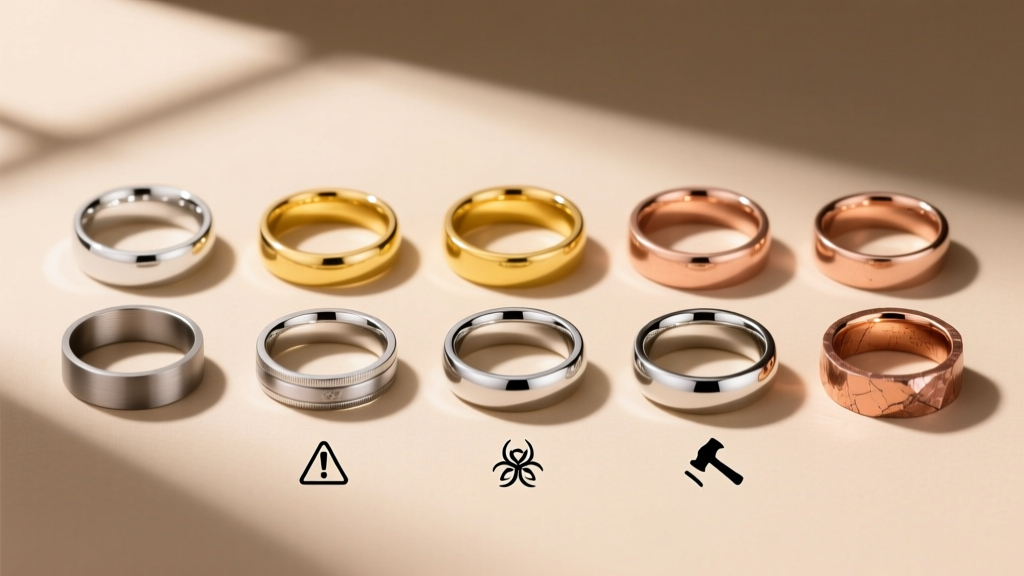 What Are Wedding Bands Made Of? (2026)
 Wedding Ring vs Engagement Ring: Key Differences
 Does The Wedding Band Go Inside Or Outside (2026)
 3-Carat Engagement Ring Cost: What It Really Takes
 Antique Wedding Rings What to Look for When Buying