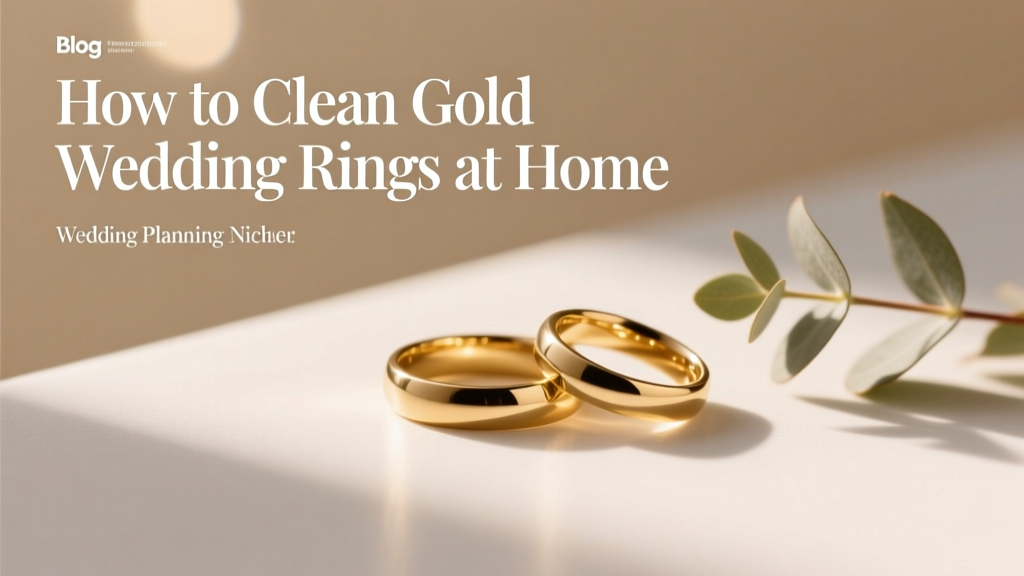
How to Clean Gold Wedding Rings at Home
Your wedding ring is the one piece of fine jewelry you’ll wear through everything: handwashing, cooking, travel, workouts, vacations, and everyday life. Over time, even the most brilliant gold wedding band or diamond engagement ring can look dull—not because the gold “goes bad,” but because lotions, soap residue, skin oils, and everyday grime build up and block the light that makes metal shine and gemstones sparkle.
Learning how to clean gold wedding rings at home keeps them looking crisp and bright between professional checkups. It also helps you spot early warning signs like loose prongs, thinning bands, or worn settings—especially important for popular styles like pavé bands, halo engagement rings, and delicate micro-prong settings that can snag or loosen over time.
This guide breaks down safe, jeweler-approved home cleaning methods for yellow gold, white gold, and rose gold wedding rings, plus extra care for diamonds and other gemstones. You’ll also get buying and value tips for couples shopping for engagement rings and wedding bands, so your ring stays beautiful for decades.
Know Your Ring Before You Clean: Gold Types, Plating, and Settings
Gold purity (karats) and what it means for cleaning
Gold wedding rings are typically 10K, 14K, or 18K. The karat number tells you how much pure gold is in the alloy:
- 10K gold: More durable due to higher alloy content; can be slightly less rich in color. Good for active lifestyles.
- 14K gold: The most common choice for engagement rings and wedding bands—excellent balance of durability and color.
- 18K gold: Higher pure gold content means a richer color and slightly softer metal; can show wear a bit faster with daily use.
Higher karat gold isn’t “harder to clean,” but it can scratch more easily, so use softer tools and avoid harsh abrasives.
White gold vs. yellow gold vs. rose gold
- Yellow gold: Classic and timeless; pairs beautifully with warm-toned gemstones and vintage-inspired settings.
- White gold: Usually plated with rhodium for a bright, silvery finish. Cleaning is safe at home, but the rhodium plating can wear over time and may need re-plating.
- Rose gold: Trend-forward but also a modern classic; its copper content creates the pink hue. It’s generally durable, but avoid harsh chemicals that can affect surface luster.
Settings and craftsmanship details that affect cleaning
The more intricate the ring, the more carefully you’ll need to clean it. Details that trap buildup include:
- Pavé and micro-pavé (small diamonds set closely together)
- Halo settings (a ring of small stones around a center stone)
- Cathedral settings (arches of metal that lift the center stone)
- Filigree, milgrain, and engraved patterns (popular in vintage styles)
- Bezel settings (metal rim around a stone; secure but can collect residue at edges)
If your ring has multiple stones or delicate prongs, focus on gentle methods and avoid aggressive brushing.
The Best Way to Clean Gold Wedding Rings at Home (Jeweler-Approved)
What you’ll need
- A small bowl
- Warm water (not hot)
- Mild dish soap (grease-cutting, no bleach)
- A soft toothbrush (baby toothbrush is ideal)
- A lint-free microfiber cloth
- A fine-mesh strainer (optional but helpful)
Step-by-step cleaning for gold rings
- Mix the soak: Add a few drops of mild dish soap to warm water in a bowl.
- Soak: Place your gold wedding ring in the solution for 15–20 minutes. This loosens oils, lotion, and everyday grime.
- Brush gently: Use a soft toothbrush to clean around the underside of stones, prongs, and any grooves or engraving. Use light pressure—think “dusting,” not scrubbing.
- Rinse thoroughly: Rinse under warm running water. If your sink drain worries you, rinse over a bowl or use a fine-mesh strainer.
- Dry and buff: Pat dry with a microfiber cloth, then gently buff to restore shine.
This method works well for most gold engagement rings and wedding bands, including rings with diamonds (round brilliant, oval, cushion, emerald cut, and more) because diamonds are extremely hard and tolerate mild soap and water well.
Cleaning Gold Rings with Diamonds vs. Other Gemstones
Diamonds: safe and simple, but settings need attention
Diamonds (including lab-grown diamonds) can handle gentle home cleaning, but the setting is the real concern. Prongs can loosen over time, especially on higher-set solitaire rings and pavé bands. While brushing, check for:
- Snagging on fabric (a sign prongs may be lifted)
- A stone that looks tilted
- Rattling when you tap the ring lightly near your ear
If you notice any of these, stop wearing the ring until a jeweler can inspect it.
Softer or treated gemstones: use extra caution
Many engagement rings feature gemstones beyond diamonds, including sapphires (a timeless classic), rubies, emeralds, and trendy choices like morganite and opal. Cleaning rules vary:
- Sapphires and rubies (corundum): Durable and generally safe with mild soap and water.
- Emeralds: Often oil-treated and can be sensitive. Avoid long soaks and skip ultrasonic devices.
- Morganite: Can look cloudy from residue; gentle soap cleaning helps, but avoid harsh chemicals.
- Opal and pearl: Very delicate. Avoid soaking; wipe with a barely damp soft cloth and dry immediately.
If you’re not sure what gemstone you have, treat it as delicate and use the gentlest approach.
What to Avoid: Common Home Cleaning Mistakes
- Harsh chemicals: Avoid bleach, chlorine, acetone, and abrasive cleaners. Chlorine can damage gold alloys and weaken prongs over time.
- Toothpaste or baking soda scrubs: These can scratch gold, especially high-polish finishes and softer 18K gold.
- Boiling water: Sudden temperature changes can stress some gemstones and settings.
- Ultrasonic cleaners at home: They can loosen stones, especially in pavé, halo, and older rings. Many jewelers use ultrasonics carefully after inspecting settings first.
- Paper towels: Some are abrasive enough to create micro-scratches; use microfiber instead.
How Often Should You Clean a Gold Wedding Ring?
For most couples, a simple schedule keeps rings looking their best:
- Quick at-home clean: Every 1–2 weeks if you wear your ring daily.
- Extra clean after heavy buildup: After beach trips, sunscreen use, gardening, or heavy cooking.
- Professional cleaning and inspection: Every 6–12 months. This is where prongs get checked and stones are tightened if needed.
Trend-wise, many modern engagement rings feature thinner bands, elongated shapes (oval and emerald cut), and pavé details. These styles look stunning but benefit from consistent maintenance and inspections.
Everyday Care Tips to Keep Gold Rings Shiny Longer
- Remove rings for chemicals and chores: Cleaning products, pool chlorine, and gardening can dull metal and stress settings.
- Apply lotions and perfumes first: Let them absorb, then put rings on to reduce film buildup.
- Store safely: Keep rings in a soft pouch or jewelry box compartment to prevent scratches—especially important for stacking wedding bands, a popular current trend.
- Be mindful of the gym: Weightlifting can bend prongs or misshape softer gold. Silicone workout bands are a good alternative.
Buying and Value Tips: Choosing Gold That’s Easier to Maintain
Durability vs. luxury feel: 14K vs. 18K
If you’re deciding between 14K and 18K gold for an engagement ring or wedding band, think lifestyle first. 14K gold is the go-to for daily wear because it resists scratching better. 18K gold offers a richer color and premium feel, but may show wear sooner, especially with high-polish finishes.
White gold and rhodium plating costs
White gold engagement rings look crisp and bright, especially with colorless diamonds and modern minimalist settings. Over time, rhodium plating can fade, revealing a warmer tone underneath. Re-plating costs vary by region and ring complexity, but a common range is $50–$150 for many rings, sometimes more for intricate pieces.
Setting choice: beauty vs. maintenance
- Solitaire (timeless classic): Easier to clean and inspect.
- Bezel (modern and secure): Great for active lifestyles; cleans well but needs attention around edges.
- Pavé/halo (sparkle-forward trend): More cleaning time and more frequent inspections.
Price range considerations for cleaning and upkeep
Home cleaning is inexpensive, but long-term maintenance should factor into your budget:
- Basic at-home care: Typically under $15 for soap, microfiber cloths, and a soft brush.
- Professional clean/inspect: Often free with a purchase from many jewelers, or roughly $25–$75 per visit elsewhere.
- Polishing: Light polishing may cost $50–$150, depending on detail and whether scratches are deep.
- Prong retipping or repair: Can range widely ($50–$300+) based on how many prongs and the complexity of the setting.
Value tip: a ring with excellent craftsmanship—clean prong work, secure stone setting, smooth edges, and balanced proportions—often costs a bit more upfront but saves money and worry over time.
Common Mistakes to Avoid When Shopping for Gold Wedding Rings
- Choosing ultra-thin bands without considering wear: Delicate bands look elegant (a current trend), but very thin shanks can bend over time, especially in 18K gold.
- Ignoring the underside design: A high-set or intricate gallery can trap residue. If you want low-maintenance sparkle, consider simpler galleries or bezel settings.
- Not asking about plating and upkeep: If you love white gold, plan for rhodium maintenance.
- Assuming all gemstones clean the same way: Diamonds and sapphires are hardy; emeralds, opals, and pearls are not.
- Skipping inspections: A clean ring isn’t always a secure ring. Tiny stones in pavé settings are especially worth checking regularly.
FAQ: Cleaning Gold Wedding Rings at Home
Can I clean my gold wedding ring with vinegar?
It’s better to avoid vinegar for routine cleaning. While mild vinegar solutions can remove some tarnish on certain metals, it’s not ideal for gold alloys and can be risky for softer or treated gemstones. Stick with warm water and mild dish soap for safe, consistent results.
Why does my diamond ring look cloudy even after cleaning?
Cloudiness is usually residue (lotion, soap film, hairspray) trapped under the stone or along the pavilion and prongs. Soak a bit longer, brush the underside gently, and rinse thoroughly. If it still looks cloudy, a jeweler may need to remove heavy buildup or check for damage like a chipped stone or worn plating on white gold.
Is it safe to use a jewelry polishing cloth on gold rings?
Yes, a non-abrasive polishing cloth is generally safe for plain gold bands. Avoid aggressive polishing on rings with intricate engraving, milgrain edges, or pavé stones, since cloth fibers can catch prongs and you may round off crisp details over time.
Can I shower or swim with my gold wedding ring?
Showering can leave soap film that dulls gold and diamonds. Swimming—especially in chlorinated pools—can be harsher and may weaken alloys and prongs over time. For best long-term shine and security, remove your ring before swimming and consider removing it for frequent showers.
How do I clean a white gold ring without damaging the rhodium plating?
Use the same gentle soap-and-water method and avoid abrasive scrubs. Rhodium plating wears from friction, not from mild soap. When the ring starts looking warmer or slightly yellowish, it’s usually time for professional re-plating.
Next Steps: Keep Your Gold Ring Bright for a Lifetime
For most gold wedding rings, the best home cleaning method is simple: warm water, mild dish soap, a soft brush, and a microfiber cloth. Pair that routine with smart daily habits—removing rings for chemicals and workouts, storing them properly, and scheduling professional inspections—and your engagement ring and wedding band can stay as radiant as the day you said yes.
If you’re still comparing yellow gold vs. white gold vs. rose gold, deciding between a solitaire and pavé setting, or shopping for a matching wedding band set, explore more expert jewelry guides on weddingsift.com to find the right ring and keep it looking its best.
More Articles
 Wedding Ring Tattoos Pros Cons and Alternatives
 How To Remove A Wedding Ring From A Swollen Finger
 Wedding Band Matching: 7-Step Visual Guide (2026)
 Lab-Grown vs Natural Diamonds: Honest 2026 Comparison
 Solder Wedding Rings Together? (2026 Guide)
 Wedding Ring on Middle Finger Meaning (2026)
 How Much Is an Old Wedding Ring Worth? (2026)
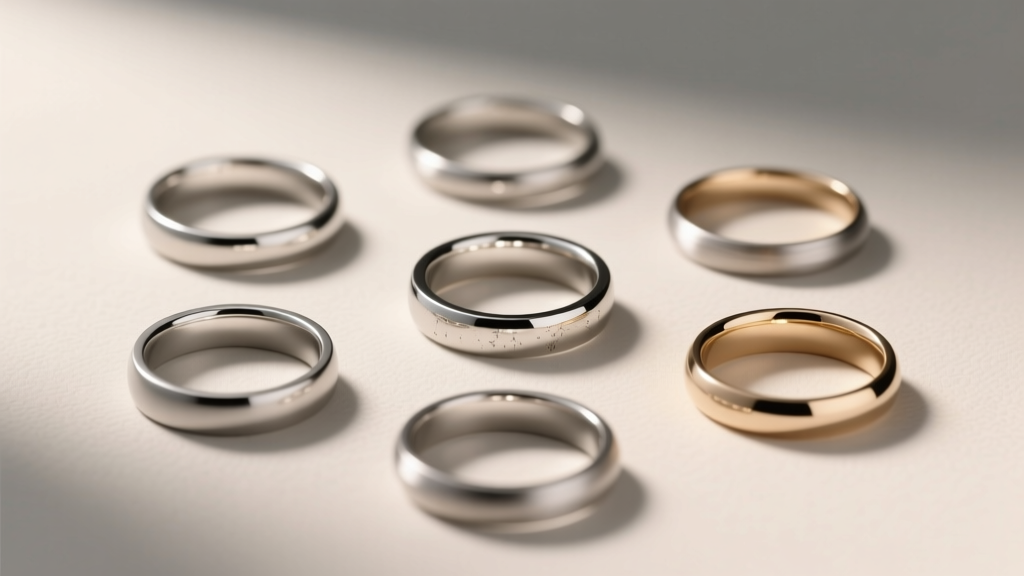 7 Things Nobody Tells You Before Buying a Plain Wedding Band
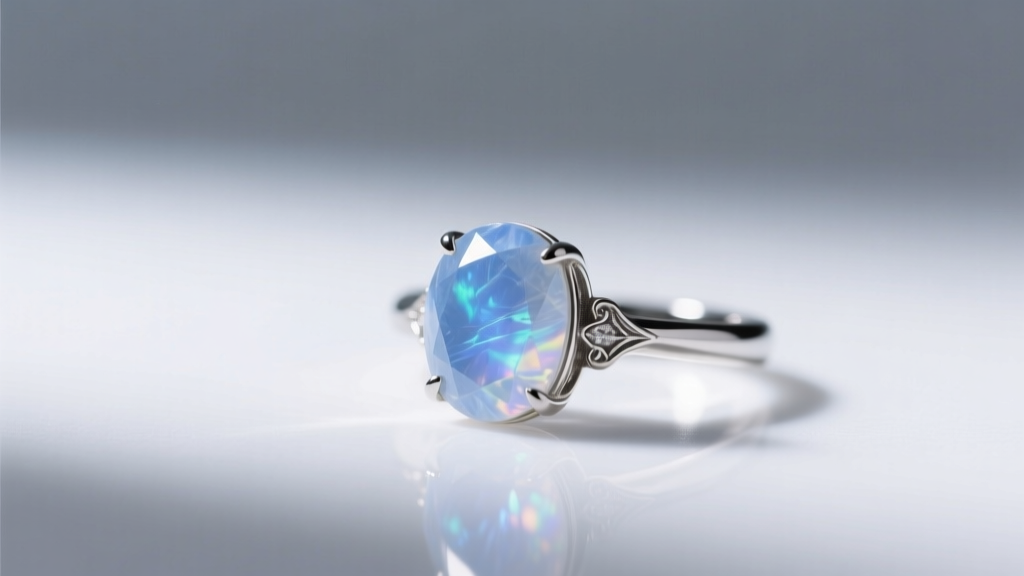 Moonstone Engagement Rings Mystical Blue Sheen
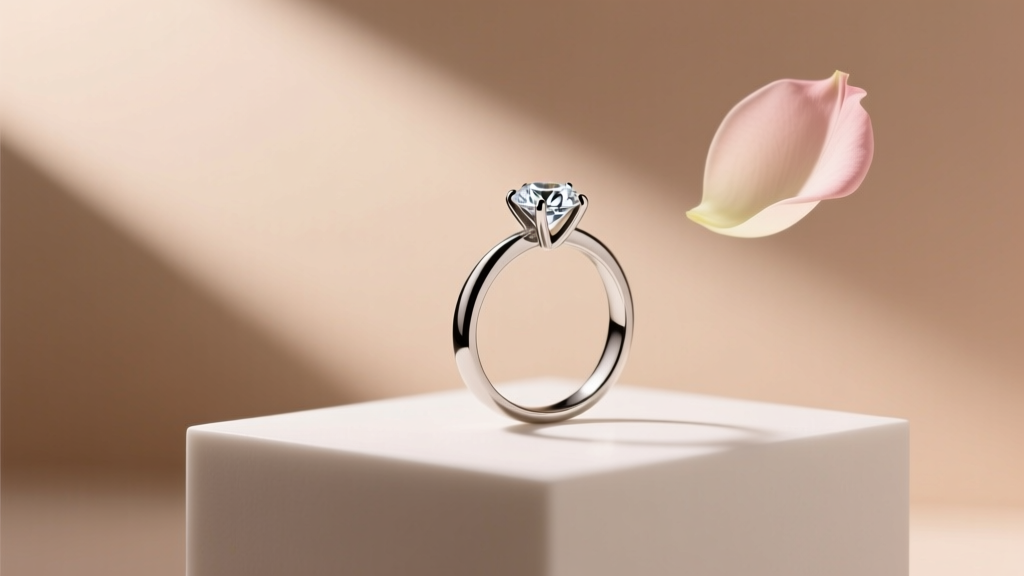 How to Choose an Engagement Ring With a Tension Setting