3-Carat Engagement Ring Cost: What It Really Takes
The cost of a 3 carat engagement ring typically ranges from $15,000 to over $100,000, depending on the diamond’s cut, color, clarity, and setting style. If you’ve been searching for how much is a 3 carat engagement ring with a high-quality center stone, this guide breaks down every pricing factor so you can make an informed decision without overspending.
Understanding the Average Cost of a 3 Carat Engagement Ring
A 3 carat engagement ring is considered a significant investment, both emotionally and financially. While the average price lands between $20,000 and $60,000 for a well-cut, near-colorless diamond with good clarity, prices vary widely based on several key factors. Some budget-friendly options start around $15,000 using lab-grown diamonds or lower clarity grades, while premium natural stones with flawless clarity and ideal cuts can exceed $100,000.
It’s important to understand that “carat weight” refers only to the size of the diamond, not its overall quality. Two 3 carat diamonds can differ drastically in appearance and value based on their grading characteristics. This means that simply knowing the carat size isn’t enough—you need to evaluate the full picture before making a purchase.
Key Factors That Influence the Price of a 3 Carat Diamond Ring
The final price of a 3 carat engagement ring depends on multiple variables. Understanding these will help you balance beauty, quality, and budget.
1. The 4Cs: Cut, Color, Clarity, and Carat
Developed by the Gemological Institute of America (GIA), the 4Cs are the universal standard for evaluating diamond quality. Each plays a crucial role in determining value.
- Cut: This refers to how well a diamond is proportioned and polished to maximize light reflection. An “Ideal” or “Excellent” cut enhances brilliance and can increase the price significantly. Poorly cut diamonds may appear dull, even if large in carat weight.
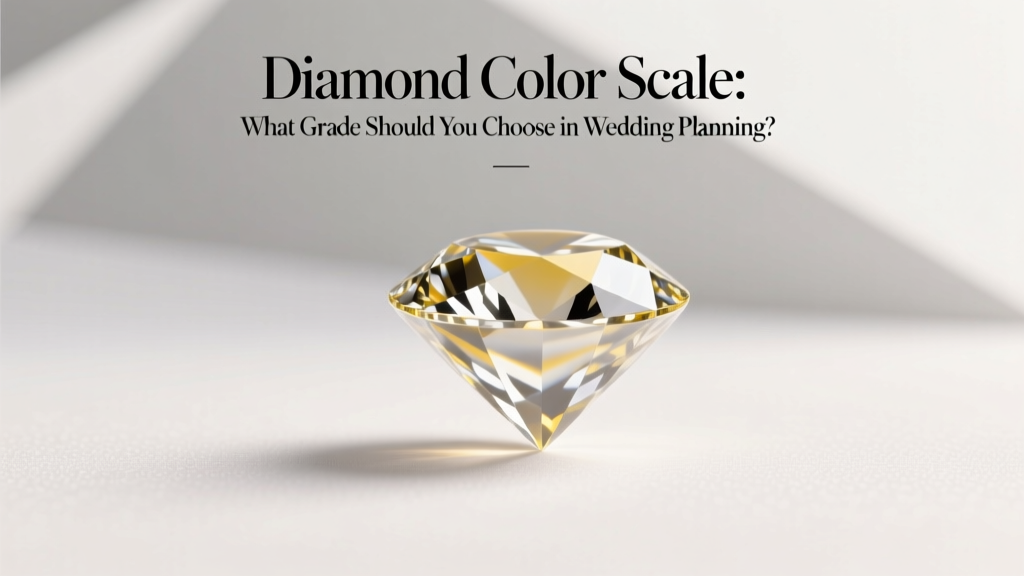
- Color: Diamonds are graded from D (colorless) to Z (light yellow or brown). For a 3 carat stone, color becomes more visible, so higher grades (D-F) command premium prices. Near-colorless grades (G-J) offer excellent value with minimal visible tint.
- Clarity: This measures internal flaws (inclusions) and surface blemishes. Flawless (FL) and Internally Flawless (IF) diamonds are rare and costly. For most buyers, VS1-VS2 clarity provides eye-clean appearance at a more accessible price point.
- Carat: While all three-carat stones weigh the same, their physical size and face-up appearance can vary due to cut proportions. A shallow cut may look larger but sacrifice sparkle.
2. Natural vs. Lab-Grown Diamonds
One of the biggest cost determinants is whether the diamond is natural or lab-grown. Both have identical chemical and optical properties, but lab-created stones are typically 30%–50% less expensive.
For example:
- A 3 carat, G-color, VS1-clarity natural diamond might cost $45,000–$60,000.
- The same specifications in a lab-grown diamond could cost $18,000–$25,000.
Lab-grown diamonds are increasingly popular among eco-conscious and budget-savvy couples. However, they currently have lower resale value than natural diamonds.
3. Setting Style and Metal Choice
The ring setting and band material also impact total cost. Common settings include solitaire, halo, three-stone, and pave. Halo settings, which surround the center stone with smaller diamonds, enhance perceived size and brilliance but add $1,000–$5,000 to the price.
Metal choices affect durability and aesthetics:
- Platinum: Durable, hypoallergenic, and naturally white. Adds $1,000–$2,500 compared to gold.
- 18K White Gold: Elegant and slightly less expensive than platinum. Requires rhodium plating every few years.
- 18K Yellow or Rose Gold: Warm tones that contrast beautifully with diamonds. Priced similarly to white gold.
4. Certification and Grading Report
Always insist on a GIA or AGS certification for natural diamonds. These reports verify the 4Cs and ensure authenticity. Uncertified stones may be cheaper, but they carry risk of misrepresentation. Reputable retailers like James Allen, Blue Nile, and Brilliant Earth provide high-resolution images and videos along with certifications.
Price Ranges by Quality Tier
To help you estimate costs, here’s a breakdown of typical price ranges for 3 carat engagement rings based on quality levels:
| Quality Tier | Diamond Specs | Setting Type | Estimated Price Range |
|---|---|---|---|
| Budget-Friendly | Lab-grown, H-I color, SI1-SI2 clarity | Halo in 14K gold | $8,000–$15,000 |
| Mid-Range | Natural, G-H color, VS1-VS2 clarity | Solitaire or halo in 18K gold | $20,000–$40,000 |
| Premium | Natural, D-F color, VVS1-VVS2 clarity | Custom halo or three-stone in platinum | $50,000–$80,000 |
| Luxury | Natural, D-E color, IF-FL clarity, Ideal cut | Bespoke design with accent diamonds | $90,000+ |
Where to Buy a 3 Carat Engagement Ring
Your choice of retailer affects price, selection, return policy, and customer support. Here are top options:
1. Online Retailers
Websites like James Allen, Blue Nile, and Brilliant Earth offer vast inventories, 360-degree views, and competitive pricing due to lower overhead. They often provide customization tools and financing plans.
- Pros: Better prices, wider selection, easy comparison.
- Cons: No in-person viewing; reliance on digital imagery.
2. Local Jewelers
Boutique stores allow you to see the ring in person, try on sizes, and build a relationship with a trusted jeweler. Some offer custom designs and repair services.
- Pros: Personalized service, immediate inspection, local support.
- Cons: Higher prices due to overhead; limited inventory.
3. Auction Houses & Private Sellers
Platforms like Sotheby’s or Christie’s occasionally feature high-end 3 carat diamonds at auction. Private sellers on forums or estate sales may offer discounts, but require third-party verification to avoid fraud.
Geographic and Market Influences
Prices can vary by region. In major U.S. cities like New York or Los Angeles, luxury brands charge premiums. In contrast, online global markets offer standardized pricing. International buyers should consider import taxes, VAT, and currency exchange rates when purchasing from U.S.-based vendors.
Additionally, market trends influence costs. Since 2020, demand for larger center stones has risen, especially for lab-grown diamonds. Natural diamond prices remain relatively stable, supported by limited supply.
Common Misconceptions About 3 Carat Rings
Several myths persist about large engagement rings:
- Myth: Bigger is always better. Reality: A poorly cut 3 carat diamond may look lifeless. Prioritize cut quality over size.
- Myth: All 3 carat rings cost six figures. Reality: With lab-grown stones or smart spec choices, you can find stunning rings under $20,000.
- Myth: You need a flawless diamond. Reality: Most inclusions in VS or SI clarity are invisible to the naked eye.
- Myth: Platinum is always the best choice. Reality: While durable, platinum scratches easily and develops a patina. Some prefer white gold for ease of maintenance.
Tips for Buying a 3 Carat Engagement Ring on a Budget
You don’t need to spend $100,000 to get a beautiful 3 carat ring. Consider these strategies:
- Choose a lab-grown center stone. Save up to 50% without sacrificing beauty.
- Select a slightly lower color or clarity grade. G-H color and VS2 clarity are excellent compromises.
- Opt for a halo setting. It makes the center diamond appear larger and adds sparkle.
- Buy a pre-owned or estate ring. Certified vintage pieces can offer significant savings.
- Negotiate with local jewelers. Many are willing to match online prices or include free engraving.
- Time your purchase. Holiday sales (e.g., Valentine’s Day, Black Friday) often bring discounts.
Resale Value and Long-Term Investment
Unlike most consumer goods, diamonds retain some value over time. However, resale value depends heavily on origin and certification.
- Natural GIA-certified diamonds typically retain 40%–60% of their original retail price.
- Lab-grown diamonds have minimal resale value due to falling production costs.
- Rarity factors like fancy colors (pink, blue) or historic provenance can increase long-term value.
If investment potential matters to you, focus on high-demand specs: D-F color, VVS+ clarity, and excellent cut.
Final Checklist Before Purchase
Before committing to a 3 carat engagement ring, verify the following:
- Is the diamond GIA or AGS certified?
- Have you viewed it under magnification and in different lighting?
- Does the setting complement the diamond’s shape and protect the prongs?
- What is the return policy and warranty coverage?
- Are there additional costs for resizing, insurance, or cleaning?
Always get an independent appraisal for insurance purposes, especially for rings over $20,000.
Frequently Asked Questions
How much should I realistically spend on a 3 carat engagement ring?
There’s no fixed rule, but most buyers spend between $20,000 and $50,000 for a high-quality natural diamond. Set a budget based on your financial situation, not social pressure.
Is a 3 carat diamond too big for an engagement ring?
Size preference is personal. A 3 carat diamond is large and eye-catching, suitable for those who love bold jewelry. Ensure the wearer’s lifestyle accommodates a prominent ring, as it may catch on fabrics or hinder certain activities.
Can I find a 3 carat engagement ring under $10,000?
Yes, but likely with a lab-grown center stone and simpler setting. Natural 3 carat diamonds under $10,000 are extremely rare and may compromise heavily on cut, color, or clarity.
Does a 3 carat ring automatically look more luxurious than smaller sizes?
Not necessarily. A well-cut 1.5 carat diamond can appear more brilliant than a poorly cut 3 carat stone. Design, symmetry, and craftsmanship matter more than size alone.
Should I insure my 3 carat engagement ring?
Yes. Given the investment, comprehensive jewelry insurance covering loss, theft, and damage is strongly recommended. Annual premiums typically range from 1% to 2% of the ring’s value.
More Articles
 Wedding Set Styling: 7-Step Guide (2026)
 Wedding Dress Shopping Guest Limit: 2–3 People
 Old Mine Cut Diamonds Antique Charm
 Claddagh Wedding Ring: Left vs. Right Hand Rules (2026)
 Champagne Diamond Warm Earthy Elegance
 Diamond Color Scale What Grade Should You Choose
 How to Choose the Perfect Engagement Ring for Her
 How to Clean Gold Wedding Rings at Home
 10K Wedding Ring Lifespan: Durability & Replacement Truth
 Engagement Ring Prong Types Security and Style Compared