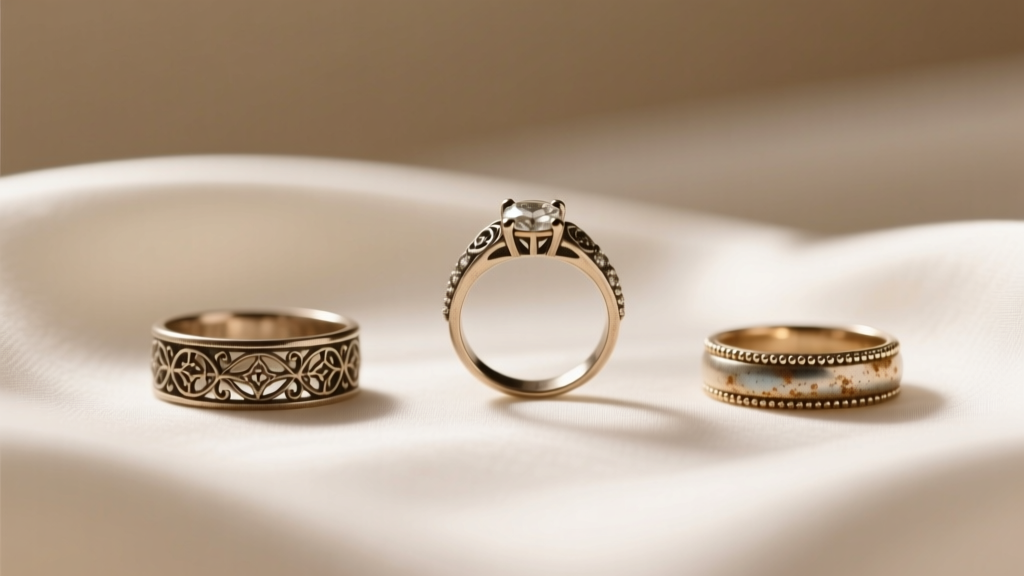
Antique Wedding Rings What to Look for When Buying
Antique wedding rings have a presence that’s hard to replicate. The hand-engraved details, softly worn edges, and distinctive stone cuts tell a story you can feel the moment you slip one on. For couples who want something different from the modern “cookie-cutter” look, antique engagement rings and vintage wedding bands offer craftsmanship, character, and genuine romance.
That said, buying antique jewelry isn’t the same as buying new. You’re not only choosing a style—you’re evaluating condition, authenticity, and whether the ring will hold up to everyday wear. With the right knowledge, you can find an antique ring that feels timeless, fits your lifestyle, and becomes a future heirloom.
This guide breaks down exactly what to look for when buying antique wedding rings, from eras and settings to gemstones, metals, pricing, and the most common mistakes to avoid.
What Counts as “Antique” vs. “Vintage”?
In jewelry, “antique” typically means a ring that is at least 100 years old. “Vintage” often refers to pieces that are 20–99 years old. You’ll also see “estate jewelry,” which simply means pre-owned, and it can be antique, vintage, or modern.
Knowing these terms helps you compare value and authenticity. A true antique Edwardian diamond ring (early 1900s) will be priced and built differently than a 1980s vintage ring that’s just styled to look old.
Popular Antique Ring Eras and Signature Styles
Georgian (1714–1837)
Georgian rings are rare and often collectable. Expect closed-back settings, foiled stones, and hand-fabricated metalwork. These are beautiful, but many are better suited to occasional wear due to age and delicate construction.
Victorian (1837–1901)
Victorian antique engagement rings often feature romantic symbolism—hearts, flowers, serpents, bows, and engraved motifs. Common stones include old-mine cut diamonds, garnet, ruby, sapphire, and pearl. Yellow gold is frequent, with rose gold and mixed metals appearing as well.
Edwardian (1901–1915)
Edwardian rings are known for airy, lace-like detail. Platinum and white gold were used to create delicate filigree, milgrain edges, and elegant scrollwork. Diamonds are typically old European cuts, often set in refined, feminine designs that feel surprisingly current with today’s interest in intricate vintage-inspired settings.
Art Deco (1920s–1930s)
Art Deco is one of the most sought-after styles for antique wedding rings. Think bold geometry, crisp symmetry, and striking contrast—diamonds paired with sapphires, emeralds, onyx, or calibré-cut accent stones. Platinum is common, and craftsmanship tends to be strong, making many Art Deco rings excellent for daily wear.
Metals: What to Look for in Antique Wedding Rings
Platinum
Platinum is a favorite in antique and vintage engagement rings for good reason: it’s dense, durable, and holds stones securely. It develops a soft patina over time rather than wearing away quickly. Check for stamps like “PLAT,” “950,” or “900.” Many Edwardian and Art Deco rings are platinum.
Yellow Gold and Rose Gold
Gold rings may be stamped “10K,” “14K,” “18K,” or older marks. Antique gold can have a warmer tone, especially in Victorian pieces. Higher karat gold (18K) is richer in color but softer, which can show wear more readily on thin shanks or detailed engraving.
White Gold
White gold became popular later and is often rhodium-plated for brightness. If you’re buying a vintage white gold ring, ask whether it has been re-plated and how often it will need refreshing (many people re-plate every 1–3 years depending on wear).
Hallmarks and Metal Testing
Hallmarks can provide clues to age and origin, but they’re not a guarantee. Over decades, resizing and repairs can remove stamps. A reputable jeweler should be able to test metal purity and confirm whether the ring is consistent with the era.
Gemstones: Cuts, Character, and Durability
Antique Diamond Cuts
Many antique diamond rings feature cuts that look different from modern brilliants:
- Old Mine Cut: Often cushion-like with a high crown and a visible culet; common in Victorian rings. Expect a “chunkier” sparkle.
- Old European Cut: Rounder than old mine, with a small table and prominent culet; popular in Edwardian and early Art Deco rings.
- Rose Cut: Flat bottom with a domed, faceted top; subtle shimmer, frequently seen in older pieces and delicate cluster designs.
These antique cuts are trending again because they feel organic and less “perfectly uniform” than modern diamonds—ideal for couples drawn to one-of-a-kind engagement rings.
Colored Gemstones in Antique Rings
Sapphires and rubies are classic choices in antique engagement rings. Look for well-saturated color, minimal abrasion on facet edges, and secure settings. Emeralds can be stunning in Art Deco pieces, but they’re softer and often included; choose a protective setting (bezel or sturdy prongs) if you plan everyday wear.
Watch for Treatments and Replacements
Heat treatment in sapphires and rubies is common and accepted, but disclosure matters. Also ask whether the center stone or side stones are original to the ring. A replaced diamond doesn’t necessarily reduce beauty, but it can affect value and “true antique” integrity.
Settings and Craftsmanship: The Details That Matter
Filigree, Milgrain, and Hand Engraving
Fine filigree and crisp milgrain are signs of quality workmanship. Under magnification, milgrain should look consistent and intentional—not flattened from heavy polishing. Hand engraving often shows subtle variation (a good thing). Machine engraving can be clean too, but it may indicate a later reproduction.
Prongs, Bezels, and Stone Security
Prongs wear down over time. Check whether tips are thin, uneven, or snagging. Bezels provide extra protection, especially for softer stones. For everyday wear, prioritize a setting that feels secure and sits comfortably against the finger.
Shank Thickness and Resizing History
The shank (band) should have enough thickness to handle daily wear. Antique rings may have been resized multiple times; excessive thinning near the bottom can lead to bending or cracking. Ask if the shank has been rebuilt or reinforced—this can be a smart maintenance upgrade when done well.
Authenticity Checks and What to Ask a Seller
- Request documentation: A gemstone report (GIA, AGS, IGI) is helpful for diamond details; for colored stones, consider AGL or GIA colored stone reports.
- Ask about repairs: Find out if the ring has had retipping, reshanking, soldering, or stone replacements.
- Ask for close-up photos/videos: Look for worn prongs, chips along stone edges, and signs of heavy polishing.
- Confirm return policy and warranty: Especially important for online antique jewelry purchases.
Practical Buying Tips for Couples
- Match the ring to your lifestyle: If you work with your hands, consider lower-set designs, bezel settings, or sturdier Art Deco rings over ultra-delicate filigree.
- Try stacking early: If you want an antique engagement ring with a wedding band, check how a band will sit. Some antique settings require a curved or notched band.
- Consider comfort: Antique bands may have a flatter interior. If comfort matters, ask about a subtle comfort-fit modification (done carefully to preserve integrity).
- Think long-term: Choose a ring you can maintain. Very intricate rings can be harder to repair, so make sure you have access to a jeweler experienced with antique pieces.
Care and Maintenance for Antique Wedding Rings
- Clean gently: Use warm water, mild soap, and a soft brush. Avoid harsh chemicals and abrasive cleaners.
- Avoid ultrasonic cleaners for fragile rings: Antique settings, older repairs, emeralds, pearls, and heavily included stones can be damaged by ultrasonic or steam cleaning.
- Remove for impact risks: Take rings off for weightlifting, gardening, heavy cleaning, and swimming (chlorine can damage metals).
- Get regular checkups: Have prongs and settings inspected every 6–12 months to prevent stone loss.
- Store properly: Keep antique rings in a fabric-lined box away from other jewelry to prevent scratches.
Price Range and Value Tips
Antique wedding ring prices vary widely based on era, metal, gemstone quality, and rarity. As a practical starting point:
- $500–$1,500: Simpler antique/vintage bands, small diamond clusters, or rings with modest center stones; some may be later vintage rather than true antique.
- $1,500–$5,000: Many Art Deco and Edwardian-inspired rings, old cut diamonds in smaller sizes, detailed filigree, and well-made settings.
- $5,000–$15,000+: Larger old European or old mine cut diamonds, high-quality colored stones, platinum masterpieces, and rare signed pieces.
Value tip: Don’t pay “antique” pricing for a modern reproduction unless the craftsmanship and materials justify it. Conversely, a well-restored antique ring can be a strong buy if restoration was done by an expert and documented clearly.
Common Mistakes to Avoid When Shopping Antique Rings
- Buying for looks alone: A ring can appear beautiful but have worn prongs, a thin shank, or unstable stones.
- Assuming all old rings are delicate: Many Art Deco and platinum rings are remarkably durable. Evaluate the specific piece, not the stereotype.
- Over-polishing: Heavy polishing can erase milgrain and engraving, reducing character and value.
- Ignoring finger size and band fit: Some antique rings can’t be resized significantly without compromising the design.
- Skipping independent verification: For higher-value purchases, an independent appraisal can confirm metal, stones, and condition.
Antique Ring Trends vs. Timeless Classics
Current engagement ring trends favor individuality: antique diamond cuts, mixed metal stacks, and colored gemstone centers—especially sapphires. Antique rings fit this trend naturally, while also offering classic foundations like platinum solitaires, diamond halos, and elegant three-stone designs that never go out of style.
If you’re torn between trendy and timeless, an Art Deco ring with a classic old European cut diamond is a reliable sweet spot: distinctive, structured, and wearable for decades.
FAQ: Antique Wedding Rings
Are antique wedding rings durable enough for everyday wear?
Many are, especially platinum rings from the Edwardian and Art Deco eras. Durability depends on shank thickness, prong condition, and how exposed the stone is. Have the ring inspected and serviced before daily wear.
How can I tell if an antique ring is authentic?
Look for era-consistent design details (stone cuts, metalwork, setting style), hallmarks, and evidence of hand craftsmanship. Buy from reputable sellers and consider an independent appraisal for confirmation.
Do antique diamonds sparkle less than modern diamonds?
They sparkle differently. Old mine and old European cut diamonds often show broader flashes (“chunky sparkle”) rather than the high-intensity scintillation of modern round brilliants. Many couples prefer the warmer, romantic look.
Can an antique engagement ring be resized?
Usually, yes—but the amount depends on the design. Rings with patterned shanks, eternity bands, or delicate filigree may have limits. A skilled jeweler can advise what’s safe.
Should I insure an antique wedding ring?
Yes, especially for higher-value pieces. Use an appraisal that reflects replacement value, and keep photos and any lab reports for your records.
Next Steps: Choosing the Right Antique Ring With Confidence
The best antique wedding rings combine beauty, integrity, and practicality: a secure setting, a well-supported band, authentic period details, and gemstones suited to your daily life. Prioritize condition and craftsmanship as much as style, and don’t hesitate to ask direct questions about repairs, stone origin, and long-term care.
If you’re ready to narrow your options, explore more expert jewelry guides, engagement ring tips, and wedding band resources on weddingsift.com.
More Articles
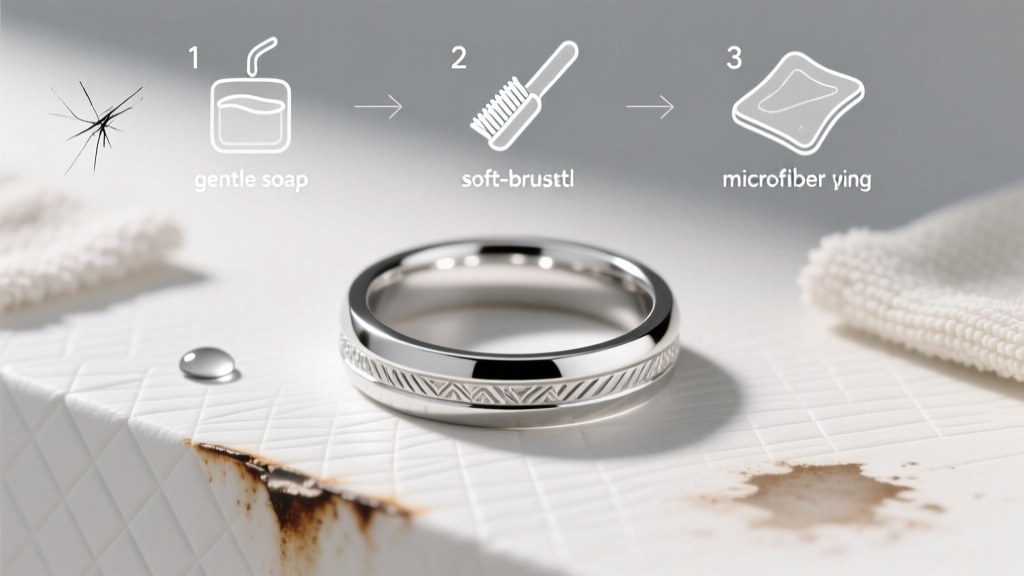 Platinum Wedding Band Cleaning: Safe 3-Step Method (2026)
 Plan Themes Essentials: A Metalsmith’s Practical Framework for Jewelry Design Consistency
 Wedding Ring vs Engagement Ring: Key Differences
 How to Choose a Wedding Band With a Nature-Inspired Design
 Do You Wear Wedding Band On Inside Or Outside (2026)
 How to Choose an Engagement Ring With a Bezel Setting
 Rhodolite Garnet Purple-Red Gemstone
 How to Insure Your Wedding Jewelry Properly
 Wedding Band Metals: Gold vs Platinum 2026
 Clean Wedding Ring Safely at Home: 7 Proven Methods (2026)