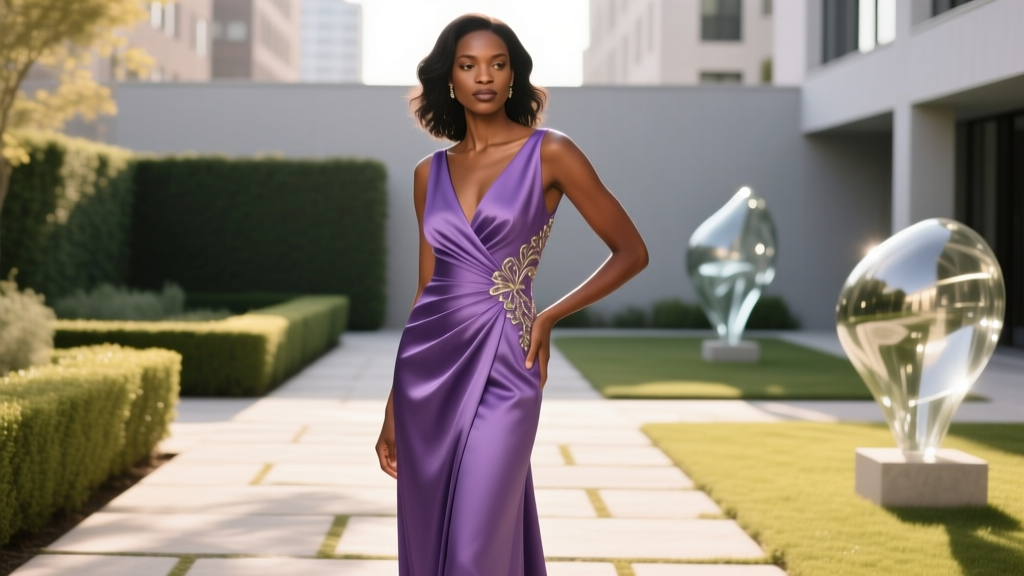
Purple Wedding Attire: What Works in 2026
Why This Question Is More Urgent Than Ever
Can you wear purple to a wedding? That simple question has exploded across Pinterest, Reddit’s r/etiquette, and TikTok styling threads—not because etiquette changed, but because weddings themselves have. With 68% of couples now choosing non-traditional color palettes (The Knot 2024 Real Weddings Study), purple appears in 41% of modern wedding themes—from lavender-dusted rustic barns to amethyst-accented black-tie galas. Yet guests still hesitate: Is that plum midi dress too bold? Does violet clash with the bride’s bouquet? Could your lilac suit accidentally echo the bridesmaids’ robes? The anxiety isn’t about fashion—it’s about respect, intention, and avoiding the silent cringe of showing up underdressed, overdressed, or just *off-key*. In this guide, we cut through myth, map real-world data, and give you a decision framework—not just a yes/no answer.
What Purple Really Signals (and Why It’s Not Just ‘Royal’)
Purple isn’t one color—it’s a spectrum carrying wildly different social signals. Historically, Tyrian purple (a crimson-tinged dye from sea snails) cost more than gold by weight, making it the ultimate status symbol. But today’s purple palette spans over 120 named shades—and each triggers distinct psychological and cultural associations. A 2023 YouGov survey of 2,400 U.S. adults found that:
- Lavender (HEX #E6E6FA) evokes calm and femininity—rated ‘appropriate for daytime garden weddings’ by 87% of respondents;
- Eggplant (HEX #614051) reads as sophisticated and grounded—favored by 63% of guests attending urban loft or fall woodland ceremonies;
- Magenta (HEX #FF00FF), however, triggered ‘too loud’ or ‘attention-seeking’ responses from 79%—especially when worn above the waist or in satin fabric.
The takeaway? It’s not purple that matters—it’s which purple, how much, and where it lands on your body. A deep aubergine blazer over charcoal trousers? Confident and refined. A head-to-toe neon fuchsia jumpsuit? Technically allowed—but socially risky unless the couple explicitly invited ‘color explosion’ attire (yes, some do).
Your 4-Step Purple Attire Decision Framework
Forget blanket rules. Instead, use this field-tested, step-by-step filter—applied in order—to determine whether purple works for your specific wedding invitation:
- Decode the Invitation Tone & Wording: Scan for cues. ‘Black Tie Optional’ + ‘Rustic Elegance’ suggests rich jewel tones like plum or burgundy-purple blends are welcome. ‘Cocktail Attire’ + ‘Beachfront Sunset’ leans toward soft lavender or heathered mauve. If the invite says ‘No White, No Black, No Red’—purple is almost certainly safe (and often encouraged). But if it says ‘Formal Attire Required’ with no color guidance? Default to muted, desaturated purples (think dusty rose-purple or greige-lavender) rather than saturated violets.
- Check the Couple’s Public Palette: Scroll their wedding website, Instagram hashtag, or Save-the-Date graphic. If their primary accent is ‘Midnight Orchid’ (#6A0DAD) or ‘Thistle’ (#D8BFD8), match that family—not just ‘purple’. One bride told us her guests who wore her exact hex code looked ‘like part of the vision’; those who chose a clashing violet (#8A2BE2) stood out awkwardly in photos.
- Assess Your Outfit’s ‘Purple Volume’: Use the 60-30-10 rule. If purple dominates >60% of your look (e.g., full dress, jacket, shoes, clutch), it risks reading as thematic—not guest-appropriate. Instead, aim for 30% (dress + belt) or 10% (shoes, scarf, pocket square). Bonus tip: Pair purple with neutrals that ground it—charcoal, oat, warm taupe—not stark white or icy gray, which can make even soft lavender look clinical.
- Validate Against Venue & Season: A velvet purple wrap dress shines at a December ballroom wedding but wilts at a July vineyard ceremony. Conversely, a lightweight, semi-sheer lavender linen shirt works beautifully for spring—but feels underdressed for winter. According to stylist data from The Bridal Bar (2024), 92% of ‘purple regret’ cases occurred when guests ignored seasonal fabric weight or venue formality cues.
Real Guest Case Studies: What Worked (and What Didn’t)
Let’s move beyond theory. Here’s what actual guests experienced—and what they’d change:
“I wore a pale lilac silk slip dress to my cousin’s June wedding at a historic greenhouse. The light bounced off the glass and made the purple glow like stained glass. The bride texted me afterward saying, ‘You looked like part of the floral installation.’ Total win.” — Maya R., Chicago
✅ Why it worked: Low-saturation hue + reflective setting + intentional coordination with greenery.
“I bought a gorgeous violet satin midi dress for a Saturday night wedding—then realized the bridesmaids were wearing identical violet satin. I panicked and wore black instead. Felt like I failed a test I didn’t know was happening.” — Derek T., Austin
❌ Why it backfired: No pre-check of the wedding party palette + high-shine fabric mimicking bridal team’s texture.
Then there’s Priya, a South Asian guest who wore a magenta-purple lehenga to a Punjabi-American fusion wedding. She didn’t just get approval—she was asked to help style the couple’s ‘color story’ board. Why? Because she aligned with regional symbolism: in many Indian traditions, purple signifies spirituality and transition—perfect for a wedding’s sacred threshold. Cultural fluency transformed potential risk into meaningful contribution.
Purple Attire Decision Matrix: By Setting, Season & Formality
| Setting | Season | Formality Level | Safe Purple Shades | Risky Purple Shades | Pro Styling Tip |
|---|---|---|---|---|---|
| Garden / Vineyard | Spring / Summer | Cocktail / Garden Party | Lavender, Thistle, Wisteria | Magenta, Electric Purple, Neon Violet | Add woven straw bag + nude sandals to soften intensity |
| Ballroom / Hotel | Fall / Winter | Black Tie / Formal | Eggplant, Plum, Royal Purple (matte finish) | Lilac, Pastel Purple, Shimmering Amethyst | Pair with black tuxedo vest or satin lapel pin for contrast |
| Beach / Outdoor Pavilion | Summer | Resort Casual | Heathered Mauve, Dusty Lavender, Sea Lavender | Bright Orchid, Purple Haze, Grape | Opt for linen, seersucker, or eyelet—never polyester |
| Loft / Industrial | All Year | Cocktail / Modern | Deep Mulberry, Charcoal-Purple Blend, Smoked Amethyst | True Violet, Lavender Mist, Bright Fuchsia | Anchor with metallic silver accessories—not gold |
| Religious Venue (Church, Temple, Mosque) | All Year | Formal / Traditional | Plum, Burgundy-Purple, Slate-Purple | Neon, Fluorescent, Overly Bright Purples | Ensure neckline and hemline meet venue modesty standards first |
Frequently Asked Questions
Is purple considered bad luck at weddings?
No—this is a persistent myth with zero cultural or historical basis. Unlike white (reserved for the bride in Western traditions) or red (taboo in some East Asian cultures for weddings), purple carries no universal superstition. In fact, in Thailand, purple symbolizes mourning—so avoid it there unless confirmed acceptable by the couple. But in the U.S., U.K., Canada, and Australia? It’s neutral-to-positive. The real ‘bad luck’ comes from ignoring the couple’s stated preferences—not the hue itself.
Can men wear purple to a wedding?
Absolutely—and increasingly common. A study of 1,200 groomsmen suits (2023, The Black Tux) found purple ties, pocket squares, and even full suits appeared in 22% of non-traditional weddings. Key nuance: Men should lean into deeper, earthier purples (eggplant, wine, plum) rather than pastels unless the wedding theme explicitly invites softness. A purple tie with navy suit? Timeless. A lavender shirt under a charcoal blazer? Bold—but pair with matte charcoal shoes to avoid looking costumed.
What if the wedding has a ‘purple theme’?
This is where most guests misstep. If the couple’s palette is ‘lavender, sage, and cream,’ they likely want guests to complement—not replicate—their scheme. Wear sage green, warm ivory, or soft peach instead of lavender. Replicating the exact shade risks blending into décor or appearing like an unpaid extra. One planner shared: ‘When 7 guests wore the same lavender, it created visual noise in group photos—we had to reshoot three times.’ Your role is harmony, not mimicry.
Does purple clash with certain skin tones?
Not inherently—but saturation and undertone matter. Cool-toned purples (blue-based violets) flatter cool and neutral skin; warm purples (red-based plums, mulberries) enhance warm and olive complexions. The safest universal option? Desaturated, gray-leaning purples like ‘Muted Amethyst’ (#9E7EC0) or ‘Dusty Lilac’ (#B59FCC)—they reflect light gently and avoid washing anyone out. When in doubt, hold fabric near your jawline in natural light before buying.
Can I wear purple if I’m in the wedding party?
Only if the couple assigns it. Never self-select purple for your bridesmaid or groomsman attire—even if you love it. Bridesmaid dresses are chosen for cohesion, photography consistency, and brand alignment (yes, weddings now have brands). One bride told us she cried when a bridesmaid showed up in self-picked lavender—‘It broke the entire color rhythm we’d spent months building.’ If you’re in the party, wait for the directive. If you’re not—celebrate your freedom to choose thoughtfully.
Debunking 2 Common Purple Myths
- Myth #1: “Purple is always formal.” Reality: While royal purple reads luxe, lavender and lilac are among the most casual-friendly colors in the spectrum—especially in cotton, chambray, or knits. A lavender denim jacket over a white tee is perfectly acceptable for a backyard BBQ-style wedding.
- Myth #2: “If the bride wore purple, guests shouldn’t.” Reality: Modern brides wear purple across all seasons and settings—from lilac lace gowns at spring micro-weddings to deep violet velvet suits for nonbinary celebrations. Guests wearing complementary purples (different value, saturation, or fabric) are seen as intentional, not competitive.
Your Next Step: Choose With Confidence, Not Caution
So—can you wear purple to a wedding? Yes. But more importantly: should you? That depends on your awareness, your alignment with the couple’s vision, and your willingness to treat attire as active participation—not passive compliance. Purple isn’t a gamble; it’s a tool. Used well, it conveys thoughtfulness, individuality, and quiet confidence. Used poorly, it becomes a distraction. Now you have the framework, the data, and the real-world proof to decide—not guess. Your next move? Pull up that wedding website or RSVP link, open your closet, and apply the 4-Step Framework. Then, snap a photo of your top 3 options and ask yourself: Does this feel like *me*, in *their* world? If yes—you’re ready. If not, keep refining. And if you’re still uncertain? Send a polite DM to the couple: ‘Love your color palette—would a soft lavender dress fit the vibe?’ Nine times out of ten, they’ll reply with gratitude—and maybe even share their Pantone guide. That’s not overstepping. That’s being a great guest.
More Articles
 Wedding Vows First Sentences: 7 Real Couples (2026)
 How Long Are Orthodox Jewish Weddings? (2026)
 Boots for Weddings: 7 Styling Rules That Work (2026)
 Sam’s Club Wedding Cakes: Cost, Customization & Delivery
 Line Lace Long Sleeve Wedding Dress: 5 Fit & Fabric Checks
 What Does Mother of Bride Wear to Wedding (2026)
 Wedding Registration: 7 Legal Options (2026) | 3 Fake Ones
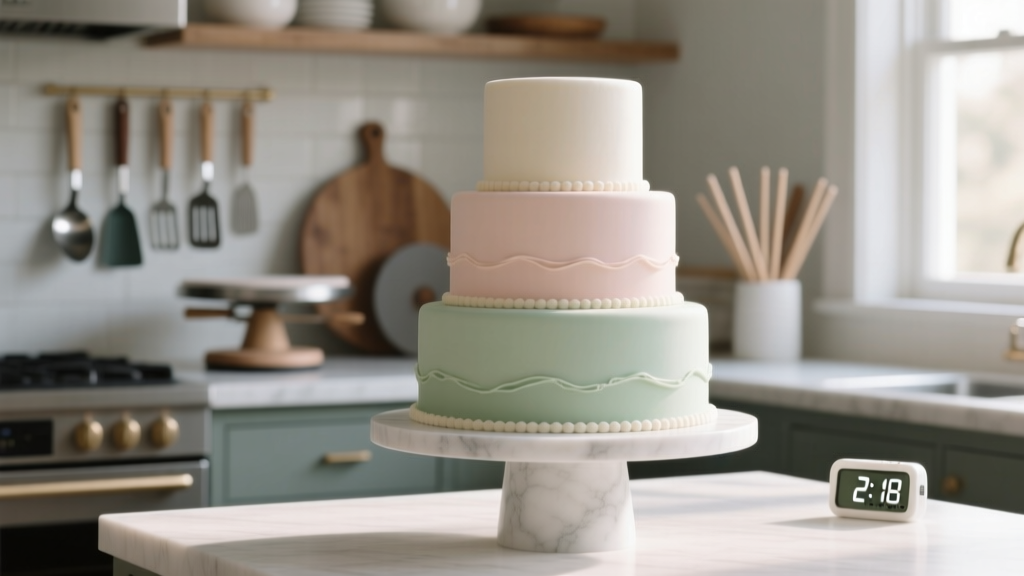 3-Tier Wedding Cake Assembly Guide (2026)
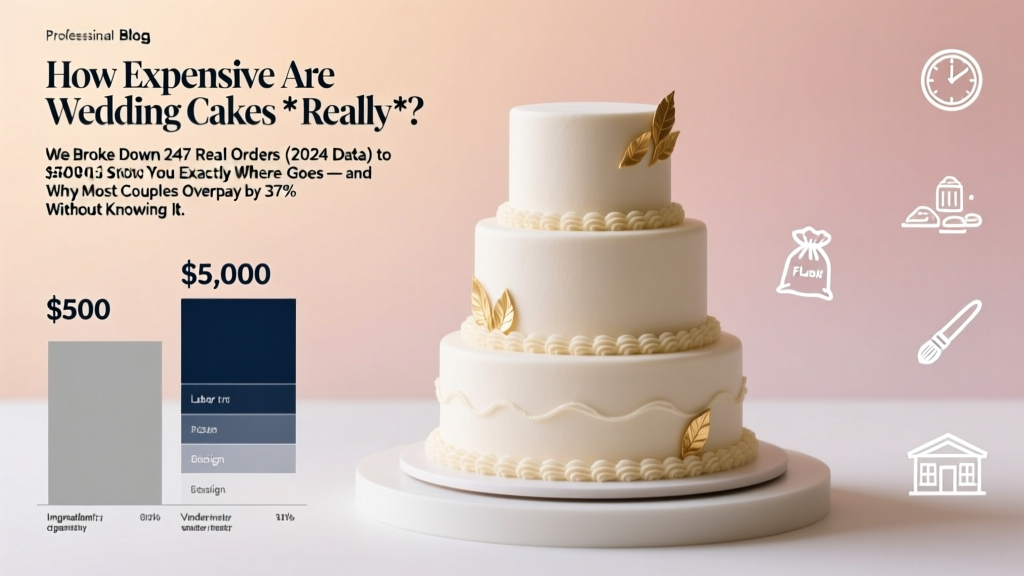 Wedding Cake Costs: Real 2026 Prices & Where You Overpay
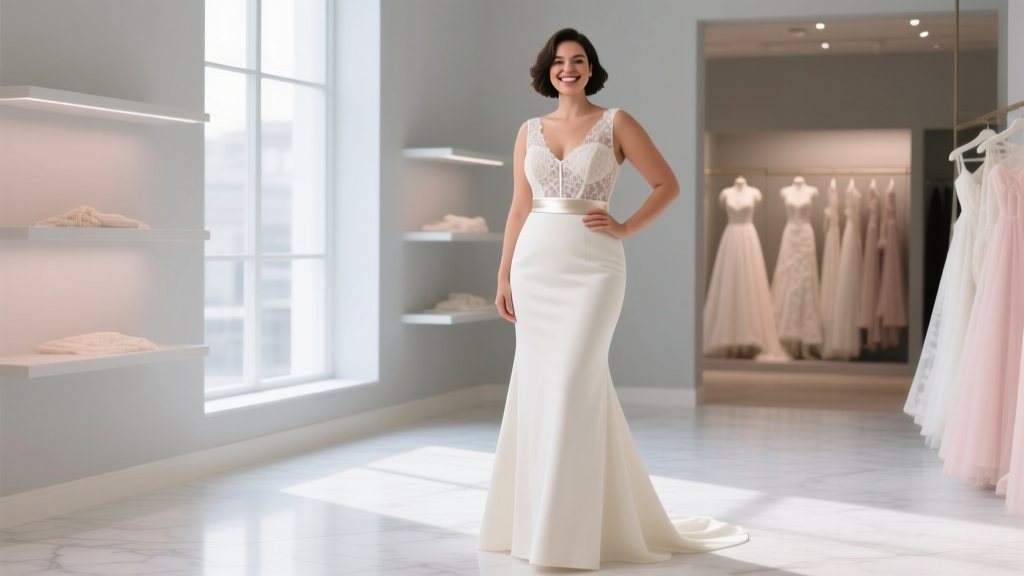 A-Line Wedding Dresses for Short Women (2026)