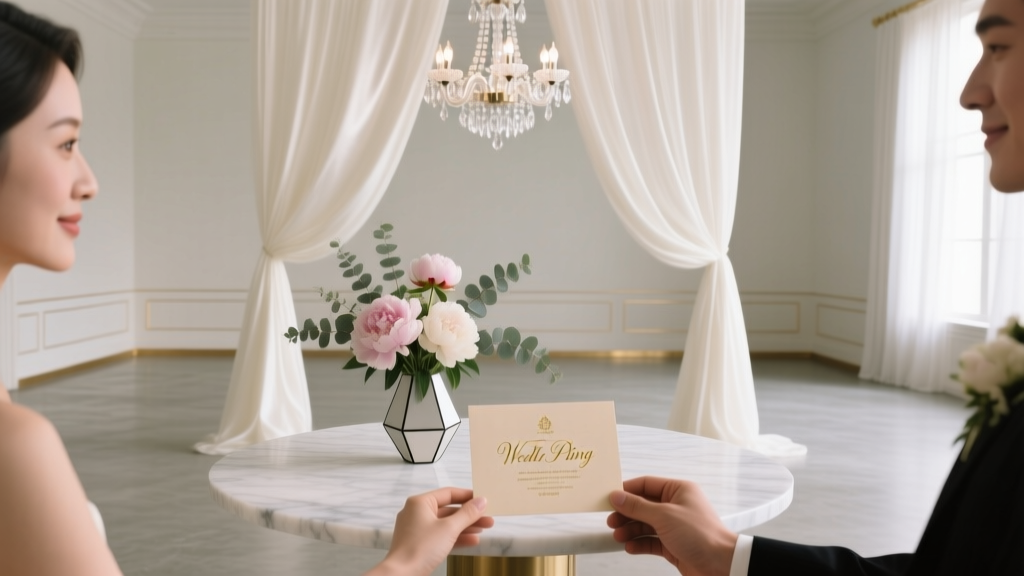
How to Plan a Luxury Wedding Without Breaking the Bank
You want the kind of wedding that feels elevated the second guests arrive—beautiful tablescapes, incredible food, thoughtful details, and that “wow” moment you’ll remember forever. You also want to start your marriage without a financial hangover. If you’re feeling pulled between “I want it to feel luxe” and “I need to be realistic,” you’re in very good company.
Luxury isn’t a price tag. Luxury is an experience: seamless timing, intentional design, comfortable guests, and a few high-impact moments that feel like you. When you plan strategically, you can absolutely create a high-end wedding look on a sensible budget—often by spending boldly in a couple of places and simplifying everywhere else.
This guide walks you through practical ways to plan a luxury wedding on a budget, with real examples, a planning timeline, and pro tips wedding planners use every day.
What “Luxury” Really Means (So You Can Spend Smarter)
Before you talk numbers, define what luxury means to you. For some couples, it’s a black-tie vibe and a live band. For others, it’s an intimate estate wedding with impeccable food and service. The goal is to identify the 2–3 elements that create that high-end feeling—and protect those line items.
Luxury wedding priorities that actually move the needle
- Guest experience: easy logistics, comfortable seating, great food, and smooth flow
- Design cohesion: a clear color palette, consistent materials, intentional lighting
- Service and timing: not keeping guests waiting; a well-paced timeline
- Statement moments: one jaw-dropping floral installation, a sleek bar moment, a showstopping cake display
Quick exercise: your “luxury top three”
Answer together in 10 minutes:
- When guests describe our wedding, what do we want them to say first?
- What do we personally care about most (food, music, photos, fashion, décor, venue)?
- What would we regret cutting?
Those answers become your budget guardrails.
Step 1: Build a Realistic Budget That Still Feels Exciting
A luxury wedding without overspending starts with clarity: your total budget, your non-negotiables, and the math behind your guest count.
Start with these three numbers
- Total budget: the maximum you’re comfortable spending (not the “maybe” number).
- Estimated guest count: even a rough number helps; each guest affects food, rentals, favors, stationery, and bar.
- Budget “flex”: 5–10% set aside for surprises (weather plan, add-on rentals, overtime, tips).
A sample luxury-on-a-budget budget framework
Adjust by your priorities, but this is a helpful starting point:
- Venue + catering + bar: 45–55%
- Photography/video: 10–15%
- Planner/coordinator: 5–12%
- Florals + décor: 8–15%
- Music/entertainment: 5–12%
- Attire + beauty: 5–10%
- Stationery + signage: 1–3%
- Transportation + misc.: 2–5%
- Contingency: 5–10%
Pro tip: calculate your “true cost per guest”
Take your estimated total and divide by guest count. If the number makes you uneasy, your fastest lever is guest count, not centerpieces. Cutting 25 guests often saves more than cutting multiple decor categories combined.
Step 2: Choose a Venue That Looks Expensive (Even If It Isn’t)
Your venue sets the tone. A naturally beautiful space reduces how much you need to spend on décor and rentals to achieve a luxury wedding look.
Venues that photograph like a million bucks
- Historic libraries, museums, and galleries (built-in architecture and lighting)
- Boutique hotels with stylish lobbies and suites
- Private dining rooms with great design and culinary teams
- Garden venues, conservatories, and greenhouses
- Modern lofts with clean lines (best when you lean into minimalism + lighting)
Money-saving venue strategies that still feel high-end
- Pick an “off-peak” date: Friday, Sunday, or winter months can reduce venue fees significantly.
- Choose a venue with included rentals: chairs, tables, linens, and basic lighting add up fast.
- Host ceremony and reception in one location: fewer transportation costs and fewer timing headaches.
- Ask about minimums versus fees: a higher food-and-beverage minimum can be better than a large site fee if you’re feeding guests anyway.
Real-world scenario
Sam and Jordan wanted a “European dinner party” vibe but had a mid-range budget. They booked a restaurant with a stunning courtyard. Their venue fee was modest, and their catering was in-house—so they redirected savings into a string quartet for the ceremony and upgraded wine at dinner. Guests felt the luxury through food, service, and ambiance.
Step 3: Design Like a Luxury Planner—With Fewer Pieces
Luxury style is usually more edited, not more crowded. The key is cohesion: a tight palette, repeated materials, and a few intentional statement elements.
Use the “one statement per space” rule
Pick one focal point for each area and keep everything else clean and complementary:
- Ceremony: a floral meadow at the aisle entrance OR a modern arch OR lined candles
- Reception: a lush head table OR a dramatic bar backdrop OR a hanging installation
- Entry: a sleek welcome sign with lighting and a small floral moment
High-end design upgrades that cost less than you’d think
- Lighting: bistro lights, pin spots, and candlelight create instant luxury (and better photos).
- Linens: choose textured or matte linens in a solid color; it reads expensive immediately.
- Chairs: upgrade only if the venue chairs are visually distracting; otherwise, spend elsewhere.
- Paper goods: minimal, beautifully printed invites; go heavier on quality paper than on elaborate add-ons.
Checklist: a cohesive luxury look on a budget
- Choose 2 main colors + 1 metal accent (gold, silver, black, or mixed metals)
- Repeat that metal in flatware, frames, candleholders, or signage stands
- Pick one floral “hero” bloom and build around it with greenery and seasonal stems
- Limit fonts to 1–2 across invitations, menus, and signage
- Keep tables clean: fewer items, better quality
Step 4: Flowers That Feel Lush—Without a Luxury Price Tag
Florals are often where budgets spiral. The fix isn’t “no flowers,” it’s smarter floral planning.
Florist-approved ways to lower costs
- Use seasonal blooms: peonies in December will blow up your quote. Ask what’s abundant in your month.
- Focus on impact zones: ceremony focal point, head table, entry/welcome area.
- Repurpose arrangements: move ceremony pieces to the reception (aisle meadows to sweetheart table; altar arrangements to bar or lounge).
- Mix heights: alternate bud vases + candles + a few fuller centerpieces instead of a large arrangement on every table.
- Greenery and texture: thoughtful greens, branches, and dried accents can look editorial when styled well.
Real-world scenario
Priya and Alex dreamed of a floral-heavy ceremony arch. Their planner suggested a ground installation framing the aisle entrance plus two large arrangements at the altar that were later moved behind the sweetheart table. The photos looked abundant, the guest view felt dramatic, and they avoided paying for an oversized arch structure.
Step 5: Elevate Food and Bar (Because Guests Remember This Most)
If you want your wedding to feel “luxury,” invest in what guests experience directly: food, drink, and flow.
Luxury catering upgrades that don’t require a full upgrade
- Do a plated salad + family-style mains: elevated feel, often less expensive than fully plated three-course service.
- Create one signature appetizer moment: passed champagne + a bite (mini tart, crudo spoon) at cocktail hour.
- Late-night bite: one great option (truffle fries, tacos, pizza) beats an expensive spread.
Bar upgrades that look premium
- Two signature cocktails (his/hers or “ours”) plus beer/wine reduces full bar costs.
- Serve a welcome drink at arrival to set the tone.
- Beautiful bar signage and consistent glassware make the bar feel curated.
Step 6: Book the Right Vendors (And Use Them Strategically)
The vendor team is what makes the day feel effortless. A luxury feeling often comes from coordination and professionalism more than extra décor.
Where to spend for a luxury experience
- Planner or month-of coordinator: they protect your timeline, manage vendors, and solve problems quietly.
- Photography: great photography makes everything look more elevated—and preserves it for life.
- DJ or band: energy and pacing matter; a skilled DJ can feel just as “black-tie” as a band.
How to get luxury vendors on a budget
- Consider associate teams: many top planners/photographers have associates at a lower rate with the same style.
- Book early: you’ll have more options and fewer rush fees.
- Be honest about budget: a great vendor will suggest creative alternatives rather than oversell you.
Step 7: Plan a Timeline That Feels Calm and High-End
A rushed wedding can feel chaotic no matter how pretty it is. Build a timeline with breathing room—this is one of the most “luxury” things you can do for yourself and your guests.
12–9 months out
- Set budget and guest count range
- Book venue, planner/coordinator
- Book photographer, caterer (if separate), and entertainment
- Start attire shopping
8–5 months out
- Confirm design direction (colors, vibe, rental needs)
- Book florist and hair/makeup
- Send save-the-dates
- Taste menu and plan bar approach
4–2 months out
- Finalize guest list and collect addresses
- Order invitations and signage plan
- Build day-of timeline with vendor input
- Confirm rentals and lighting
Final month
- Final RSVPs and seating chart
- Final payments and gratuity plan
- Confirm rain plan (even if you “won’t need it”)
- Pack details for photos (invites, rings, vow books)
Common Mistakes That Blow the Budget (And How to Avoid Them)
- Inviting too many people “just in case”: set a firm guest count cap early.
- Underestimating rentals: chairs, glassware, flatware, and delivery fees add up—ask for an all-in estimate.
- Chasing trends without a plan: a little trend is fun; too many looks messy and expensive.
- Skipping coordination: without a coordinator, you may pay in overtime, stress, and logistics errors.
- Not reading contracts carefully: watch service charges, overtime rates, setup/strike rules, and insurance requirements.
Wedding Planner Pro Tips for a Luxe Look on a Budget
- Spend where cameras look: ceremony backdrop, head table, entry, and bar area.
- Upgrade fewer things—but upgrade them well: linen + lighting can transform a room more than extra décor pieces.
- Work with your venue’s strengths: if it has a gorgeous fireplace, don’t cover it—frame it.
- Choose one “hero” moment: a champagne tower, a live painter, a string quartet—one memorable touch reads luxurious.
- Keep your wedding party streamlined: fewer bouquets, fewer boutonnières, fewer hair/makeup services.
FAQ: Luxury Weddings on a Budget
What’s the best way to make a wedding look luxurious quickly?
Lighting and linens. Warm candlelight (real or high-quality LED), intentional uplighting, and upgraded linens create a refined atmosphere faster than adding more décor items.
Is it cheaper to do a buffet or plated dinner?
Often buffet is cheaper, but not always—service style depends on staffing, rentals, and venue requirements. If you want a luxury feel, consider plated salad + family-style mains, or a well-designed buffet with beautiful signage and attentive staffing.
How do I cut costs without it looking “cheap”?
Cut quantity, not quality. Fewer, better pieces (like a gorgeous linen and candle-heavy tablescape) look more upscale than lots of mismatched items. Also, focus on guest comfort: great food, clear signage, and smooth timing read luxurious.
When should we book vendors to get the best pricing?
For most weddings, 9–12 months out gives you the best selection and reduces rush fees. If you’re planning in peak season or a popular city, book your venue and photographer first, then entertainment and florist.
What wedding details are not worth the money?
Usually: overly complex favors, too many signage pieces, custom everything (when templates would look just as polished), and décor that doesn’t show up in photos or guest experience.
Can a smaller guest list really make the wedding feel more luxurious?
Yes. With fewer guests, you can upgrade the experience—better food and wine, more beautiful rentals, a stronger floral statement, or a more premium venue—without increasing your total spend.
Your Next Steps: A Simple Plan for a Luxury Feel
If you want your wedding to feel high-end and still stay within budget, keep it simple:
- Set your maximum budget and a guest count cap you’ll protect.
- Choose your luxury top three (the things you’ll spend on without guilt).
- Book a venue with built-in beauty and ask for an all-in cost estimate.
- Create a cohesive design plan with one statement per space.
- Invest in coordination and a calm timeline so the day feels effortless.
You’re not “settling” by planning thoughtfully—you’re building a wedding that feels intentional, elevated, and true to you, while protecting your future together.
Want more smart planning support? Explore more practical, stress-saving wedding guides on weddingsift.com.
More Articles
 Wedding Cake Stacking with Pillars: 7 Must-Do Steps (2026)
 Dermaplane Before Wedding: 7–10 Day Sweet Spot (2026)
 How to Wear a Hat for a Wedding (2026)
 Wedding Dress Shipping Checklist (2026)
 Wedding Hair Up or Down: 7 Science-Backed Factors
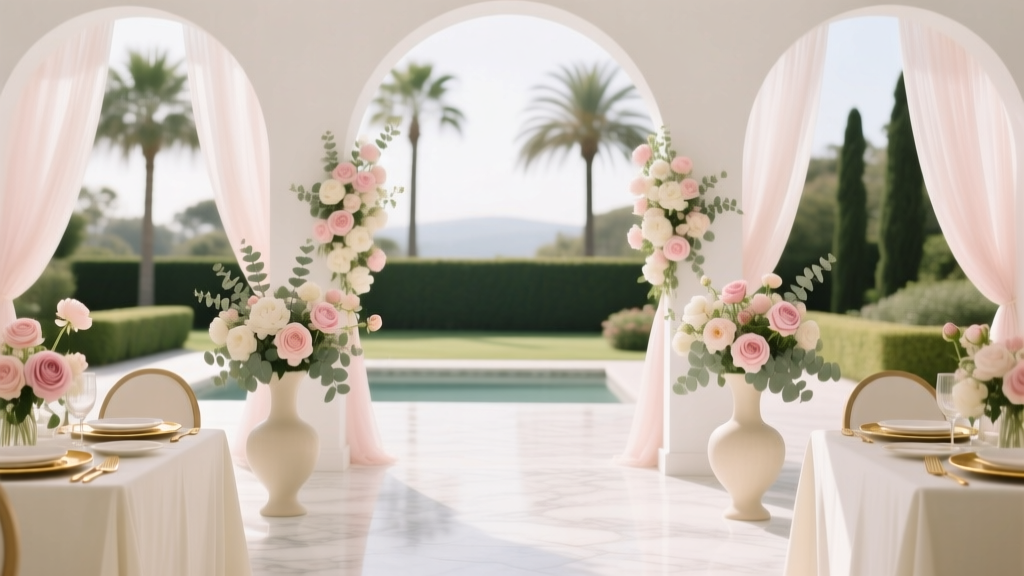 Used Wedding Dresses: 7 Trusted Places to Save $1,200+
 Wedding Photos That Flatter: 7 Stylist-Tested Tips (2026)
 Wedding Guest List Spreadsheet: 7-Step System (2026)
 Where to Get Suit for Wedding (2026 Tested)
 Excel Wedding Guest List: A Pro Planner’s Guide