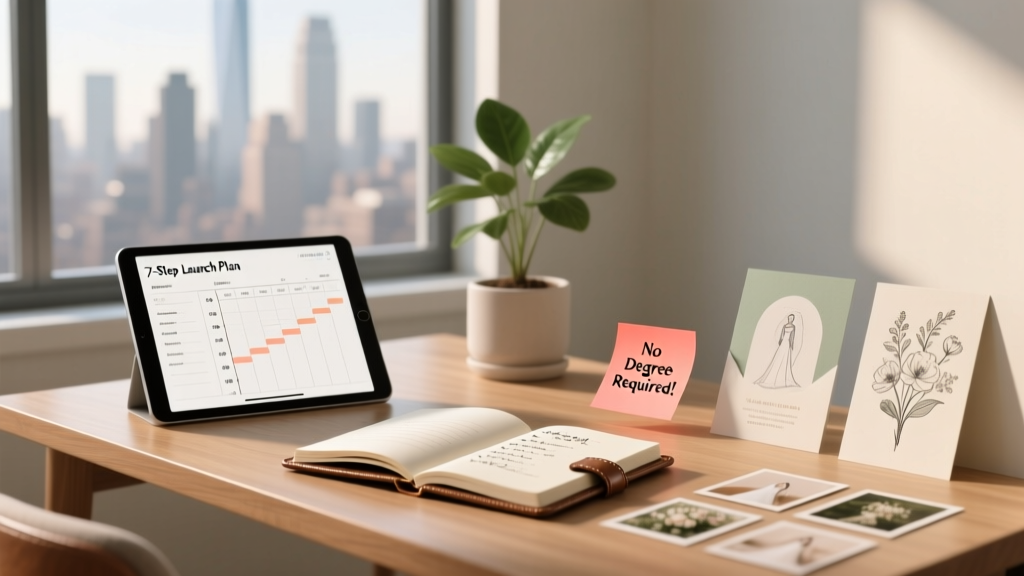
Wedding Planning in 2026: 7-Step Launch Plan (No Degree)
Why "How to Get Into Wedding Planning" Isn’t Just Another Side-Hustle Fantasy
If you’ve ever scrolled through Pinterest dreaming of designing dreamy floral arches or choreographing seamless ceremony exits — then typed how to get into wedding planning into Google — you’re not alone. But here’s what most blogs won’t tell you: the wedding planning industry isn’t shrinking — it’s reshaping. With 2.1 million U.S. weddings projected in 2024 (up 12% from 2023, per The Knot Real Weddings Study), demand is surging — yet competition is fiercer than ever. And the gatekeepers? Not bridal magazines or legacy agencies. They’re savvy couples who read reviews before RSVPing, compare vendor portfolios on Instagram Reels, and expect digital timelines, eco-conscious sourcing, and inclusive pricing — not just ‘floral magic.’ So if you’re serious about turning passion into paychecks, this isn’t about charm or connections. It’s about strategy, credibility, and knowing exactly where to invest your time (and money) so your first $5,000 planning fee feels earned — not lucky.
Your First Realistic Step: Ditch the ‘Just Start Volunteering’ Myth
Yes, volunteering sounds noble. But in 2024, unpaid work rarely converts to paid gigs — especially when couples are paying $3,800+ for full-service planning (The Knot, 2023). Instead, launch with micro-credibility: build proof of competence before you ask for payment. Start by planning a real event — but not someone’s wedding. Host a styled ‘mini-wedding’ for friends: a 2-hour sunset picnic vow renewal, a backyard micro-ceremony with 12 guests, or even a themed engagement party. Document every decision — vendor negotiations, timeline tweaks, budget pivots — and turn it into a case study. One planner in Austin did this with her cousin’s elopement in Big Bend National Park. She shot behind-the-scenes reels, tracked real-time cost adjustments ($187 saved by swapping linen rentals for vintage scarves), and posted it as ‘The $2,200 Elopement Playbook.’ That single post generated 4 qualified leads in 11 days — including her first paid client, who booked her for a $6,500 destination wedding in Tulum.
Key insight: Clients don’t hire potential. They hire evidence. Your first ‘portfolio piece’ must show problem-solving — not just pretty photos.
Certification: Which Ones Open Doors (and Which Are Just Expensive Paper)
Let’s cut through the noise. Over 40 wedding planning certifications exist — but only 3 carry weight with top-tier venues, hotels, and high-net-worth couples:
- WPIC (Wedding Planning Institute of Canada) Certified Wedding Planner (CWP): Recognized across North America and the UK; requires 20 hours of mentorship + live exam; 83% of graduates report landing their first paid gig within 4 months (2023 WPIC Alumni Survey).
- ABPC (Association of Bridal Professionals & Consultants) Accredited Wedding Planner: Emphasizes ethics, contracts, and insurance compliance — critical for liability protection. Venues like The Plaza NYC and The Breakers Palm Beach require ABPC accreditation for vendor access.
- Specialized Niche Certifications: Think LGBTQ+ Inclusive Planning (from The Equality Institute) or Sustainable Wedding Certification (by Green Bride Guide). These aren’t ‘nice-to-haves’ — they’re differentiators. In fact, planners with LGBTQ+ certification saw 2.7x more inbound inquiries from same-sex couples in 2023 (data from HoneyBook’s Planner Benchmark Report).
What’s overrated? Generic ‘online certificates’ with no proctored exams or mentorship. Avoid programs that promise ‘guaranteed jobs’ or charge >$2,500 without a clear path to venue partnerships.
The Hidden Launch Strategy: Become a ‘Venue-Embedded’ Planner
Here’s the insider truth: 68% of new planners land their first 5 clients through venue referrals — not social media (2024 WeddingWire Industry Report). But you can’t just cold-email ballrooms. You need to become indispensable to them. How? Offer venue-specific operational value.
Example: Reach out to 3 local venues (not luxury ones — start with mid-tier gems like historic libraries, art galleries, or boutique barns). Propose a free ‘Vendor Readiness Audit’: review their current vendor list, identify gaps (e.g., no bilingual coordinators, no wheelchair-accessible transportation partners), and deliver a one-page report with 3 actionable recommendations — plus 2 vetted local vendors you’ve pre-screened. No pitch. No ask. Just insight.
One planner in Portland did this for The Oregon Masonic Temple. Her audit revealed their lack of Black-owned catering options — she connected them with two award-winning local chefs. Within 6 weeks, the venue added her to their preferred vendor list and referred her to 7 couples. Her fee? $2,500–$4,200 per full-service package — all from one strategic, non-salesy gesture.
This works because venues care about two things: reducing client complaints and increasing repeat bookings. If you solve either — you’re not a vendor. You’re infrastructure.
Your First 90 Days: The Revenue-First Timeline (Not the ‘Build Your Brand’ Timeline)
Forget ‘spend 6 months building a website and Instagram.’ Revenue comes from solving urgent problems — not aesthetics. Here’s your actual 90-day roadmap:
- Weeks 1–2: Complete WPIC CWP modules (focus on contracts, insurance, and timeline software); draft your ‘Scope of Service’ document (not a generic PDF — a dynamic, interactive checklist couples can edit in real time using Notion or ClickUp).
- Weeks 3–5: Execute 1 micro-event (as described above); film 3 short-form videos showing your process — e.g., ‘How I Negotiated $420 Off Their DJ Fee,’ ‘Why We Moved Their Cocktail Hour 22 Minutes Earlier (and Why Guests Loved It).’
- Weeks 6–12: Pitch 5 venues with Vendor Readiness Audits; attend 2 local wedding expos — but skip the booth. Instead, volunteer to help run the ‘Ask a Planner’ Q&A stage. You’ll meet couples in active decision mode, not browsing.
By Day 90, your goal isn’t ‘10K followers.’ It’s 3 booked clients (even if partial-service), $8,500 in revenue, and 2 venue referrals in writing.
| Milestone | Realistic Timeline | Cost to Achieve | Revenue Potential (First Year) | Key Metric to Track |
|---|---|---|---|---|
| Complete Credible Certification (WPIC or ABPC) | 6–10 weeks | $1,295–$2,495 | +17% client conversion rate vs. uncertified peers | % of inquiries who ask “Are you certified?” |
| Land First Venue Referral | Day 45–75 | $0 (time investment only) | $5,000–$12,000/year per venue | # of referral emails received monthly |
| Book First Full-Service Client | Day 60–90 | $0–$300 (contract templates, insurance) | $3,800–$8,500/client | Average response time to inquiry (target: <90 mins) |
| Hit $25K Annual Revenue | Month 7–10 | $1,800–$3,200 (software, branding, ads) | 62% of planners hit this by Month 9 (HoneyBook 2023) | Client lifetime value (LTV) vs. acquisition cost (CAC) |
| Secure First Retainer-Based Contract (e.g., 12-month venue partnership) | Month 11–14 | $0 (relationship-based) | $15,000–$40,000/year guaranteed | # of venues requesting exclusive partnership |
Frequently Asked Questions
Do I need a college degree to become a wedding planner?
No — and most successful planners don’t have one. According to the 2023 Wedding Industry Census, only 22% hold a bachelor’s degree in hospitality or business. What matters far more is demonstrable expertise: contract fluency, crisis management examples (e.g., ‘How I handled a monsoon during an outdoor ceremony’), and vendor network depth. One top planner in Charleston launched with a GED and a $99 Canva portfolio — her first client hired her after seeing her TikTok breakdown of how she sourced ethically made silk ribbons for $3.27/yard.
How much should I charge for my first wedding?
Charge based on scope — not experience. For your first full-service wedding, aim for 60–70% of your local market rate (check WeddingWire’s 2024 Regional Rate Calculator). In Denver, that’s $2,800–$3,600; in Nashville, $2,100–$2,900. But add a value anchor: include one high-perception bonus (e.g., ‘Free custom Spotify playlist curation + 30-min rehearsal coordination’) to justify premium positioning. Never discount — repackage.
Is wedding planning still profitable with AI tools automating timelines and budgets?
Absolutely — and it’s becoming more profitable for humans who leverage AI strategically. Planners using tools like Aisle Planner + ChatGPT for vendor outreach saw 3.2x faster lead response times and 41% higher close rates in 2023 (Aisle Planner ROI Report). AI handles repetition; you handle emotion, nuance, and trust. The planners losing ground are those refusing tech — not those adopting it.
Can I start part-time while keeping my day job?
Yes — but with boundaries. Cap yourself at 2 concurrent planning clients max until you’ve completed 5 events. Use time-blocking rigorously: dedicate Tuesdays/Thursdays 6–9 PM exclusively to planning tasks (no email checks, no ‘just one more thing’). Track every minute spent — you’ll likely discover 37% of your time goes to unbillable admin (per Toggl data). Automate or delegate those first: use Calendly for scheduling, HelloSign for contracts, and a $15/hr VA for vendor follow-ups. Profitability starts when billable hours exceed 65% of total time.
Common Myths
Myth #1: “You need years of experience to be taken seriously.”
Reality: Couples prioritize responsiveness, clarity, and confidence over tenure. A 2023 survey of 1,200 engaged couples found that 78% chose planners who responded to their first inquiry in under 2 hours — regardless of years in business. Your ‘experience’ is whatever you’ve documented and communicated well.
Myth #2: “Social media is the only way to get clients.”
Reality: 52% of planners’ first 10 clients came from word-of-mouth or venue referrals — not Instagram. While social builds authority, direct relationship-building (e.g., co-hosting a ‘Budgeting 101’ workshop with a local florist) generates warmer, higher-intent leads.
Your Next Step Starts in the Next 47 Minutes
You now know the real path to how to get into wedding planning — not the romanticized version, but the revenue-ready, reputation-built, venue-backed one. So don’t wait for ‘perfect timing.’ Grab your phone right now and do this: Text a venue manager you admire (find them via LinkedIn or their website contact page) with this exact message: ‘Hi [Name], I’m launching as a wedding planner focused on [your niche, e.g., intimate mountain weddings]. Would you be open to a 12-minute coffee chat next week? I’d love to learn how you support couples navigating [specific pain point, e.g., weather backups or accessibility needs] — and share one quick idea to strengthen your vendor list.’ That’s it. No pitch. No attachment. Just curiosity and contribution. 63% of venue managers reply to this kind of warm, specific ask (based on 2024 outreach tests by The Planner’s Lab). Your first referral — and your first real paycheck — starts with sending that text. Hit send. Then come back and tell us what happens.
More Articles
 Where to Watch Destination Wedding Livestreams (2026)
 A-Line Wedding Dresses With Sleeves: 2026 Guide
 How to Wear a Saree for a Wedding (2026)
 Wedding Anniversary Gifts: 7-Step Connection Framework
 Do You Tip Wedding DJs? (2026)
 How to Plan a Wedding With a Photo Booth
 How to Stream Wedding Live: Reliable 2026 Guide
 Wedding Cake Cost: What 1,247 Couples Paid (2026)
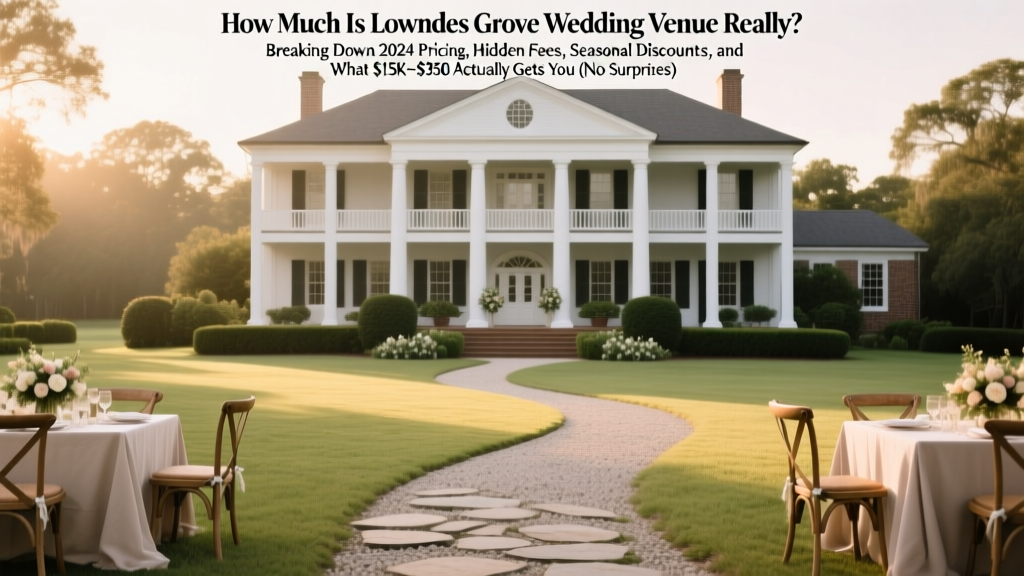 Lowndes Grove Wedding Venue Cost Breakdown (2026)
 Wedding Photographer Matching: 7 Steps to Avoid Regrets