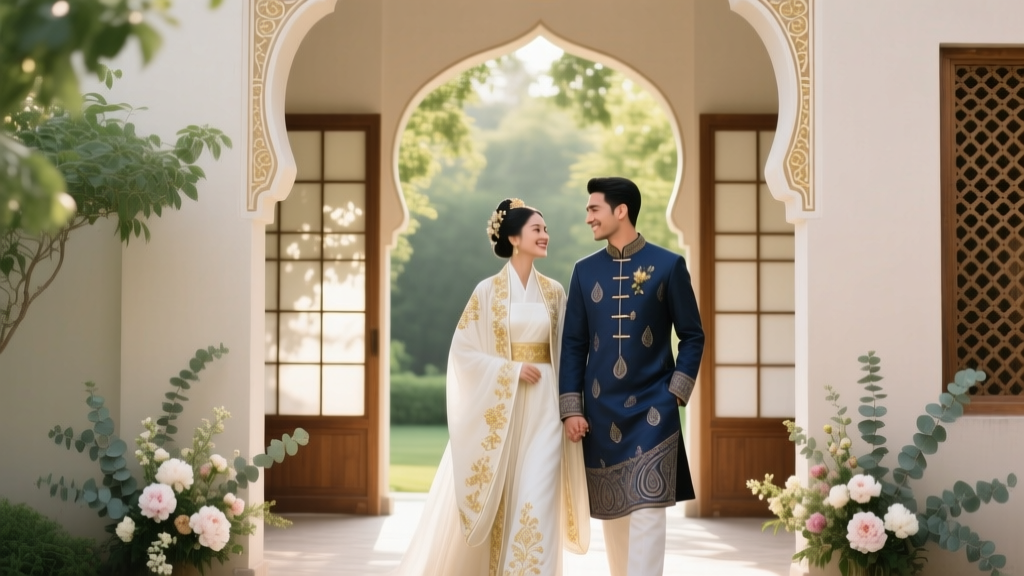
Multicultural Wedding Planning Guide
You’re planning a wedding—and you’re also balancing family histories, languages, religions, foods, music, and expectations. A multicultural wedding can feel like a beautiful puzzle: every piece matters, and everyone has opinions about where their piece should go.
If you’ve ever caught yourself thinking, “How do we honor both sides without turning the day into a confusing mash-up?” you’re not alone. The goal isn’t to cram every tradition into one timeline. It’s to design a wedding that feels like you as a couple—while giving each family meaningful moments of recognition and respect.
This guide walks you through clear, realistic steps (with examples, budget tips, and timeline advice) to plan a multicultural wedding that feels intentional, joyful, and welcoming for every guest.
Start With the “Why”: Define What Honoring Traditions Means to You
Before you book venues or build a ceremony script, spend time getting aligned as a couple. Multicultural wedding planning is easiest when you’re making decisions from shared values—not reacting to pressure.
A simple alignment exercise (30–60 minutes)
- Individually list your top 5 “must-have” elements (e.g., tea ceremony, chuppah, mehndi, Catholic mass, baraat, jumping the broom, specific prayers, attire, cultural music).
- Circle what’s non-negotiable and what’s “nice to have.”
- Compare lists and identify overlaps and potential conflicts (timing, location, religious restrictions, modesty requirements, food rules).
- Write a one-sentence wedding vision you can repeat to family: “We’re creating a wedding that blends our traditions in a way that feels authentic, respectful, and easy for guests to follow.”
Real-world scenario
Example: A Filipino-Catholic bride and a Jewish groom decide the non-negotiables are: a church ceremony for her family, a chuppah and breaking the glass for his, and a reception that includes Filipino food and a hora. They choose a shorter church service, then incorporate the chuppah at the reception during a second, brief “blessing ceremony” so both elements are honored without doubling ceremony length.
Bring Key Family Members In Early (But Set Boundaries)
Multicultural weddings often include more stakeholders. The trick is inviting input without giving away decision-making power.
Who to talk to first
- Parents/guardians (especially if they are contributing financially)
- Religious leaders or cultural elders you plan to involve
- Anyone who will be asked to perform a reading, ritual, or blessing
How to frame the conversation
- Ask for meaning, not a full checklist: “Which 1–2 traditions feel most important to you and why?”
- Be transparent about time constraints: “We can fit about 30 minutes of cultural elements into the ceremony.”
- Offer alternatives: “If we can’t include it in the ceremony, we can include it at the rehearsal dinner or brunch.”
Pro tip from wedding planners
Create a shared document called “Traditions & Meanings” with three columns: Tradition, Meaning, Where It Could Fit (ceremony/reception/pre-wedding). It keeps conversations grounded and prevents repetitive debates.
Choose a Ceremony Structure That Makes Sense for Guests
The ceremony is often where cultural expectations collide—especially when religions differ. The best multicultural ceremonies are clear, well-paced, and explained briefly so guests can follow along.
Three ceremony formats that work well
- Single blended ceremony: One ceremony with readings/rituals from both traditions.
- Dual ceremonies (same day): Two shorter ceremonies back-to-back or separated by a break.
- One legal ceremony + one cultural ceremony: A private civil ceremony, then a larger cultural/religious celebration.
Checklist: Building a blended ceremony (step-by-step)
- Confirm what’s required for each tradition (time, officiant, location, witnesses, restrictions).
- Pick 2–4 key ritual moments total (more than that can feel long or confusing).
- Write a simple “guide” line before each ritual (one sentence in the program or spoken by the officiant).
- Assign roles thoughtfully (who presents garlands, who holds the huppah poles, who lights the unity candle, etc.).
- Rehearse the transitions (especially if there are outfit changes or props).
Specific scenario: Hindu-Christian wedding
A couple wants a Hindu mandap ceremony and a Christian vow exchange. A planner-friendly approach:
- Morning: Short Hindu ceremony (60–75 minutes) with immediate family and wedding party.
- Late afternoon: Christian-style ceremony (20–25 minutes) with personal vows and a short blessing.
- Reception: Speeches, dinner, and a high-energy dance set that includes both Bollywood and classic wedding hits.
Design Your Wedding Weekend: Spread Traditions Across Events
If you try to do everything in one ceremony, you’ll feel rushed and guests may get lost. A weekend approach lets each tradition shine.
Where traditions often fit best
- Welcome party: Cultural cocktails, music, casual attire that nods to heritage, short “how we met” toast with cultural context.
- Rehearsal dinner: Elders’ blessings, traditional prayers, family toasts, storytelling.
- Wedding day ceremony: Most meaningful shared rituals; keep it structured.
- Reception: Food stations from both cultures, traditional dances, outfit changes, late-night snacks.
- Day-after brunch: Relaxed cultural foods, gift exchanges, informal photos with extended family.
Budget note
Adding extra events can increase costs fast (venue, catering, rentals). To keep it manageable:
- Host one event at a family home or community hall
- Choose a welcome party with heavy hors d’oeuvres instead of a full dinner
- Use a single florist plan across events (repurpose ceremony flowers for brunch)
Food, Music, and Decor: Blend Without Losing Identity
Guests remember how your wedding felt—and food/music do most of that work. You don’t need a 50/50 split, but you do want both families to feel seen.
Menu strategies that satisfy everyone
- Dual-cuisine buffet: Clearly labeled dishes from both cultures.
- Plated dinner + cultural stations: A universally approachable plated meal, plus stations (e.g., dim sum, chaat, taco bar, mezze).
- Fusion done thoughtfully: Work with a chef who understands both cuisines—avoid “novelty fusion” that neither family recognizes.
Dietary and religious considerations
- Kosher/Halal/vegetarian requirements may impact caterer choice and kitchen process
- Alcohol policies vary by culture/religion—consider a limited bar or separate non-alcoholic feature station
- Label allergens and spice levels (your guests will thank you)
Music: a timeline that works
- Ceremony: One song from each culture (processional/recessional)
- Grand entrance: High-energy cultural song or drumming moment
- After dinner: Alternate 15–20 minute sets (e.g., Afrobeats set, then pop set, then Latin set)
- Must-play list: 5 songs from each side + 5 couple favorites
Decor that feels cohesive
Instead of mixing every motif, choose one unifying design direction (color palette, floral style, venue vibe) and add cultural accents with intention:
- Table numbers in two languages
- Patterns/textiles used in linens or ceremony backdrop
- Meaningful heirlooms (tea set, ceremonial cloth, family candlesticks)
Attire and Outfit Changes: Plan for Comfort and Photos
Many multicultural couples incorporate traditional attire and modern wedding looks. Outfit changes can be stunning—if they’re planned around your timeline and comfort.
Outfit planning checklist
- Decide how many outfits you realistically want (1–3 is common)
- Schedule changes around natural transitions (after ceremony, before first dance)
- Build in 20–30 minutes per change (hair, jewelry, bustling, touch-ups)
- Tell your photographer what details matter (headpieces, embroidery, family jewelry)
- Choose shoes that can survive the full day (or have a backup pair)
Pro tip
If you’re wearing culturally significant pieces, do a full try-on and practice walking, sitting, and hugging. It sounds silly—until you realize a heavy garment makes a receiving line exhausting.
Communication Makes It Smooth: Programs, Signage, and Announcements
Guests feel more comfortable when they know what’s happening. Clear communication is one of the most underrated multicultural wedding planning tools.
Easy ways to guide guests
- Ceremony program: Include brief explanations (one line each) for rituals
- Bilingual elements: Welcome sign, menu labels, key program points
- MC/DJ support: Ask them to introduce moments with warmth and context
- Website FAQ: Dress code, ceremony format, what to expect, travel tips
Timeline Advice: A Planning Schedule That Reduces Stress
12+ months out
- Agree on must-have traditions and overall wedding vision
- Set budget ranges and guest count targets
- Book venue(s) that can support your ceremony needs
- Research officiants or religious leaders (availability can be limited)
8–10 months out
- Book key vendors: planner/coordinator, photographer, catering, DJ/band
- Confirm any specialty vendors (dhol, tea ceremony host, cultural dessert maker)
- Outline ceremony structure and ritual participants
4–6 months out
- Finalize menu and dietary accommodations
- Plan attire orders and tailoring timeline (traditional garments can take time)
- Create program drafts and bilingual signage plan
1–2 months out
- Confirm ceremony script and run-through details
- Build a minute-by-minute wedding day timeline (including outfit changes)
- Share key cultural notes with vendors (photo priorities, moments to announce)
Budget Considerations: Where Multicultural Weddings Often Cost More
Some multicultural elements come with additional costs, especially when you’re combining vendors or hosting multiple events. Planning for these early prevents budget surprises.
Common added-cost areas
- Extra events: Welcome party, cultural ceremony, day-after brunch
- Specialty catering: Kosher/Halal kitchens, imported ingredients, dual menus
- Attire: Multiple outfits, tailoring, specialty accessories
- Decor/rentals: Mandap, chuppah, ceremony seating, cultural props
- Music/performers: Drummers, dancers, live musicians
- Translation/printing: Bilingual programs, signage, calligraphy
Smart ways to save (without losing meaning)
- Prioritize one “showstopper” cultural element per event
- Repurpose ceremony structures (mandap/chuppah florals reused at sweetheart table)
- Use digital programs or QR codes for longer explanations
- Choose one premium outfit and one simpler traditional look
Common Mistakes to Avoid (and What to Do Instead)
- Mistake: Trying to include every tradition.
Instead: Choose the traditions with the deepest meaning and place others in smaller moments (toasts, décor, music, favors). - Mistake: Leaving cultural details until the last minute.
Instead: Book specialty vendors early and share a written plan with your planner and DJ/MC. - Mistake: Assuming guests “will figure it out.”
Instead: Use programs, signage, and announcements so everyone feels included, not confused. - Mistake: Allowing family input to turn into family control.
Instead: Offer structured choices: “We can include either X in the ceremony or Y at the reception—what matters most to you?” - Mistake: Overloading the day-of schedule.
Instead: Build breathing room for outfit changes, family photos, and emotional moments.
Wedding Planner Pro Tips for a Seamless Multicultural Celebration
- Write a “cultural moments run-of-show” for vendors (what happens, who’s involved, what props are needed, how it’s announced).
- Assign a family liaison on each side (an aunt, cousin, or sibling) to help gather people for rituals and photos.
- Ask your photographer about cultural experience—not as a gatekeeping thing, but to ensure they anticipate key moments.
- Plan a private moment for just you two after the ceremony. Multicultural weddings can be socially intense; 10 minutes of quiet resets the whole day.
FAQ: Multicultural Wedding Planning
How do we decide which traditions to include?
Start with meaning. Ask each family, “Which traditions feel most important and why?” Then choose the ones that reflect your shared values as a couple and fit your ceremony length and budget. You can honor additional traditions through music, food, attire, and speeches.
Can we have two officiants or two ceremonies?
Yes—many couples do. Two officiants can work beautifully in a blended ceremony, and two shorter ceremonies can reduce compromise if religious requirements conflict. Confirm legal requirements for your marriage license based on your location.
How do we handle language differences for guests?
Bilingual programs, a strong MC/DJ, and short explanations before rituals go a long way. Keep translations simple and focus on the parts guests need to follow (procession, key rituals, when to stand/sit, and what’s happening next).
What if our families disagree about what’s “appropriate”?
Set kind boundaries and give options. A planner-approved approach is: “We hear you. Here are two ways we can honor that tradition—help us choose one.” If needed, involve a neutral third party (planner, mediator, or respected elder) to keep conversations calm and productive.
Do multicultural weddings cost more?
They can, especially if you add multiple events, specialized catering, multiple outfits, or cultural performers. The best way to control costs is to prioritize a few high-impact traditions, reuse décor across events, and build a budget line for cultural elements from the start.
How do we avoid the wedding feeling like two separate weddings?
Use a unifying design thread (colors, venue style, shared ceremony arc), and create moments where both families participate together—like joint family blessings, a combined processional, or a shared welcome toast that tells your story as one team.
Your Next Steps: A Simple Action Plan for This Week
- Schedule a 60-minute “must-haves” meeting with your partner and write your one-sentence wedding vision.
- Make your Traditions & Meanings list and identify where each element could fit.
- Choose a ceremony format (blended, dual, or legal + cultural) that matches your priorities and guest experience.
- Start a short list of vendors who have experience with your cultural needs (officiant, caterer, DJ/MC, photographer).
You’re not trying to please everyone perfectly—you’re creating a wedding day where both families feel honored and where you feel deeply yourselves. With clear priorities and thoughtful structure, a multicultural wedding can be one of the most welcoming, memorable celebrations your guests will ever attend.
For more timelines, checklists, and planning tips, explore more wedding planning guides on weddingsift.com.
More Articles
 Indian Wedding Cost in Canada (2026): Real Budget Breakdown
 Elegant Wedding Venue Ideas: 7 Budget Tactics (2026)
 How to Cancel a Wedding Vendor (2026)
 Wedding Spirits Calculator: Bottles Needed (2026)
 Wedding Catering: Save $8K–$15K in 2026
 Wedding Insurance Cost Breakdown (2026)
 Wedding Money Instead of Gifts: 7 Polite Ways (2026)
 Wedding Speech Writing: 7-Step Framework (2026)
 A-Line Wedding Dress: Fit & Flare Explained (2026)
 Best Man Wedding Duties: Stress-Free 7-Step Blueprint