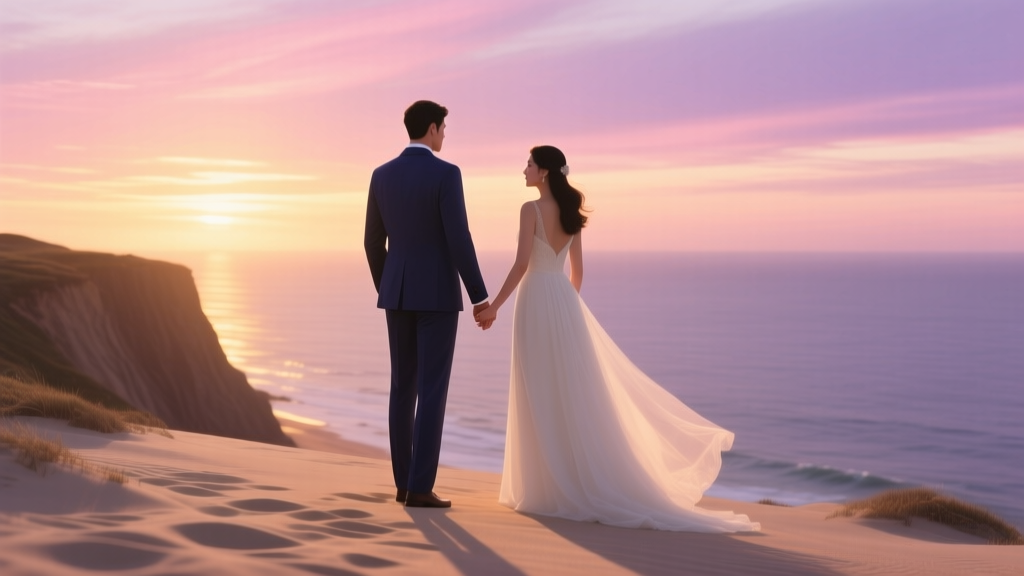
How to Plan a Wedding With a Sunset Portrait Session
You know that feeling when the light turns golden, everything softens, and even an ordinary moment looks like a movie scene? That’s the magic couples are chasing when they say, “We really want sunset photos.” And honestly—if you love romantic, glowy portraits, it’s one of the best wedding planning decisions you can make.
But planning a wedding day around a sunset portrait session can feel tricky. You don’t want to miss cocktail hour, keep guests waiting, or rush through family photos. You also don’t want to spend your reception checking the clock. The good news: with a little planning and the right timeline, sunset portraits can fit smoothly into your wedding day and become one of your favorite memories—not a stressful scramble.
This guide walks you through how to plan wedding photos at sunset step-by-step, with real-life scenarios, timeline examples, budget considerations, and the most common mistakes couples make (so you can avoid them). Think of this as advice from a wedding planner friend who’s done this a lot.
Why Sunset Portraits Are Worth Planning Around
Sunset portraits (often called “golden hour wedding photos”) give you:
- Flattering light that softens skin and reduces harsh shadows
- Romantic, editorial-style images that feel timeless
- A built-in breather together on a busy wedding day
- More variety in your gallery (daylight, golden hour, and often night shots)
Golden hour typically begins about 60 minutes before sunset and lasts until roughly 15–20 minutes after (depending on weather and the season). That window is short—so planning is everything.
Step 1: Find Your Sunset Time (and Build Your Plan Backwards)
Before you book a ceremony time or finalize your reception schedule, look up the sunset time for:
- Your wedding date
- Your venue location (even a nearby city can vary a bit)
A simple way to plan it
- Look up sunset time (many weather apps show it, or search “sunset time + city + date”).
- Block 20–30 minutes for sunset portraits in your wedding day timeline.
- Plan to step out 45–60 minutes before sunset (that’s usually the sweetest light).
Real-world example
If sunset is at 7:52 PM, a very workable photo window is:
- 7:00–7:25 PM Couple portraits (golden hour)
- 7:25–7:40 PM A few extra shots / walking back / quick touch-ups
This gives you time to re-enter the reception without feeling breathless.
Step 2: Choose a Ceremony Time That Doesn’t Compete With Golden Hour
The biggest scheduling challenge is preventing your ceremony and sunset portraits from colliding. Here are common ceremony start times that work well for sunset photography:
For an evening wedding with sunset portraits
- 2.5–3.5 hours before sunset is often a sweet spot
- This allows time for ceremony, family formals, wedding party photos, and a buffer before golden hour
Scenario planning: what this looks like
Scenario A: No first look (portraits mostly after ceremony)
- Ceremony: 5:00 PM
- Cocktail hour: 5:30–6:30 PM
- Family + wedding party photos: 5:35–6:20 PM
- Couple portraits: a few quick ones right after + the main set at sunset
Scenario B: First look (more relaxed timeline)
- First look + couple portraits: 3:45–4:30 PM
- Ceremony: 5:30 PM
- Cocktail hour: 6:00–7:00 PM
- Sunset portraits: 7:05–7:25 PM
If you’re choosing between two ceremony times, pick the one that gives you a calm buffer before sunset. Couples almost always regret scheduling things too tightly.
Step 3: Decide Whether You’ll Do a First Look
There’s no right answer, but a first look can make sunset portrait planning much easier—especially if you want to actually enjoy cocktail hour and not disappear for long stretches.
First look pros (for sunset planning)
- You can do most couple portraits earlier when hair/makeup is fresh
- You’ll only need 15–25 minutes at sunset for the dreamy golden shots
- Less pressure if clouds roll in or the light changes fast
No first look pros
- Traditional aisle reaction moments
- Emotional reveal in front of guests
Planner tip: If you skip the first look, consider doing pre-ceremony portraits with each partner separately (individual portraits, wedding party, and immediate family). That keeps post-ceremony photo time manageable.
Step 4: Build a Timeline That Protects Your Sunset Photo Window
A great wedding timeline doesn’t just list events—it creates breathing room. Your photographer and planner can help tailor this, but here’s a solid framework.
Sunset portrait session checklist
- Block 20–30 minutes for sunset couple portraits
- Add 10 minutes for walking to/from the location
- Schedule it on the timeline (not “whenever we have time”)
- Assign a helper (planner, coordinator, or trusted friend) to give you a 10-minute warning
Sample timeline (with first look)
- 1:00 PM Hair & makeup finishing touches
- 2:30 PM Getting ready photos
- 3:45 PM First look
- 4:00 PM Couple portraits
- 4:45 PM Wedding party photos
- 5:30 PM Ceremony
- 6:00 PM Cocktail hour
- 6:50 PM Guests invited to dinner seating
- 7:05 PM Sunset portraits (20 minutes)
- 7:30 PM Grand entrance + first dance
- 7:45 PM Dinner
- 9:00 PM Toasts + open dancing
Sample timeline (no first look)
- 2:30 PM Getting ready photos
- 4:30 PM Hide away / final touch-ups
- 5:00 PM Ceremony
- 5:30 PM Family formals
- 5:55 PM Wedding party photos
- 6:15 PM Couple portraits (quick set)
- 6:30 PM Cocktail hour ends / guests seated
- 6:40 PM Grand entrance
- 7:00 PM Dinner begins
- 7:05 PM Sunset portraits (step out for 15–20 minutes)
- 7:30 PM Back to reception
Reception tip: Many couples step out between courses or right after dinner plates are cleared—guests barely notice, and you keep the energy flowing.
Step 5: Pick the Best Sunset Photo Location (and Have a Backup)
Your venue might have a perfect sunset spot… or it might face the wrong direction. Don’t assume. Walk the property at the same time of day if possible, or ask your photographer what they’ve seen work there.
What makes a great sunset portrait location
- Open sky (fields, hills, lakefront, rooftop, beach)
- Simple backgrounds without busy signage or parked cars
- Easy access in wedding attire (no long hikes unless you’re truly up for it)
- Good “plan B” nearby (covered porch, indoor window light, shaded courtyard)
Specific scenarios couples relate to
- Urban venue: Rooftop access for 15 minutes at golden hour; backup is a lobby with tall windows.
- Barn wedding: Photos in a nearby open field; backup is inside the barn doors with string lights.
- Beach wedding: Quick barefoot shoreline shots; backup is under a pier or covered pavilion if wind is intense.
Step 6: Communicate the Plan With Your Photographer, Planner, and DJ
Sunset portraits go smoothly when your vendor team is aligned. Make sure these three people know the plan:
- Photographer: confirms ideal start time and location, brings lighting if needed
- Planner/coordinator: keeps the timeline on track and rounds you up gently
- DJ/band: avoids key moments (toasts, parent dances) during your photo window
What to say (simple script)
“We want to step out for 20 minutes for sunset portraits around 7:05 PM. Can we schedule speeches and special dances outside that window, and have someone give us a 10-minute heads-up?”
Budget Considerations: What Sunset Portraits Might Add (and How to Keep Costs Down)
Sunset portraits themselves don’t usually cost extra—but they can affect how many photography hours you need and how your schedule flows.
Potential costs to plan for
- Extra photography coverage if sunset happens later (common in summer)
- Second photographer if you want cocktail hour candids while you step out
- Transportation if the best sunset spot is off-site
- Lighting add-ons for dusk/night portraits (some photographers include this, some charge)
Smart ways to stay on budget
- Choose a venue with great sunset views on-site to avoid travel time and transport fees.
- Do a first look so your sunset session can be short and efficient.
- Prioritize your must-have photos list so you’re not paying for hours you don’t need.
Common Mistakes to Avoid (and What to Do Instead)
Mistake 1: Not putting sunset portraits on the official timeline
Do instead: Treat it like any other “must happen” moment. Schedule it with a start time and buffer.
Mistake 2: Overpacking cocktail hour activities
Raw bars, lawn games, signature drinks, live music—fun, but it can make you feel guilty for stepping out.
Do instead: Plan sunset portraits during a natural lull (guest seating, room flip, or post-salad).
Mistake 3: Picking a far-off location without travel time
Do instead: If you must go off-site, keep it extremely close (5–10 minutes) and build in at least 30 minutes total for travel and transitions.
Mistake 4: Forgetting about wind, temperature, and bugs
Do instead: Bring a small touch-up kit and be strategic about comfort:
- Blotting papers or translucent powder
- Hair pins and a mini hairspray
- Bug spray wipes (especially near water or gardens)
- A wrap or jacket for chilly evenings
Mistake 5: Trying to do every family photo at golden hour
Do instead: Schedule family formals earlier. Golden hour is best spent on just the two of you (or maybe one quick group shot if you truly want it).
Pro Tips From Wedding Planners for a Calm Sunset Session
- Appoint a “sunset buddy.” This person finds you and gets you outside on time (planner, coordinator, or a responsible friend).
- Plan a quick refresh. Ask catering to box up two bites and a drink for you so you don’t skip dinner.
- Tell your photographer your comfort level. If you don’t want PDA-heavy poses, say so. Great sunset photos can be walking, laughing, and quiet forehead touches.
- Consider a short night photo after sunset. A 5-minute photo with string lights, sparklers (if allowed), or a flash-lit kiss can round out your gallery beautifully.
- Golden hour isn’t guaranteed. Clouds happen. Your photographer can still create gorgeous images—so focus on the moment, not perfect conditions.
Quick Planning Checklist: Sunset Portrait Session
- Look up sunset time for your wedding date and venue location
- Decide: first look or no first look
- Block 20–30 minutes for sunset portraits + 10 minutes travel buffer
- Scout the sunset location and choose a nearby backup spot
- Coordinate with photographer, planner, and DJ/band to protect the time
- Prepare a mini touch-up kit (or ask your planner to hold one)
- Plan where sunset portraits fit best: during guest seating, between courses, or after dinner
FAQ: Planning a Wedding With Sunset Portraits
How long do sunset wedding portraits take?
Most couples need 15–30 minutes. If you’ve already done a first look and earlier portraits, 15–20 minutes is usually enough for a full set of golden hour images.
Will we miss our cocktail hour?
You might miss part of it if you didn’t do a first look, but you don’t have to miss all of it. Many couples do family photos quickly, join cocktail hour for 10–15 minutes, then step out briefly at golden hour.
What if it’s cloudy or raining at sunset?
Cloudy skies can create soft, flattering light (sometimes even better than harsh sun). If it rains, a covered porch, indoor window light, or a quick umbrella shot can still feel romantic. Ask your photographer to help pick a weather-proof backup spot.
Do we need a second photographer if we do sunset portraits?
Not always, but it can be helpful if you care a lot about cocktail hour candids and you’ll be gone for 20–30 minutes. If budget is tight, prioritize one excellent photographer and a tight timeline.
What season is best for sunset wedding photos?
Every season can work, but the timing changes. Summer sunsets are later (which may require more photography coverage). Winter sunsets are earlier (which can be easier for coverage, but you’ll want to plan for colder temps and faster fading light).
Can we do sunset portraits without changing our whole timeline?
Usually, yes. The simplest approach is to schedule a 15-minute step-out during the reception (often between courses or right after dinner) and keep the location close to your reception space.
Your Next Steps
Pick up your phone and check the sunset time for your wedding date—then send it to your photographer and planner/coordinator. From there, block a 20–30 minute golden hour window into your wedding day timeline and choose a close, easy location with a backup plan. Those three small actions turn “We hope we get sunset photos” into “We planned for it—and we actually enjoyed it.”
If you want more timeline help, photography planning tips, and stress-saving wedding checklists, explore more planning guides on weddingsift.com.
More Articles
 How Long Should You Give Wedding Guests To Rsvp (2026)
 Can You Wear Black to an Indian Wedding Reception?
 Announce Your Wedding—No Invites Needed: 7 Low-Stress Tips
 What Should A Woman Wear To Officiate A Wedding (2026)
 Wedding Envelope Gift Writing Guide (2026)
 Who Hosts Wedding Shower (2026)
 Wedding Parent Seating Rules: What Guests Notice
 A-Line Court Train Wedding Dresses: Flatter Body & Budget
 Designer Wedding Dress Costs: Real 2026 Prices
 Save the Dates & Wedding Invitations: 2026 Timeline