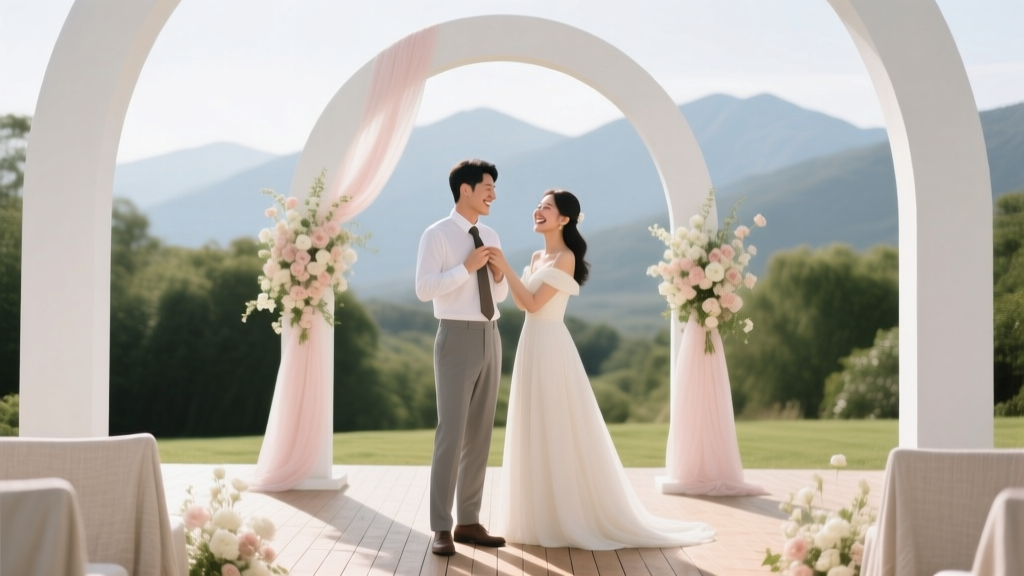
How to Plan a Wedding During Peak Season Without Stress
If you’re planning a wedding during peak season, you’re not imagining things: venues are booked out, vendor inboxes are overflowing, hotel rates jump overnight, and it can feel like everyone you know picked the exact same month. You might be excited one minute and overwhelmed the next—especially when you hear, “We’re only offering weekday dates,” or “Our next Saturday is in 18 months.”
Here’s the good news: a peak-season wedding can be smooth, joyful, and beautifully “you.” The difference is planning with intention—locking in priorities early, building flexibility into your timeline, and using a few insider strategies wedding planners rely on when competition is high. This guide will walk you through a clear plan, real-life scenarios, budget-savvy tips, and stress-reducing systems so you can enjoy your engagement (even in the busiest wedding months).
Whether you’re aiming for a June garden ceremony, an October vineyard celebration, or a holiday weekend wedding, you’ll find practical steps here to help you plan confidently—without the chaos.
What Counts as Peak Wedding Season (and Why It Matters)
Peak season usually means the months and dates with the highest demand for venues and vendors, often because of weather, school schedules, and holiday travel patterns.
- Most popular months: May–October in many regions (especially June, September, October)
- High-demand weekends: Saturdays, long weekends, and holiday weekends
- Other peak periods: destination wedding high season (varies by location), local festival weekends, and “date nights” like 10/10
Peak season affects:
- Availability: fewer dates and shorter decision windows
- Pricing: higher venue minimums, vendor rate increases, hotel blocks filling quickly
- Response times: slower vendor replies due to volume
- Logistics: more traffic, limited parking, crowded airports, higher shipping delays
Your Peak-Season Planning Mindset: “Early, Flexible, and Focused”
The couples who feel calm in peak season aren’t necessarily spending more—they’re deciding faster, staying flexible on non-essentials, and protecting their energy with simple planning systems.
Start with a “Top 3” Priority List
Before you email a single vendor, choose your top three priorities together. This prevents decision fatigue and keeps your budget aligned with what matters most.
Examples of “Top 3” priorities:
- Dream venue + outdoor ceremony vibe
- Amazing food and an open bar
- Live band and a packed dance floor
- Photography and a weekend-long guest experience
- Intimate guest count and meaningful vows
Pro tip from wedding planners: If everything is a priority, nothing is. Choose three—and let them guide every decision.
A Low-Stress Peak Season Timeline (Month-by-Month)
If you’re planning a wedding in peak season, timelines matter more than ever. Here’s a practical planning schedule that works for most couples, whether your engagement is 8 months or 18 months.
12–18+ Months Out: Lock the Date and “Big Rocks”
- Choose your date range: pick 2–3 ideal dates plus 2 backup dates.
- Book your venue: ceremony + reception if possible (one contract = less stress).
- Hire your planner or coordinator: peak season books quickly; day-of coordination is worth it.
- Secure your high-demand vendors: photographer, videographer, band/DJ, caterer (if not in-house), hair and makeup lead.
Real-world scenario: You want an October Saturday. Your first-choice venue only has one Saturday left. If you’re prepared with a backup date and a ready-to-go deposit, you can book confidently instead of losing the date while you “think about it” for a week.
9–12 Months Out: Guest List, Website, and Hotel Plans
- Draft your guest list early: your venue capacity and catering minimums depend on it.
- Reserve hotel blocks: especially if you’re in a tourist town or near a big event.
- Build your wedding website: include travel tips and lodging info to reduce guest questions.
- Send save-the-dates: peak season = more conflicts and travel, so give guests a head start.
Budget note: Hotel rates often rise closer to the date. Booking room blocks early can protect your guests from sticker shock (and protect you from last-minute lodging drama).
6–9 Months Out: Design, Attire, and Key Details
- Choose your wedding party: and communicate expectations gently and clearly.
- Order attire: wedding dress, suit/tux, and wedding party outfits (tailoring takes time).
- Meet with your florist/designer: confirm seasonal blooms and backup options.
- Plan ceremony structure: officiant booked, outline vows/readings, processional order.
Pro tip: In peak season, popular flowers can be more expensive or limited. Ask your florist for “look-alike” blooms that match the vibe without the premium price tag.
3–6 Months Out: Finalize Vendors and Logistics
- Send invitations: earlier if guests are traveling (8–12 weeks is common).
- Book transportation: shuttles, buses, or rideshare codes if needed.
- Plan your rain/heat/cold strategy: tents, heaters, fans, ceremony flip plan.
- Create a day-of timeline draft: include hair/makeup start times and photo blocks.
0–3 Months Out: Confirm, Pay, and Protect Your Peace
- RSVP follow-ups: assign one organized friend or coordinator to handle this.
- Finalize seating chart: once counts are locked.
- Confirm all vendor details: addresses, load-in times, contacts, final payments.
- Pack an emergency kit: and hand it to someone else (not you).
Stress-saver: Write one master email with your final timeline and key details and send it to all vendors (or have your coordinator do it). Peak season vendors appreciate clear, consolidated communication.
Booking Peak-Season Vendors Without Losing Your Mind
In busy months, the best wedding vendors may book 12–24 months out. To avoid stress, treat vendor booking like a focused sprint—not a slow stroll.
Your Vendor Booking Checklist
- Prepare a one-page wedding brief: date, venue, estimated guest count, vibe, budget range, and priorities.
- Inquire in batches: email 5–8 vendors per category, not just one at a time.
- Schedule calls quickly: aim to meet within 7–10 days of inquiry.
- Ask for full pricing: including service fees, travel fees, overtime rates, and minimums.
- Be ready to place a deposit: top vendors won’t hold dates without one.
What to Say When a Vendor Is Booked
Instead of spiraling, use this script:
- “Do you have any associate options or trusted referrals with a similar style?”
- “Are there any Fridays/Sundays you still have available?”
- “Do you have an off-peak rate for a morning brunch wedding?”
Real-world scenario: Your dream photographer is booked for your Saturday date. They refer you to their associate photographer at a lower rate—same editing style, similar vibe, still professional coverage. You get the look you love and save money.
Smart Budget Moves for Peak Season (Without Sacrificing Style)
Peak season pricing can be higher, but you can still plan a stunning celebration by spending intentionally.
Where Peak Season Usually Costs More
- Venue rental fees and food & beverage minimums
- Hotel rates and travel costs
- Florals (especially for popular blooms and weekends)
- Labor fees (setup, breakdown, overtime)
- Tent rentals (during popular outdoor months)
Budget-Friendly Peak Season Alternatives Couples Actually Love
- Choose a Friday or Sunday: often 10–30% less than Saturday depending on venue.
- Host a brunch wedding: lighter menu, bright vibe, lower bar costs.
- Trim the guest list strategically: reduce headcount by 10–20% to unlock major savings.
- Use in-season florals: more availability, fewer substitutions, less cost pressure.
- Prioritize experience over extras: great music and a smooth timeline beat expensive “stuff.”
Planner pro tip: Always budget for peak-season “hidden” line items: service charges, gratuities, delivery fees, and overtime. These add up fast—especially when vendor schedules are tight.
Stress-Proof Logistics: Travel, Weather, and Guest Comfort
Peak season doesn’t just mean higher demand—it also means more moving parts. A calm wedding day is usually the result of logistics you won’t even notice when they’re done right.
Create a Simple Guest Travel Plan
- Add travel guidance on your wedding website (airports, best arrival times, rideshare notes).
- Book hotel blocks early and provide 2–3 price points.
- Share parking details and shuttle schedules clearly.
Have a Weather Backup That’s Actually Realistic
Peak season often overlaps with heat, storms, or unpredictable shoulder-season conditions.
- For heat: shade, water station, handheld fans, earlier ceremony time, lighter fabrics.
- For rain: tent plan, ceremony flip plan, umbrellas, extra towels, protected electronics.
- For cold evenings: heaters, blankets, hot drinks, indoor lounge option.
Real-world scenario: You planned an outdoor September ceremony. A week out, the forecast shows rain. Because your venue offered an indoor ceremony space and your planner built a “flip” timeline, you switch locations without redoing everything—and guests barely notice.
Step-by-Step: Your Peak Season “Anti-Stress” Planning System
If your brain feels full, you don’t need more inspiration—you need a system. Here’s a practical routine that works for busy couples.
Weekly Planning Routine (30–60 Minutes)
- Pick one focus area: example: “photography,” “hotel blocks,” or “ceremony details.”
- Decide the next three actions: send inquiries, schedule calls, review contracts.
- Set one deadline: “By Sunday, we choose a DJ.”
- Document decisions: keep a shared folder with contracts, receipts, and vendor contact info.
Decision Rules That Reduce Overwhelm
- The 48-hour rule: once you have the info you need, decide within 48 hours (peak season moves fast).
- The “good enough” rule: if it meets your priorities and budget, you can stop shopping.
- The “one spreadsheet” rule: keep vendor quotes in one place so you aren’t re-reading emails all night.
Common Peak-Season Mistakes (and How to Avoid Them)
Mistake #1: Waiting Too Long to Book the Venue
Fix: Tour early, come prepared with questions, and be ready to place a deposit for your top choice.
Mistake #2: Only Inquiring with One Vendor at a Time
Fix: In peak season, inquire in batches and compare options quickly.
Mistake #3: Underestimating Travel and Lodging Pressure
Fix: Reserve hotel blocks early and send save-the-dates with travel info ASAP.
Mistake #4: Skipping the Rain Plan Because “It Won’t Happen”
Fix: Make a real backup plan you’d actually be happy with.
Mistake #5: Overspending on Decor While Skimping on Logistics
Fix: Budget for coordination, rentals, and transportation first. Smooth flow always looks more “luxury” than extra signage.
Wedding Planner Pro Tips for a Calm Peak-Season Wedding
- Book a month-of or day-of coordinator: you deserve to be present, not managing vendors.
- Choose a venue with included rentals: fewer vendors = fewer decisions.
- Ask about noise ordinances and end times: peak weekends can have stricter rules.
- Build padding into the schedule: add 10–15 minutes between major moments.
- Order extras early: popular items (tents, lounge furniture, specialty linens) can sell out.
- Plan for traffic: peak weekends mean crowded roads—especially near beaches, wine country, and downtown venues.
FAQ: Planning a Wedding During Peak Season
How far in advance should we book a peak-season wedding venue?
Ideally 12–18 months in advance for a Saturday during peak months. In high-demand areas, 18–24 months isn’t unusual. If you’re within 6–9 months, consider Fridays, Sundays, or smaller venues with more flexibility.
Is a Friday or Sunday wedding really worth it?
For many couples, yes. You’ll often get better vendor availability, more negotiating room, and sometimes lower pricing. Guests may need to take time off, so help them by sharing travel plans early and keeping the schedule clear.
How do we handle vendors who take a long time to respond during peak season?
Send a short follow-up after 3 business days, and include all key details (date, venue, guest count, budget range). If you don’t hear back after a week, move on—peak season planning rewards momentum.
What’s the best way to keep our budget under control when prices are higher?
Decide your top three priorities, then build your budget around them. Keep a 5–10% buffer for peak-season extras like delivery fees, overtime, and weather rentals. If you need quick savings, reducing guest count usually makes the biggest impact.
How do we plan for weather without getting anxious?
Pick a backup plan you genuinely like, not one you “hope you won’t need.” Once it’s chosen—tent reserved, indoor option confirmed—treat it as handled. That’s the difference between being prepared and being worried.
Can we plan a peak-season wedding in under a year?
Yes, especially if you’re flexible with day of the week, venue style, or guest count. Many couples plan beautiful peak-season weddings in 6–10 months by booking the venue first, hiring a coordinator, and making decisions quickly.
Your Next Steps: A Calm Plan You Can Start This Week
If peak season has you feeling behind, you don’t need to catch up all at once—you just need a smart next move.
- This week: write your Top 3 priorities, draft your guest count range, and list 2–3 date options.
- Next week: tour venues or review contracts and book the one that matches your priorities.
- Within 30 days: secure your key vendors (photo/video, music, catering if needed, coordination) and start hotel blocks.
You’re allowed to plan a peak-season wedding that feels steady and enjoyable. With early decisions, flexible options, and a clear system, the busy season becomes background noise—and your wedding becomes the celebration you’ve been imagining.
Want more planning support? Explore more practical wedding planning guides on weddingsift.com and keep building your wedding plan one calm step at a time.
More Articles
 What to Wear to a Barn Wedding (2026)
 Wash Hair Before Wedding? Timing, Texture & Stylist Tips
 How Long Is a Hindu Wedding? Timeline & Tips
 Can You Wear White for a Second Wedding? (2026)
 Massachusetts Wedding Officiant: Step-by-Step (2026)
 Wedding Photographer Outfit: What to Wear (2026)
 Wedding Dance Moves: Stress-Free Steps for 2026
 How Much to Give a Couple for Wedding (2026)
 Tuxedo Wedding Dress Code Guide (2026)
 How Early to Send Wedding Invites: The 2026 Timeline