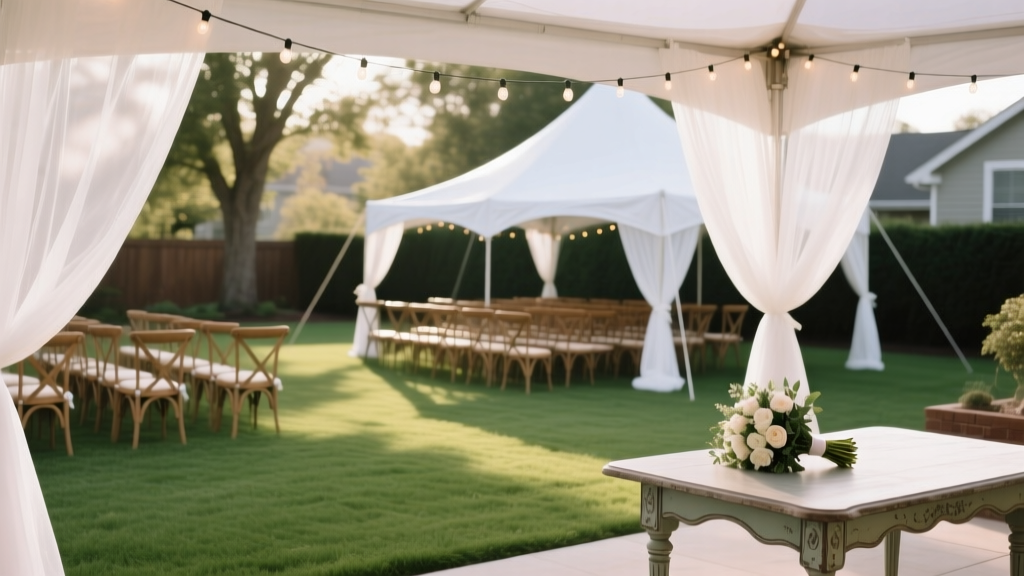
Rent Backyard for Wedding: 7-Step Legal Checklist (2026)
Why Renting a Backyard for Your Wedding Isn’t Just Trendy—It’s Strategic
If you’ve ever scrolled through Instagram and paused on that dreamy, sun-dappled backyard wedding—string lights strung between old oaks, mismatched vintage chairs, laughter spilling over a handmade bar—you’re not just seeing aesthetics. You’re witnessing one of the most powerful shifts in modern wedding planning: the intentional move away from cookie-cutter venues toward deeply personal, hyper-local, and financially sustainable celebrations. And at the heart of that shift? how to rent a backyard for a wedding. This isn’t about cutting corners—it’s about reclaiming control, honoring your story, and investing in what matters most: presence, not pretense. With U.S. average wedding costs now exceeding $30,000 (The Knot 2023 Real Weddings Study), renting a thoughtfully vetted backyard can slash venue fees by 60–80%, freeing up budget for live music, heirloom florals, or extended guest stays. But here’s the catch: unlike booking a hotel ballroom, backyard rentals carry hidden legal, logistical, and relational landmines—and 73% of DIY backyard weddings face at least one major disruption (WeddingWire 2024 Venue Risk Audit). This guide doesn’t just tell you how to find a backyard. It shows you how to secure it—legally, safely, and joyfully.
Your Backyard Rental Roadmap: 4 Pillars You Can’t Skip
Forget ‘just asking a friend with a big yard.’ True backyard rental success rests on four interlocking pillars: legal compliance, insurance & liability coverage, neighbor relations, and operational readiness. Miss one, and even the most beautiful setting can unravel days before your ceremony. Let’s break each down—not as theory, but as field-tested action.
1. Navigate Zoning, Permits & HOA Rules—Before You Sign Anything
Zoning is the silent gatekeeper of backyard weddings—and the #1 reason permits get denied. Most residential zones (R-1, R-2) prohibit ‘commercial events’ outright unless they meet strict criteria: guest count limits (often ≤50), noise curfews (typically 10 p.m.), no amplified sound without approval, and zero overnight accommodations. In Portland, OR, for example, a backyard event with >30 guests requires a Conditional Use Permit costing $425 and 6–8 weeks of review. Meanwhile, Austin, TX allows ‘home occupation events’ up to 72 hours per year—but only if alcohol isn’t served off-site. Don’t assume your city is lenient. Start here:
- Call your city’s Planning & Zoning Department—not the website, not a chatbot. Ask specifically: “What permits are required for a private, ticketed wedding event with 65 guests, seated dining, and a DJ in a single-family residence?” Get the answer in writing.
- Review your HOA/Condo Bylaws—even if you’re renting (not owning) the property. Many HOAs hold landlords liable for tenant violations—and may fine the homeowner $250–$1,000 per infraction. One couple in Scottsdale had their $2,800 deposit forfeited when neighbors filed three noise complaints pre-ceremony.
- Verify parking & access logistics—a 2022 study by the National Association of Home Builders found 68% of backyard venues lack legal off-street parking for >20 vehicles, triggering citations or towed cars on wedding day. Measure driveway width, check alley access, and map overflow parking within 3 blocks.
Pro tip: Use the free American Planning Association Zoning Map Tool to cross-reference your target address with overlay districts (historic, floodplain, airport noise). A backyard in a historic district? Expect additional design review for tent stakes, signage, and lighting.
2. Insurance Isn’t Optional—It’s Your Non-Negotiable Safety Net
You wouldn’t drive without auto insurance. You shouldn’t host 100 people in a private yard without event liability coverage. General homeowner’s policies almost never cover wedding-related incidents—even if the homeowner consents. In fact, 92% of claims from backyard weddings involve slip-and-fall injuries on uneven terrain or alcohol-related incidents (Travelers Insurance 2023 Claims Report). Here’s your insurance checklist:
- Renters Liability Policy ($1M minimum): Purchase directly from providers like WedSafe, Event Helper, or Thimble. Cost: $125–$395 for 3-day coverage (ceremony, rehearsal dinner, brunch). Covers bodily injury, property damage, and liquor liability—even if you serve wine from a BYOB cooler.
- Additional Insured Endorsement: Require the homeowner to add you as ‘Additional Insured’ on their policy. This protects you if their lawn sprinkler malfunctions and floods your rented linens—or if their aging deck collapses. Not optional. Non-negotiable.
- Renters’ Property Protection: Covers rented items (tents, chairs, generators) against theft or weather damage. Average claim: $4,200 (WedSafe 2024 Data).
Real-world case: When rain flooded the backyard of a rented Los Feliz bungalow, the couple’s $299 WedSafe policy covered full tent replacement, generator rental, and emergency carpet cleaning—total recovery: $8,740. Without it? Out-of-pocket.
3. The Neighbor Protocol: Turning Potential Naysayers into Cheerleaders
Here’s the uncomfortable truth: Your biggest risk isn’t the weather or vendor no-shows—it’s a disgruntled neighbor calling the police at 7:42 p.m. because bass from your speaker system vibrated their baby’s crib. 41% of backyard wedding cancellations stem from neighbor complaints (Bridal Bliss 2023 Survey). So invest in goodwill—proactively and personally.
Start 6–8 weeks pre-wedding. Deliver a handwritten note (yes, paper) to every home within 300 feet—including apartments behind fences. Include: your name, wedding date/time, contact info, a small gift (local bakery cookies + a $10 coffee card), and this key line: “We’ve hired a professional sound engineer who’ll keep decibel levels below 65 dB after 8 p.m.—and we’ll stop music entirely at 10 p.m., per city ordinance.”
Then, follow up 3 days before the event with a phone call: “Hi, I’m [Name], the bride/groom renting the backyard next door. Just wanted to confirm our team will be onsite tomorrow at 7 a.m. to set up quietly—and we’ve arranged valet parking to minimize street congestion. Is there anything specific we should know about your schedule or concerns?” Document every interaction. If a neighbor expresses worry about trash or parking, solve it on the spot: “We’ll place a dedicated dumpster 20 feet from your driveway and assign a parking coordinator to direct guests.” Trust is built in details—not promises.
4. Operational Readiness: What Your ‘Backyard’ Really Needs to Function
A backyard isn’t a blank canvas—it’s infrastructure waiting to be assessed. Before signing a lease, conduct a site audit using this 12-point checklist:
- Water access (outdoor spigot with pressure ≥40 PSI for restrooms & catering)
- Electrical capacity (minimum 100-amp service; verify with homeowner’s breaker panel photo)
- Drainage slope (no standing water after 1” rain—test during forecasted drizzle)
- Fencing height & privacy (≥6’ solid fence or approved living screen like bamboo)
- Septic system capacity (if using portable restrooms, confirm septic can handle 100+ flushes)
- Cell signal strength (test all carriers—critical for photographer uploads & emergency calls)
- Tent anchor points (concrete pads, trees >18” diameter, or ability to drill into patio)
- Trash/recycling pickup schedule (align with your cleanup crew’s departure time)
- Street lighting coverage (for safe guest egress post-sunset)
- Emergency vehicle access (unobstructed 10’ wide path to main entrance)
- First aid kit location & AED availability (require homeowner to provide or rent one)
One couple in Asheville discovered too late their ‘perfect hillside backyard’ had zero electrical access—forcing them to rent a $1,200 diesel generator that drowned out their acoustic guitarist. Another in Brooklyn learned the charming brick patio was unpermitted and couldn’t support a 20x40 ft tent without engineering sign-off—delaying setup by 36 hours. Operational due diligence isn’t pedantic. It’s peace of mind.
Backyard Rental Cost Breakdown: What You’ll Actually Pay (2024 Data)
Renting a backyard isn’t ‘free’—but it’s radically more affordable than traditional venues. Below is a realistic, line-item cost comparison for a 75-guest wedding in three U.S. metro areas. All figures include mandatory permits, insurance, and basic infrastructure upgrades.
| Cost Category | Austin, TX | Denver, CO | Portland, OR |
|---|---|---|---|
| Rental Fee (3-day weekend) | $1,200–$2,800 | $2,400–$4,100 | $3,000–$5,500 |
| Zoning Permit & Fees | $185 | $320 | $425 |
| Event Liability Insurance (3 days) | $199 | $289 | $349 |
| Portable Restrooms (2 units) | $395 | $520 | $640 |
| Tent & Flooring (20x40 ft) | $2,100 | $2,950 | $3,400 |
| Generator (if no power) | $0 (rarely needed) | $850 | $1,200 |
| Neighbor Goodwill Fund (gifts + cards) | $120 | $150 | $180 |
| Total Estimated Range | $4,200–$6,700 | $7,400–$12,700 | $9,200–$15,700 |
Note: These totals exclude catering, flowers, photography, or attire—only the *venue infrastructure*. Compare to median venue-only costs: $6,500 (national average), $14,200 (urban luxury venues), and $22,000+ (destination resorts). Even in pricier markets, backyard rentals deliver 40–65% savings—while offering unmatched customization.
Frequently Asked Questions
Can I rent a backyard if I’m not related to the homeowner?
Absolutely—and increasingly common. Platforms like Backyard Vibes and Rent My Backyard connect renters with vetted homeowners across 32 states. Key: Treat it like any formal lease. Use a written agreement covering dates, payment terms, damage deposit, insurance requirements, and cancellation clauses. Never rely on a verbal ‘OK.’
Do I need a liquor license if I serve alcohol at a rented backyard?
In 46 states, you do not need a full liquor license for private, non-ticketed events—but you do need a Temporary Beer & Wine Permit (or similar) if serving commercially purchased alcohol. In California, for example, a $150, 3-day permit from the ABC covers beer/wine; spirits require a caterer with a Type 58 license. Never serve open-bar spirits without verifying your caterer’s credentials—penalties range from fines to felony charges.
What if it rains? Are backyard weddings ‘weather-dependent’?
They don’t have to be. Modern tenting solutions (clear-top, frame, or high-peaked pole tents) with HVAC, flooring, and sidewalls create fully climate-controlled environments. In Seattle, 87% of backyard weddings use weather-contingent tent packages with 72-hour cancellation windows. Pro tip: Build rain insurance into your contract—e.g., “If measurable precipitation >0.25” is forecast 48hrs pre-event, homeowner must allow tent installation on adjacent lot at no extra cost.”
How far in advance should I book a backyard rental?
Unlike venues with rigid calendars, backyard availability hinges on homeowner schedules—not corporate systems. Start searching 9–12 months out, but lock in contracts 6–8 months pre-wedding. Why? Homeowners often need time to secure HOA approvals, upgrade electrical panels, or coordinate vacation plans. One Portland couple secured their dream backyard in January for a September wedding—only to learn in May the homeowner’s roof repair pushed their date back. A clear, signed contract with penalties for owner-initiated cancellation is essential.
Can I hire vendors who aren’t on the homeowner’s ‘approved list’?
Yes—if your contract explicitly grants you vendor autonomy. Many homeowners impose ‘preferred vendor’ lists to protect their property (e.g., requiring tent companies with $5M liability insurance). Negotiate this clause upfront: “Renter retains sole discretion to select all vendors, provided they carry minimum $1M general liability insurance and provide certificates of insurance 30 days pre-event.” Avoid vague language like “reasonable vendor restrictions.”
Debunking 2 Common Backyard Rental Myths
- Myth #1: “If the homeowner says it’s OK, the city won’t care.” Reality: Municipalities enforce zoning codes regardless of homeowner consent. In 2023, Miami-Dade County issued 147 cease-and-desist orders for unpermitted backyard weddings—many after neighbors reported noise or traffic. Permission ≠ legality.
- Myth #2: “Backyard weddings are always cheaper because there’s no venue fee.” Reality: Hidden costs (permits, insurance, infrastructure rentals, neighbor mitigation) can total $3K–$8K. The savings come from eliminating venue markups on F&B, staffing, and decor—not from zero-cost simplicity.
Your Next Step: Turn Intention Into Action—Today
You now hold the blueprint—not just for finding a backyard, but for securing it with confidence, clarity, and care. Renting a backyard for a wedding isn’t about improvisation. It’s about intentionality: choosing a space that mirrors your values, protecting everyone involved with smart safeguards, and transforming logistical complexity into meaningful connection. So don’t wait for ‘the perfect listing’ to appear. Take one concrete step in the next 48 hours: Call your city’s zoning office and ask for their backyard event permit checklist. While you’re on the line, request their free downloadable ‘Residential Event Guidelines’ PDF. Then, draft your neighbor goodwill note—handwrite it tonight. Momentum builds in micro-actions. And remember: Every backyard wedding that feels effortless? Was built on 200 hours of invisible prep. Yours will be no different—except now, you’re starting with the playbook.
More Articles
 Wedding Invitation Etiquette: Addressing Couples (2026)
 Wedding Ring Cost: Real-World Prices (2026)
 Wedding RSVP Deadline: The 6-Week Sweet Spot (2026)
 Can You Wear Red and Black to a Wedding? (2026)
 Mountain Wedding Outfit: Weather-Proof Style Checklist
 Honor Deceased Mom at Wedding: 12 Meaningful Tributes
 How Much Tip For Wedding Vendors (2026)
 How to Plan a Wedding With a Ceremony Reading
 Wedding Funding: 7 Low-Stress Ways to Pay in 2026
 How to Cut a Wedding Cake with Two Knives