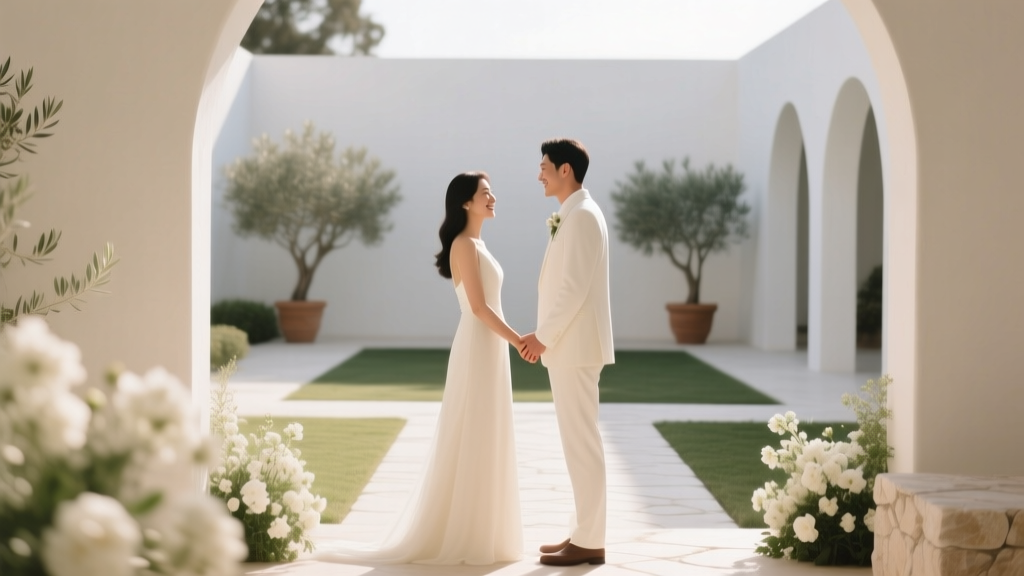
Micro Wedding Planning Guide for Intimate Celebrations
If you’re dreaming of a wedding that feels more like your favorite dinner party than a ballroom production, you’re in the right place. Micro weddings have a special kind of magic: fewer guests, deeper conversations, and a day that actually feels like you. No rushing table to table. No pressure to perform. Just the people who matter most, celebrating your relationship in a meaningful way.
A lot of couples choose an intimate wedding because they want to prioritize experience over extras—amazing food, a location with heart, and details that feel personal rather than “expected.” Others arrive here after realizing their original plans felt stressful or expensive. Either way, planning a micro wedding still takes strategy. The guest list may be smaller, but the decisions are real—venue, budget, timeline, attire, photography, and how to make it feel like a wedding (not just a dinner).
This guide walks you through micro wedding planning step-by-step, with real scenarios, budget considerations, and planner-level tips so your intimate celebration feels effortless, intentional, and unforgettable.
What Counts as a Micro Wedding?
A micro wedding is typically an intimate wedding with about 10–50 guests (some couples stretch to 60). It’s different from an elopement (usually just the couple + a few witnesses) and different from a minimony (often a small legal ceremony now with a bigger celebration later).
Why couples love micro weddings
- More budget per guest (hello, elevated menu and premium bar)
- Less pressure and fewer “obligations”
- More flexibility on venues—restaurants, gardens, private homes, boutique hotels
- More quality time with everyone who attends
- More personal touches that don’t get lost in a crowd
Step 1: Choose Your Micro Wedding Vision (Before You Book Anything)
Micro weddings work best when the couple is aligned on what matters. Before you scroll venues or pin centerpieces, set your “north star.”
The 15-minute vision exercise
- Pick 3 priorities (examples: photography, food & wine, live music, meaningful ceremony location, a stunning outfit)
- Pick 3 words for the vibe (examples: candlelit, coastal, garden, modern, vintage, playful, minimalist)
- Decide the guest experience: Is this a ceremony + dinner? A weekend getaway? A backyard celebration with late-night dancing?
Real-world scenario
Example: Maya and Jordan wanted “cozy, elegant, and relaxed.” Their top priorities were photography, an incredible dinner, and time with guests. They skipped a large bridal party, booked a private room at a restaurant, and planned a short ceremony in a nearby garden followed by a chef’s tasting menu.
Step 2: Nail the Guest List (The Heart of a Micro Wedding)
The guest list is the biggest lever in micro wedding planning. It affects budget, venue options, and the entire mood.
A simple guest list method that prevents drama
- Start with “must-have”: immediate family, closest friends, anyone you can’t imagine the day without
- Add “would love”: people you deeply care about but could celebrate with another time
- Keep “nice-to-have” separate: coworkers, distant relatives, plus-ones you haven’t met
Micro wedding guest list rules you can borrow
- Plus-ones: consider “only serious partners” or “only if we’ve met them”
- Kids: decide early—kid-friendly can be lovely, but it changes logistics and budget
- Family expectations: if parents contribute financially, clarify whether that includes guest input
Pro tip
If you’re worried about hurt feelings, plan a separate celebration: a casual hometown brunch, a backyard open house, or a post-wedding party later in the year.
Step 3: Set a Micro Wedding Budget (Yes, You Still Need One)
A smaller guest count doesn’t automatically mean a cheap wedding. Micro weddings often shift spending toward quality: better food, a unique venue, luxe florals, or a dream photographer.
Common micro wedding budget ranges (very general)
- 10–20 guests: $5,000–$20,000+
- 20–40 guests: $12,000–$35,000+
- 40–60 guests: $20,000–$60,000+
Budget categories to prioritize
- Venue + food + beverage: often 40–60% of the total
- Photography/videography: 10–20%
- Attire + beauty: 5–15%
- Flowers + décor: 5–15%
- Music/entertainment: 3–10%
- Stationery + misc.: 2–8%
Budget-saving ideas that still feel elevated
- Choose a restaurant buyout or private dining room (tables, chairs, staff, and ambiance are built in)
- Use ceremony florals as reception décor (arch arrangements move behind your sweetheart table)
- Focus on statement pieces (one lush installation or a candle-heavy tablescape) instead of decorating everything
- Skip favors and invest in a welcome cocktail or late-night treat
Step 4: Pick the Right Venue for an Intimate Wedding
Micro wedding venues should feel intentional—not “we rented a big space and left it half empty.” The best options are naturally scaled for your guest count.
Venue ideas that shine for micro weddings
- Private dining room at a favorite restaurant
- Boutique hotel courtyard or rooftop
- Backyard (yours, a family home, or a rental with permission)
- Small art gallery, greenhouse, or studio space
- Park or garden ceremony + nearby dinner
- Airbnb/estate rental (always confirm event rules and permits)
Micro wedding venue checklist
- Capacity: seated dinner vs. cocktail-style changes the number
- Noise rules: especially for outdoor or residential spaces
- Weather plan: tents, heaters, indoor backup, or seasonal timing
- Accessibility: stairs, parking, restrooms, mobility needs
- Vendor restrictions: preferred caterers, amplified music limits, insurance requirements
- Timing: how many hours are included and when you can access the space
Real-world scenario
Example: Sam and Priya booked a charming wine bar for 35 guests. The venue required a food-and-beverage minimum rather than a rental fee, so their budget went directly into a family-style dinner, a curated wine pairing, and a dessert table. They added a short ceremony in the same space by rearranging furniture during cocktail hour.
Step 5: Build a Timeline That Feels Relaxed (Not Rushed)
One of the best parts of an intimate wedding is breathing room. The key is a simple, guest-friendly flow.
Micro wedding planning timeline (quick guide)
- 6–9+ months out: choose guest count, set budget, book venue and photographer
- 4–6 months out: book officiant, catering (if needed), florist, and hair/makeup; choose attire
- 2–4 months out: finalize menu, rentals (if needed), music, ceremony plan, invitations
- 4–8 weeks out: confirm timeline, finalize seating, write vows, confirm vendor details
- 1–2 weeks out: final headcount, final payments, pack day-of items, print any signage
Sample micro wedding day timeline (ceremony + dinner)
- 2:00 PM Hair & makeup finishing touches
- 3:00 PM First look + couple portraits
- 4:00 PM Guests arrive; welcome drink
- 4:30 PM Ceremony (15–20 minutes is perfect)
- 5:00 PM Cocktail hour + family photos
- 6:00 PM Dinner + toasts
- 7:45 PM Cake/dessert + first dance (if you want one)
- 8:15 PM Open dancing, games, or a cozy lounge vibe
- 10:00 PM Last call / send-off
Pro tip
With small guest counts, photos can take less time—unless you add lots of locations. If you want a relaxed day, keep portraits to one primary area and limit family groupings to the essentials.
Step 6: Design Details That Feel Personal (Not Overdone)
Micro weddings give you room to be intentional. Guests will notice the thoughtful touches because they’re close enough to experience them.
High-impact micro wedding details
- Meaningful ceremony: personal vows, a reading from a friend, a ring-warming circle
- Family-style or tasting menu dinner: encourages connection and conversation
- Curated place settings: menu cards, linen napkins, handwritten place cards
- Candlelight: clusters of votives instantly elevate intimate spaces
- Personal music: a playlist built from your relationship milestones or a small live trio
Florals and décor for small weddings
- Prioritize the ceremony focal point and the table where you’ll sit
- Use compote arrangements and bud vases for a layered look without huge cost
- Consider greenery-heavy designs with a few premium blooms
Step 7: Vendors You’ll Actually Want (And What You Can Skip)
Micro wedding planning can be simpler, but you still want a strong team—especially if you’re doing a non-traditional venue or hosting at home.
Often worth it
- Photographer: intimate moments are the whole point—don’t skimp here if photos matter to you
- Day-of coordinator: even a few hours of coordination protects your peace
- Officiant: a great ceremony sets the tone for the day
- Catering or restaurant team: great food is a micro wedding superpower
Sometimes optional
- Bridal party: you can skip it and still include friends in meaningful ways (readings, toasts, getting ready together)
- DJ or full band: for 15–30 guests, a curated playlist and quality speakers can be perfect
- Extensive rentals: if a venue already looks great, keep it simple
Common Micro Wedding Mistakes to Avoid (Planner Notes)
- Inviting too many people “just in case.” Micro weddings only work when the guest list matches the vision. Be brave and keep it intimate.
- Forgetting the guest experience. Small doesn’t mean casual about comfort—think seating, shade, restrooms, and pacing.
- Underestimating backyard logistics. Home weddings can be stunning, but you may need rentals, lighting, parking plans, and permits.
- Skipping a rain plan. Even a light drizzle can derail an outdoor ceremony without a backup.
- Overstuffing the day. The best micro weddings have space for real conversation and spontaneous moments.
Pro tips from wedding planners
- Create a “moment map.” List 5 moments you want: a quiet first look, a toast from a sibling, a sunset photo, a shared last dance, etc. Build the timeline around those.
- Feed people well and early. If dinner is later, add substantial appetizers—hangry guests feel bigger than a small guest list.
- Assign point people. Even with a coordinator, designate someone for gifts/cards, someone for family wrangling, and someone for end-of-night pickups.
Micro Wedding Planning Checklist (Quick Reference)
- Decide guest count and non-negotiables
- Set budget + a 10% buffer
- Book venue + photographer
- Choose ceremony location + officiant
- Book food and beverage (restaurant, caterer, or private chef)
- Plan a weather backup and comfort items (heaters, fans, umbrellas)
- Send invitations (and be clear about plus-ones and kids)
- Finalize timeline and family photo list
- Plan personal details (vows, readings, music, seating)
- Confirm vendor logistics + payments
- Pack day-of items (rings, vow books, marriage license, vendor tips)
FAQ: Micro Wedding Planning
How many guests should a micro wedding have?
Most micro weddings fall between 10 and 50 guests. The best number is the one that fits your priorities, venue, and budget—and still allows you to spend real time with each guest.
Is a micro wedding cheaper than a traditional wedding?
It can be, but not always. You’ll likely spend less overall, but many couples choose to upgrade the experience (better food, higher-end photography, premium florals). The big win is more value per guest.
What’s the best venue type for a micro wedding?
Restaurants, boutique hotels, small event spaces, and private homes are popular because they feel naturally intimate. Look for spaces that don’t require you to “fill” the room to make it feel festive.
Do we need a wedding planner for a micro wedding?
You don’t have to, but many couples love having at least a day-of coordinator. Even intimate weddings have moving parts, and having a pro manage vendors and timing lets you stay present.
How do we handle people we can’t invite?
Keep your message kind and clear: you’re planning a very small celebration and keeping it immediate family/closest friends. If it helps, plan an additional casual gathering later so more loved ones can celebrate with you.
What makes a micro wedding still feel like a “real” wedding?
A meaningful ceremony, intentional styling (even simple candles and florals), and a clear flow—ceremony, a toast, a special meal, a first dance or shared moment—make it feel unmistakably like a wedding, just more personal.
Your Next Steps
Start with your guest list and your top three priorities—those two choices will guide almost every other decision. Then book the venue and photographer early, build a relaxed timeline, and design a celebration that feels like the best version of a night with your favorite people.
You’re not “doing less.” You’re choosing intimacy, intention, and a wedding day that leaves room for real joy. When you’re ready, explore more planning guides and ideas on weddingsift.com to keep your micro wedding plans moving forward with confidence.
More Articles
 Wedding Witness Age Requirements (2026)
 Tulip Bouquets for Weddings: 7 Steps to Prevent Drooping
 Wedding Flowers: Where to Buy (2026) | Avoid Overpaying
 Wedding Videographer: When You Need One (2026)
 Wedding Parking and Logistics Planning Guide
 Tights to a Wedding? Etiquette Rules & Red Flags (2026)
 How Much For Wedding Tent Rentals (2026)
 Wedding Invitation Details: The Essential Checklist
 Do I Need a Wedding Veil? (2026)
 Venue Buying Guide: Practical Steps, Cost Benchmarks, and Real-World Decision Criteria