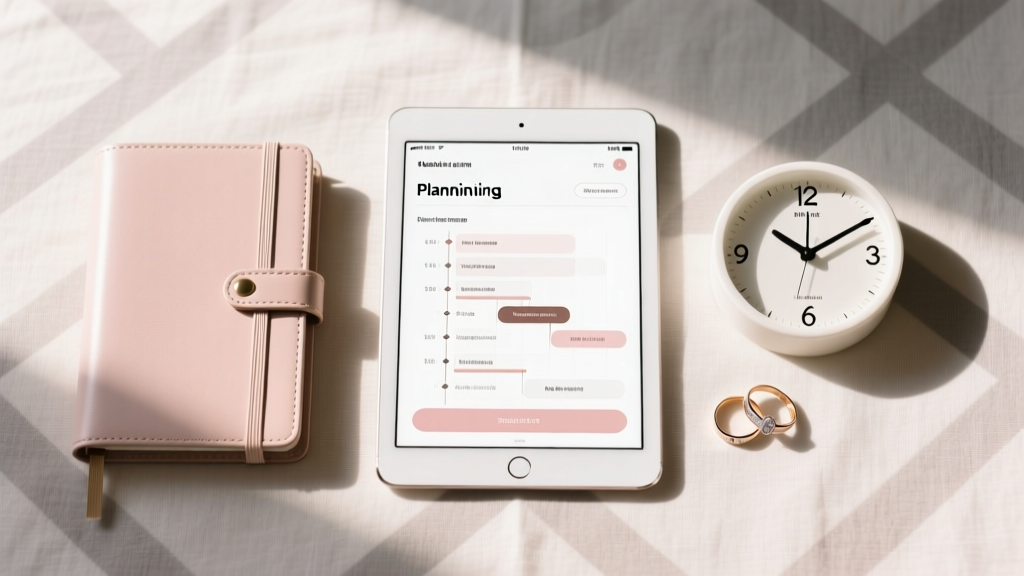
Wedding Planning How to Manage Vendor Setup Times
You’ve spent months choosing the perfect venue, building a vendor dream team, and picturing how the day will feel. Then you open your timeline and realize something no one puts on a Pinterest board: setup time. When does the florist actually arrive? How long does it take to hang lights? What happens if hair and makeup runs late and the photographer can’t get “detail shots” before you’re dressed?
Managing vendor setup times is one of those behind-the-scenes planning skills that quietly protects your peace. When setup is thoughtfully scheduled, everyone can do their best work, your venue rules are respected, and you’re far less likely to pay rush fees or overtime.
This guide will walk you through a practical, planner-style approach—so your vendors aren’t tripping over one another, your décor looks finished when guests arrive, and you feel calm walking into the day you’ve been imagining.
What “Vendor Setup Time” Really Means (and Why It Matters)
Vendor setup time is the window each professional needs to deliver, unload, build, style, test, and finalize their work before guests arrive (or before the ceremony begins). It’s not just “arrival time.” It’s the entire process from first car door opening to “hands off, ready for photos.”
Setup time typically includes:
- Load-in and unloading: parking, carrying items, elevator access, venue check-in
- Installation: building structures, arranging tables, placing florals, lighting
- Styling and finishing: final touches, steaming linens, aligning chairs, candles
- Testing: sound checks, lighting checks, photo walkthroughs
- Coordination: confirming layout, timing, and any last-minute changes with the venue/coordinator
Getting this right impacts your wedding day timeline, your wedding budget (hello, overtime), and the overall guest experience. It also affects photography—many couples want “getting ready” and “detail shots,” which require certain items to be available early.
Start With Your Venue: The Rules Drive the Timeline
Your venue determines the earliest possible setup start time—and sometimes the latest time you must be out. Before you build a schedule, gather these specifics (in writing if possible).
Venue questions to ask (copy/paste checklist):
- What time can vendors begin load-in?
- Are there restrictions on noise, deliveries, or elevators at certain hours?
- Is there a required walkthrough or check-in for vendors?
- Where do vendors park, and is parking paid?
- How far is the loading area from the event space?
- What’s the earliest time tables/chairs can be placed?
- Do you provide staff for moving furniture, or do vendors/couple handle it?
- What’s the end time, and when must vendors be fully loaded out?
- Are there venue-approved vendor lists (lighting, rigging, open flame, etc.)?
Budget note:
If your venue only allows setup a few hours before guests arrive, you may need to budget for additional labor (extra florist assistants, lighting crew, moving team) to compress installation time.
Know Typical Setup Times by Vendor (Realistic Estimates)
Every wedding is different, but these ranges can help you plan realistic blocks. Always confirm with your actual vendor team—especially if your design is complex or your venue has tight access.
- Planner/Coordinator: 6–10 hours (full-day presence; earlier if lots of décor to manage)
- Rentals (tables/chairs/linens): 2–4 hours (more if flips or multiple rooms)
- Catering: 3–6 hours (depends on kitchen access, prep needs, staffing)
- Bar service: 2–3 hours (plus ice delivery timing)
- Florist: 2–6 hours (centerpieces only vs. ceremony installs, arches, hanging pieces)
- DJ/Band: 1–3 hours (band usually needs more time than a DJ)
- Lighting/AV: 3–8 hours (uplighting vs. rigging, truss, pin spots, custom installs)
- Photographer: 30–60 minutes for detail shots (requires items staged and ready)
- Hair and Makeup: 4–8 hours total depending on number of people; include buffer
- Cake/Dessert delivery: 30–90 minutes (longer if stacking on-site)
Build Your Setup Plan in 6 Steps
This is the planner method: start with your ceremony time and work backward, then layer in vendor dependencies so setup flows smoothly.
Step 1: Lock in “non-negotiable” event times
- Ceremony start time
- Guest arrival time
- Reception start time
- End time (music off, bar closed, venue exit)
Step 2: Decide what must be photo-ready early
If you want flat-lays and detail photos, your photographer needs items ready before they arrive (or right when they arrive).
Create a small “details box” and assign someone (planner, MOH, family member) to deliver it to your getting-ready location:
- Invitation suite
- Rings (and ring box if you have one)
- Vow books, perfume/cologne, heirlooms
- Ribbon, styling pieces (optional)
- Any special gifts or notes
Step 3: List every vendor and what they’re responsible for
Include anyone delivering or installing something—photobooth, signage, lounge rentals, live painter, etc. Next to each, note:
- Setup duration estimate
- Earliest possible arrival (based on venue rules)
- Hard deadline (must be finished by)
- Dependencies (what must happen before they can start)
Step 4: Map dependencies so vendors don’t block each other
Some vendors can’t fully set until others go first. Common dependencies:
- Rentals before florals: centerpieces can’t be placed without tables
- Lighting before draping/florals: rigging is easier with clear access overhead
- Catering access: kitchen load-in shouldn’t be blocked by ceremony décor deliveries
- Signage after layout confirmation: escort display depends on final table numbers
Step 5: Add buffers (this is where calm comes from)
Build in extra time for real life: traffic, elevator lines, missing extension cords, a torn linen. A good rule:
- Add 15–30 minutes buffer to small setups (cake, photobooth)
- Add 30–60 minutes buffer to large installs (florals, lighting, full room flips)
- Add 10–15 minutes between vendors sharing the same space/loading area
Step 6: Share a “Vendor Setup Schedule” document
Create one clean page that includes:
- Venue address + loading entrance instructions
- Parking details + contact person on-site
- Each vendor’s arrival window and finish-by time
- Who is receiving deliveries (name + phone number)
- Rain plan notes (if applicable)
Send it to your planner/coordinator first, then your venue, then vendors. Confirm they agree with the times—don’t assume.
Sample Setup Timelines (Real-World Scenarios)
Scenario 1: Hotel ballroom wedding with a 5:30 PM ceremony
- 10:00 AM Rentals load-in (tables, chairs, linens)
- 11:30 AM Lighting/AV begins (pin spots, uplights, mic check)
- 1:30 PM Florist arrives (ceremony pieces + reception centerpieces)
- 2:30 PM Catering prep begins (kitchen access, place settings staged)
- 3:30 PM Photographer detail shots (invite suite, rings, dress, bouquet if available)
- 4:30 PM Ceremony décor fully finished and photo-ready
- 5:00 PM Guests begin arriving
- 5:30 PM Ceremony starts
Why it works: rentals and lighting happen early while the room is clear. Florals go in after tables are set, and the ceremony area is finished well before guests arrive.
Scenario 2: Outdoor garden wedding with tight access and a rain plan
- 8:00 AM Tent/lighting crew starts (earliest load-in; weather check)
- 11:00 AM Rentals deliver (chairs, lounge furniture, bars)
- 1:00 PM Florist arrives (arch install first, then aisle markers)
- 2:30 PM Coordinator confirms rain plan decision deadline with venue
- 3:00 PM Catering arrives (kitchen tent/back-of-house setup)
- 4:00 PM Final walkthrough + signage placed
- 4:30 PM Guest arrival
- 5:00 PM Ceremony
Planner pro tip: Set a firm “rain plan decision time” (often 3–4 hours before ceremony). Vendors need time to pivot layouts, and you don’t want guests arriving to a half-changed setup.
Scenario 3: One space for ceremony and reception (a room flip)
Room flips require extra strategy. If you can, consider a cocktail hour in a different area to buy time.
- 12:00 PM Rentals + catering set reception tables to the side or in an adjacent room
- 2:00 PM Ceremony chairs set and aisle prepared
- 3:00 PM Florist installs ceremony décor (repurposable pieces)
- 4:00 PM Ceremony
- 4:30 PM Cocktail hour begins elsewhere; flip team resets room
- 5:15 PM Florist repurposes ceremony flowers to reception
- 5:30 PM Reception doors open
Budget consideration: Flips often require extra labor (planner assistants, venue staff, rental team). Ask vendors their flip fee upfront.
Step-by-Step Checklist: Managing Vendor Setup Like a Pro
- Collect vendor contracts and highlight setup/strike times, overtime rates, and what’s included.
- Confirm venue access rules and loading logistics.
- Create a master load-in schedule with arrival windows (not one exact minute).
- Assign a point person to receive deliveries (planner/coordinator preferred).
- Build buffers for traffic, parking, and installation complexity.
- Plan for power: outlets, extension cords, generators if needed, and who provides them.
- Label everything: décor bins, signage, favors, place cards, and where each item goes.
- Confirm teardown plan: who packs personal items, who returns rentals, and end-of-night access rules.
- Reconfirm 1–2 weeks out with each vendor: arrival time, contact numbers, and any changes.
- Share the final timeline with wedding party/family so no one accidentally disrupts setup.
Common Mistakes Couples Make (and How to Avoid Them)
Mistake 1: Scheduling everyone to arrive at the same time
If the florist, rentals team, and DJ all show up at noon, you get a loading dock traffic jam. Stagger arrivals in 15–30 minute windows and prioritize vendors who need empty space first (rentals, lighting).
Mistake 2: Forgetting “hidden” time like parking and elevators
A downtown venue with paid parking and one elevator can add 30–60 minutes to setup. Ask vendors what they typically experience at your venue.
Mistake 3: Not planning for early access costs
Some venues charge for early access or require you to book extra hours. Compare the cost of early access vs. paying multiple vendors overtime or rush labor.
Mistake 4: Underestimating DIY décor setup
DIY looks beautiful, but it takes time. If you’re providing signage, favors, welcome table items, or centerpieces, decide:
- Who sets it up
- When they’ll do it (and if they’ll be dressed for photos)
- Whether you should hire a coordinator assistant instead
Mistake 5: No clear teardown plan
At the end of the night, everyone is tired—and items go missing. Create a quick “end-of-night” checklist for gifts, cards, décor, leftover cake, and personal items.
Wedding Planner Pro Tips for Smooth Setup (and a Happier Budget)
- Use arrival windows, not exact times: “1:00–1:30 PM” reduces stress when traffic happens.
- Ask vendors what they need to start: “Do you need the room empty?” “Do you need tables placed?”
- Pay attention to overtime clauses: Many vendors charge in hourly increments after contracted time.
- Consider a “setup-only” assistant: If you have lots of décor, hiring extra hands can be cheaper than vendor overtime.
- Bundle deliveries where possible: Fewer cars and fewer check-ins can save time (ask if your florist can bring candles or small décor you’ve purchased, if they’re comfortable).
- Create a labeled floor plan: Even a simple diagram helps vendors execute quickly.
- Prep a “vendor hospitality” station: Water and quick snacks in the back-of-house area keeps the team energized (and it’s a kind touch).
FAQ: Vendor Setup Times and Wedding Day Logistics
How early should vendors arrive before the ceremony?
Many weddings benefit from major vendors arriving 4–8 hours before ceremony, depending on complexity and venue access. For large installs (lighting, tenting, extensive florals), setup may start the day before if the venue allows.
What if my venue only allows a short setup window?
Ask vendors how they would adapt. Solutions often include adding labor, simplifying installations, pre-building off-site, or renting pre-set décor packages. Confirm any added fees early so your wedding budget doesn’t get surprised later.
Do I need a day-of coordinator to manage setup times?
If you have multiple vendors and any décor or timeline complexity, a coordinator is one of the best stress-saving investments. They manage arrivals, answer vendor questions, troubleshoot, and protect your timeline so you can stay present.
How do I handle setup when ceremony and reception are in the same space?
Plan a room flip with a dedicated team (venue staff, coordinator assistants, rental team). Give yourself a strong buffer with cocktail hour in a separate area, and choose décor that can be repurposed quickly.
What’s the best way to prevent vendor overtime charges?
Create a timeline with buffers, confirm venue access, and make sure vendors can start on time (clear loading info, parking instructions, and a point person). Also confirm teardown timing—overtime often happens at the end of the night when exits are delayed.
Should I build setup times into my wedding day timeline document?
Yes—include a vendor-facing version that lists arrival windows, load-in instructions, and finish-by times. You can keep your couple-facing timeline more streamlined, but your vendor schedule should be specific.
Your Next Steps: A Calm, Coordinated Setup Plan
If you want the day to feel effortless, give setup the same care you give your ceremony and reception details. Start by confirming venue access rules, then build a vendor setup schedule that accounts for dependencies and real-life buffers. When each team member knows where to go, when to arrive, and who to contact, your wedding day timeline becomes something you can trust.
Action plan for this week:
- Pull your venue contract and write down vendor access hours and load-in instructions.
- Email each vendor: “How much setup time do you need, and what do you need in place before you begin?”
- Create a one-page vendor setup schedule and share it with your planner/coordinator and venue for feedback.
- Add buffer time and confirm overtime rates so your budget stays protected.
You’re not being “extra” by planning this—this is what makes the whole day run smoothly. For more supportive, practical wedding planning help, explore more guides on weddingsift.com.
More Articles
 Wedding Present Amount: 2026 Regional Guide
 Wedding Planning How to Choose Centerpieces
 Church Wedding Cost: $0–$15,000+ (2026)
 How to Dress for a Destination Wedding (2026)
 Wedding Photographer Cost: $1,500 vs $5,000 (2026)
 How Much a Wedding Costs in the US (2026)
 How To Match Budget With Comparison: A Practical Framework for Smarter Spending Decisions
 Cricut Wedding Invitations: Easy 7-Step Guide (2026)
 Wedding Mantel Decorating: 7 Steps in Under 90 Minutes
 Ask Groomsmen to Wedding: 7 Powerful Ways (2026)