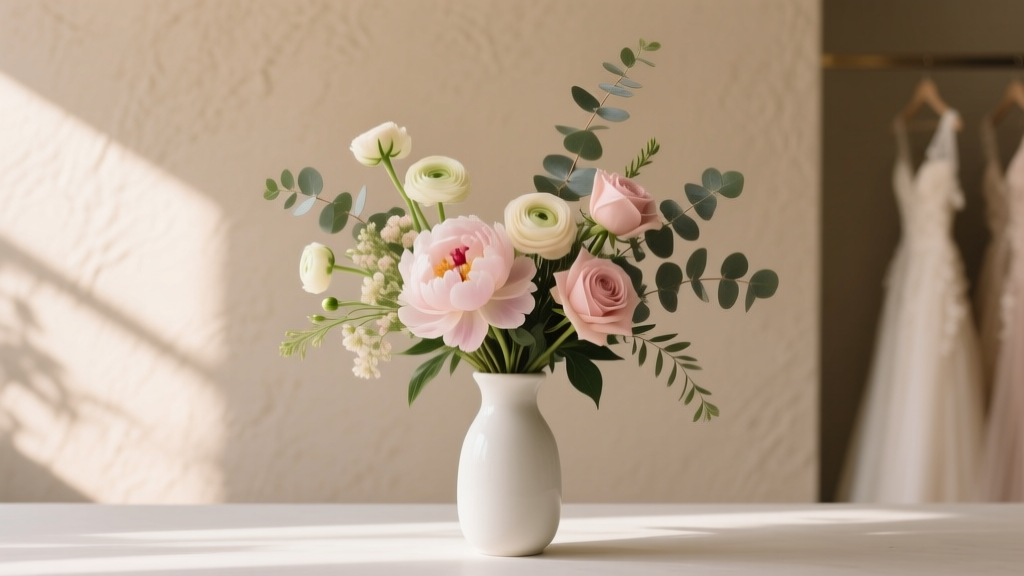
Wedding Planning Seasonal Flower Availability Guide
You’ve probably pinned a bouquet (or ten) that made your heart skip—only to hear a florist say, “That bloom isn’t in season for your date.” It can feel like a buzzkill in the middle of the fun parts of wedding planning. The good news: you don’t have to give up the look you love. You just need the right timing, smart substitutions, and a plan that works with nature (and your budget) instead of against it.
Flowers are one of the most emotional design choices you’ll make. They show up in your photos, set the mood for your ceremony, and literally surround your guests during the moments they’ll remember. This guide will help you understand seasonal flower availability, build a realistic floral vision for your wedding date, and avoid the most common (and costly) mistakes couples run into.
Think of this as your florist-friend cheat sheet: what blooms are likely available by season, how to make seasonal choices feel personal, and how to keep your wedding flowers beautiful without overspending.
Why Seasonal Flower Availability Matters (More Than You Think)
Seasonal availability affects your wedding flowers in three big ways:
- Cost: In-season blooms are typically less expensive and easier to source. Out-of-season flowers often require importing, greenhouse growing, or specialty ordering.
- Quality: Flowers in their natural season tend to be fresher, more vibrant, and longer-lasting—especially important for bridal bouquets and ceremony arrangements.
- Design flexibility: When your choices align with what’s readily available, your florist can focus on creating stunning arrangements instead of troubleshooting sourcing issues.
A quick reality check that actually helps: flower seasons vary by region and supplier. A peony-heavy design might be easy for a May wedding in one area and a headache in another. Your florist’s network matters, and so does your willingness to consider “look-alike” blooms.
How to Use This Guide (and Talk to Your Florist Like a Pro)
Step-by-step: Get aligned on flowers before you fall in love with the wrong bouquet
- Start with your wedding date and location. A September wedding in California and a September wedding in Vermont don’t always have identical availability.
- Choose a vibe first, then specific flowers. Romantic garden, modern minimalist, wildflower meadow, classic white-and-green—this gives your florist room to work seasonally.
- Make a “must-have / nice-to-have” list. Pick 1–3 must-have elements (like a specific flower or color) and let the rest be flexible.
- Ask for seasonal recommendations and substitutes. A great florist will offer options that match the same shape, texture, and feel.
- Plan a budget-friendly floral “focal point” strategy. Spend on the pieces that show up most (bouquet, ceremony arch/altar, head table) and simplify elsewhere.
Quick checklist to bring to your florist consultation
- Your date, venue address, and ceremony/reception times
- Inspiration photos (5–10 max) that show your preferred style
- Color palette (include neutrals + metal accents)
- Guest count and table styles (rounds, long tables, mix)
- Items you need: bouquet(s), boutonnieres, ceremony flowers, centerpieces, bar arrangements, etc.
- Your estimated floral budget range (even a ballpark helps)
Seasonal Flower Availability by Wedding Season
Below are seasonal “usual suspects.” Availability can shift based on climate and supply chains, but this is a solid starting point for wedding planning.
Spring Wedding Flowers (March–May)
Spring is a favorite for a reason: soft color palettes, romantic textures, and that fresh-from-the-garden look.
- Peonies (late spring, especially May/early June in many regions)
- Tulips (wide range of colors; great for modern and classic designs)
- Ranunculus (layers like a rose; often available late winter through spring)
- Anemones (high contrast centers; chic for black-and-white palettes)
- Sweet peas (delicate, fragrant, romantic)
- Lilac (short season; dreamy scent; can be tricky to source)
- Hellebore (moody, elegant; great for early spring)
Real-world scenario: You’re planning an April wedding and love peonies. Your florist may suggest using ranunculus or garden roses as the main bloom, then adding a few premium peonies if they’re available (or using imported peonies at a higher price). You still get the lush look without building the whole design around an unpredictable flower.
Summer Wedding Flowers (June–August)
Summer brings abundance and bold color. It’s also heat season—so durability matters.
- Roses (available year-round, but often excellent quality in summer)
- Dahlias (mid/late summer; statement bloom for bold centerpieces)
- Zinnias (bright, playful, great for garden-party weddings)
- Sunflowers (summer into early fall; rustic and cheerful)
- Lisianthus (rose-like, elegant, often budget-friendly)
- Delphinium (tall blue tones; lovely for ceremony arrangements)
- Hydrangea (popular for volume; can wilt in high heat if not conditioned well)
Real-world scenario: You’re getting married outdoors in July at 4 p.m. Your florist may steer you away from heat-sensitive blooms for boutonnières and bouquets, or recommend:
- Sturdy flowers like roses, lisianthus, orchids
- Keeping bouquets in water and shade until photos
- Delivering personal flowers closer to ceremony time
Fall Wedding Flowers (September–November)
Fall is all about texture: warm tones, rich greenery, berries, and interesting shapes.
- Dahlias (early fall peak; perfect for dramatic palettes)
- Chrysanthemums (surprisingly versatile; great value)
- Asters (daisy-like; soft and seasonal)
- Marigolds (vibrant and long-lasting)
- Celosia (velvety texture; modern, editorial feel)
- Seasonal foliage (smokebush, eucalyptus varieties, fall leaves depending on region)
- Berries and pods (hypericum berries, rose hips, seeded eucalyptus)
Real-world scenario: You want “autumn but not orange.” Your florist can lean into fall availability using creamy mums, burgundy dahlias, blush roses, taupe foliage, and berries for depth—still seasonal, still romantic, and not pumpkin-spice overload.
Winter Wedding Flowers (December–February)
Winter weddings can be breathtaking—think candlelight, evergreen, and clean, modern whites. Winter flower planning is all about smart sourcing.
- Amaryllis (dramatic and festive)
- Anemones (often available in winter; high-impact)
- Roses (year-round staple)
- Orchids (elegant; great for modern bouquets and installations)
- Ranunculus (often available in late winter)
- Carnations (major glow-up when used thoughtfully; budget-friendly and hardy)
- Evergreens (pine, cedar, spruce; add texture and winter scent)
Real-world scenario: You’re planning a January wedding with a “winter white” theme. A common approach is mixing white roses, anemones, orchids, and evergreen accents, then adding candlelight and metallic details. The result looks intentional—not like you were limited by the season.
Budget Tips: How Seasonal Choices Can Save (or Cost) You
Wedding flower budgets vary widely by region and design style, but seasonal strategy helps at every price point.
Where couples overspend without realizing it
- Chasing out-of-season favorites (import fees add up quickly)
- Over-ordering centerpieces (especially when guests won’t see them until after cocktail hour)
- Large bridal party counts (extra bouquets and boutonnieres can eat budget fast)
- Elaborate installations (arches, hanging florals, staircases) without a clear plan for reuse
Pro planner moves to maximize your floral budget
- Repurpose ceremony flowers: Move aisle arrangements to the reception entrance, bar, or sweetheart table.
- Invest in “photo flowers”: bridal bouquet, ceremony backdrop, head table—these show up in nearly every image.
- Use seasonal greenery for volume: Greenery can create fullness without relying on premium blooms.
- Mix premium + supporting flowers: A few showstoppers (like garden roses) paired with seasonal supporting blooms looks lush and intentional.
Timeline Advice: When to Decide on Your Wedding Flowers
Flower planning gets easier when you pace it right. Here’s a timeline most couples can follow.
9–12 months before
- Choose your venue and date (this affects logistics and style)
- Start saving inspiration photos (notice shapes and textures, not just specific flowers)
- Research florists whose style matches your vision
6–9 months before
- Book your florist (popular dates go fast)
- Share your “must-have / nice-to-have” list
- Get an initial proposal and budget outline
3–4 months before
- Finalize wedding party count and table layout
- Confirm color palette and overall design direction
- Discuss seasonally available substitutions for any risky blooms
4–6 weeks before
- Final headcount and delivery details
- Confirm ceremony-to-reception repurposing plan
- Approve final floral recipe with flexibility built in (seasonal adjustments happen)
Common Mistakes to Avoid (and How to Fix Them)
- Mistake: Bringing 30 Pinterest photos with different styles.
Fix: Choose 5–10 images that share a clear vibe (romantic, modern, wildflower, classic). - Mistake: Locking in specific blooms too early.
Fix: Prioritize color, shape, and feeling—then let your florist select the best seasonal mix. - Mistake: Forgetting weather and transport.
Fix: Ask how your florist conditions flowers, what’s heat/cold sensitive, and the delivery timing plan. - Mistake: Underestimating how much flowers cost at scale.
Fix: Focus on fewer, stronger moments and reuse arrangements where possible. - Mistake: Skipping the conversation about substitutions.
Fix: Agree on “if unavailable, swap with…” choices for your top flowers and colors.
Wedding Planner Pro Tips for Stress-Free Seasonal Florals
- Ask for a “seasonal guarantee” approach: Instead of promising exact stems, your florist guarantees the color palette and style using the best available blooms.
- Choose one standout element: A lush bridal bouquet or a ceremony arch moment can carry your design—everything else can be simpler.
- Be careful with dyed flowers: They can photograph oddly and may bleed onto dresses or ribbons in humidity. If you want bold color, ask about naturally vibrant seasonal blooms first.
- Think beyond flowers: Candles, linens, and lighting often create more “wow” per dollar than adding one more floral arrangement.
- Request a mockup (if budget allows): A centerpiece or bouquet mockup can confirm you’re aligned before final ordering.
FAQ: Seasonal Wedding Flower Availability
What if my favorite flower is out of season?
You have three options: (1) pay a premium for imported/out-of-season sourcing if available, (2) use it sparingly as an accent, or (3) choose a seasonal substitute with a similar look. Most couples get the best results by focusing on the overall style and letting the florist suggest alternatives.
Are roses really available year-round?
Yes, roses are typically available year-round through global suppliers. Quality and price can still fluctuate around holidays (like Valentine’s Day) and depending on varieties (standard vs. garden roses).
How can I get a “spring look” for a fall or winter wedding?
Ask your florist for a garden-inspired recipe using available blooms: soft roses, lisianthus, ranunculus (when possible), delicate greenery, and lighter color palettes. You can create a springy feel without relying on strictly spring-only flowers.
What wedding flowers hold up best for outdoor ceremonies?
Sturdy choices often include roses, orchids, lisianthus, carnations, and many types of greenery. Hydrangea and some delicate blooms can wilt faster in heat or wind unless carefully conditioned and timed.
How do I keep my floral budget under control?
Prioritize high-visibility moments (bouquet, ceremony backdrop, head table), reuse ceremony flowers at the reception, and choose seasonal blooms with greenery for volume. Also consider reducing the number of bridesmaids bouquets or using simpler designs for the wedding party.
When should I finalize my flower choices?
Most couples finalize a specific floral recipe about 4–6 weeks before the wedding, after headcount and layouts are confirmed. Your florist may still make small substitutions based on market availability that week.
Your Next Steps: Build a Seasonal Flower Plan You’ll Love
If you’re feeling torn between a dream bouquet and what’s realistic for your wedding date, here’s a simple path forward:
- Pick your top 3 priorities (color palette, overall style, and 1–2 favorite flowers).
- Ask your florist what’s best in season for your month and region.
- Approve substitutions in advance so you’re not making decisions under pressure later.
- Spend intentionally on the moments that matter most in photos and guest experience.
You can absolutely have wedding flowers that feel personal, elevated, and true to your style—without fighting the season. The more you work with what’s naturally available, the more beautiful (and relaxed) the whole process becomes.
Planning more details next? Explore more practical wedding planning guides on weddingsift.com for timelines, budgeting help, and vendor tips designed to make the process feel a lot less overwhelming.
More Articles
 How to Reduce Bloating Before Wedding (2026)
 Wedding Music: 7-Step Stress-Free Ceremony Playlist (2026)
 Wedding Cake Tasting: A Stress-Free Guide (2026)
 A-Line Lace Wedding Dresses: Avoid Fit Regrets (2026)
 First Dance at a Wedding: Truth, Trends & Timeline (2026)
 Cocktail Wedding Reception: 7-Step Blueprint (2026)
 Wedding Glow-Up Guide: Science-Backed, Realistic Steps
 Wedding Trays DIY: Wow Guests & Save $380+ (2026)
 Best Destination Wedding Locations (2026)
 A Picture Perfect Wedding Full Movie: Red Flag?