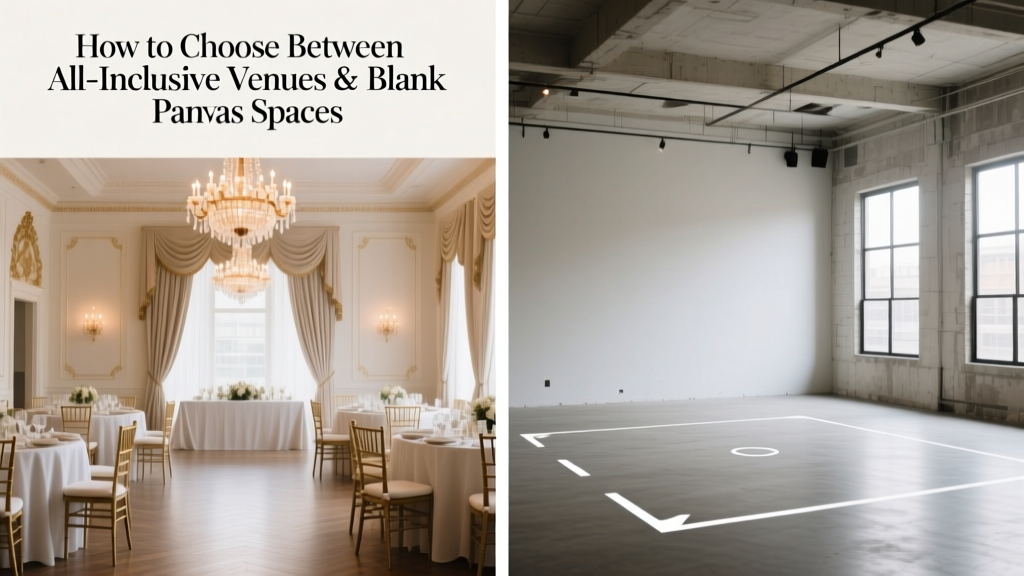
All-Inclusive vs Blank Canvas Wedding Venues
You’ve found someone you want to spend your life with—and now you’re staring down a decision that can shape every other part of wedding planning: where, and how, you’ll host the day. If you’re torn between an all-inclusive wedding venue and a blank canvas space, you’re not alone. This is one of the most common “first big forks in the road” for engaged couples.
On paper, the choice seems simple: do you want convenience or creativity? But real life is messier than that. Your work schedule, your family dynamics, your budget comfort zone, and even your tolerance for decision fatigue all play a role. The right answer isn’t what looks best on Instagram—it’s what supports you while you plan and what feels like you when you walk into the room on your wedding day.
This guide will help you compare all-inclusive venues and blank canvas spaces with clear steps, real-world scenarios, and planner-tested tips—so you can choose confidently and move forward with momentum.
First, What Do “All-Inclusive” and “Blank Canvas” Really Mean?
All-inclusive wedding venues
An all-inclusive venue typically offers a bundled package that may include:
- Ceremony and reception space
- Catering and bar service
- Tables, chairs, linens, and basic place settings
- Staffing (servers, bartenders, setup/cleanup crew)
- In-house coordination (varies widely)
- Preferred or exclusive vendor lists (sometimes required)
- Optional add-ons like décor, florals, DJ, cake, photo booth, or getting-ready suites
Examples include hotels, dedicated wedding venues, golf clubs, wineries with catering, and full-service barns or estates with in-house teams.
Blank canvas wedding spaces
A blank canvas space is a venue that provides the space—often stunning and flexible—but fewer built-in services. You may be responsible for bringing in:
- Caterer and bar team (including permits and liquor liability insurance)
- Rentals (tables, chairs, linens, dance floor, restrooms, tenting, heaters/fans)
- Lighting and sound
- Power solutions or generators (sometimes)
- Staffing for setup/cleanup
- A planner or day-of coordinator (highly recommended)
Examples include art galleries, lofts, raw industrial spaces, private homes, open fields, some historic buildings, and parks (with permits).
The Big Trade-Off: Convenience vs. Control
All-inclusive venues: best for couples who want a smoother planning process
If you’re juggling work, family responsibilities, or you simply don’t want to spend weekends comparing rental chairs, an all-inclusive wedding package can feel like a deep exhale. You’ll typically have:
- Fewer vendor contracts to manage
- Predictable costs (though you still need to watch the fine print)
- A timeline and process the venue runs every week
- A team that knows the space inside and out
Blank canvas spaces: best for couples who want a highly personalized wedding
If you have a clear vision—or love the idea of building one—blank canvas venues can offer more freedom. You’ll usually have:
- More flexibility with vendor choice
- More creative control over layout, vibe, and timing
- Opportunities to prioritize budget where it matters most to you
The trade-off is more moving parts, more decisions, and more responsibility for logistics.
A Step-by-Step Decision Guide (Use This Like a Checklist)
Step 1: Decide what you’re optimizing for
Pick your top three priorities. If you’re unsure, start here:
- Low stress planning
- Staying on budget
- Design freedom
- Great food and bar experience
- Guest comfort (parking, restrooms, accessibility)
- Unique “wow” setting
- Time savings
If “low stress” and “time savings” are in your top three, an all-inclusive venue is often the better fit. If “design freedom” and “unique setting” lead the list, you may be happier with a blank canvas.
Step 2: Get realistic about your planning bandwidth
Ask each other these questions:
- Do we enjoy researching and making lots of small decisions?
- Do we have time for vendor meetings, site visits, and rental quotes?
- How do we handle stress when plans change?
- Are we okay being the “project manager,” or do we want the venue team to lead?
Many couples underestimate the mental load of a blank canvas wedding. If you love the idea of customization but dread logistics, a hybrid option (venue with some inclusions, plus outside vendors) can be the sweet spot.
Step 3: Compare “apples to apples” budgets
All-inclusive pricing can look higher up front, while blank canvas spaces can look cheaper—until you add everything in. Create two mini budgets before you fall in love with a venue.
All-inclusive venue cost categories to confirm:
- Minimum spend or food & beverage minimum
- Service charge and taxes
- Bar package details (hours, brands, signature cocktails)
- Included rentals (what style and quantity?)
- Ceremony fee, room flip fees, or overtime rates
- Gratuity policies
Blank canvas cost categories to estimate:
- Venue rental fee + required insurance
- Rentals: tables/chairs/linens + delivery/pickup fees
- Tent, flooring, heaters/fans (weather contingency)
- Restroom trailers (if needed)
- Power/generator + lighting
- Staffing for setup/cleanup + security (often required)
- Catering + bar (plus corkage or staffing)
- Permit fees and noise restrictions (if applicable)
Budget reality check: A blank canvas wedding can absolutely be cost-effective, but it’s rarely “cheap” once you build infrastructure. Couples are often surprised that rentals and labor can rival floral or photography costs.
Step 4: Look at your timeline and booking window
Your wedding planning timeline matters. Here’s a practical rule of thumb:
- Planning in 6–10 months: all-inclusive venues often make this easier because they have built-in vendors and established processes.
- Planning in 12–18+ months: either option works, but blank canvas spaces benefit from extra lead time for vendor coordination and design development.
If you’re planning faster than you expected (hello, surprise dream date!), you’ll likely feel less pressure with an all-inclusive team guiding the workflow.
Step 5: Think through guest experience and logistics
Ask venues these guest-centered questions:
- Is parking easy and included?
- Is the venue ADA accessible?
- How far is it from hotels or transportation?
- What’s the rain plan? Is it equally beautiful?
- Are restrooms sufficient for our guest count?
- Are there noise curfews or restrictions on amplified music?
All-inclusive venues often excel in logistics and comfort. Blank canvas spaces can be magical—but you may need to build comfort (and pay for it).
Real-World Scenarios: Which Venue Type Fits You?
Scenario 1: The busy couple planning between meetings
You both work full-time, your evenings are packed, and you want to enjoy your engagement. An all-inclusive venue can streamline your wedding planning checklist because the major building blocks are handled. You can focus on personal touches—vows, attire, music, and meaningful details—without managing a dozen separate delivery schedules.
Scenario 2: The creative couple with a specific vibe
You want a dinner-party feel in an industrial loft, or a garden ceremony with a custom tented reception. A blank canvas space might be perfect because you can choose your caterer, bring in specialty lighting, and design a layout that doesn’t follow a standard template. You’ll likely want a planner or coordinator to keep everything moving.
Scenario 3: The couple with a big guest list and lots of family opinions
If you’re hosting 180–250 guests and juggling family expectations, all-inclusive venues can reduce stress. They’re often built for flow, staffing, and pacing. You’ll also have clearer boundaries—what’s included, what’s possible, and what’s not—which can help when well-meaning relatives request major changes.
Scenario 4: The couple planning a budget-conscious wedding
Either option can work, but the “cheapest venue” isn’t always the cheapest wedding. If you choose blank canvas to save money, be sure you’re not accidentally signing up for expensive rentals and labor. Conversely, an all-inclusive venue with a high minimum might force you into a spend that doesn’t match your priorities. The best match is the one that aligns with how you want to allocate your budget (food, photography, entertainment, guest experience, etc.).
Questions to Ask on Tours (Bring This List)
For all-inclusive venues
- What is the total estimated cost with taxes and service charges?
- What exactly is included in the package (linens, candles, place settings, getting-ready space)?
- Do you have an exclusive caterer or required vendors?
- What is your payment schedule and cancellation policy?
- How many weddings do you host in a day/weekend?
- Who is on-site the day of, and what do they handle vs. what we handle?
For blank canvas venues
- What are the load-in/load-out times, and are there overtime fees?
- Are there preferred vendors, or can we choose anyone?
- What are the power capabilities and lighting options?
- Do we need to bring restrooms, a tent, or flooring?
- Are there noise ordinances, security requirements, or alcohol restrictions?
- What’s the rain/wind/heat plan? What’s allowed on the property?
Common Mistakes Couples Make (And How to Avoid Them)
- Comparing sticker prices instead of total costs. Always ask for an estimated total with service fees, taxes, and required add-ons.
- Assuming “all-inclusive” means “everything.” It may not include décor upgrades, specialty linens, ceremony chairs, late-night snacks, or coordination.
- Underestimating rentals and labor for blank canvas spaces. Delivery fees, setup time, and staffing add up quickly.
- Not confirming the rain plan. “We’ll figure it out” is not a rain plan. Get it in writing.
- Booking a venue before understanding restrictions. Curfews, open flame bans, amplified music limits, and required security can change your whole vibe.
Pro Tips from Wedding Planners
- Ask for a sample invoice. For all-inclusive venues, a sample invoice reveals the real total and common add-ons.
- Do a “logistics walk” in your head. Picture guests arriving, where cocktail hour happens, where the band sets up, where you’ll bustle your dress, where vendors load in. If you can’t visualize it, ask the venue to walk you through.
- Consider a partial planning package. For blank canvas weddings, partial planning can be the best value—helping with vendor sourcing and design decisions while keeping your budget under control.
- Protect your energy with fewer decisions. If you’re prone to decision fatigue, choose the option that reduces micro-choices (linens, chair styles, staffing, floorplans).
- Negotiate with clarity, not pressure. Ask what flexibility exists: off-season rates, Friday/Sunday discounts, or package customization.
How to Make Your Final Choice (A Simple Scoring Method)
If you’re stuck between two venues, score each one from 1–5 in these categories:
- Total estimated cost
- Planning support included
- Design flexibility
- Food & beverage quality
- Guest comfort and accessibility
- Weather plan confidence
- Vendor freedom
- How you feel when you’re there (yes, it matters)
Add up the totals. Then ask: if we book this venue, do we feel relief—or do we feel like we just added homework?
FAQ: All-Inclusive Venues vs. Blank Canvas Spaces
Is an all-inclusive venue always more expensive?
Not always. All-inclusive venues can be a better value when you consider staffing, rentals, and bundled services. The key is comparing total cost—taxes, service charges, and minimums included—against the true “built from scratch” cost of a blank canvas wedding.
Can a blank canvas wedding still feel easy?
Yes, with the right support. Hiring a wedding planner or a strong month-of coordinator, using a rental company with full-service setup, and choosing vendors who regularly work together can make a blank canvas wedding feel smooth and well-managed.
What’s the biggest hidden cost with blank canvas venues?
Labor and infrastructure. Delivery fees, setup/cleanup staffing, tenting, restrooms, power, and lighting can increase your budget quickly—especially for outdoor weddings or raw spaces.
Do all-inclusive venues limit creativity?
Some do, some don’t. Many all-inclusive venues allow plenty of customization through florals, lighting, signage, lounge furniture, and layout options. The limitations usually come from required vendors, strict timelines, or décor rules—so ask early.
How far in advance should we book our venue?
For popular dates and locations, 12–18 months is common. If you’re flexible on season or day of the week, you can often book in 6–10 months—especially with all-inclusive venues that have streamlined planning systems.
Which option is better for a small wedding or micro-wedding?
Both can work, but all-inclusive venues can be ideal if they offer smaller package options or private dining spaces. Blank canvas spaces can be beautiful for intimate weddings, but you’ll want to ensure minimum rental and vendor costs still make sense for your guest count.
Your Next Steps
To move from “research mode” to real progress, here’s a simple plan for the next two weeks:
- Write down your top three priorities (stress level, budget, design freedom, guest comfort, etc.).
- Choose your likely guest count range (even a rough estimate helps venues quote accurately).
- Tour 1–2 all-inclusive venues and 1–2 blank canvas spaces so you can feel the difference firsthand.
- Request itemized estimates from each venue (and sample invoices if possible).
- Decide based on total cost, support, and how you want to spend your time during the engagement—not just the wedding day.
You’re not just picking a venue—you’re choosing the planning experience you want. The best choice is the one that makes you feel supported, excited, and able to be present for the moments that matter.
Looking for more tools to make planning easier? Explore more practical wedding planning guides on weddingsift.com—we’re here for every step.
More Articles
 How Much Should a Wedding Cost for 150 Guests (2026)
 Wedding Cake for 300 Guests: Real Cost Breakdown
 How Long Before a Wedding Should Invitations Go Out
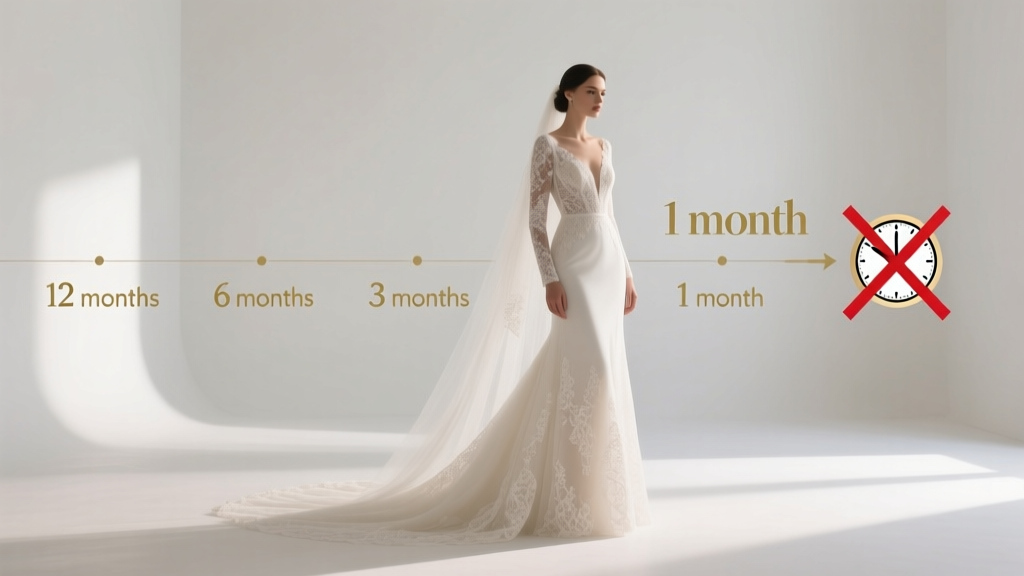 Wedding Dress Timeline: When to Start (2026)
 Pink at Weddings: Etiquette Rules (2026)
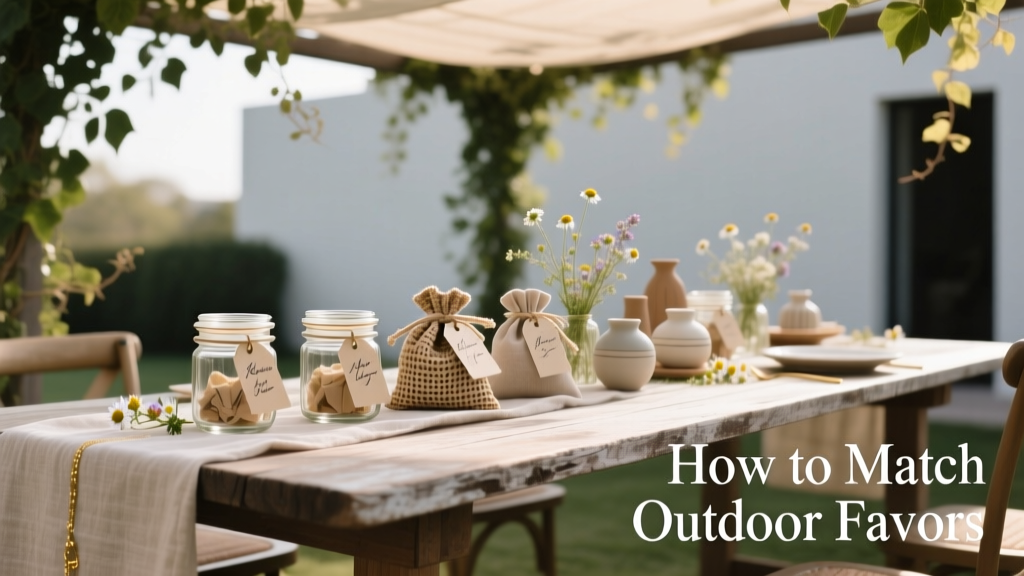 How To Match Outdoor Wedding Venues With Thoughtful, Cohesive Favors
 Wedding Veil: Tradition, Trends, or Skip It? (2026)
 Wedding Photographer Hours: Is 8 Enough? (2026)
 Wedding Planner DIY: Save $3,200+ (2026)
 Wedding Gift for Niece: 2026 Amounts & Real Examples