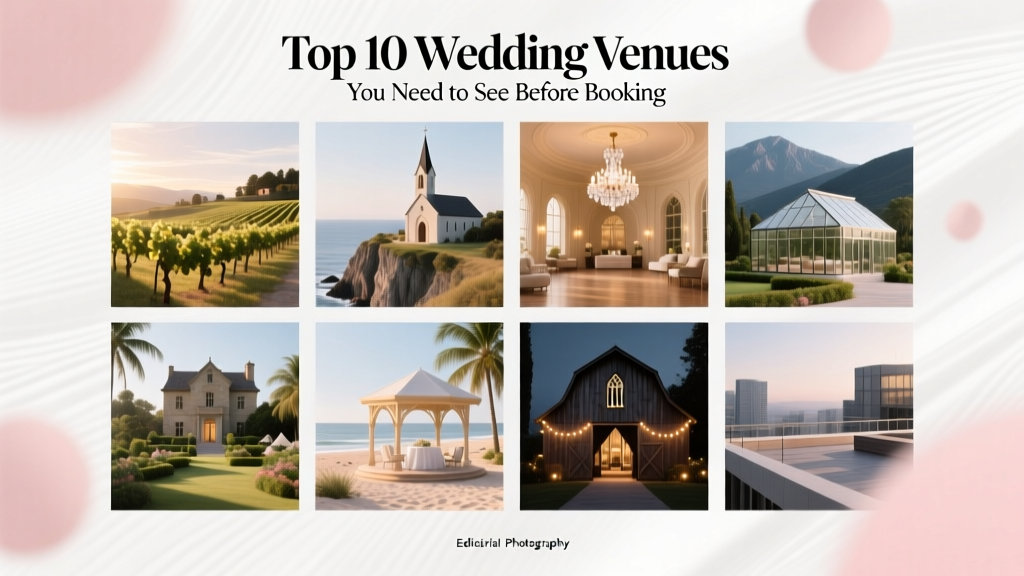
Top 10 Wedding Venues You Need to See Before Booking
You can choose the prettiest color palette, book the most talented photographer, and curate the perfect playlist—yet the venue will still shape how your wedding feels more than almost anything else. It’s the backdrop in your photos, the flow of your day, and the “vibe” your guests remember when they talk about your wedding years later.
If you’ve started venue shopping, you may already feel the pressure: family opinions, budget realities, and a calendar that fills up faster than you expected. You’re not behind—you’re in the middle of one of the biggest decisions in your wedding planning journey. The goal isn’t to see every venue in your area; it’s to see the right types of venues so you can compare options clearly and book with confidence.
This guide breaks down the top 10 wedding venue styles worth touring before you commit, plus a practical venue tour checklist, real-world scenarios, budget tips, and planner-level pro advice to help you avoid expensive surprises.
Before You Tour: A Quick Venue-Shortlisting Checklist
Do this before you fall in love with a space that doesn’t fit your guest count, budget, or timeline.
Step-by-step: Get your venue “must-haves” in place
- Confirm your estimated guest count. Create three numbers: ideal, max, and “if we must.”
- Choose a target season and two date ranges. Flexibility can save thousands.
- Set your venue budget range. Include rental fee + required catering/bar + rentals + service fees + taxes.
- Decide your priorities. Examples: outdoor ceremony, on-site lodging, minimal decor needed, late-night party, city access.
- List deal-breakers. Examples: no outside alcohol, noise curfew before 10 pm, limited accessibility, no rain plan.
Bring this venue tour checklist with you
- Current guest estimate and a rough wedding day timeline
- Phone charger (you’ll take more photos and videos than you think)
- Notes app checklist or printed questions
- A tape measure (or measure app) if layouts matter
- Comfortable shoes—touring often means stairs, gravel, or lawns
The Top 10 Wedding Venues Worth Seeing in Person
Even if you think you know what you want, touring a few different venue types helps you compare what matters: guest experience, logistics, photo opportunities, and true all-in cost.
1) Classic Ballroom (Hotel or Dedicated Event Space)
Best for: Larger guest lists, formal weddings, winter weddings, couples who want simplicity.
Why you should see one: Ballrooms often include built-in staffing, restrooms, parking, climate control, and a solid rain plan—huge stress reducers.
Real-world scenario: You’re inviting 180 guests and your families are traveling. A hotel ballroom makes transportation and lodging straightforward, and out-of-towners can go upstairs at the end of the night.
Budget watch-outs:
- Service charges and taxes can add 25–35% on top of food and beverage.
- Upgrades (chair covers, specialty linens, lighting) can stack quickly.
Planner pro tip: Ask if you can see the ballroom set for another event. A blank room feels very different from a fully designed reception.
2) Garden or Botanical Venue
Best for: Romantic outdoor ceremonies, nature lovers, couples who want a “wow” backdrop without heavy decor.
Why you should see one: Gardens photograph beautifully, but they come with weather and accessibility considerations you need to understand on-site.
Real-world scenario: You envision a spring ceremony under blooms and a golden-hour cocktail hour. A botanical venue can deliver that effortlessly—if there’s a solid plan for heat, bugs, and rain.
Questions to ask:
- What is the rain plan, and does it cost extra?
- Are there restrictions on candles, petals, sparklers, or amplified music?
- What time does the sun set in your wedding month, and where will photos happen?
Planner pro tip: Tour at the same time of day as your ceremony to judge light, shade, and comfort.
3) Barn or Farm Wedding Venue
Best for: Rustic-chic celebrations, couples who want weekend-long vibes and wide-open space.
Why you should see one: Barn venues vary wildly—some are fully equipped, others are “bring everything in.” You can’t tell from photos.
Real-world scenario: You want lawn games, a casual cocktail hour, and a dance party under string lights. A farm venue can feel magical—if it has enough restrooms, power, and a smooth guest flow.
Budget watch-outs:
- Rentals: tables, chairs, lighting, generators, heaters/fans, tenting.
- Transportation: shuttles if parking is limited or roads are narrow.
Planner pro tip: Ask how many outlets are available and where your DJ/band will plug in. Power is one of the most common rural-venue surprises.
4) Industrial Loft or Warehouse
Best for: Modern couples, city weddings, design-forward aesthetics, flexible layouts.
Why you should see one: Lofts often look incredible, but they may require more rentals and coordination than a traditional venue.
Real-world scenario: You want a minimalist ceremony, dramatic florals, and a nightlife feel. An industrial space can be a blank canvas that photographs like an editorial.
Common restrictions:
- End times and noise ordinances (especially in mixed-use neighborhoods)
- Approved vendor lists
- Limited prep space for hair/makeup or catering
Planner pro tip: Ask where vendors load in and how long setup can take. A tight load-in window can increase labor costs.
5) Historic Mansion or Estate
Best for: Timeless elegance, smaller to mid-size weddings, couples who want character and charm.
Why you should see one: Estates can feel instantly “special,” but you need to confirm logistics like parking, indoor capacity, and preservation rules.
Real-world scenario: You’re hosting 85 guests and want an intimate dinner with a classic atmosphere. A mansion can feel like a glamorous house party—without needing much decor.
Budget watch-outs:
- Security or venue attendants may be required.
- Restrictions on candles, hanging decor, and open flames.
Planner pro tip: Ask if there’s a separate “Plan B” indoor ceremony space that doesn’t require flipping the reception room.
6) Vineyard or Winery
Best for: Outdoor ceremonies, scenic backdrops, food-and-wine lovers.
Why you should see one: Vineyards are gorgeous, but wind, sun exposure, and terrain can impact guest comfort more than expected.
Real-world scenario: You imagine a sunset ceremony with rows of vines behind you, then a relaxed reception with great wine. A winery often nails ambience and guest experience.
Questions to ask:
- Is wine purchase required? Is outside alcohol allowed?
- Are there shade options for ceremony/cocktail hour?
- What transportation is recommended if the venue is rural?
Planner pro tip: Check the walking surfaces. Heels + gravel + slopes can be challenging; you may want a shuttle/golf cart option.
7) Beach or Waterfront Venue
Best for: Breezy, romantic celebrations; destination weddings; couples who love ocean or lake views.
Why you should see one: Waterfront venues have unique variables: wind, sand, tides, and public access rules.
Real-world scenario: You want a simple ceremony with the water behind you and a seafood-forward reception. Waterfront venues can feel effortless—if you plan for wind and sound.
Budget watch-outs:
- Wind-resistant decor (heavier florals, secure arches) may cost more.
- Amplified sound permits may be required.
Planner pro tip: Ask what time the tide is on your date (for beaches) and whether the ceremony spot ever floods or becomes inaccessible.
8) Mountain Lodge or Forest Retreat
Best for: Weekend weddings, cozy vibes, destination feel without leaving your region.
Why you should see one: These venues are stunning, but travel time, weather, and guest accessibility matter a lot.
Real-world scenario: You want a Friday welcome bonfire, Saturday wedding, and Sunday brunch. A lodge makes it easy to turn your wedding into a full experience.
Timeline advice: Mountain venues often book 12–18 months out for peak seasons. If you’re eyeing fall foliage dates, start touring early.
Planner pro tip: Confirm cell service and Wi-Fi. It affects vendor coordination, guest rideshares, and even card readers at the bar.
9) Museum, Gallery, or Cultural Space
Best for: Art lovers, couples who want a unique guest experience and built-in conversation starters.
Why you should see one: These venues have incredible ambiance, but they can come with strict rules to protect exhibits.
Real-world scenario: You’re planning a chic city wedding with a cocktail-style reception among art installations. Guests get an experience, not just a party.
Common restrictions:
- No red wine near certain exhibits, limited candles, controlled load-in routes
- Security fees and insurance requirements
Planner pro tip: Ask if guests can access exhibits during your reception and whether that affects staffing costs.
10) Restaurant Wedding Venue (Private Dining or Full Buyout)
Best for: Food-first couples, smaller guest lists, city weddings, shorter planning timelines.
Why you should see one: Restaurants can be one of the best values when you factor in rentals, staffing, and built-in ambiance.
Real-world scenario: You’re inviting 45 guests and want an intimate dinner party with amazing food and minimal logistics. A restaurant buyout can feel personal, stylish, and easy.
Budget considerations:
- Most restaurants have a food-and-beverage minimum rather than a venue fee.
- Decor may be limited, but you might not need much.
Planner pro tip: Ask about sound (microphones for speeches) and layout (where dancing can realistically happen without feeling cramped).
Venue Tour Questions Couples Forget to Ask (But Should)
- What’s included, exactly? Tables, chairs, linens, getting-ready spaces, lighting, sound system, staff, cleanup.
- What are the required vendors? Catering, bar service, planner/coordinator, security, valet.
- What’s the weather backup plan? Where does everyone go, how fast can it be flipped, and what does it cost?
- What are the start/end times? Ask about access for setup, vendor load-in, and hard curfews.
- How many events happen at once? Especially for hotels, wineries, and event complexes.
- Is the venue accessible? Ramps, elevators, restrooms, parking distance, and golf cart options.
- How is parking handled? On-site capacity, overflow lots, shuttle requirements, rideshare pickup points.
Common Venue Booking Mistakes (and How to Avoid Them)
Mistake #1: Falling for photos and ignoring logistics
Fix: Walk the guest journey: parking → ceremony → cocktail hour → dinner → dancing → exit. If any step feels confusing or uncomfortable, guests will feel it too.
Mistake #2: Underestimating the “all-in” cost
Fix: Ask for a realistic sample invoice. Great venues can still be budget-friendly—if you understand required spend and fees up front.
Mistake #3: Booking before confirming the rain plan
Fix: Request photos of the Plan B setup. If it feels like a downgrade, decide if you can live with it before you sign.
Mistake #4: Choosing a venue that’s too tight for your guest list
Fix: Ask the venue for capacity by layout (seated dinner, ceremony chairs, cocktail-style). “It fits 150” can mean 150 standing, not dining.
Mistake #5: Forgetting the timeline ripple effect
Fix: If the venue requires early end times, you may need an earlier ceremony start or a shorter cocktail hour. Get a draft timeline during your tour.
Planner Pro Tips for Booking the Right Wedding Venue
- Tour your top 3 within the same week so details don’t blur together.
- Ask about date flexibility discounts. Off-peak months, Fridays/Sundays, and daytime weddings often reduce minimums.
- Consider guest comfort as a budget line. Shade, fans, heaters, restrooms, transportation—these are “invisible” upgrades that make the day feel luxe.
- Request the venue’s preferred vendor list and check it aligns with your style and budget before committing.
- Read the contract for cancellation and rescheduling terms. Understand deposits, payment schedules, and what happens if weather forces a change.
Suggested Venue Booking Timeline (So You’re Not Rushed)
- 12–18 months out: Start touring for peak season dates, popular destinations, or 150+ guests.
- 10–14 months out: Book your venue, then lock in your caterer (if separate), photographer, and planner/coordinator.
- 6–9 months out: Finalize major vendors, begin design decisions based on the venue’s layout and lighting.
- 3–4 months out: Confirm floor plan, rain plan details, and transportation.
- 4–6 weeks out: Final walk-through with your planner/coordinator and venue contact.
FAQ: Wedding Venue Touring and Booking
How many wedding venues should we tour before booking?
Most couples feel confident after touring 3–6 venues. If you’re clear on guest count and budget, you may only need 3. If you’re still deciding on style (city vs. countryside, indoor vs. outdoor), tour a few different venue types first.
What’s a realistic venue deposit, and is it refundable?
Deposits often range from 25–50% of the venue fee or minimum spend. Many are non-refundable, but some venues allow date transfers within a certain window. Always confirm the cancellation and rescheduling policy in writing.
How do we compare venues with different pricing styles (rental fee vs. food-and-beverage minimum)?
Create an “all-in” comparison for each venue. Include: rental fee or minimum, estimated taxes and service charges, required staffing, rentals, ceremony fees, and any required security/valet. Ask each venue for a sample estimate based on your guest count.
What should we prioritize if our budget is tight?
Look for venues that include essentials (tables, chairs, basic linens, indoor backup space, staffing). Restaurants and hotels can be great value because they reduce rental and coordination costs. Consider off-peak dates or Fridays/Sundays to lower minimums.
Can we book a venue before hiring a wedding planner?
Yes, but if you’re considering a “blank canvas” venue (loft, barn, private property), a planner or at least a month-of coordinator is especially helpful. They’ll flag logistical gaps—power, rentals, load-in timing—that can affect your budget and stress level.
How do we know if a venue is truly guest-friendly?
Pay attention to parking, restrooms, climate control, accessibility, and the distance between key areas. If you have older relatives or guests with mobility needs, ask about ramps, shuttle options, and seating availability during the ceremony and cocktail hour.
Your Next Steps: Tour Smarter, Book Confidently
Pick your top two or three venue styles from the list above, then schedule tours with a clear guest estimate, a realistic budget range, and your non-negotiables. After each tour, rate the venue on three things: guest comfort, logistics, and overall feel. The best venue isn’t the fanciest—it’s the one that supports the wedding day you’re trying to create.
If you’d like more help narrowing your options, building a wedding planning timeline, or creating a venue tour checklist you can print, explore more planning guides on weddingsift.com.
More Articles
 Wedding Ring Cost: Real Affordability Guide (2026)
 Wedding Planning Roadmap: 12-Month Plan (2026)
 Wedding Ring Budget: Real Data, Save $1,200+ (2026)
 How Much Wedding Insurance Do I Need? (2026)
 How to Make Your Wedding Reception Unique (2026)
 Wedding Gown Prices in 2026: Real Range by Style & Brand
 Wedding Dress First Look: Tradition vs. Intention (2026)
 Wedding Planning Checklist for the Day After Engagement
 Boat Wedding Cost Breakdown (2026)
 Wedding Gift Rules: 7 Non-Negotiable Steps (2026)