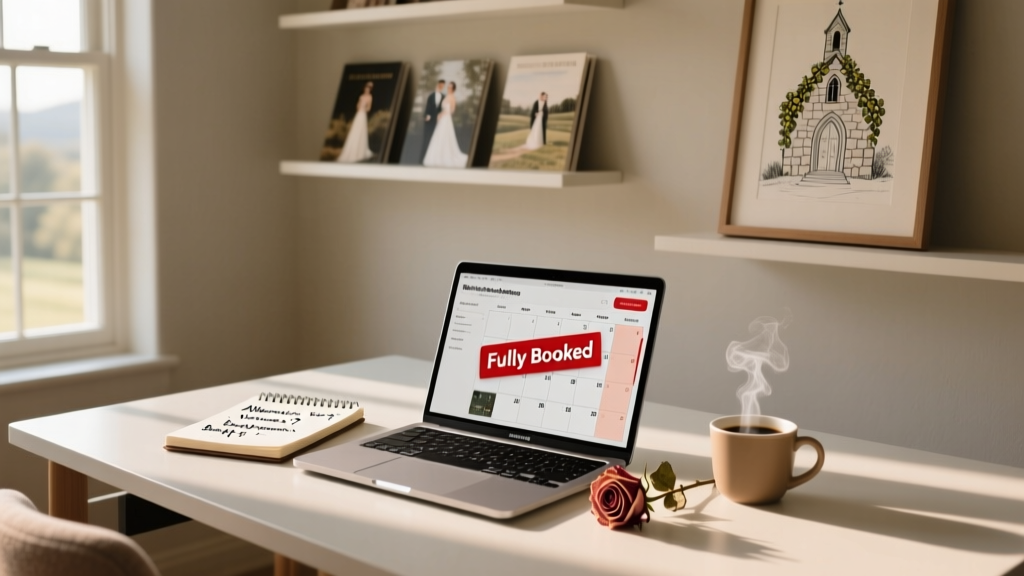
Wedding Planning When Your Ideal Venue Is Booked
You finally found it—the venue that felt like your place. The light, the vibe, the ceremony spot you could already picture in photos. Then you reached out, heart racing… and the date you want is booked.
If you’re feeling disappointed, frustrated, or even a little panicky, you’re not being dramatic. Your wedding venue sets the tone for everything else: your guest list, your budget, your style, your timeline. When your dream wedding venue isn’t available, it can feel like the whole plan just derailed.
Here’s the truth I’ve seen again and again as a wedding planner: this moment can be the turning point where you build a wedding that fits you even better. You have options—more than you think—and you can move forward without rushing into a “fine, I guess” decision you’ll regret later.
First: Pause and Get Clear on What You Actually Loved About That Venue
Before you start emailing every venue in a 50-mile radius, take 20 minutes and define why that space felt perfect. This step makes your search faster and keeps you from settling for a place that looks similar but functions totally differently.
Your “Must-Have” vs. “Nice-to-Have” Venue List
Grab a note on your phone and make two lists:
- Must-haves: non-negotiables that affect your guest experience and logistics
- Nice-to-haves: preferences you’d love, but can live without
Use these prompts:
- Guest count capacity (seated dinner for 120? cocktail-style for 200?)
- Location (within 30 minutes of home? near an airport? walkable hotels?)
- Style (garden wedding, modern loft, historic mansion, beach, barn, ballroom)
- Indoor/outdoor flexibility (rain plan that still feels special)
- Budget range (site fee + food & beverage minimums + required rentals)
- What was the “wow”? (view, architecture, ceremony space, natural light, privacy)
- What felt easy? (in-house catering, included tables/chairs, parking, staff)
Real-world example: Couples often say they loved a “rustic barn,” but when we dig deeper, it’s really the warm string-light glow, open-air cocktail hour, and relaxed vibe—not the barn itself. That means a greenhouse, winery, or private estate could deliver the same feeling (sometimes with better restrooms and climate control).
Your Decision Tree: 5 Smart Paths When the Venue Is Booked
When your top choice isn’t available, there are five realistic directions. The best one depends on how flexible you are with date, guest count, and budget.
Option 1: Ask About Backup Dates (and “Soft Holds”)
Before you move on, send one more message. Venues sometimes have:
- Open Fridays or Sundays (often 10–25% less expensive)
- Newly released dates
- Pending contracts that could fall through
- Seasonal or daytime options (brunch wedding, winter wedding, Thursday evening)
Script you can use: “We love your venue and understand our ideal date is booked. Do you have any comparable dates (Fri/Sun or nearby weekends)? Also, is there a waitlist if a hold doesn’t convert?”
Timeline tip: If you’re within 9–12 months of your target date and planning a popular season (late spring or fall), venues may book quickly. Ask for a response deadline for holds so you’re not waiting in limbo.
Option 2: Keep the Date, Choose a Comparable Venue
If your date is tied to family travel, school calendars, or a meaningful anniversary, protect the date and pivot the venue. The key is searching by experience, not just aesthetics.
Search using these filters:
- Guest flow: ceremony-to-cocktail-to-reception layout
- Photos: indoor natural light, greenery, architectural lines
- Sound: band/DJ restrictions, curfews, indoor noise limits
- Convenience: parking, shuttles, nearby accommodations
Specific scenario: Your dream venue was a downtown loft with skyline views, but it’s booked. Look for:
- Restaurants with private rooftop buyouts
- Boutique hotels with terrace spaces
- Art galleries with adjacent event halls
- Co-working lofts that host private events (surprisingly common)
Option 3: Keep the Venue, Adjust the Guest Count or Layout
Sometimes the venue is “booked” for your preferred setup, not fully unavailable. Ask if the venue can accommodate:
- A smaller guest count on your date (if another event is using part of the property)
- A different start time (earlier ceremony, later reception)
- A micro-wedding or minimony + later celebration
Budget consideration: Cutting 25–40 guests can free up meaningful money for upgrades you’ll feel: better food, a live band, transportation, or a more luxe floral plan.
Option 4: Choose a Nontraditional Venue (and Make It Feel Intentional)
When traditional wedding venues are booked, nontraditional spaces can save your date—and create a wedding that feels truly personal.
Consider:
- Private estates (Airbnb/Vrbo with event permission—get it in writing)
- Restaurants (often the best value when you factor in rentals/staff)
- Community halls with great architecture
- Museums, libraries, theaters
- City parks with permitted tented receptions
- Campgrounds or summer camps for weekend weddings
Pro tip from planners: With a blank-canvas venue, the “real” venue cost is the build-out. Ask for a rental quote that includes:
- Tables, chairs, linens
- Tent (plus sides, lighting, flooring if needed)
- Restrooms (especially outdoors)
- Power needs (generators, distribution)
- Insurance and security requirements
Option 5: Consider a Two-Part Celebration
If the venue is truly your top priority, it’s okay to plan differently:
- Minimony now + big reception later: intimate ceremony on your date, party when the venue opens up
- Destination-style local wedding: smaller group at a boutique property, larger casual party back home
Real-world example: One couple wanted a historic venue that books 18 months out. They did a 25-person garden ceremony with a restaurant dinner on their anniversary date, then hosted a 150-person reception the next year at the dream venue. It wasn’t a compromise—it was two meaningful celebrations.
Step-by-Step Plan: What to Do This Week
When you’re stressed, a short checklist helps you regain control. Here’s a one-week reset that keeps your wedding planning timeline moving.
- Confirm the “no” in writing. Ask if there are cancellations, waitlists, or alternate spaces.
- Lock your top 3 priorities. Example: Saturday date, outdoor ceremony, under $25k total budget.
- Build a new venue shortlist (8–12 options). Include 2–3 nontraditional venues to widen availability.
- Write one inquiry email and reuse it. Include date, guest count, ceremony/reception, and budget comfort zone.
- Schedule 3–5 tours within 7–10 days. Momentum matters; availability changes daily.
- Run quick budget math. Compare “all-inclusive” vs. “blank canvas” with rentals and staffing.
- Make a decision deadline. Typically 2 weeks—so other vendors (photographer, planner, band) don’t get booked while you wait.
How to Expand Your Search Without Losing Your Vision
Use “Venue Type Translations”
If your ideal venue was booked, try these swaps that deliver a similar guest experience:
- Vineyard booked? Try a botanical garden, orchard, or winery-adjacent private estate.
- Modern industrial loft booked? Try an art gallery, converted warehouse, or boutique hotel atrium.
- Historic mansion booked? Try a museum, library, or upscale bed-and-breakfast buyout.
- Beach venue booked? Try a yacht club, waterfront restaurant, or bayfront park with a tented reception.
- Mountain lodge booked? Try a summer camp, ski lodge off-season, or private cabin property with a tent.
Adjust Timing for Better Availability and Pricing
The fastest way to find venue availability is to shift one of these:
- Day of week: Friday and Sunday are often more available and can reduce minimums.
- Season: Winter weddings (and early spring) can unlock premium venues at lower rates.
- Time of day: Brunch weddings or afternoon ceremonies may open up dates.
Budget tip: If your venue budget is strained, consider a Sunday evening celebration with a great band and elevated comfort food—guests remember the energy, not the day of the week.
Questions to Ask So You Don’t Repeat the Same Disappointment
As you tour alternatives, avoid falling in love again before you have the facts. Bring these questions:
- What dates are available in our preferred month and the two months around it?
- What’s included (tables, chairs, linens, getting-ready rooms, staff)?
- Are there food & beverage minimums or preferred caterers?
- What are the ceremony fees, bar packages, service charges, and taxes?
- What is the rain plan and where do guests go if weather shifts?
- What are the end times and noise restrictions?
- How many weddings happen on-site per day?
- Is there a required planner or day-of coordinator?
Common Mistakes Couples Make When Their Dream Venue Is Unavailable
- Panic booking a “backup” you don’t actually like. If you feel dread signing, pause. A venue sets the tone for months of planning.
- Ignoring the true cost of a blank space. A low site fee can become expensive once rentals, power, and staffing are added.
- Overcorrecting with a huge guest list cut (without discussing it together). Agree on a number you both feel good about before telling families.
- Not checking logistics. Parking, accessibility, restrooms, and travel time matter more than Pinterest moments.
- Holding off on other vendors too long. If you already have a photographer or planner you love, keep them in the loop—some can help with venue leads.
Planner Pro Tips for Turning “Booked” Into a Win
- Ask venues about “shoulder season” incentives. Many offer reduced minimums in March, April, or November.
- Prioritize guest comfort. Climate control, restrooms, and smooth flow will outperform a pretty backdrop every time.
- Look for venues with built-in ambiance. Great lighting, furniture, or architecture reduces your decor spend.
- Consider a venue with an on-site coordinator. It’s not the same as a full planner, but it can reduce stress and prevent timeline issues.
- Use your disappointment as a filter. If a venue doesn’t excite you at least a little, move on. “Good enough” tends to get expensive fast because you try to decorate your way into loving it.
FAQ: When Your Wedding Venue Is Booked
How far in advance should we book a wedding venue?
For popular dates (especially Saturdays in spring and fall), many venues book 12–18 months out. In major cities or for high-demand venues, 18–24 months isn’t unusual. If you’re planning within 6–10 months, be flexible on day of week, season, or venue type.
Should we change our wedding date to get our dream venue?
If the venue is your top priority and your VIP guests can make the new date, changing can be worth it. Before you switch, check availability for your must-have vendors (planner, photographer, band/DJ) and confirm any travel considerations for close family.
Is a Friday or Sunday wedding really okay for guests?
Yes—especially if you communicate early and make logistics easy. Consider a slightly earlier start time, provide hotel blocks, and share travel details on your wedding website. Many guests enjoy the chance for a longer weekend.
How do we compare an all-inclusive venue vs. a blank-canvas space?
Create a simple side-by-side budget estimate. For the blank canvas, add rentals, tenting (if needed), power, restroom upgrades, staffing, insurance, and delivery fees. All-inclusive venues often look pricier upfront but can be more predictable (and sometimes cheaper) overall.
What if our families are pressuring us to “just pick something”?
Set a short decision timeline you control: “We’re touring three venues this week and will decide by next Friday.” This reassures everyone without forcing you into a rushed choice you’ll be planning around for months.
Can we get on a venue waitlist, and does it work?
Many venues keep informal waitlists. It can work—holds fall through more than you’d think—but don’t pause your planning while you wait. Treat it as a bonus option while you actively tour alternatives.
Next Steps: Your Calm, Confident Plan From Here
Start by deciding what you’re flexible on: date, day of week, season, guest count, or venue style. Then move quickly—reach out to venues, schedule tours, and run real budget numbers so you’re comparing true totals, not just site fees.
You’re not “behind,” and you didn’t miss your chance at a beautiful wedding. You’re simply taking the route that leads to the right fit—sometimes that’s a hidden-gem venue, a smarter timeline, or a celebration format that feels even more personal than your original plan.
For more venue tips, budget guidance, and planning checklists, explore the wedding planning guides on weddingsift.com.
More Articles
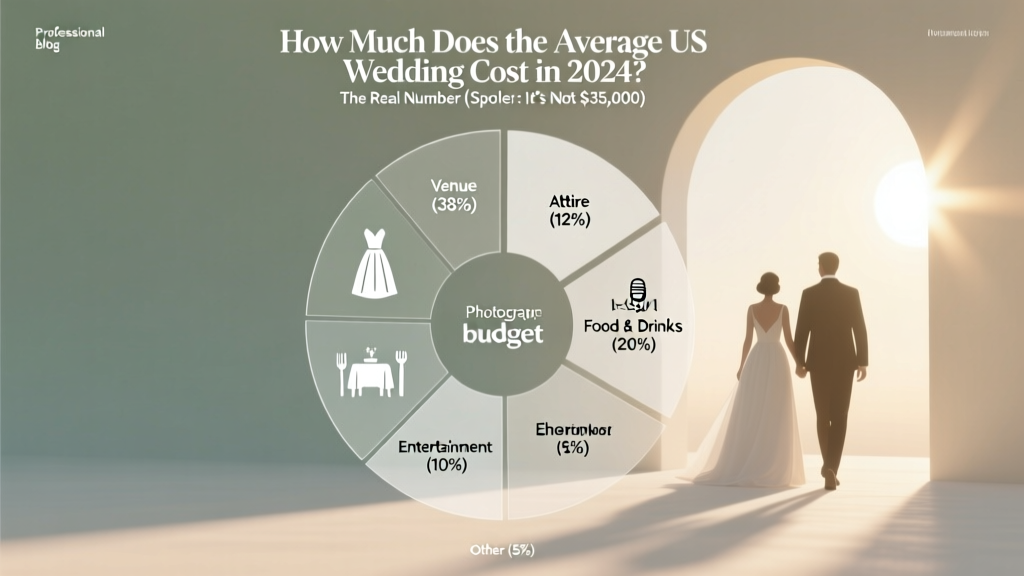 US Wedding Cost 2026: Real Number & Where It Goes
 Alcohol for 50-Guest Wedding: Pour-by-Pour Formula (2026)
 How Much to Hire a Bartender for a Wedding (2026)
 Publix Wedding Cake Prices (2026) — Real Costs & Fees
 Wedding Dress Mistakes to Avoid Before Your First Fitting
 How Long After Proposal for Wedding? (2026)
 Wedding Dress Right for You: 7 Signs (2026)
 Romper to Wedding? Dress Code Decoder (2026)
 How to Make Your Wedding Reception Unique (2026)
 Can You Officiate Your Own Wedding in Michigan? (2026)