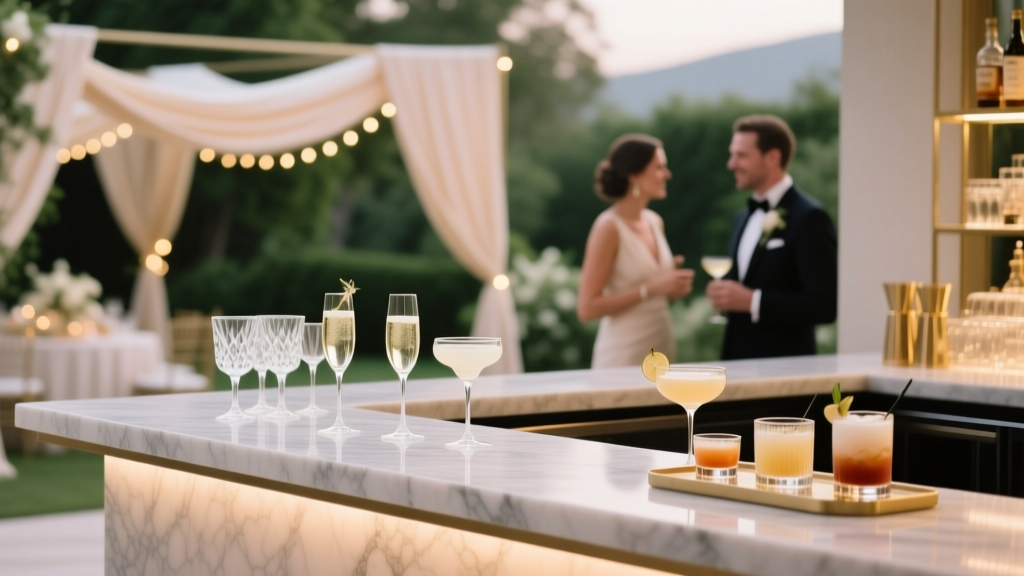
Wedding Planning How to Manage the Cocktail Hour
Cocktail hour is one of those wedding moments that seems simple on paper: guests mingle, sip something festive, nibble a few bites, and wait for the reception to begin. But in real life, it’s the bridge between ceremony emotions and reception energy—and if it’s not planned well, it’s where small hiccups turn into big stress.
If you’re picturing your guests smiling with a drink in hand, chatting comfortably, and feeling genuinely cared for while you take photos (or take a breath), you’re already thinking like a great host. The good news: a smooth cocktail hour doesn’t require an enormous budget or a massive guest list. It requires a clear plan, the right pacing, and a few thoughtful details.
This guide walks you through cocktail hour logistics, timeline planning, food and drink choices, entertainment options, and the common mistakes wedding planners see all the time—so you can avoid them and enjoy your own wedding day.
What Cocktail Hour Actually Needs to Do (So You Can Plan It Right)
Before picking signature drinks or cute napkins, get clear on the job cocktail hour is doing in your wedding timeline:
- Keep guests comfortable while you’re taking family photos, wedding party photos, and couple portraits.
- Set the tone for the reception: relaxed garden party, chic black-tie, playful and modern, etc.
- Prevent a “dead zone” between ceremony and dinner where guests are bored, hungry, or confused.
- Help the venue and catering team transition spaces (flip a room, finalize place settings, light candles, cue music).
When cocktail hour is planned with those goals in mind, it becomes less “filler time” and more an intentional part of your guest experience.
The Ideal Cocktail Hour Timeline (With Realistic Time Blocks)
Most cocktail hours run 60 minutes. Some weddings benefit from 75–90 minutes (especially if you have a large family photo list or multiple ceremony locations). Less than 45 minutes can feel rushed; more than 90 can drag unless you add extra food/entertainment.
Sample 60-Minute Cocktail Hour Timeline
- 0:00–0:10 Guests exit ceremony, are greeted with signage and directions, head to cocktail area
- 0:10–0:20 Bar opens, passed appetizers begin, light background music starts
- 0:20–0:45 Mingling, guestbook/photo booth, small activities, couple possibly arrives midway for a quick hello
- 0:45–0:55 Final appetizer pass, last call is not necessary but consider a gentle “reception begins soon” cue
- 0:55–1:00 Coordinator/DJ invites guests to take seats for grand entrance or dinner
When to Plan a Longer Cocktail Hour
- You want sunset portraits and the ceremony ends earlier
- You have divorced family dynamics and need buffer time to capture photos calmly
- The venue requires a room flip (ceremony space becomes reception space)
- You’re hosting 150+ guests and transitions simply take longer
Planner tip: If cocktail hour is longer than 60 minutes, boost the guest experience with either (a) additional food, (b) a second entertainment element, or (c) a structured moment like live musician sets.
Step-by-Step: How to Plan Cocktail Hour Logistics
Step 1: Choose the Cocktail Hour Location (and Have a Rain Plan)
Your cocktail hour space should feel easy to find, easy to move through, and comfortable to stand in for an hour.
- Proximity matters: Keep it close to the ceremony exit or clearly signposted.
- Flow matters: Avoid narrow hallways or one-door bottlenecks if you have a big guest count.
- Weather matters: If outdoors, plan shade, heaters, umbrellas, and a true indoor backup that can handle your full guest list.
Real-world scenario: A backyard wedding with one patio door can turn into a traffic jam. The fix? Set up the bar outside, add a second drink station (even a self-serve water/tea setup), and use signage so guests spread out quickly.
Step 2: Build the “Comfort Checklist”
Comfort is what guests remember. This list prevents the most common cocktail hour complaints:
- Seating: Aim for seats for 30–50% of guests (more for older crowds). Mix cocktail tables, benches, and a few lounge groupings.
- Water stations: Always. Especially for warm-weather weddings.
- Restrooms: Clear directions and enough capacity. If restrooms are far, add signs.
- Lighting: If cocktail hour is at dusk, add string lights, lanterns, or uplighting so the vibe stays warm—not dim and awkward.
- Accessibility: Consider mobility needs (ramps, stable ground, nearby seating).
Step 3: Decide Bar Service Style (and Keep Lines Moving)
Bar lines can quietly ruin the mood. Your goal is fast service and a balanced menu.
- Full bar: Great variety, higher cost, potentially slower service without enough bartenders.
- Beer + wine + signature cocktails: Often the sweet spot for budget and speed.
- Beer + wine only: Streamlined and cost-effective, but consider a fun non-alcoholic option.
Rule of thumb: Plan on 1 bartender per 50 guests for a simple bar, and closer to 1 per 40 guests for a full bar or complex cocktails.
Speed boosters:
- Pre-batched signature cocktails (served from dispensers or pitchers, if venue allows)
- Two-sided bar access or two smaller bars instead of one long line
- A “grab and go” beer/wine station managed by staff
- Menu signage at the bar so guests aren’t deciding at the counter
Step 4: Plan Food That Works While Standing
Cocktail hour appetizers should be easy to eat in 2–3 bites, not messy, not overly saucy, and not dependent on a table.
How much food is enough? It depends on your dinner timing. If dinner starts soon, you can keep it lighter. If dinner is delayed (or you’re doing a later reception start), increase quantity.
- Standard cocktail hour: 5–7 appetizer pieces per person
- Longer cocktail hour or late dinner: 8–12 pieces per person
Balanced menu idea:
- 1–2 “comfort” items (mini grilled cheese, arancini, sliders)
- 1–2 lighter items (shrimp, caprese skewers, cucumber bites)
- 1 vegetarian option and 1 gluten-free-friendly option (clearly labeled)
- One “local” or personal item (a bite inspired by your first date, hometown, or family heritage)
Real-world scenario: If you’re doing a Catholic ceremony that starts at 2:00 p.m. and dinner isn’t until 6:30 p.m., guests will be genuinely hungry. Add a grazing table, a more substantial passed item (like mini tacos), or a small station (like dumplings or flatbreads).
Step 5: Add One “Anchor” Activity (So It Feels Intentional)
You don’t need a packed schedule. You just need one focal point that helps guests settle in and enjoy themselves.
- Live music: Acoustic guitar, jazz trio, string duo—perfect for elevating the mood.
- Photo booth or portrait station: Keeps guests engaged and creates keepsakes.
- Interactive food station: Oyster shucking, espresso martinis poured to order, a champagne wall.
- Lawn games: Great for casual weddings, but set them slightly away from the bar to avoid crowding.
Planner pro tip: If your guest list includes lots of people who don’t know each other, cocktail hour can feel socially “floaty.” Consider adding escort card display + a fun champagne or mocktail station so guests have something to do immediately.
How to Coordinate Photos Without Hijacking Cocktail Hour
Most couples spend cocktail hour taking photos. That’s normal. The trick is planning your photo timeline so you don’t miss the entire guest mingling window—or run late to dinner.
Two Photo Approaches That Work
- First look + pre-ceremony photos: You can knock out wedding party and many family photos early, leaving cocktail hour for breathing room and quick candids.
- Traditional aisle reveal: Plan a tighter, prioritized family photo list immediately after the ceremony, then couple portraits, then wedding party.
Quick Checklist: Photo Efficiency Tips
- Create a family photo shot list and share it with your photographer in advance
- Assign a family “wrangler” (someone assertive who knows faces)
- Tell VIP family to stay put for photos—don’t let them wander to the bar first
- Build in 10 minutes of buffer for bustling, touch-ups, and transit
Real-world scenario: If you have divorced parents and want separate photos, schedule them back-to-back with clear notes like “Bride + Mom + Stepdad” and “Bride + Dad + Stepmom.” This avoids awkward on-the-spot decisions and keeps the timeline moving.
Budget Considerations: Where to Spend and Where to Save
Cocktail hour can quietly become a major budget line (bar + appetizers + rentals + entertainment). Prioritize what guests actually feel.
Worth the Splurge
- Enough bartenders (fewer lines = better experience)
- Quality appetizers if dinner is later or your crowd loves food
- Comfort rentals (a few lounge sets, extra cocktail tables)
Smart Ways to Save
- Limit liquor options to two signature cocktails + beer/wine
- Choose seasonal, local ingredients for appetizers
- Swap elaborate stations for passed apps + one stationary display (like a cheese/fruit board)
- Use Spotify + professional sound setup instead of live music (if your venue allows and you have someone managing cues)
Budget reality check: If your venue charges per appetizer piece, a small increase in pieces per person adds up fast. If you’re trying to control costs, keep cocktail hour at 60 minutes and start dinner on time.
Common Cocktail Hour Mistakes (and How to Avoid Them)
- Mistake: One bar for 150 guests.
Fix: Add a second bar station or increase bartenders. Simplify the drink menu. - Mistake: No water visible.
Fix: Place water at multiple points with clear signage. - Mistake: Not enough food because “dinner is soon.”
Fix: If dinner starts more than 75 minutes after ceremony ends, feed people more. - Mistake: Guests don’t know where to go.
Fix: Signage + an announcement from the officiant or coordinator: “Please head to the garden patio for cocktail hour.” - Mistake: Couple disappears too long and guests feel a lull.
Fix: Consider a quick 5-minute “drive-by” halfway through cocktail hour to say hello, if your photo timeline allows. - Mistake: Cocktail hour runs long and dinner is delayed.
Fix: Build a realistic photo schedule and add buffer time. Have a coordinator or DJ cue transitions.
Wedding Planner Pro Tips for a Seamless Cocktail Hour
- Place high-top tables near the bar and food so guests naturally spread out instead of clustering in one line.
- Label appetizers for dietary needs. A tiny sign that says “GF” or “V” saves guests from awkward guessing.
- Put the guestbook/escort cards where people will pass them, not tucked in a corner.
- Create a “soft cue” for the reception: dim the cocktail music, have staff stop passing apps, and have the DJ invite guests to be seated.
- Plan for kids if families are attending: a small kids’ drink station (juice boxes/water) and a snack they’ll actually eat.
- If you’re doing a receiving line, do it strategically: either right after the ceremony (quick hellos) or skip it and greet tables during dinner.
Cocktail Hour Management Checklist (Copy/Paste Planning Tool)
- Timeline
- Decide cocktail hour length (60 / 75 / 90 minutes)
- Build photo schedule with buffer
- Confirm dinner start time and grand entrance plan
- Space + Flow
- Cocktail hour location chosen + rain plan confirmed
- Directional signage ordered/printed
- Restroom access clearly marked
- Food + Drink
- Bar style chosen (full / beer-wine / signature cocktails)
- Bartender count confirmed
- Appetizer quantity planned (pieces per person)
- Dietary labels planned (GF/V/VG/nut-free notes as needed)
- Water stations planned (at least 2 for medium/large weddings)
- Guest Experience
- Seating plan for cocktail hour (30–50% seats)
- One anchor activity selected (music, photo booth, station, games)
- Lighting and temperature comfort addressed
- Coordination
- Family photo list finalized + wrangler assigned
- Vendor cue plan confirmed (coordinator/DJ announcement timing)
- Emergency kit items available (lint roller, blotting papers, safety pins)
FAQ: Managing Your Wedding Cocktail Hour
How long should cocktail hour be for a wedding?
Most weddings do best with a 60-minute cocktail hour. If you have a room flip, large family photos, or multiple locations, 75–90 minutes can work—just add extra food and a clear transition cue so it doesn’t drag.
Do we need passed hors d’oeuvres, or is a grazing table enough?
A grazing table is great, but many guests won’t approach it right away (especially if it’s crowded). A combo usually works best: one stationary display plus passed appetizers so everyone gets fed without waiting.
How do we keep bar lines short?
Increase bartender count, simplify the drink menu, and add a second station if your guest count is over 120. Pre-batched signature cocktails and clear bar menu signage also make a huge difference.
Should the couple attend cocktail hour?
You don’t have to, especially if you’re taking photos. If you can swing it, a quick 5–10 minute appearance can be a lovely touch—think quick hugs, a few hellos, and then back to photos.
What if cocktail hour is outside and the weather changes?
Have a true Plan B that fits your full guest count, not just “we’ll squeeze inside.” Confirm tenting, heaters/fans, and who makes the call (venue, planner, or you) and by what time.
How much should we budget for cocktail hour?
Costs vary by region and catering style, but cocktail hour often includes bar service, appetizers, rentals, and sometimes entertainment. If you’re prioritizing budget, keep it to 60 minutes, offer beer/wine + signature cocktails, and choose seasonal passed bites instead of multiple elaborate stations.
Your Next Steps for a Cocktail Hour That Feels Effortless
Start by locking in your cocktail hour length and photo timeline—those two decisions drive everything else. Then plan comfort (water, seating, shade/heat), design a bar setup that won’t bottleneck, and choose appetizers that make sense for your dinner timing. Add one anchor element, and you’ll have a cocktail hour that feels welcoming, intentional, and genuinely fun.
You’ve got this. With a little structure behind the scenes, cocktail hour becomes the part of the day where everyone exhales—and the celebration really begins.
Looking for more planning help? Explore more practical wedding planning guides on weddingsift.com to keep your timeline smooth, your budget grounded, and your day feeling like you.
More Articles
 Black Suit Wedding Styling Rules (2026)
 Jumpsuit for Formal Wedding: 7 Style Rules (2026)
 Wedding Dress for Courthouse Wedding? (2026)
 Black Floral Dress to Wedding? (2026 Etiquette Guide)
 Thank You Cards for Wedding: 7 Must-Include Elements (2026)
 Wine for Wedding: Exact Bottle Calculator (2026)
 Wedding Flowers: Where to Buy (2026) | Avoid Overpaying
 Airbnb Wedding Planning: Legal & Logistical Blueprint (2026)
 Divorced Parents’ Names on Wedding Invitations (2026)
 Gingham Wedding Attire: When It’s Perfect (2026)