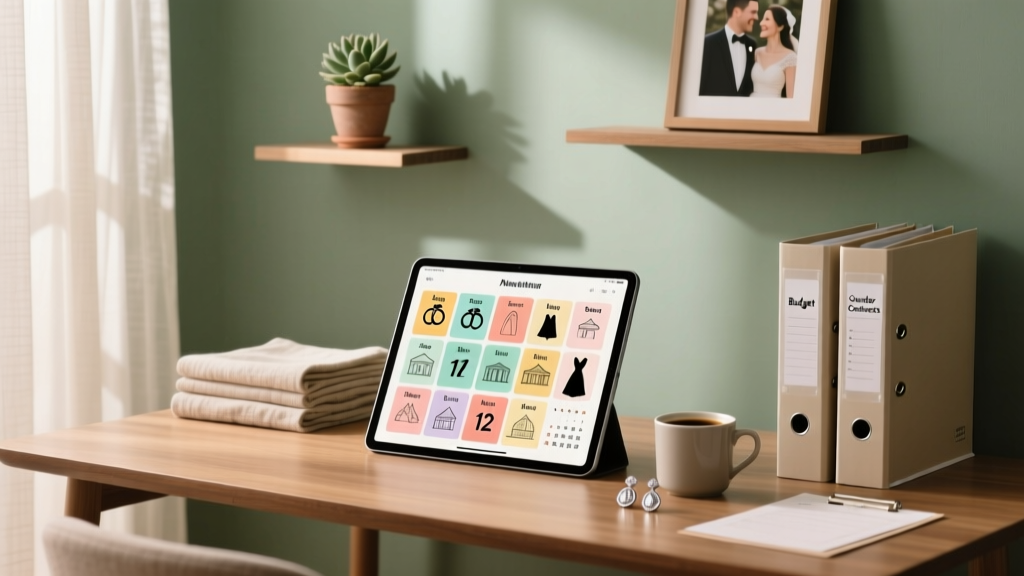
Wedding Planning: 12-Month Checklist (2026)
Why 'What to Plan for a Wedding' Is the Most Overlooked Question—and Why It’s Costing Couples Thousands
If you’ve just gotten engaged—or are even thinking about it—you’ve probably typed what to plan for a wedding into Google at least once. And you’re not alone: 68% of couples say their biggest stressor wasn’t budget or family drama—it was the sheer ambiguity of *where to even begin*. Without a clear framework, planning spirals into reactive decisions, rushed vendor bookings, duplicated efforts, and avoidable overspending. In fact, couples who follow a structured, milestone-based plan save an average of $4,270 and report 3.2x higher satisfaction with their wedding day experience (2024 Knot Real Weddings Survey, n=4,821). This isn’t about rigid perfectionism—it’s about intentional scaffolding that turns chaos into calm, confusion into confidence, and overwhelm into ownership.
Phase 1: The Foundation Months (12–9 Months Out)
This phase isn’t about flowers or cake—it’s about architecture. You’re building the skeleton your entire wedding will hang on. Skip this, and everything else wobbles.
Start with your non-negotiables: guest count, budget breakdown, and date flexibility. A real-world example: Maya and David (Portland, OR, 2023) initially set a $28,000 budget—but didn’t allocate percentages until Month 10. Result? They overcommitted to photography ($8,500) and had to cut their reception band, compromising their vision. When they redid their budget using the 50/20/15/10/5 rule (venue & catering / attire & beauty / photography & videography / flowers & decor / stationery & misc), they reallocated $2,100 to live music—and kept their photographer.
Next: secure your top-3 date options. Venues in high-demand markets (e.g., Asheville, Charleston, San Diego) book 14–18 months out. But here’s the insider truth: most venues hold ‘soft holds’ for 72 hours without deposit. Use that window to compare contracts side-by-side—not just price, but cancellation clauses, rain plans, and overtime fees. One couple discovered their dream barn venue charged $350/hour after 11 PM—but their second choice included unlimited time for $1,200 less.
Phase 2: The Vendor & Vision Months (8–5 Months Out)
Now that your foundation is solid, it’s time to translate vision into vendor partnerships—with intentionality, not impulse.
Don’t hire your photographer first because Instagram made you swoon. Hire based on workflow compatibility. Ask: ‘Do you shoot film or digital? How many edited images do you deliver? What’s your turnaround time?’ A photographer promising ‘500+ images’ might mean 500 unedited JPEGs—while another delivering ‘200 curated, color-graded images’ may better match your aesthetic. Similarly, for caterers: request a tasting *with your actual guest count menu*—not the chef’s signature dish. One bride learned her ‘farm-to-table’ caterer used frozen puff pastry for all appetizers—only after tasting the demo.
This is also when theme, color palette, and style crystallize—not as Pinterest boards, but as decision filters. If your vision is ‘rustic elegance,’ that means: linen napkins (not burlap), mercury glass (not mason jars), and string lights (not fairy lights). These micro-decisions prevent costly revisions later. A recent study by The Knot found couples who defined 3 core visual descriptors *before* booking florists reduced floral budget overruns by 41%.
Phase 3: The Logistics & Refinement Months (4–1 Month Out)
With vendors locked in, attention shifts to execution—where 73% of last-minute crises originate (WeddingWire 2024 Crisis Report). This is where checklists become lifelines.
Key priorities: finalize seating chart (use tools like AllSeated or free Excel templates with drag-and-drop), confirm transportation logistics (including ADA-compliant vehicles if needed), and conduct a full run-through with your officiant, coordinator, and key attendants. Not a rehearsal dinner—a logistics walkthrough: Where does the bouquet go during vows? Who handles the mic battery swap? Where is the emergency kit (stain remover, safety pins, ibuprofen)?
Pro tip: Create a ‘Day-Of Contact Sheet’—a single-page PDF with names, numbers, roles, and arrival times for every vendor and point person. Print 10 copies. Give one to your planner, one to your mom, one to your best man—and tape one inside your ceremony program. One couple avoided a 45-minute DJ delay because their coordinator spotted the ‘arrive 2:30 PM’ note—and called him at 2:15 when he hadn’t shown.
| Milestone | Timeline | Critical Action | Risk If Skipped |
|---|---|---|---|
| Final guest count & meal selections | 8 weeks out | Submit to caterer; confirm dietary accommodations | $12–$28 per unconfirmed guest (caterer no-show fees) |
| Marriage license application | 4–6 weeks out (varies by state) | Check county requirements (e.g., NY requires 24-hr wait; CA has no waiting period) | Invalid ceremony; legal delays up to 30 days |
| Attire alterations final fitting | 3 weeks out | Try on full ensemble (shoes, undergarments, accessories) | Visible fit issues on day-of; no time for fixes |
| Vendor contact sheet + timeline distribution | 10 days out | Email PDF to all key players; confirm receipt | Miscommunication cascades (e.g., florist arrives at wrong venue) |
| Final payment processing | 72 hours before | Verify invoices; use traceable method (Zelle, bank transfer) | Unpaid balances = withheld services (e.g., DJ shuts off mic) |
Frequently Asked Questions
How far in advance should I book my wedding venue?
For popular dates (June, September, weekends) in metro areas or destination hotspots, book 12–18 months ahead. In smaller towns or off-season (Jan–Mar), 6–9 months may suffice—but always verify availability *before* setting your date. Pro tip: Ask venues about ‘off-peak’ discounts—some offer 15–25% savings for Friday/Sunday weddings or winter dates, with identical amenities.
What’s the #1 thing couples forget to plan for?
The ‘transition moments’: how guests move from ceremony to cocktail hour, how the wedding party gets from getting-ready location to venue, how speeches flow between courses, and how to gracefully end dancing without offending elders. These micro-transitions cause 62% of ‘awkward lulls’ cited in post-wedding surveys. Build them into your timeline—even assigning a ‘transition captain’ (e.g., your aunt who loves logistics) reduces friction dramatically.
Do I need a wedding planner—or can I DIY successfully?
You *can* DIY—but only if you treat it like a part-time job: 10–15 hours/week for 9 months. Couples who skip professional coordination spend 217+ hours managing vendors, timelines, and problem-solving (Bridal Guide 2023 Time Audit). A partial-planner (month-of coordinator) costs $1,200–$3,500 on average and recoups 3–5x in avoided errors, vendor miscommunications, and stress-related health costs. Think of it as insurance—not luxury.
How much should I realistically budget for unexpected costs?
Allocate 10–15% of your total budget as a contingency fund—and do not use it for ‘upgrades.’ Reserve it strictly for true unknowns: weather backups, permit fees you missed, last-minute guest additions due to family pressure, or vendor cancellations. One couple used $1,800 of their contingency to rent a heated tent when their outdoor ceremony site flooded—saving their entire day.
Common Myths
Myth 1: “You need to book your photographer first—they’re the hardest to get.”
Reality: Photographers are rarely booked 12+ months out unless they’re award-winning or destination-exclusive. Venue, caterer, and band/DJ are consistently booked earlier—and impact more moving parts. Prioritize based on lead time, not prestige.
Myth 2: “Your wedding website is optional fluff.”
Reality: 89% of guests use the wedding website for critical info—RSVP deadlines, hotel blocks, registry links, parking instructions, and accessibility details. Couples with updated, mobile-optimized sites see 27% fewer ‘Where do I park?’ calls on wedding day.
Your Next Step Starts Today—Not Tomorrow
Planning what to plan for a wedding isn’t about memorizing 100 tasks—it’s about building rhythm, clarity, and agency. You now have a battle-tested, data-informed framework—not a generic list, but a living system calibrated to real-world friction points. So don’t scroll another Pinterest board. Don’t reread that vague blog post. Open a blank document right now and draft your first three non-negotiables: your ideal guest count, your hard budget ceiling, and your must-have date range. That 90-second action creates momentum no algorithm can replicate. Then, download our free 12-Month Wedding Timeline Template—pre-filled with vendor deadlines, budget trackers, and script prompts for tough conversations. Your calm, confident wedding isn’t waiting for ‘someday.’ It starts with what you choose to plan—next.
More Articles
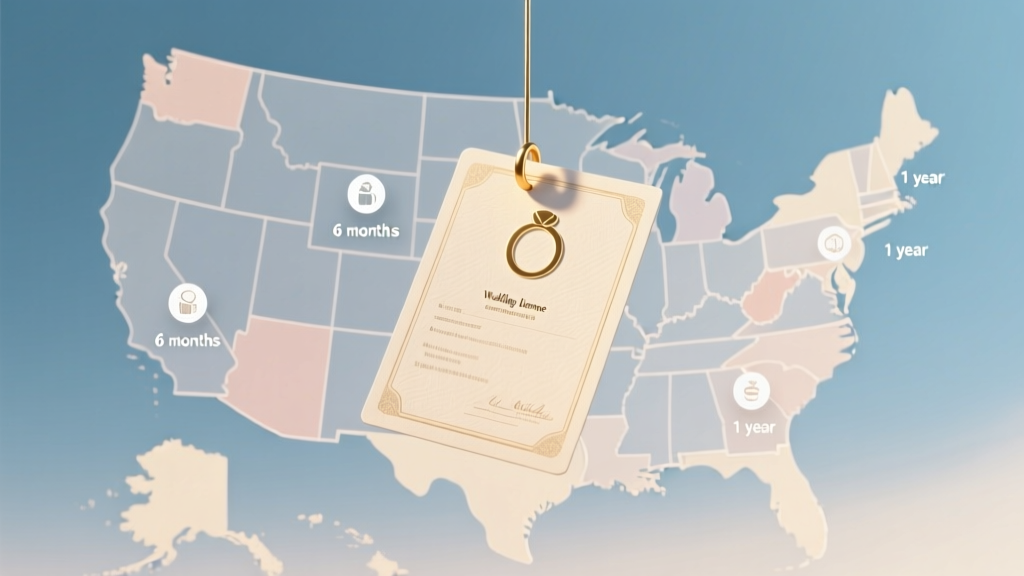 Wedding License Expiration Rules (2026)
 Wedding Gift Amounts: What to Give in 2026
 How to Plan a Wedding in 6 Months or Less
 How to Plan a Wedding With a Surprise Element
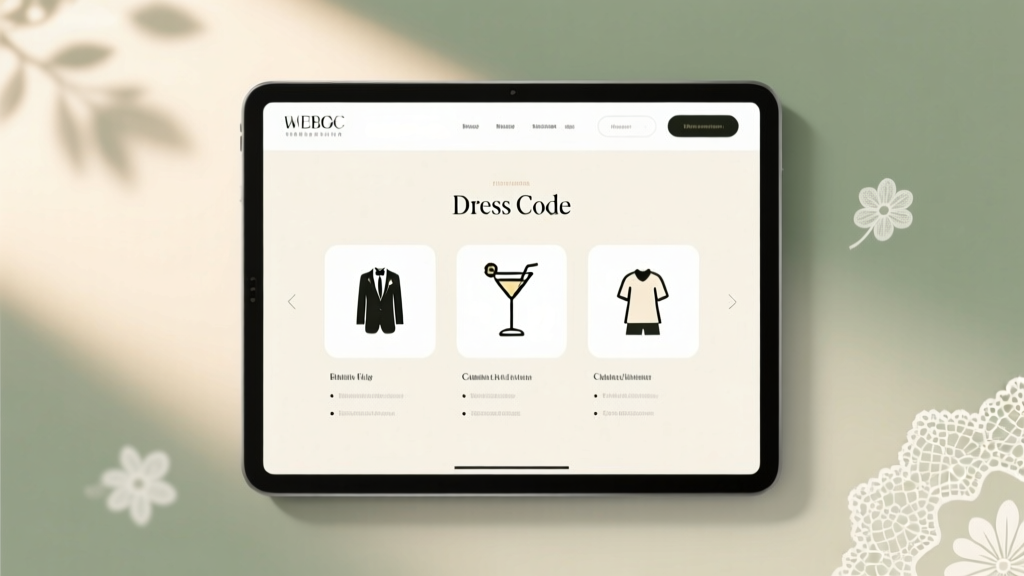 Wedding Dress Code on Website: 7 Steps + 3 Phrases to Avoid
 When to Send Save the Dates for Destination Wedding
 Jumpsuit to Formal Wedding: 7 Style Rules (2026)
 Satin Skirt Wedding Outfits: 7 Styling Formulas (2026)
 January Wedding Attire: Weather-Proof Outfit Ideas (2026)
 A Wedding Story TLC: Real Planning Truths (2026)