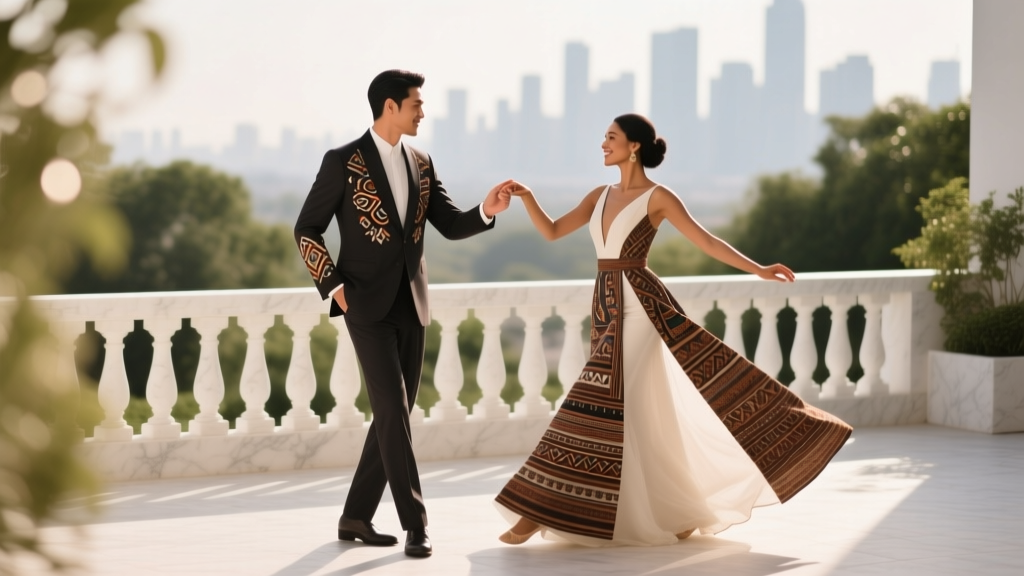
How to Plan a Wedding With a Cultural Dance Performance
When you picture your wedding day, you probably see more than a timeline and a seating chart—you see the moments that feel like you. For many couples, a cultural dance performance is one of those moments: the music starts, a familiar rhythm fills the room, and suddenly grandparents are smiling through happy tears while friends lean in, captivated.
Maybe you’re blending two cultures, honoring your family’s heritage, or simply celebrating a tradition you love. Whatever your “why,” planning a wedding with a cultural dance performance can be incredibly meaningful… and a little intimidating. You might be wondering how to fit it into the reception flow, what to tell your DJ, or how to make guests feel included even if they’ve never seen the dance before.
This guide walks you through the process like a trusted wedding planner friend—practical steps, budget and timeline advice, and real scenarios you’ll recognize—so your dance performance feels seamless, respectful, and unforgettable.
Start With the “Why” and the Style of Performance
Before you book dancers or start rehearsing, get clear on what role the performance will play. This decision affects your budget, timing, venue setup, and even your attire.
Choose the type of cultural dance moment
- Professional performance: A hired group performs for guests (often 5–20 minutes).
- Family or community performance: Relatives or a local cultural group performs (can be very meaningful, may require extra coordination).
- Couple’s cultural first dance: You and your partner perform a traditional dance (possibly with choreography coaching).
- Interactive guest dance: Guests are invited to join (great for building energy—requires thoughtful guidance).
- Processional or ceremony integration: A brief cultural dance as part of the ceremony entrance/exit, where appropriate.
Real-world scenario: blending cultures
If one partner is Punjabi and the other is Irish, you might feature a short bhangra performance right after dinner, then kick off open dancing with an Irish céilí set that gets everyone on the floor. The key is positioning both as celebrations—not “one real moment” and one afterthought.
Build Your Wedding Timeline Around the Performance
A cultural dance performance lands best when it has space to breathe—meaning the room is ready, guests are seated or gathered, and the catering team isn’t trying to serve hot plates through the dance floor.
Best times to schedule a cultural dance performance
- During cocktail hour (if space allows): Works well for shorter performances and keeps reception time flexible.
- Right after grand entrance: High energy, sets the tone—especially if the dance is celebratory.
- After dinner, before open dancing: Ideal for a performance guests should fully watch and appreciate.
- As the “bridge” between formalities and party time: After toasts/cake, before the dance floor opens.
Sample reception flow (with a 10–12 minute performance)
- Grand entrance (5 minutes)
- First dance or couple’s moment (3–5 minutes)
- Dinner service begins
- Toasts (10–15 minutes)
- Cultural dance performance (10–12 minutes)
- Parent dances (optional) (6–8 minutes)
- Open dancing begins
Timeline pro tip
Plan a 3–5 minute buffer before the performance for transitions (moving chairs, clearing plates, resetting audio). Those few minutes prevent awkward dead air and keep the performance feeling polished.
Budget Considerations: What It Really Costs
Costs vary widely by region and dance type, but you can build a realistic budget with a few common line items.
Common budget categories
- Performer fees: Often priced per dancer, per set length, and day/time (weekends can be higher).
- Travel and lodging: If performers come from out of town.
- Sound needs: Special microphones, playback equipment, or additional speakers.
- Floor and staging: A portable dance floor or small stage for visibility.
- Lighting: Spotlight or wash lighting to make the moment feel intentional.
- Choreography lessons: If you’re performing (private lessons add up quickly).
- Outfits/wardrobe changes: Traditional attire, accessories, or a second look for movement.
Practical ways to keep it within budget
- Shorten the set: A strong 6–8 minute performance can be more impactful than a long set.
- Bundle services: Some cultural groups offer performance + teaching guests a simple step.
- Use venue lighting: Ask what’s included before renting extra fixtures.
- Choose one “hero moment”: If you’re also doing sparklers, live band, and fireworks, prioritize what matters most.
Book the Right Performers (and Vet Them Like a Vendor)
Hiring performers is similar to booking a photographer or DJ: talent matters, but professionalism matters just as much.
Questions to ask before you book
- How long is the performance, and can it be adjusted?
- What are the space requirements (minimum floor size, ceiling height)?
- Do they bring their own sound equipment, or will they plug into your DJ’s system?
- What music format do they use (USB, email WAV/MP3, live drums, etc.)?
- Do they need a private changing area?
- Can they share videos of real weddings (not just studio reels)?
- What’s their backup plan if a dancer is sick or travel is delayed?
Contract checklist
- Performance date, exact start time window, and length
- Total fee, deposit, and payment schedule
- Cancellation/reschedule terms
- Arrival time for setup and rehearsal run-through
- Tech rider (sound/lighting needs)
- Permission for video recording and social posting (both directions)
Coordinate With Your Venue, DJ/Band, and Planner
The most common issue with cultural performances isn’t the performance—it’s the coordination. Your goal is to make it easy for your vendor team to support the moment.
What to share with the venue
- Estimated number of performers and arrival time
- Need for a green room or private space for changing
- Where the performance will take place (dance floor, stage, outdoor patio)
- Any special considerations (props, drums, swords, candles—anything non-standard)
- Setup changes required (moving chairs, clearing tables nearby)
What to share with your DJ or band
- Exact music files and backup copies
- Start/stop cues (especially if there are multiple tracks)
- Microphone needs for an emcee-style intro
- Lighting request (dim house lights, spotlight center floor, etc.)
Pro tip: schedule a “tech moment”
Ask for a sound check earlier in the day or during cocktail hour. Even five minutes of testing prevents last-minute scrambling—especially if the performance uses live instruments or specific audio levels.
Make Guests Feel Included (Even If They’ve Never Seen the Dance Before)
A cultural performance can be deeply personal, but it should still feel welcoming to every guest in the room.
Ways to set context without over-explaining
- A short emcee intro: 20–40 seconds is perfect. Share what the dance represents and why it matters to you.
- Program note: One sentence in your ceremony program or reception menu card.
- Teach one simple step: If it’s appropriate, invite guests to join for the last minute.
Real-world scenario: keeping the energy up
If your performance is more theatrical and guests will be seated, follow it with something that shifts the room into “party mode”—for example, a short couple’s dance, then an open-floor song everyone knows. That prevents the room from feeling like it’s watching a show for 20 minutes and then awkwardly waiting for the next announcement.
If You’re Performing: Rehearsal, Outfit Planning, and Stress-Free Prep
Couples often underestimate how much time choreography takes—especially if you’re learning a dance style that’s new to you.
A realistic rehearsal timeline
- 3–4 months out: Choose music, book a choreographer, set a practice schedule.
- 8–10 weeks out: Learn full choreography; record practice videos to track progress.
- 4–6 weeks out: Clean up transitions, entrances/exits, and facial expressions (yes, it matters in photos).
- 2–3 weeks out: Practice in similar shoes/outfit constraints.
- Week of: One or two light run-throughs only—avoid injuries and exhaustion.
Wardrobe and comfort checklist
- Test movement in your outfit: spins, steps, lifting arms
- Bring fashion tape, safety pins, and a mini sewing kit
- Choose shoes you can actually dance in (or switch shoes for the performance)
- Plan hair and jewelry with movement in mind (heavy pieces can become painful fast)
Step-by-Step Planning Checklist
- Define the purpose: honoring heritage, welcoming guests, high-energy kickoff, etc.
- Select the format: professional troupe, family performance, couple performance, or interactive segment.
- Set a budget range: include performance fees + tech + any outfit changes.
- Choose the ideal time slot: cocktail hour, post-dinner, or before open dancing.
- Confirm logistics: floor size, stage, green room, arrival time.
- Book performers/choreographer: sign contract and confirm cues.
- Coordinate with DJ/band: music files, microphones, lighting, and backup plan.
- Plan the intro: who speaks, what they say, and when.
- Communicate to photographer/videographer: key shots, where to stand, and any special moments.
- Do a final run-through: quick tech check and timeline review with your planner or point person.
Common Mistakes to Avoid (and What to Do Instead)
- Mistake: Scheduling the performance during meal service.
Do instead: Place it after plates are cleared or between courses, with the catering team aligned. - Mistake: Not accounting for setup time.
Do instead: Add a buffer for moving chairs, clearing the floor, and audio transitions. - Mistake: Assuming the DJ will “figure it out.”
Do instead: Provide labeled music files, clear cues, and a backup copy on USB/email. - Mistake: Picking a performance length that drains the room.
Do instead: Aim for a tight, engaging set and keep the reception pacing moving. - Mistake: Forgetting guest experience.
Do instead: Offer a brief intro or program note so everyone understands what they’re witnessing. - Mistake: No plan for where performers change or wait.
Do instead: Confirm a private space and restroom access with the venue.
Wedding Planner Pro Tips for a Seamless Cultural Dance Moment
- Designate a “performance captain.” This can be your planner, coordinator, or a trusted friend who handles timing and keeps performers in the loop.
- Tell your photographer the must-have shots. Example: “wide shot of full formation,” “reaction shots of grandparents,” “couple joining at the end.”
- Think about sightlines. If guests are seated at round tables, consider a small stage or a central floor with cleared perimeter so people can see.
- Plan a clean entrance and exit. Know where performers come from and where they go—avoid cutting through the kitchen or squeezing past tables.
- Protect the dance floor. If the venue’s floor is delicate, confirm what shoes/props are allowed and whether a dance floor rental is needed.
FAQ: Cultural Dance Performances at Weddings
How long should a cultural dance performance be at a wedding?
Most weddings do best with 6–12 minutes. If you want multiple dances, consider two shorter sets (for example, one during cocktail hour and one after dinner) to keep energy high.
Do we need to feed professional dancers or performers?
Often yes—especially if they’re onsite for extended time. Ask your venue about vendor meals and confirm with the performers’ contract expectations.
What if some family members disagree about which cultural dance to include?
Pick one “anchor” tradition that’s most meaningful to you, then consider a smaller nod to the other preference (a song choice, a short second performance, or an interactive group dance). When needed, frame it as honoring both families while keeping the reception flow smooth.
Can we do a cultural dance performance in a small venue?
Yes, with smart adjustments: shorten the dancer count, use a tighter choreography footprint, clear a dedicated performance area, and prioritize sound quality. A small space can actually feel more immersive.
How do we make guests comfortable if they’re unfamiliar with the dance?
A quick emcee intro, one sentence in printed materials, and inviting guests to join for a simple final step (if appropriate) goes a long way. Guests don’t need a lecture—they just need a warm welcome into the moment.
Should we hire a live drummer or use recorded music?
Either works. Live music can feel electric, but it requires more coordination and sometimes extra mics. Recorded music is simpler and more predictable for timing. Choose based on your budget, venue sound setup, and the vibe you want.
Your Next Steps
If a cultural dance performance is on your wedding wish list, start by choosing the role it plays in your day, then build your wedding timeline and vendor coordination around it. With the right planning, it won’t feel like an “extra”—it will feel like one of the most personal parts of your celebration.
- Decide your performance style and ideal time slot
- Reach out to performers/choreographers and confirm requirements
- Share details early with your venue and DJ/band
- Create a simple intro so guests feel included
For more reception flow ideas, budget planning tips, and cultural wedding inspiration, explore our other planning guides on weddingsift.com.
More Articles
 Wedding Invitation Printing Costs (2026)
 Wedding Photographer Booking System (2026)
 Yellow to Wear to a Wedding? Dress Code Decoder (2026)
 Wedding Planning: Realistic Timeline & Budget Triggers
 Sell Wedding Ring: 7 Steps to Avoid 30–60% Value Loss
 Perona Farms Wedding Cost Breakdown (2026)
 How Many Songs Do You Need for a Wedding? (2026)
 Wedding Guest Outfit Decoder: Dress Code in 7 Seconds
 Two Best Men at a Wedding: How to Do It Right (2026)
 Wedding Suit Rentals: Real 2026 Costs & Hidden Fees