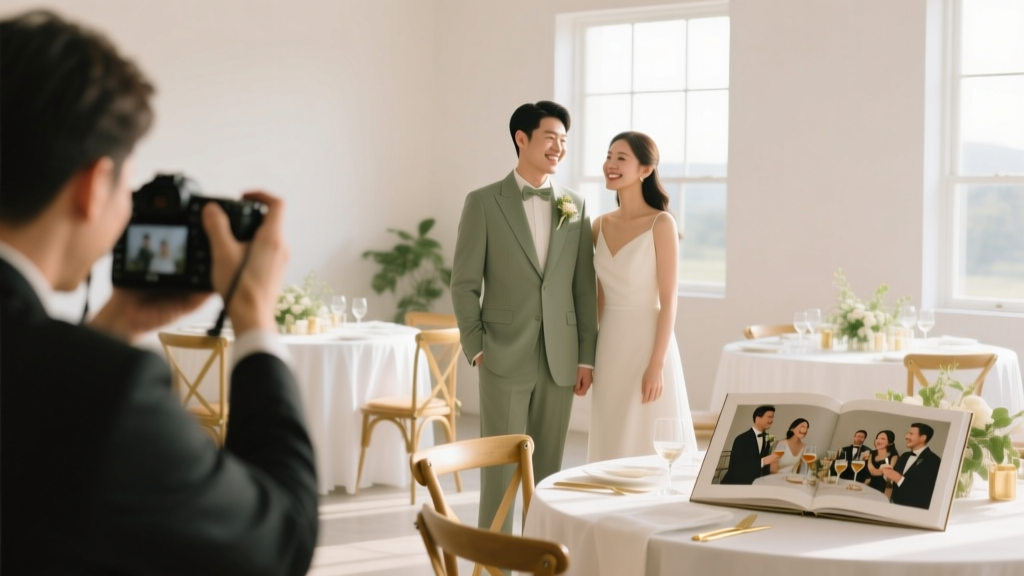
What Is the Etiquette for Wedding Photography Sharing
What Is the Etiquette for Wedding Photography Sharing?
You spend months planning your wedding, and then in one weekend you end up with hundreds (or thousands) of photos—professional images, guest snapshots, and those adorable candid moments someone caught on the dance floor. Then comes the question almost every couple asks: who gets to share what, when, and how?
Wedding photography sharing etiquette matters because it affects privacy, relationships, and even your photographer’s business. It can also shape your first memories of the day—some couples want a private “first look” at their gallery, while others love the real-time buzz of friends posting stories all night.
The short, clear answer
The best etiquette for wedding photo sharing is: the couple sets the rules, communicates them kindly ahead of time, and guests follow them. Practically, that usually means guests can share their own photos unless the couple requests an “unplugged” ceremony or a temporary social media pause, while professional images should be shared according to the photographer’s contract (including crediting the photographer and not editing their work without permission).
Q: Who “owns” wedding photos, and who’s allowed to share them?
A: Ownership and etiquette aren’t always the same, but understanding both makes sharing much smoother.
- Professional wedding photos: In many regions, the photographer owns the copyright, while the couple receives a license to use and share images for personal use (often spelled out in the contract). That’s why some photographers ask for credit or limit heavy editing.
- Guest photos: Guests generally own the photos they take on their phones. Etiquette-wise, they should still respect the couple’s privacy and any requested posting rules.
- Venue/vendor photos: Planners, florists, and venues may take behind-the-scenes shots for their portfolios. Most couples are fine with this, but it’s reasonable to ask for a time delay (for example, “Please wait until we post first”).
“My contract gives couples unlimited personal sharing, but I ask two things: don’t apply heavy filters that change my color work, and tag my studio when possible,” says Renee Alvarez, wedding photographer (fictional). “It helps couples share freely while protecting the quality of the images they paid for.”
Q: Is it rude for guests to post wedding photos before the couple does?
A: It can be, depending on your expectations and the moment. Many couples feel strongly about sharing their own wedding announcement first, especially a first kiss photo or a professional portrait.
Modern etiquette has shifted: guests posting Stories or candid photos is normal, but posting key moments before the couple gets a chance can feel intrusive. The best approach is to decide what you prefer and tell guests clearly.
Real-world example: “We didn’t mind guests posting dance floor pics, but we really wanted to share the ceremony shot ourselves,” says Maya, married in 2025 (fictional). “Our officiant made a quick announcement: ‘Feel free to snap photos at cocktail hour, and please hold ceremony photos until the couple posts.’ It worked perfectly.”
Traditional vs. modern approaches (and what couples are choosing now)
Scenario 1: Traditional etiquette—wait for the couple
Traditionally, guests waited for printed photos or a formal announcement. If you’re having a more formal event, or you value privacy, a “wait to post” guideline fits naturally. This can be especially helpful for:
- Couples who prefer to keep their wedding off social media
- Families with sensitive circumstances (estranged relatives, safety concerns, high-profile jobs)
- Ceremonies in houses of worship that restrict photography
Scenario 2: Modern etiquette—share the joy in real time (with boundaries)
Many couples enjoy the excitement of real-time posts and consider guest content part of the fun. Current wedding trends like custom hashtags, digital photo guest books, and QR codes that link to shared albums make it easier than ever. If this is you, modern etiquette is simply about guiding guests toward respectful sharing:
- Encourage candid shots at the reception
- Ask guests not to post unflattering photos
- Request no posting of children (or ask for no faces) if some parents prefer privacy
Scenario 3: “Unplugged ceremony,” plugged-in reception
This hybrid approach is one of the most popular wedding planning solutions right now. Guests put away phones during the ceremony (so your professional photographer gets clean aisle shots), then snap away afterward.
“Unplugged ceremonies aren’t about control—they’re about presence,” says Devon Lee, wedding planner (fictional). “Couples want to see faces, not screens, and they want guests to hear the vows without distraction.”
Q: What’s the etiquette for sharing professional photos online?
A: Share generously, but share responsibly.
- Wait for the gallery: If you’re excited, post a sneak peek when your photographer delivers it. Avoid pressuring them publicly for images; it puts them in a tough spot.
- Credit your photographer: Tagging is good etiquette and often appreciated. If you can’t tag, include a simple credit in the caption (e.g., “Photo: Studio Name”).
- Don’t edit heavily: A light crop is usually fine. Heavy filters, skin-smoothing apps, or changing tones can misrepresent the photographer’s work. If you love a specific aesthetic, ask your photographer for a version that matches your vibe.
- Follow the contract: Some contracts restrict commercial use (for example, an influencer partnership). If a brand wants to repost your images, ask your photographer first.
Q: How do we set wedding photo sharing rules without sounding strict?
A: Keep it short, warm, and specific—then repeat it in more than one place.
Where to communicate:
- Wedding website: Add a “Photos & Social Media” FAQ.
- Invitation insert or details card: One line is enough.
- Ceremony sign: Especially for unplugged ceremonies.
- Officiant announcement: The most effective reminder.
Wording ideas you can copy:
- “We’d love an unplugged ceremony—please keep phones away until cocktail hour. Thank you for being fully present with us.”
- “Feel free to take photos at the reception! We kindly ask that you wait to post ceremony pics until we share our first photo.”
- “Please don’t post photos of children on social media. We appreciate your help keeping our littlest guests private.”
Q: What about sharing guest photos—Google Drive, iPhone albums, and QR codes?
A: A shared album is great etiquette because it gives you access to candid moments without chasing people down.
Popular options include:
- Google Photos shared album (easy cross-platform)
- Apple Shared Album (simple for iPhone-heavy groups)
- QR code photo upload via guest photo collection services (common trend for 2024–2026 weddings)
Tip: Ask someone you trust to be the “album helper” who posts the link, answers questions, and makes sure the upload stays respectful.
Related questions couples ask (and how to handle them)
“Can we ask guests not to post at all?”
Yes. It’s completely acceptable to request a social media-free wedding. The etiquette key is to explain briefly (“We’re keeping this day private”) and accept that you can’t control everything—focus on communicating to the people who matter most.
“What if someone posts something we hate?”
Assume good intent, then be direct and calm. A simple text works: “Hi! We love that you had fun—would you mind taking down that photo? We’re keeping wedding posts limited / I don’t feel comfortable with that one. Thank you so much.”
“Can our photographer post our photos?”
Usually photographers request this in the contract. If you want privacy or a delay, ask before signing. A common compromise is a 30–90 day posting hold.
“Should we create a wedding hashtag?”
If you want guests to share, a hashtag helps you find everything later. If you prefer privacy, skip it—or use a shared album instead.
“What about unplugged weddings and accessibility?”
Some guests rely on phones for hearing, vision, or translation. If you’re requesting an unplugged ceremony, add a line like: “Phones away unless needed for accessibility—thank you!” This is both considerate and practical.
Conclusion: The best etiquette is the one that protects your peace
Wedding photography sharing etiquette isn’t about policing your guests—it’s about setting expectations so you can enjoy your day and your memories. Decide what feels comfortable (unplugged ceremony, delayed posting, or open sharing), put it in writing, and give guests an easy way to support you. When you lead with warmth and clarity, most people are genuinely happy to follow your rules.
More Articles
 Wedding Shoes Superstition: Groom Seeing Them in 2026
 Where to Watch 4 Weddings (2026) | Region-Specific
 How to Handle a Bridesmaid Who Does Not Contribute
 How Much Soda to Buy for Wedding Without Running Out
 Crazy Rich Asians Wedding Venue: Singapore’s Real Location
 World's Most Expensive Wedding Dress: The Real Cost
 Save the Dates: 12+ Non-Wedding Events That Need Them
 What Is a Wedding Welcome Party and Why You Need One
 How to Tie a Corset Wedding Dress: 5 Steps to Perfect Lacing
 Can You Wear TED to a Wedding? (2026)