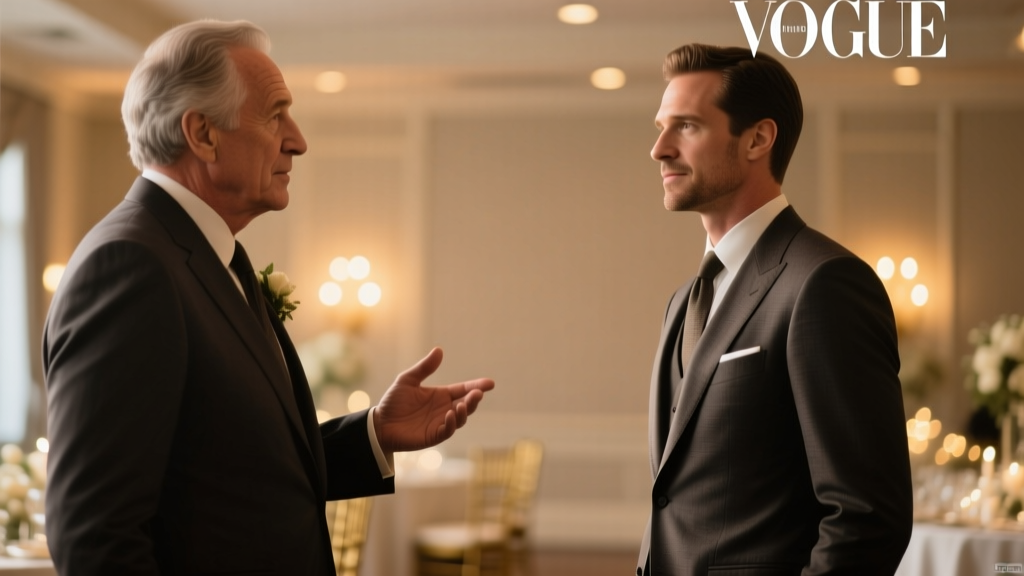
Who Should Give the Father-of-the-Bride Speech
Who Should Give the Father-of-the-Bride Speech?
Toasts are one of those wedding moments that feel small on the timeline but huge in emotional impact. Couples often ask about the father-of-the-bride speech because it’s wrapped up in tradition, family expectations, and a little stage fright—all at once. When you’re already juggling a guest list, seating chart, and ceremony details, the last thing you want is awkward uncertainty about who’s “supposed” to speak.
The good news: modern wedding etiquette gives you plenty of options. The “right” person is the one who can celebrate the couple warmly and comfortably, without turning the reception into a family politics situation.
Quick answer: who should give the father-of-the-bride speech?
Traditionally, the bride’s father gives the father-of-the-bride speech at the reception, usually during the main toast segment (often after the couple is seated for dinner). If the bride’s father isn’t available, isn’t comfortable speaking, or isn’t the best fit for your family dynamic, it’s perfectly acceptable for another parent or parental figure to give that toast—or to skip that specific “role” entirely and simply plan a meaningful parent toast.
What the father-of-the-bride speech usually includes
People sometimes get stuck because they think the father-of-the-bride speech has to follow a strict script. It doesn’t. At most weddings, it’s a short, heartfelt toast that:
- Welcomes guests and thanks them for being there
- Says something loving about the bride (a brief story, a proud moment)
- Welcomes the new spouse into the family
- Offers a toast to the couple’s future
Wedding planner “Maya Rodriguez” (fictional), who’s coordinated over 200 receptions, puts it simply: The best parent speeches are two to four minutes, warm, and focused on the couple—not a detailed biography of the bride’s childhood.
Traditional etiquette vs. modern weddings: what’s changing
If you’ve been to weddings across different generations, you’ve probably seen the shift. The traditional wedding speech order in many regions is:
- Father of the bride
- Groom (or couple together)
- Best man
- Maid of honor
But today’s wedding trends are loosening that lineup. Couples are prioritizing:
- More inclusive family structures (step-parents, two moms or two dads, grandparents, guardians)
- Comfort levels (not everyone enjoys a microphone moment)
- Shorter toast blocks (fewer speeches, more mingling)
- Nontraditional reception formats (cocktail-style receptions, micro-weddings, destination weddings)
That’s why “who should give the father-of-the-bride speech” often really means: Who should give the parent toast that welcomes everyone and honors the bride?
Scenario guide: who gives the speech in real-life situations?
1) Bride’s father is present and comfortable speaking
This is the classic setup. The father of the bride gives a toast during dinner, often after the couple’s entrance and before the meal is fully underway. In many families, this speech also doubles as a “welcome” from the hosts.
Example: “I’m not a public speaker, but I practiced three times,” says fictional groom “Evan.” My father-in-law kept it simple—thanked everyone, told one sweet story, and toasted us. It was the perfect tone-setter.
2) Bride’s father prefers not to speak (stage fright, anxiety, or discomfort)
This is more common than couples realize. If he’d rather skip the microphone, that doesn’t mean you lose the moment. Options include:
- Have the bride’s mother or another parent give the toast
- Do a joint parent speech (both parents together)
- Have him offer a brief welcome only (30 seconds), then pass the toast to someone else
- Write a letter to be read privately on the wedding morning
A fictional DJ and emcee, “Chris Patel,” shares: I’ve seen dads who were terrified of speeches do an amazing 20-second toast—‘We love you both, thank you for coming, cheers!’ The room still erupts.
3) Divorced parents, remarriage, or blended families
Blended-family etiquette is where couples most want clarity. There isn’t one “correct” answer, but here are approaches that keep things smooth:
- One speaker: The person closest to the “father-of-the-bride” role gives the toast (bio dad, stepdad, or a grandparent/guardian).
- Two short toasts: Bio dad and stepdad each do a 1–2 minute toast, keeping it positive and couple-focused.
- Joint toast: If everyone is comfortable, both parental figures stand up together for one combined welcome.
Practical tip: if there’s tension, shorter is better. You’re aiming for a warm wedding toast, not a family summit.
4) Father is absent, estranged, or has passed away
This is deeply personal, and your wedding doesn’t need to “fill the role” unless you want to. You can:
- Invite the bride’s mother, a sibling, or a grandparent to give the parent toast
- Ask a mentor or close family friend (someone who feels like family)
- Skip a parent speech entirely and focus on toasts from friends
- Include a quiet remembrance (a line in the ceremony, a reserved seat, a small mention in another speech)
One fictional bride, “Janelle,” explains: My dad passed away when I was in college. My uncle gave a short welcome and then my mom toasted us. It felt honoring without trying to replace anyone.
5) Same-sex couples and nontraditional wedding roles
If you’re planning a wedding with two brides or two grooms, you can still have “father-of-the-bride” style speeches—just don’t feel boxed in by labels. Many couples choose:
- A “parent toast” from each side
- One welcome speech from whoever is hosting
- Two short parent speeches back-to-back
The keyword here is intent: welcoming guests, expressing love, and celebrating the marriage.
Actionable tips to decide who should speak (without drama)
- Decide what you want the speech to do. Is it a welcome from the hosts? A sentimental moment? A quick toast and move on? Knowing the purpose makes the “who” much easier.
- Ask early, and ask privately. A calm one-on-one conversation prevents assumptions. “Would you like to give a toast? No pressure either way.”
- Keep the toast lineup short. Current wedding reception trends favor 2–5 minutes per speaker. If you have multiple parents who want to speak, encourage short, coordinated messages.
- Choose the best speaker, not the most traditional title. The person who can stay kind, appropriate, and couple-focused is the right choice.
- Work with your DJ/bandleader or planner on the order. A confident emcee can make transitions smooth and reduce awkwardness.
- Offer help with writing. Many parents appreciate a simple outline: welcome, one story, congratulations, toast. Consider a practice run at the rehearsal dinner.
- Set boundaries if needed. If you’re worried about embarrassing stories or ex-spouse mentions, it’s okay to say: “Please keep it upbeat and PG.”
Related questions couples often ask
Does the father-of-the-bride speech have to happen at the reception?
No. While it’s most common during the reception speeches, some couples move parent toasts to the rehearsal dinner or do a short welcome at the start of the reception and skip formal speeches later. Cocktail-style weddings often prefer fewer scheduled moments.
What if the bride’s father paid for the wedding—does that mean he must speak?
Not necessarily. Hosting and speaking often overlap in traditional etiquette, but payment doesn’t obligate someone to give a toast. If he’s hosting and wants to welcome guests, a brief welcome works beautifully—then someone else can do the more emotional speech.
Can the bride give a speech instead?
Absolutely. Many modern couples give a joint thank-you speech, or each partner speaks briefly. If you want to keep things simple, you can skip the father-of-the-bride speech and have the couple do one heartfelt toast together.
What if multiple people want to give the father-of-the-bride speech?
Pick a structure that feels fair and doesn’t drag: two mini-toasts, or one designated speaker with others included in a group thank-you. Your emcee can introduce it as “a few quick words from the family” to keep expectations relaxed.
What if the father-of-the-bride speech could be tense or inappropriate?
You’re allowed to protect your peace. Consider asking a different person to speak, limiting speeches altogether, or having the emcee guide the moment with clear time limits. If needed, you can review a rough outline in advance.
Conclusion: the “right” speaker is the one who supports your celebration
Tradition says the father of the bride gives the father-of-the-bride speech, but modern wedding planning is about what fits your family and your comfort level. Whether it’s your dad, your mom, a step-parent, a grandparent, or no parent toast at all, the best choice is the one that feels warm, respectful, and true to your story.
If you’re unsure, aim for one simple guiding rule: choose the speaker who can celebrate your marriage with kindness—and keep it short enough that everyone gets back to enjoying the party.
More Articles
 Wedding RSVP Deadline: The 3–4 Week Rule (2026)
 Crepe Wedding Dress Spot Cleaning: 7 Dry-Cleaner Steps
 Italian Wedding Soup for Weight Loss: Calories, Swaps (2026)
 Are Weddings Pagan? Evidence-Based Tradition Origins
 Italian Wedding Soup for Weight Loss? (2026)
 Wedding & Engagement Ring Order: What 92% Get Wrong
 What to Do When a Wedding Party Member Misses Rehearsal
 How to Handle a Wedding Party Disagreement
 How to Say Wedding in 12 Languages (2026)
 Wedding Band Matching: Truth & 2026 Trend