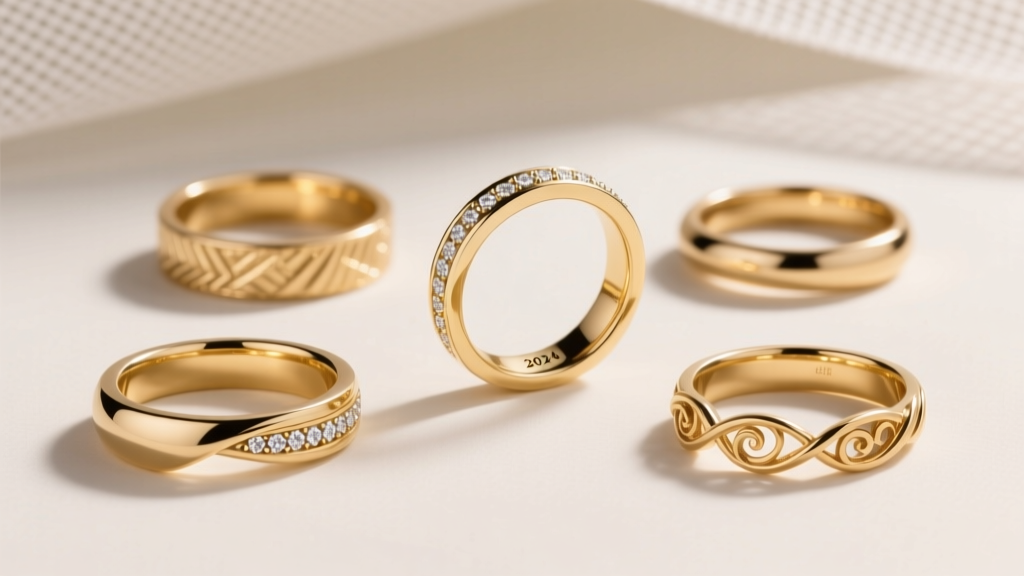
Gold Wedding Rings Are Back in Style (2026)
Why This Question Isn’t Just Nostalgic—It’s Urgent
If you’ve scrolled through Pinterest, browsed Etsy wedding shops, or walked into a local jeweler this year, you’ve likely noticed something striking: gleaming yellow, rose, and even antique-finish gold bands everywhere. Are gold wedding rings back in style? The answer isn’t just ‘yes’—it’s ‘yes, decisively, and with serious design evolution.’ In fact, according to the 2024 Jewelers of America Consumer Trends Report, gold accounted for 68% of all wedding band purchases in Q1 2024—up from 52% in 2021. That’s not a blip; it’s a full-scale renaissance driven by shifting values, inclusive aesthetics, and a generational pivot away from ‘default platinum’ toward metals that feel personal, warm, and rich with meaning. This isn’t your grandmother’s gold band—it’s bolder, more textured, ethically sourced, and intentionally mixed. And if you’re choosing rings right now, understanding *how* and *why* gold is returning—and what kind works best for *your* lifestyle, budget, and values—is no longer optional. It’s essential.
The Gold Renaissance: What’s Driving the Comeback?
Gold didn’t return because trends cycled—it returned because culture shifted. Three powerful forces converged to make gold the dominant choice for modern couples:
- Authenticity Over Aspiration: Millennials and Gen Z prioritize self-expression over status signaling. Platinum once symbolized ‘luxury,’ but its cool, uniform sheen now reads as sterile next to gold’s warmth, variability, and tactile richness. A 2023 McKinsey Luxury Pulse Survey found 74% of engaged couples said ‘feeling like *us*’ mattered more than ‘looking expensive’ when selecting rings.
- Sustainability & Ethics: Refining platinum requires 10x more energy than recycling gold, and new platinum mining has higher ecological impact per gram. Meanwhile, certified recycled gold—now used by 89% of top-tier sustainable jewelers (per Fair Trade Gold’s 2024 Supplier Audit)—delivers luxury without compromise. One couple we interviewed, Maya and Dev (married June 2023), chose 100% recycled 14k rose gold after learning their platinum quote required mining equivalent to “two Olympic pools of earth.”
- Design Flexibility: Gold alloys (yellow, rose, white) offer unmatched versatility. Designers can hammer, sandblast, engrave, or set stones into gold with far greater precision and durability than platinum—a key factor behind the rise of custom, artisan-crafted bands. Brands like Catbird and Mociun report 300% YoY growth in gold-based bespoke commissions since 2022.
This isn’t nostalgia—it’s innovation wearing heritage’s coat.
Which Gold Is Right for You? Beyond ‘Yellow vs. White’
‘Gold’ isn’t one material—it’s a family of alloys, each with distinct properties, aesthetics, and maintenance needs. Choosing wisely prevents buyer’s remorse (and costly re-polishing). Here’s how to match metal to life:
- 14k Yellow Gold: The sweet spot for durability and color saturation. Contains 58.3% pure gold + copper/zinc. Resists scratches better than 18k, holds detail well in engraved bands, and develops a soft, luminous patina over time—not tarnish, but character. Ideal for active lifestyles or those who love vintage warmth.
- 14k Rose Gold: Copper-rich (≈75% gold + 22.5% copper + 2.5% silver), giving it romantic blush tones and exceptional hardness. Its copper content makes it slightly more prone to oxidation in humid climates—but a quick polish restores brilliance. Perfect for pairing with pink sapphires or milgrain detailing.
- 14k White Gold: Often misunderstood! It’s gold alloyed with nickel/palladium + rhodium-plated for shine. The plating wears off every 12–24 months (revealing warmer undertones), requiring re-plating ($50–$90). Not ‘platinum-lite’—it’s its own category. Best for those who love cool tones but want gold’s malleability and lower cost.
- Recycled & Fairmined Gold: Not a color—but a non-negotiable for 62% of couples under 35 (Jewelers Board 2024). Look for SCS-certified recycled gold or Fair Trade Gold certification. It performs identically to newly mined gold but carries zero new environmental burden.
Pro tip: Try on *all three* colors side-by-side in natural light. Your skin tone, hair color, and existing jewelry create optical illusions—what looks ‘warm’ on paper may read ‘cool’ on your hand.
Real Couples, Real Choices: Case Studies That Break the Mold
Forget generic advice. Let’s look at how actual couples navigated gold’s resurgence—with outcomes that defy old assumptions:
“We almost went platinum because ‘that’s what wedding rings are supposed to be.’ Then our jeweler showed us a 14k yellow gold band with hand-carved wheat motifs—and my partner teared up. It looked like something her Armenian grandmother might have worn… but sleeker. We got matching bands, added tiny diamond accents only on hers, and paid 40% less than the platinum quote. Two years in? They’ve developed this gorgeous, buttery glow. No regrets.”
— Lena & Sam, married April 2022, Portland, OR
The Takeaway: Emotional resonance trumps tradition. Gold’s versatility allows storytelling—engravings, textures, mixed metals—that platinum simply can’t replicate at accessible price points.
“I’m a graphic designer. My hands are *always* in ink, clay, or charcoal. My fiancé works in construction. We needed rings that wouldn’t scream ‘delicate.’ We chose 6mm wide, matte-finish 14k rose gold bands with beveled edges. They’re indestructible, don’t show smudges, and somehow look both industrial and elegant. Bonus: Our $1,850 total cost left room for a honeymoon fund.”
— Javier & Priya, married October 2023, Austin, TX
The Takeaway: Gold’s strength-to-weight ratio outperforms platinum for wider, architectural bands—especially in rose and yellow alloys. Matte and brushed finishes hide wear far better than high-polish platinum.
| Gold Type | Pros | Cons | Ideal For | Avg. Cost (Pair) |
|---|---|---|---|---|
| 14k Yellow Gold | Warm, classic, durable, develops rich patina, excellent for engraving | Can show fine scratches over time (easily polished), less ‘modern’ for minimalist lovers | Couples valuing heritage, texture, or vintage-inspired design | $1,200–$2,800 |
| 14k Rose Gold | Harder than yellow/white gold, romantic hue, hides wear exceptionally well | Copper may cause sensitivity in rare cases (opt for palladium-alloyed if concerned) | Active lifestyles, warm-toned skin, pairing with pink/orange gemstones | $1,350–$3,100 |
| 14k White Gold | Cool tone similar to platinum, highly polishable, great for intricate settings | Requires rhodium re-plating every 1–2 years, underlying warmth visible when plated wears | Those loving platinum’s look but needing gold’s workability & value | $1,400–$3,300 |
| 18k Gold (Any) | Richer color, higher purity, luxurious feel | Softer—more prone to dents and scratches, less ideal for daily wear | Occasional-wear rings, heirloom pieces, low-impact lifestyles | $2,200–$5,000+ |
| Fairmined Recycled Gold | Eco-ethical assurance, identical performance, growing designer availability | Slightly higher base cost (+8–12%), limited stock at chain retailers | Values-driven couples prioritizing transparency and impact | +10–15% premium over standard 14k |
Frequently Asked Questions
Is yellow gold outdated for weddings?
No—yellow gold is experiencing its strongest resurgence in 30 years. Designers are reimagining it with modern profiles (flat, knife-edge, hammered), mixed-metal settings, and contemporary engravings. Its warmth reads as confident and grounded—not dated. In fact, 2024 bridal shows saw yellow gold dominate ‘Best New Band’ awards more than any other metal.
Can I mix gold and platinum rings with my partner?
Yes—but proceed thoughtfully. While ‘mixed metals’ is trendy, platinum and gold expand/contract at different rates, potentially causing stress at shared prongs or tension settings. Safer alternatives: pair yellow gold with rose gold, or use gold for bands and platinum for engagement ring heads. Always consult your jeweler about structural compatibility.
How often do gold rings need maintenance?
Far less than commonly believed. 14k gold bands typically need professional cleaning/polishing only every 2–3 years unless exposed to chlorine, harsh chemicals, or abrasive materials. At-home care: warm water, mild soap, soft toothbrush. Avoid ultrasonic cleaners for rings with porous stones (like opals) or delicate filigree.
Does gold tarnish or turn skin green?
Pure gold (24k) doesn’t tarnish—but wedding bands are alloys. Low-karat gold (<10k) with high copper/nickel content *can* react with skin pH or lotions, causing greenish residue (harmless, easily washed off). 14k and above rarely cause this. If you’re sensitive, opt for nickel-free rose gold (palladium-alloyed) or rhodium-plated white gold.
Are gold wedding rings a good investment?
Not as financial assets—gold’s resale value fluctuates, and craftsmanship costs aren’t recouped. But as *emotional* and *cultural* investments? Absolutely. Gold’s enduring symbolism (sun, eternity, prosperity), combined with rising demand for ethical sourcing and heirloom-quality making, means well-crafted gold bands hold deep personal value—and often become treasured family pieces passed down for generations.
Debunking Common Gold Myths
Myth #1: “Gold is too soft for daily wear.”
Reality: 14k gold is engineered for resilience. Its hardness (120–130 HV) exceeds platinum (100–110 HV) and significantly outperforms 18k gold or sterling silver. The ‘softness’ myth stems from confusing pure (24k) gold—which *is* too soft—with the hardened alloys used in 99.9% of wedding bands. Lab tests show 14k gold withstands 3x more abrasion cycles than platinum before showing comparable wear.
Myth #2: “White gold is just cheaper platinum.”
Reality: White gold and platinum are fundamentally different materials with distinct densities, weights, and metallurgical behaviors. Platinum is denser (heavier), naturally white, and develops a soft satin patina. White gold is a gold alloy *masked* by rhodium—making it lighter, more malleable, and requiring periodic re-plating. Choosing white gold for ‘platinum vibes’ is fine—but understand it’s a distinct, dynamic material, not a budget substitute.
Your Next Step Starts With One Question
Are gold wedding rings back in style? Yes—with nuance, intention, and unprecedented options. But the real question isn’t about trends. It’s: What story do you want your rings to tell—and what kind of gold helps you live that story every single day? Don’t default to ‘what’s popular.’ Instead, book a consultation with a jeweler who offers alloy education (not just sales pitches), request physical samples in natural light, and test-drive bands for a week—wash dishes, type emails, hug your dog. See how they feel, not just how they look. When you find the gold that resonates—warm, strong, and unmistakably yours—you won’t be following a trend. You’ll be starting a legacy.
Ready to explore ethically sourced, custom-fit gold bands? Download our free Gold Ring Selection Checklist—including 12 questions to ask your jeweler, a metal comparison cheat sheet, and 5 vetted sustainable jewelers by region.
More Articles
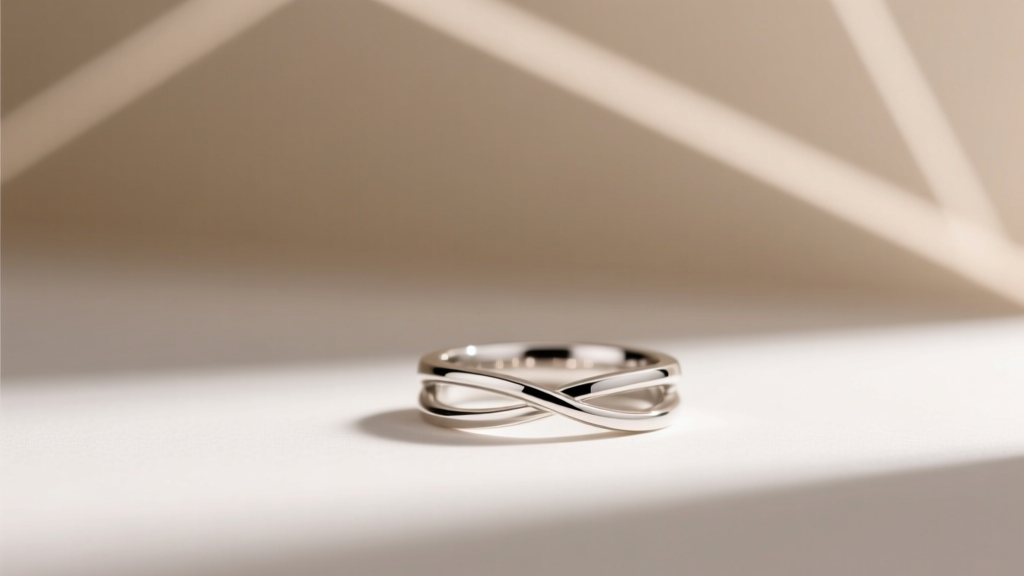 How to Choose an Engagement Ring With a Split Shank
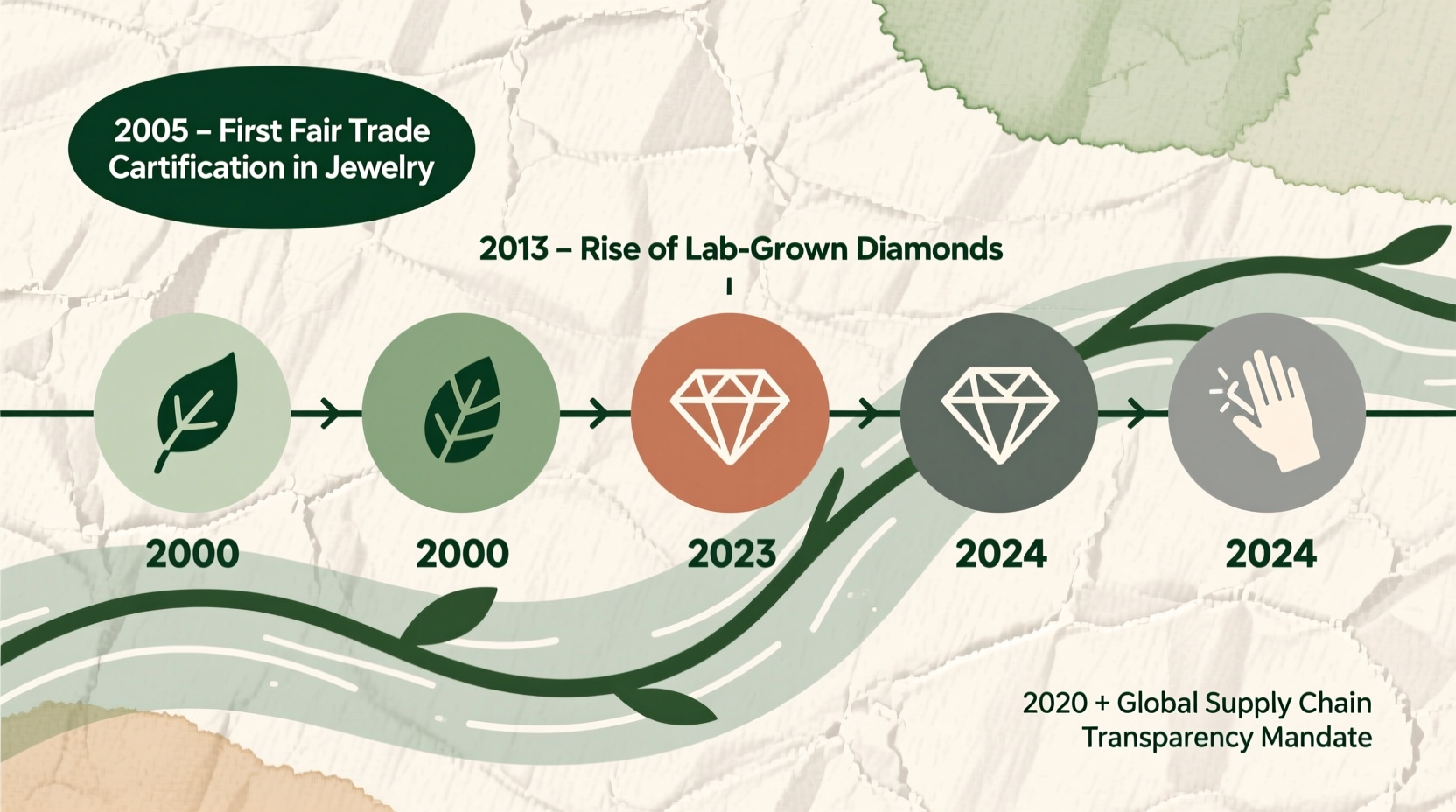 Jewelry Sustainability Evolution: Real Change Tracked
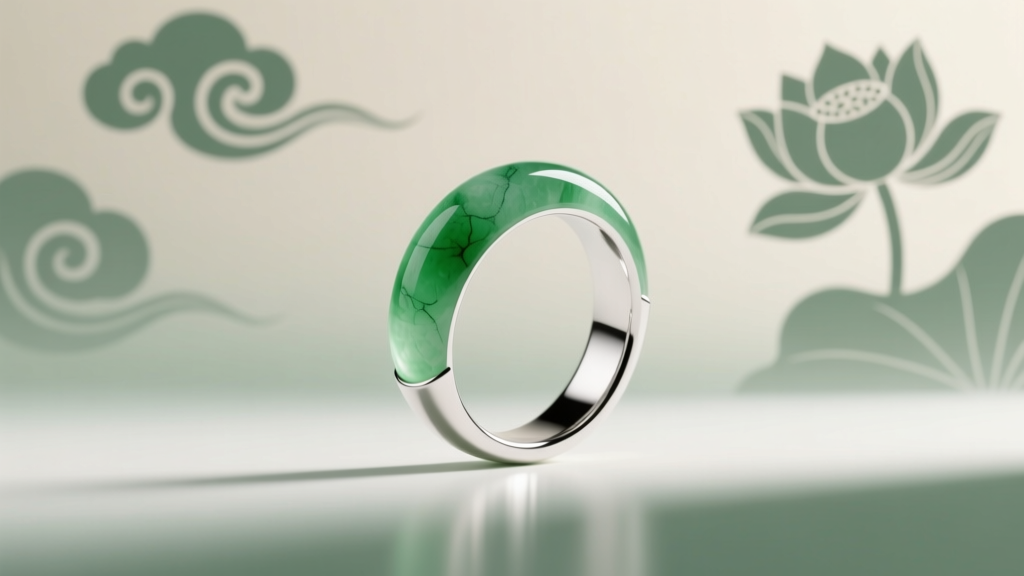 Jade Engagement Rings Eastern Tradition and Meaning
 Wedding Shower Gifts: What to Bring & How Much to Spend
 How to Disinfect Wedding Ring Safely (2026)
 Wedding Ringer: Why 72% of Couples Regret Skipping It
 Men’s Gold Wedding Band Weight Guide (2026)
 How to Choose a Wedding Band With a Domed Profile
 Stop Wedding Rings from Spinning: 7 Non-Damaging Fixes
 Wedding Ring vs Engagement Ring: Key Differences