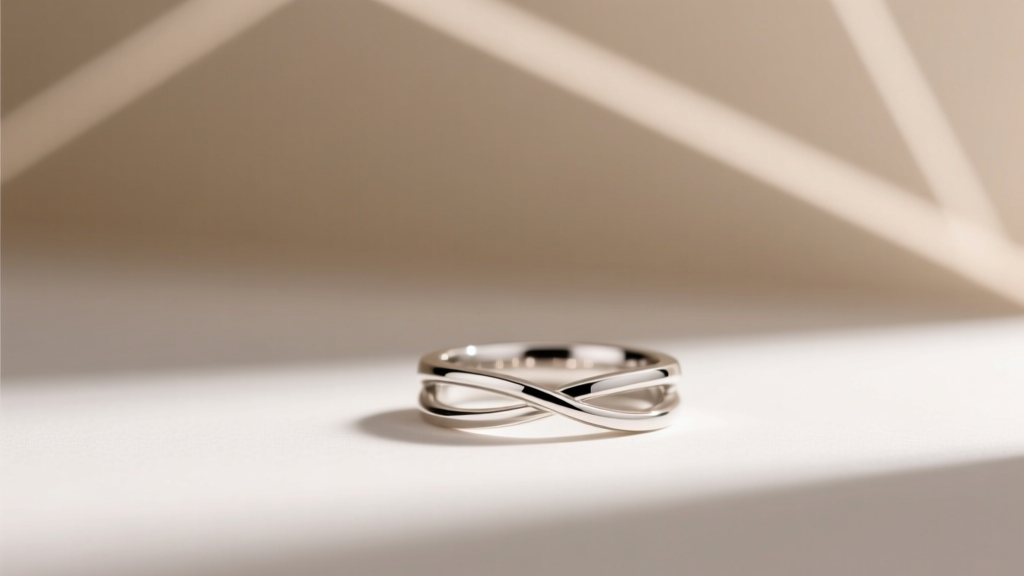
How to Choose an Engagement Ring With a Split Shank
A split shank engagement ring is one of those designs that looks instantly elevated—like it was made for a proposal photo. Instead of a single band that meets the center stone, the band separates into two (or more) strands as it approaches the setting. That small structural change can make a ring feel more sculptural, more sparkling, and often more flattering on the hand.
Choosing the right split shank matters because the design affects everything: how large the center stone appears, how comfortable the ring feels day to day, how it pairs with a wedding band, and even how secure the setting is. Couples often fall in love with the look first, then realize there are several split shank variations—some timeless, some trend-forward—and a few practical considerations that can make the difference between “stunning” and “slightly fussy.”
This guide breaks down split shank styles, best metal and gemstone choices, quality checkpoints to ask a jeweler about, and real-world tips for budget, durability, and long-term wear.
What Is a Split Shank Engagement Ring?
A split shank ring features a band that divides into two or more arms as it reaches the center stone. The split can be subtle (a small “V” opening near the head) or dramatic (wide open negative space with two distinct bands). Some designs keep the arms separate all the way to the setting; others rejoin under the center stone for extra support.
Why Couples Love the Split Shank Look
- Visual impact: It adds dimension and makes the ring look more intricate without needing an oversized center stone.
- Finger-flattering: The split can visually elongate the finger, similar to a tapered band.
- Extra sparkle: Many split shanks include pavé diamonds or milgrain details that catch light from multiple angles.
- Design flexibility: Works with solitaires, halos, vintage-inspired settings, and modern cathedral styles.
Split Shank Styles: Find the Right Look for Your Center Stone
Split shank engagement rings range from classic to couture. Your center stone shape, lifestyle, and wedding band plans should guide which style you choose.
Classic Split Shank Solitaire
Two clean metal arms rise toward a single center stone—often in a prong setting. This is a timeless choice that feels modern but not trendy. It pairs well with round brilliant, oval, cushion, and princess cuts.
Split Shank Halo
A halo adds a circle (or shape-matching frame) of small diamonds around the center stone, and the split shank often includes pavé. This combination is popular for maximizing sparkle and apparent size. Halos remain a strong trend, especially with oval and cushion centers.
Cathedral Split Shank
In a cathedral setting, the band rises upward toward the center stone, creating arches. When paired with a split shank, it offers a very secure, architectural look. Great for larger carat weights or anyone who wants a more substantial presence.
Twisted or Intertwined Split Shank
Instead of a straight split, the arms cross or braid. This style leans romantic and pairs beautifully with round and pear-shaped diamonds. Choose careful craftsmanship here—smooth edges and clean symmetry matter.
Vintage-Inspired Split Shank (Milgrain, Engraving, Filigree)
Expect delicate beading (milgrain), hand-engraved patterns, or lace-like details. This is ideal for couples who love heirloom vibes and timeless craftsmanship. It’s also stunning with old European cut, old mine cut, or antique-style cushions.
Choosing the Best Center Stone for a Split Shank Ring
Split shanks naturally draw attention toward the center. The goal is to choose a stone shape and cut quality that performs well in the spotlight.
Diamond Shapes That Shine in Split Shank Settings
- Round brilliant: The most consistent sparkle; ideal for pavé split shanks where light is everywhere.
- Oval: A top current trend; looks larger per carat and pairs beautifully with a tapered split.
- Cushion: Soft, romantic outline; works especially well in halo split shank designs.
- Pear: Elegant and directional; a split shank can balance the shape and add symmetry.
- Emerald cut: Sleek and classic; choose a simpler split shank (less pavé) so the clean facets stay the focus.
Cut Quality: The “Make or Break” Factor
With split shank styles—especially halos and pavé—the ring is designed to sparkle from multiple angles. A well-cut diamond will hold its own against all that brilliance. Prioritize cut grade (for round diamonds) and request videos or performance images (like ASET/Ideal Scope) when available for fancy shapes.
Colored Gemstones: Sapphires, Rubies, and More
Split shank engagement rings also look striking with colored centers:
- Sapphire: A timeless alternative to diamonds; excellent durability (Mohs 9) for daily wear.
- Ruby: Bold and romantic; also durable (Mohs 9).
- Emerald: Gorgeous but softer and often included; choose a protective setting and plan on more careful wear.
- Moissanite: Bright, fiery sparkle and great value; pairs well with pavé split shanks.
Metal Matters: Platinum vs Gold for a Split Shank Engagement Ring
The metal choice changes the look and longevity of a split shank ring. Because split shanks can include slim arms and pavé, durability is not just aesthetic—it’s structural.
Platinum
- Best for: Long-term wear, sensitive skin, prong security.
- Look: Naturally white with a luxurious weight.
- Wear: Develops a patina over time; can be polished back to shine.
14K Gold (White, Yellow, Rose)
- Best for: A balance of strength and price; very popular for engagement rings.
- Look: White gold is crisp and bright (often rhodium plated), yellow is classic, rose is warm and romantic.
- Wear: White gold may need replating every 1–2 years depending on wear.
18K Gold
- Best for: Rich color and a luxe feel.
- Consideration: Slightly softer than 14K; if the split shank has very fine pavé, discuss durability with your jeweler.
Setting Details and Craftsmanship: What to Check Before You Buy
Split shank designs have more angles, seams, and surfaces than a plain solitaire. That makes craftsmanship especially noticeable.
Prongs and Head Design
- Prong count: Four prongs can look airy; six prongs add security (popular with round brilliants).
- Claw vs rounded prongs: Claw prongs feel refined; rounded prongs feel classic and sturdy.
- Basket or gallery: Look for a well-built basket under the center stone, especially for larger diamonds or gemstone centers.
Pavé Quality (If Your Split Shank Has Accent Diamonds)
- Even spacing and alignment: The stones should sit level and symmetrical along both arms.
- Secure beadwork: Tiny beads of metal hold the diamonds; they should be consistent and not overly thin.
- Comfort edges: High-quality pavé is finished smoothly so it won’t snag sweaters or scratch adjacent fingers.
Band Width, Thickness, and Long-Term Wear
Many split shank rings look best with a graceful, tapered profile—but don’t go too delicate. As a general guideline, ask your jeweler about minimum shank thickness for your center stone size and lifestyle. If you’re active or hard on jewelry, a slightly sturdier build is worth it.
How a Split Shank Engagement Ring Pairs With a Wedding Band
This is where couples get surprised: some split shank designs sit high and pair easily, while others create gaps with straight wedding bands.
Best Wedding Band Pairings
- Classic straight band: Works well if the engagement ring has enough clearance under the head.
- Contour or curved wedding band: Designed to hug the split shank or halo and minimize gaps.
- Matching wedding band set: Often the simplest option for a flush fit and consistent style.
Try This Before Committing
If possible, try the engagement ring with a few wedding band styles in-store or request a virtual try-on. Ask whether the ring can be made “wedding band friendly” by adjusting the height of the setting or the shape of the gallery.
Price Range and Value Tips
Split shank engagement rings can span a wide range because the design may add metal weight, pavé diamonds, and labor.
- Setting only (no center stone): Many start around $1,200–$2,500 for 14K gold with simple split shank styling; $2,000–$4,500+ for platinum or pavé-heavy designs.
- Complete ring cost: With a natural diamond center, many couples land between $3,500–$12,000+, depending on carat, cut, and whether there’s a halo. Lab-grown diamonds can offer a larger look at a lower total price for the same design.
Smart Ways to Maximize Value
- Prioritize cut: A beautifully cut 0.90 ct can outshine a poorly cut 1.00 ct.
- Consider lab-grown diamonds: A popular current trend for couples who want a larger center stone with the same sparkle.
- Use pavé strategically: Pavé on the split arms adds brilliance; you may not need a halo if your center stone performs well.
- Choose 14K gold for durability and price balance: Especially practical for pavé split shanks.
Care and Maintenance for Split Shank Rings
Split shank rings often have more crevices and accent stones, which means a little extra upkeep keeps them looking crisp.
- Clean at home: Use warm water, mild dish soap, and a soft toothbrush. Brush gently around the pavé and under the center stone, then rinse and pat dry.
- Avoid harsh chemicals: Chlorine and abrasive cleaners can damage metal finishes and loosen settings over time.
- Get regular inspections: Have prongs and pavé checked every 6–12 months, especially if you wear your ring daily.
- Store safely: Keep it in a fabric-lined box or separate pouch so pavé doesn’t scratch other jewelry.
Common Mistakes to Avoid When Shopping for a Split Shank Engagement Ring
- Going too thin for the look: Ultra-delicate split arms may bend or loosen pavé over time. Balance elegance with structure.
- Ignoring wedding band fit: Some split shanks create a gap with straight bands. Decide whether a gap bothers you before buying.
- Overloading sparkle without a plan: Halo + heavy pavé + bright center stone can be stunning, but it can also feel busy. Make sure the design matches your style long-term.
- Not checking prong security: The center stone is the focal point—ensure prongs are well-shaped, evenly placed, and appropriate for your stone.
- Skipping comfort testing: A split shank can feel wider on the finger. Wear it for a few minutes and notice any pinching or rubbing.
- Choosing the wrong metal for your lifestyle: If you’re tough on rings, pick a durable metal and a setting designed for daily wear.
FAQ: Split Shank Engagement Rings
Do split shank engagement rings snag on clothing?
They can if the pavé beads are high or if the ring has sharp edges. Well-finished pavé with smooth prongs reduces snagging. Try the ring with a knit sleeve or scarf during shopping to test.
Are split shank rings secure for larger center stones?
Yes—when properly engineered. Look for a sturdy head/basket, enough metal thickness in the arms, and a secure prong design (often six prongs for round stones or protective prongs for corners on princess cuts).
Can a split shank ring be resized?
Usually, yes, but the complexity depends on how far the split extends and whether there’s pavé. Small resizes are common; significant resizing may require rebuilding parts of the shank. Ask about resize limits before purchasing.
What wedding band works best with a split shank engagement ring?
A contour band or a matching band typically fits best, especially with halo split shanks. If you prefer a straight wedding band, choose an engagement ring with enough clearance or accept a small gap.
Is a split shank engagement ring considered trendy or timeless?
Both. A clean split shank solitaire in yellow gold or platinum reads timeless. Designs with extra-wide splits, dramatic negative space, or heavy pavé are more trend-forward—beautiful now, but best chosen if you truly love the look long-term.
Does a split shank make a diamond look bigger?
Often, yes. The split visually frames the center stone and adds surface sparkle, which can increase perceived size—especially with oval, round, and cushion cuts.
Next Steps: Choosing the Split Shank Ring You’ll Love for Life
If you want an engagement ring that feels refined, bright, and thoughtfully designed, a split shank is a strong choice. Start by picking your center stone shape and cut quality, then choose a split shank style that supports your lifestyle and wedding band plans. Pay close attention to craftsmanship—prongs, pavé work, and comfort finishing are what separate a gorgeous ring from a high-maintenance one.
For more guidance on engagement ring settings, diamond shapes, metal choices, and wedding band pairings, explore more jewelry guides on weddingsift.com.
More Articles
 Is Zirconium Good for Wedding Rings? (2026)
 Wedding Band Spinning Fixes: 7 Non-Permanent Solutions
 How to Propose With a Family Heirloom Ring
 Wedding Rings Gold or Silver? The Truth (2026)
 Engagement Ring Insurance: What to Know
 Alexandrite Engagement Rings Color-Changing Rarity
 Champagne Diamond Warm Earthy Elegance
 Diamond Inclusions and Blemishes What to Accept
 Big Wedding Ring: Comfort, Confidence & Elegance (2026)
 How to Accessorize a Strapless Wedding Dress