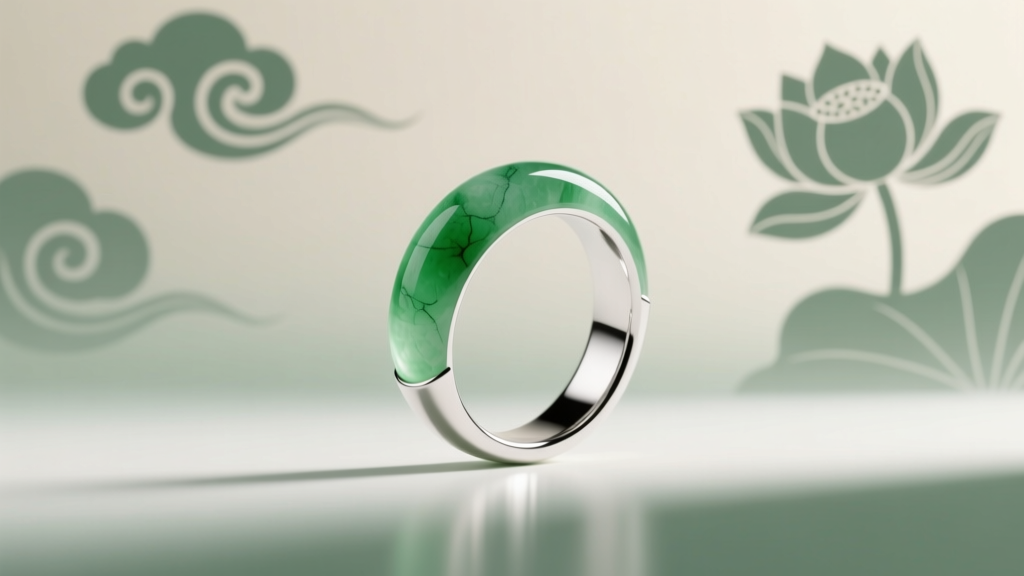
Jade Engagement Rings Eastern Tradition and Meaning
Jade engagement rings sit at the crossroads of romance, heritage, and style. For many couples, choosing jade isn’t just about a beautiful green gemstone—it’s about wearing a symbol that has carried meaning for centuries across East and Southeast Asia. Where diamonds often speak the language of Western tradition, jade speaks of harmony, protection, prosperity, and a love meant to last.
Today’s engagement ring trends are widening beyond the classic diamond solitaire. Couples are looking for distinctive gemstones, culturally significant designs, and rings that feel personal. Jade fits that moment perfectly: it’s timeless, instantly recognizable, and surprisingly versatile when paired with modern metals and settings.
This guide breaks down what jade means, how to judge jade quality, which ring styles work best, and how to shop wisely for a jade engagement ring and matching wedding band set.
The Meaning of Jade in Eastern Tradition
Jade has been treasured for thousands of years, particularly in Chinese culture, where it’s associated with virtue, protection, longevity, and good fortune. Traditionally, jade is seen as more than a gemstone—many consider it a “stone of life,” worn close to the body as a personal talisman.
Common symbolic associations
- Harmony and balance: A fitting symbol for partnership and mutual respect in marriage.
- Prosperity and abundance: Often gifted to mark milestones and new beginnings.
- Protection: In many families, jade is worn to ward off negativity and support wellbeing.
- Integrity and character: A classic theme in Chinese literature and art—jade represents inner strength and grace.
For couples blending cultures or honoring family tradition, jade engagement rings can feel deeply intentional. They also make meaningful heirloom pieces when chosen and cared for properly.
Understanding Jade: Jadeite vs. Nephrite (And Why It Matters)
“Jade” can refer to two different gemstones: jadeite and nephrite. Both are real jade, both are durable enough for jewelry, and both can be beautiful—but they differ in rarity, color range, and price.
Jadeite
Jadeite is generally the more valuable variety, prized for vivid color and high translucency. The most sought-after is a saturated emerald-green jadeite often called “imperial jade.” Jadeite is commonly sourced from Myanmar (Burma), with additional sources in Guatemala and elsewhere.
Nephrite
Nephrite is typically more abundant and often appears in creamy whites, deep spinach greens, and smoky tones. It’s known for excellent toughness, historically used for carvings and tools. Nephrite can be an excellent choice for couples who want a meaningful jade ring at a more accessible budget.
Shopping tip: Ask the jeweler to specify whether the stone is jadeite or nephrite on the invoice or appraisal. “Jade” alone is not specific enough.
Jade Quality Factors: Color, Transparency, Texture, and Treatment
Unlike diamonds, jade is judged less by standardized grading and more by a combination of visual and structural factors. Here’s what matters most when selecting a jade engagement ring.
Color
Color is king for jade. Look for a hue that feels alive—rich greens, soft lavender, icy white, or even inky black jade can all be striking. In high-value jadeite, the ideal green is saturated and even, without muddy or brown undertones.
- Evenness: Consistent color across the stone is typically more valuable.
- “Mottled” or streaked jade: Can still be gorgeous and often more affordable; it’s a style choice.
Translucency (“Water”)
Fine jadeite often has a glowing, translucent quality—sometimes described as “icy.” Higher translucency usually increases price, especially when paired with strong color.
Texture and polish
Quality jade has a smooth, fine-grained texture and takes a crisp polish. When viewing in person, the surface should look lustrous rather than dull.
Cracks and inclusions
Jade is tough, but it can still have fractures. Avoid stones with visible cracks, especially near thin edges or corners (common weak points in rings).
Treatments: Type A, B, and C jade
This is one of the biggest value considerations.
- Type A jade: Natural jade with wax polishing only. This is the gold standard for fine jewelry and heirloom engagement rings.
- Type B jade: Chemically bleached and polymer-impregnated to improve clarity. It can look attractive but is less valuable and may age poorly.
- Type C jade: Dyed jade. Color may fade over time; value is much lower.
Buying tip: For an engagement ring meant for lifelong wear, prioritize Type A jade and request a reputable lab report when the stone value justifies it.
Best Cuts and Shapes for Jade Engagement Rings
Jade is commonly cut as a cabochon (a smooth domed top) rather than faceted like a diamond. Cabochons show off jade’s color and translucency while reducing risk of chipping.
Popular jade shapes
- Oval cabochon: Classic, flattering on the hand, and a top choice for engagement rings.
- Round cabochon: Timeless and symmetrical; pairs easily with wedding bands.
- Cushion cabochon: A vintage-friendly silhouette with soft corners.
- Donut/bi disc: Strong cultural symbolism; often set as a centerpiece or worn as a pendant, but can be adapted into ring design.
Faceted jade exists, but it’s less common and typically used when the material is very fine and the design calls for sparkle. For daily wear, a cabochon is usually the safest and most traditional option.
Settings and Metal Choices: Making Jade Practical for Everyday Wear
Because jade is tougher than many gems but not immune to impact, the right setting matters. The goal is to protect the stone and keep it secure without blocking its beauty.
Best settings for jade engagement rings
- Bezel setting: A metal rim surrounds the stone. This is one of the most protective choices and a top pick for active lifestyles.
- Half-bezel: Modern look with strong protection at key points.
- Halo setting: Diamonds or moissanite around a jade center add brilliance and make the center appear larger—popular in current engagement ring trends.
- Prong setting: Can work, but ensure prongs are substantial and the jade has a safe profile (avoid overly high settings).
Metal options and style direction
- Platinum: Dense and durable; excellent for secure bezels and long-term wear. A premium choice for heirloom-quality jade rings.
- 14K/18K yellow gold: Yellow gold brings warmth and enhances green jade beautifully—an elegant nod to timeless classics.
- White gold: Creates a crisp contrast that feels modern, especially with diamond accents.
- Rose gold: Romantic and trendy; pairs beautifully with lavender jade and softer green tones.
Design tip: If you want a wedding band to sit flush, ask for a low-profile setting or consider a contoured band made to match your jade engagement ring.
Matching Jade Engagement Rings with Wedding Bands
For a cohesive bridal set, focus on balance: jade has a smooth, glowing look, so the wedding band should complement rather than compete.
- Classic match: A plain metal band (gold or platinum) lets the jade remain the focal point.
- Trend-forward match: A thin pavé diamond band adds sparkle and contrast while keeping the overall look refined.
- Vintage-inspired match: Milgrain edges, engraving, and a small halo around the jade create an antique feel with modern craftsmanship.
Price Range and Value Tips
Jade engagement ring pricing varies widely because jade quality varies widely. A simple cabochon ring can be accessible, while fine jadeite can rival or exceed the cost of diamond engagement rings.
What affects jade ring cost the most
- Jade type: Jadeite generally costs more than nephrite.
- Treatment: Type A commands a premium; B and C are cheaper but lower value.
- Color + translucency: Saturated color and “icy” transparency raise price significantly.
- Size: Larger fine jadeite is rare; price can jump quickly with carat size (or dimensions).
- Craftsmanship: Handmade settings, intricate halos, and custom wedding band pairing add cost.
Realistic price expectations
- Entry-level: $200–$800 (often nephrite or treated jade, simple silver or gold settings)
- Mid-range: $900–$3,500 (better quality jade, 14K/18K gold, secure settings, possible accent stones)
- Fine jewelry: $4,000–$15,000+ (Type A jadeite with strong color/translucency, platinum or high-end gold, high craftsmanship)
Value tip: If budget is limited, prioritize a protective setting and a well-made band in solid gold or platinum, then choose the best color and texture you can afford. A smaller but finer jade often looks more luxurious than a larger, duller stone.
Practical Buying Tips (What to Ask Before You Commit)
- Confirm jade variety: Jadeite or nephrite?
- Ask about treatment: Is it Type A, B, or C? Get it in writing.
- Request documentation: For higher-priced jadeite, consider a lab report and an independent appraisal.
- Inspect for cracks: View under bright light; look closely near edges and at the base.
- Choose a secure setting: Bezel or halo/bezel hybrids are excellent for everyday engagement ring wear.
- Plan the wedding band early: Jade ring profiles can make stacking tricky; ask about flush-fit or custom contour bands.
Care and Maintenance: Keeping Jade Beautiful for Decades
Jade is tough, but it benefits from gentle care—especially in an engagement ring that’s worn daily.
How to clean a jade engagement ring
- Use lukewarm water, mild soap, and a soft brush.
- Rinse thoroughly and dry with a soft cloth.
- Avoid harsh chemicals and abrasive cleaners.
What to avoid
- Ultrasonic cleaners: Risky for stones with fractures and can loosen settings.
- Steam cleaning: Heat and pressure can be problematic, especially for treated jade.
- Chemicals: Chlorine, bleach, and some household cleaners can damage metal and potentially affect treated stones.
Wear tip: Take your ring off for workouts, gardening, heavy lifting, and cleaning—common moments when rings get knocked or scraped.
Common Mistakes to Avoid When Shopping for Jade Rings
- Assuming all “jade” is the same: Jadeite vs. nephrite and treatment types dramatically affect value.
- Buying dyed or treated jade without realizing it: Always ask directly about treatments and documentation.
- Choosing an unprotected setting: Tall prongs and exposed edges invite damage in daily wear.
- Overpaying for size over quality: Jade’s beauty is about color, glow, and texture—not just dimensions.
- Skipping wedding band compatibility: A gorgeous jade ring can become frustrating if it can’t stack comfortably with a wedding band.
FAQ: Jade Engagement Rings
Is jade durable enough for an engagement ring?
Yes—especially when set well. Jade is known for toughness, meaning it resists breaking better than many gems. Choose a bezel or protective setting and remove the ring during high-impact activities.
What’s the difference between jadeite and nephrite in an engagement ring?
Jadeite is typically rarer and can show higher translucency and vivid color, which raises price. Nephrite is often more affordable and still very wearable, with beautiful deep green and creamy white options.
How can I tell if jade is natural (Type A)?
You can’t confirm treatment reliably by eye alone. Ask for a reputable lab report for higher-value purchases, and make sure the seller states treatment type in writing.
Do jade engagement rings pair well with diamonds?
Very well. A diamond halo or pavé band adds sparkle that jade doesn’t naturally provide, creating a balanced look that feels both modern and timeless.
What metal looks best with jade?
Yellow gold is a classic choice for green jade, platinum and white gold feel crisp and modern, and rose gold looks especially beautiful with lavender jade and softer green tones. The “best” metal depends on your style and how you want the color to read on the hand.
Can I wear a jade ring every day?
Yes, with sensible care. Choose a secure setting, keep up with periodic prong/setting checks, clean gently, and remove it for activities that risk impact or chemical exposure.
Jade Engagement Rings: A Confident Next Step
If you’re drawn to jade engagement rings, lean into what makes them special: meaning, heritage, and a look that stands apart from the expected. Start by choosing the jade variety and quality level you’re comfortable with, then invest in a protective setting and a metal that suits your lifestyle. For many couples, a Type A jadeite cabochon in a bezel or halo setting—paired with a simple wedding band—hits the sweet spot of beauty, symbolism, and practicality.
When you’re ready, explore more jewelry guides on weddingsift.com to compare gemstone engagement rings, wedding band styles, metal types, and timeless settings that fit your story.
More Articles
 Wedding Ring Size Measurement: 7 Accurate Methods
 Wedding Ring Guide: What It Is & How to Choose
 Is Zirconium Good for Wedding Rings? (2026)
 Jewelry Sustainability Evolution: Real Change Tracked
 How to Start a Jewelry-Making Budget: A Practical, Step-by-Step Guide for Beginners
 Cobalt Wedding Bands: Truth, Safety & Sizing (2026)
 Custom Contour Wedding Bands Online (2026)
 Tungsten Wedding Bands: Can They Be Resized? (2026)
 Wedding Band Wearing Rules & Exceptions (2026)
 Men's Wedding Ring Weight: Platinum, Gold & Titanium (2026)