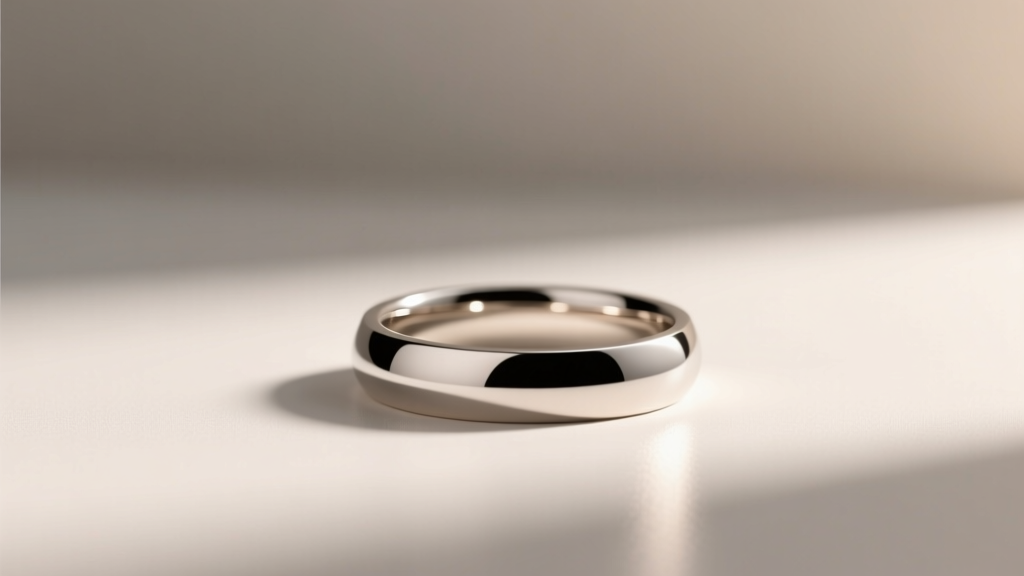
How to Choose a Wedding Band With a Domed Profile
A wedding band seems simple until you start trying them on. Flat edges, rounded edges, different heights, different widths—suddenly “just a band” becomes a real design choice that affects comfort, durability, and how your ring looks next to an engagement ring. One of the most popular and enduring shapes is the domed wedding band, also called a court profile or half-round band.
A domed profile is exactly what it sounds like: the ring’s outer surface curves gently upward, creating a soft, rounded silhouette. This classic shape has been worn for generations, yet it’s also showing up in current trends—especially in thicker “bold band” looks, mixed metal stacks, and comfort-fit designs.
If you’re shopping for wedding rings as a couple, choosing a domed band is a smart place to start because it’s versatile, flattering on the hand, and practical for everyday wear. The key is selecting the right dome height, width, metal, and finish so it looks right on your finger and works with your lifestyle.
What Is a Domed (Court) Profile Wedding Band?
A domed wedding band has a rounded exterior that rises from the edges toward the center. The interior can be flat, slightly rounded, or fully rounded depending on whether the ring is standard fit or comfort fit.
Domed vs. Flat vs. Knife-Edge Profiles
- Domed (half-round/court): Rounded top, traditional look, often feels smooth and less “edgy” against neighboring fingers.
- Flat profile: Flat top surface with squared edges; modern and architectural, but edges can feel sharper in wider bands.
- Knife-edge: A ridge down the center; creates a dramatic look and can make the band appear slimmer from the top.
Domed bands are considered a timeless classic because they balance comfort and style. They also reflect light softly across the curve, which can make even a simple metal band look more dimensional.
How Dome Height and Band Width Change the Look
Two domed bands can look completely different based on width (measured in millimeters) and the height of the dome (how pronounced the curve is). These details affect not only appearance, but also durability and how the ring pairs with an engagement ring.
Choosing Band Width: 2mm to 8mm+
- 2mm–3mm: Delicate, minimal, easy to stack with engagement rings and anniversary bands. Popular for refined, low-profile sets.
- 4mm–5mm: A balanced “classic” width; noticeable without feeling bulky. Common for both women’s and men’s wedding bands.
- 6mm–8mm+: Bold statement. This is a current trend for thicker bands, especially in yellow gold and mixed finishes. Great for a standalone look.
Low Dome vs. High Dome
- Low dome: Subtle curve, a little more modern. Often a great match for contemporary engagement rings.
- High dome: Stronger rounded profile, very traditional, can look slightly “puffier” and feel smoother at the edges.
If you want a domed band to look sleek next to a solitaire engagement ring, a low to medium dome is usually the easiest match. If you love vintage-inspired styling, a higher dome can feel beautifully classic.
Metal Choices for Domed Wedding Bands (And How They Wear)
The metal you choose determines color, maintenance, scratch visibility, and long-term durability. A domed profile is forgiving in many metals because the curved surface tends to “hide” small wear marks better than a flat, mirror-like plane.
14K Gold vs. 18K Gold
- 14K gold: More durable for daily wear because it contains more alloy metals. A favorite for active lifestyles and for those who want less maintenance.
- 18K gold: Richer color (especially in yellow gold) and a slightly heavier feel, but it can show wear sooner than 14K.
Trend watch: Warm yellow gold wedding bands are strongly back in style, both as a match for vintage diamond cuts and as a contrast to white metal engagement rings.
Platinum
Platinum wedding bands are naturally white, dense, and excellent for everyday wear. Platinum tends to develop a soft patina over time rather than losing metal quickly. If you like a “lived-in” satin look, platinum is a great choice. If you prefer a high shine, it will need occasional polishing.
White Gold (Rhodium Plated)
White gold is typically rhodium plated to achieve a bright white finish. Over time, the plating can wear down, especially on the palm side of the band, so expect periodic replating if you want it to stay crisp and icy-white.
Alternative Metals: Tungsten, Titanium, and Cobalt
Alternative metals can offer lower prices and high scratch resistance (especially tungsten), but they come with trade-offs:
- Tungsten: Very scratch resistant but can’t be resized easily and can chip if struck hard.
- Titanium: Lightweight and comfortable; resizing is limited.
- Cobalt: Bright white look and good durability; resizing may still be more limited than gold or platinum.
If you’re investing in a domed band you’ll wear for decades, gold or platinum usually offers the best long-term value because resizing and refinishing are straightforward.
Finishes, Detailing, and Craftsmanship
A domed band can be minimal or highly detailed. The finish you choose affects how scratches show and whether the ring reads modern or traditional.
Popular Finishes
- High polish: Bright, reflective, timeless. It will show fine scratches, though domed surfaces disguise them better than flat ones.
- Matte/satin: Modern and understated; great for those who don’t want a “flashy” look.
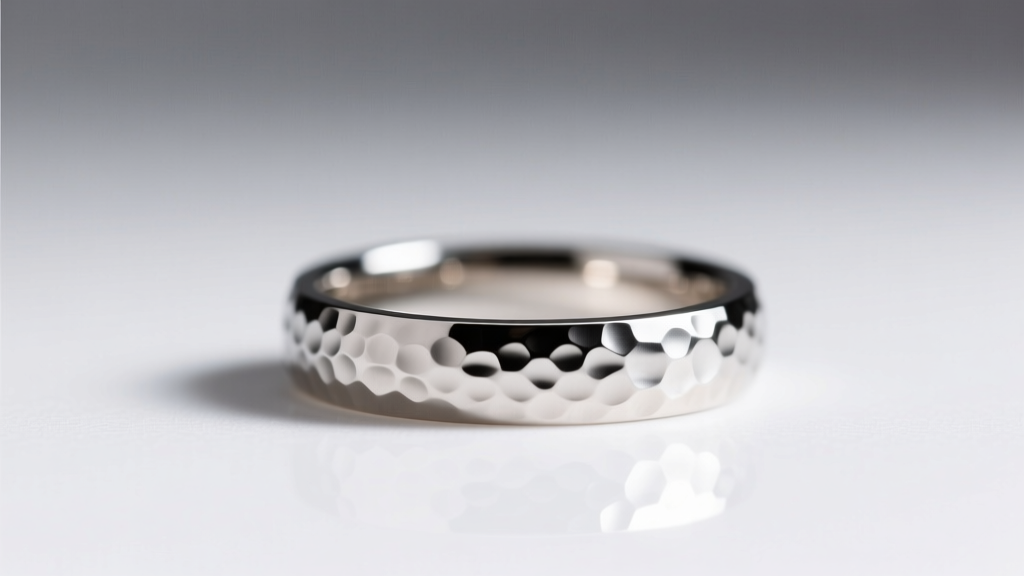
- Hammered: A current favorite trend—adds texture and hides wear while keeping a handcrafted feel.
- Brushed: Linear texture, often popular in men’s wedding bands and mixed-finish designs.
Edge Treatments and Comfort Fit
Domed bands often pair with softened edges (sometimes called “rounded edges”), which prevents the ring from feeling sharp. A comfort-fit interior has a slightly rounded inside that can feel easier to slide over the knuckle—especially in wider widths like 6mm–8mm.
Adding Gemstones: Diamonds and Beyond
Yes, a domed band can include gemstones, but the setting style matters. For everyday wear, look for secure craftsmanship:
- Pavé diamonds: Small round brilliant diamonds set closely together. Choose well-executed micro-pavé with even beadwork and a sturdier band base so stones stay protected.
- Channel setting: Diamonds (often round or princess cut) set between two metal walls. This is one of the most durable options for a wedding band with diamonds.
- Flush (gypsy) set: Stones sit level with the surface. This works beautifully on domed bands and is very wearable.
If you’re considering colored gemstones, sapphires are a practical favorite (excellent hardness), while softer gems like opal or pearl are generally not recommended for daily-wear wedding rings.
Matching a Domed Wedding Band to an Engagement Ring
Couples often focus on metal matching first, but the bigger challenge is how the band sits next to the engagement ring.
Check for a Flush Fit (Or Choose a Gap Intentionally)
Many engagement rings—especially those with large center stones, low-set baskets, or elaborate side stones—don’t allow a straight band to sit flush. Options include:
- Try a slightly thinner domed band (2mm–3mm) to reduce interference.
- Choose a contoured or notched band that curves around the engagement ring while keeping a domed top.
- Embrace a small gap as a modern stacking look, especially popular with mixed metal sets.
Mixing Metals: A Modern Classic
Mixing a yellow gold domed band with a platinum engagement ring is a current trend that also feels timeless. If you mix metals, keep at least one design element consistent—like similar widths, matching finishes, or a shared detail such as milgrain or a brushed texture.
Practical Buying Tips (Sizing, Lifestyle, and Try-On Strategy)
- Try multiple widths: The same ring size feels different at 3mm vs. 7mm. Wider domed bands may require going up a quarter or half size for comfort.
- Think about your hands: If you have prominent knuckles, comfort-fit domed bands can be easier to take on and off.
- Match your daily routine: If you work with your hands, consider 14K gold or platinum in a satin or hammered finish to reduce visible wear.
- Ask about resizing: Confirm whether the chosen metal and design (especially eternity bands or alternative metals) can be resized.
- Check the profile height: A higher dome can feel more noticeable. If you prefer a low-profile ring, choose a low dome or slightly flatter court style.
Care and Maintenance for Domed Wedding Bands
Domed bands are relatively low maintenance, but routine care keeps them looking their best.
- Cleaning at home: Warm water, mild dish soap, and a soft toothbrush work well for plain metal and diamond-set bands. Rinse thoroughly and dry with a lint-free cloth.
- Avoid harsh chemicals: Chlorine and strong cleaners can damage alloys and dull finishes. Remove your ring for swimming and cleaning.
- Polishing and refinishing: High polish will need occasional professional polishing. Satin/brushed finishes can be refreshed during routine service.
- Stone checks: If your domed band includes diamonds (pavé, channel, or flush set), have prongs or channels inspected about once a year.
Price Range and Value Tips
Domed wedding band pricing depends on metal type, width, thickness (weight), and any gemstones or special finishes.
- Plain 14K gold domed band: Often starts in the few-hundred-dollar range for narrower widths; wider, heavier bands rise quickly due to gold weight.
- 18K gold: Typically priced higher than 14K for similar designs because of higher gold content.
- Platinum: Usually higher upfront cost, especially in wider comfort-fit styles, but can be excellent long-term value for durability and serviceability.
- Diamond-set domed band: Price varies widely based on total carat weight, diamond quality (cut, color, clarity), and setting craftsmanship. Channel and flush settings can cost more to manufacture but often wear very well.
Value tip: If you want a luxe look without jumping to a much higher budget, consider a matte or hammered finish in 14K gold with a medium width (4mm–5mm). You’ll get presence on the hand and excellent wearability without paying for extra gemstones.
Common Mistakes to Avoid
- Choosing width based only on photos: A 6mm band can look sleek online but feel very different on your hand. Always try on multiple widths.
- Ignoring how it sits with the engagement ring: If a flush fit matters to you, test the pair together or choose a contoured domed band.
- Picking a high polish finish for a rough lifestyle: You can still do it, but expect visible wear. Satin, brushed, or hammered finishes are more forgiving.
- Overlooking comfort fit: Especially for wider domed bands, comfort fit can be the difference between “fine” and “never want to take it off.”
- Buying non-resizable metals without being sure about size: Tungsten and titanium can be great, but only if you’re confident in sizing and future needs.
FAQ: Domed Wedding Bands
Are domed wedding bands more comfortable than flat bands?
Many people find domed bands more comfortable because the rounded exterior and softened edges feel smooth against adjacent fingers. Comfort-fit interiors can further improve how a wider band feels.
What’s the best metal for a domed wedding band for everyday wear?
14K gold and platinum are top choices for daily wear. 14K offers excellent durability and value, while platinum is dense and long-lasting with easy professional maintenance.
Do domed wedding bands scratch easily?
All metals scratch over time. A domed profile tends to disguise fine scratches better than a flat, mirror-like surface. Satin, brushed, and hammered finishes are also great for hiding wear.
Can a domed wedding band sit flush with my engagement ring?
Sometimes. It depends on your engagement ring’s setting height and basket shape. If your engagement ring sits low, you may need a contoured domed band or accept a small gap as part of a modern stack.
Is a domed band a timeless style or a trend?
It’s both. The domed/court profile is one of the most timeless wedding ring silhouettes, and it’s currently trending again in wider “bold” bands, mixed metals, and textured finishes like hammered gold.
What diamond setting is most secure for a domed wedding band?
Channel and flush (gypsy) settings are among the most secure for everyday wear because the stones are protected by surrounding metal. Well-made pavé can also be durable, but it relies heavily on precise craftsmanship and regular inspections.
Your Next Step: Find the Right Dome for Your Everyday
If you want a wedding band that feels comfortable, looks flattering from every angle, and stays relevant year after year, a domed wedding band is one of the safest—and most beautiful—choices you can make. Start by choosing your width and dome height, then narrow it down by metal (14K/18K gold, platinum, or a modern alternative) and finish (polished for classic shine, satin or hammered for low-maintenance style). If you’re pairing it with an engagement ring, test the fit together early so you can decide between flush, contoured, or stacked-with-a-gap.
For more expert help comparing wedding bands, engagement ring settings, metals, diamond details, and couples’ ring styles, explore the jewelry guides on weddingsift.com.
More Articles
 Pandora Wedding Rings (2026) & Better Alternatives
 Cushion Cut Diamonds Vintage Appeal and Brilliance
 Wedding Bands with Diamonds: Durability & Lasting Settings
 How to Choose an Engagement Ring With a Halo Setting
 Pearl and Diamond Engagement Rings Classic Combination
 Bridal Jewelry: Rent vs Buy 2026
 Wedding Ring & Band Stacking: 5-Step Guide (2026)
 Does Priscilla Presley Still Have Elvis’s Wedding Ring?
 How to Choose a Wedding Band With a Hammered Finish
 10 Karat Gold Wedding Band Value (2026)