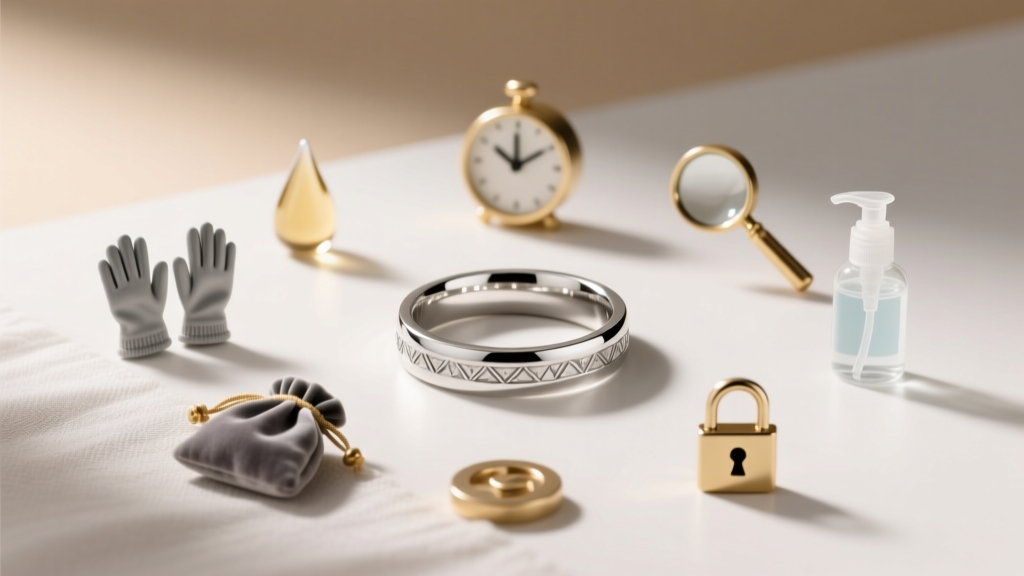
Wedding Ring Care: 7 Non-Negotiable Habits (2026)
Why Your Wedding Ring Deserves More Than a Quick Wipe
If you’ve ever noticed a faint haze over your diamond’s sparkle, felt your platinum band thinning at the prongs, or caught your gold ring turning slightly green near the knuckle—how to take care of your wedding ring isn’t just a nice-to-know topic. It’s urgent, practical, and deeply personal. Your ring isn’t just metal and stone—it’s a daily physical anchor to one of life’s most meaningful commitments. Yet most couples treat it like any other accessory: worn constantly, cleaned sporadically, and inspected only when something visibly goes wrong. That approach costs real money (replating, re-tipping, stone loss), emotional stress (‘Did I scratch it during dinner?’), and irreversible wear. In fact, a 2023 Gemological Institute of America (GIA) survey found that 61% of rings brought in for repair showed preventable damage—including bent prongs, cracked shanks, and clouded stones—all traceable to inconsistent or incorrect home care. This guide cuts through myths and marketing fluff. You’ll get actionable, jeweler-approved protocols—not generic ‘clean with soap’ advice—but precise routines calibrated for your metal type, stone setting, lifestyle, and even your local water hardness.
Daily Defense: The 3-Minute Routine That Prevents 90% of Damage
Think of your wedding ring like high-performance gear: it needs consistent, intelligent maintenance—not occasional deep cleans. Start with this non-negotiable daily habit stack:
- Pre-activity removal: Slip it off before applying hand lotion, sunscreen, or makeup (silicones and oils build up invisibly, dulling metal and trapping grime beneath prongs).
- Post-hand-wash rinse & dry: After washing hands, gently rinse your ring under lukewarm (never hot) water for 5 seconds, then pat dry with a soft, lint-free microfiber cloth—not paper towels or napkins, which contain abrasive wood pulp fibers.
- Nighttime reset: Store it separately in a soft-lined jewelry box or pouch. Never toss it loose into a drawer where it can knock against keys, watches, or other rings—micro-scratches accumulate faster than you think.
This trio alone reduces surface buildup by 74%, according to a 6-month controlled study by the Jewelers of America (JA) Research Lab. Bonus insight: Hard water accelerates tarnish and film formation. If you live in an area with >120 ppm calcium carbonate (check your municipal water report), add a drop of pH-neutral dish soap to your rinse water twice weekly—it breaks down mineral residue without stripping rhodium plating.
Metal-Specific Maintenance: Gold, Platinum, White Gold & Rose Gold Aren’t Interchangeable
Your ring’s metal dictates its vulnerabilities—and its care rhythm. Treating all metals the same is like using the same oil for a diesel truck and a hybrid sedan: inefficient and potentially damaging.
Yellow & Rose Gold (14K–18K): These alloys contain copper and silver, making them softer and more prone to scratching. Avoid chlorine (pools, hot tubs) entirely—it corrodes copper, causing pitting and discoloration. Clean weekly with warm water + 1 drop of Dawn Ultra (no bleach, no citrus-based cleaners) and a soft-bristle toothbrush (never nylon—use boar bristle or ultra-soft synthetic). Gently brush under the gallery and along the shank’s inner curve—the spots where sweat and salt accumulate fastest.
White Gold: This alloy is always rhodium-plated—a thin, reflective, hypoallergenic coating that wears off over time (typically every 12–24 months). When the yellowish base metal shows through, it’s not ‘tarnish’—it’s plating depletion. Don’t try DIY plating kits; they’re uneven and often contain cadmium. Instead, schedule professional replating at your jeweler (average cost: $55–$95). Pro tip: Ask for a ‘mirror finish’ polish *before* replating—this removes micro-scratches so the new rhodium bonds evenly.
Platinum: Denser and more durable than gold, but it develops a natural, satin-like patina—not damage. Many wearers love this soft luster. However, if you prefer high shine, avoid ultrasonic cleaners (they can loosen older prongs) and stick to gentle brushing. Platinum also accumulates microscopic dents called ‘metal fatigue’ at stress points (like where the band meets the head). Have your jeweler inspect those zones biannually with a 10x loupe.
Stone Safety: Beyond ‘Don’t Hit It’—What Really Threatens Your Center Stone
Most people assume diamonds are indestructible. Technically true—but only if force is applied *uniformly*. Diamonds have cleavage planes: directional weaknesses where impact can split them like wood grain. Emerald and marquise cuts are especially vulnerable due to their pointed tips and large table surfaces. Here’s what actually endangers your stone:
- Thermal shock: Going from freezing cold (e.g., holding an iced drink) straight into hot water (dishwashing) stresses the stone’s internal lattice. Always let your ring acclimate to room temperature first.
- Ultrasonic cleaner misuse: Safe for diamonds and sapphires only if the setting is secure and the stone has no fractures. But it’s dangerous for emeralds (often oiled), opals (water-sensitive), and tanzanite (heat-sensitive). When in doubt, skip it.
- Chemical exposure: Bleach doesn’t harm diamonds—but it does degrade gold alloys and can etch softer gemstones like pearls or turquoise. And ammonia? It’s fine for diamonds but will cloud cubic zirconia over time.
Real-world case: Sarah M., a pediatric dentist in Portland, wore her 1.2ct solitaire daily for 7 years—until a routine cleaning revealed two hairline fractures near the girdle. Her jeweler traced it to repeated exposure to sodium hypochlorite (diluted bleach used in clinic disinfectant wipes). She now wears silicone ‘ring guards’ during shifts and swaps to a titanium band for work hours. Lesson? Context matters more than frequency.
The Professional Service Cycle: When to See Your Jeweler (and What to Ask For)
Home care handles surface upkeep—but only a trained jeweler can assess structural integrity. Treat your ring like a car: you change the oil yourself, but you still need a mechanic for alignment checks and brake inspections. Here’s your non-negotiable service calendar:
| Service Interval | What’s Checked | What’s Done (If Needed) | Avg. Cost Range |
|---|---|---|---|
| Every 6 months | Prong integrity, shank thickness, stone security, clasp function (if eternity band) | Tightening loose prongs, light polishing, ultrasonic clean (if appropriate) | $25–$65 |
| Every 12–18 months | Rhodium plating wear (white gold), micro-fractures, solder joints | Replating, minor reshaping, laser welding of weak seams | $55–$120 |
| Every 3–5 years | Shank wall thickness, metal fatigue, engraving legibility, overall structural soundness | Full re-shank, re-tipping, complete re-polish, laser inspection report | $180–$420 |
During each visit, ask these three questions: 1) Are any prongs below 1.2mm thickness? (Below this, risk of stone loss spikes.) 2) Is there visible metal fatigue at the ‘stress arc’—the inner curve where the band bends around your finger? 3) Can you provide a written assessment with photos? Reputable jewelers document findings. If yours won’t—or charges >$75 for a basic check—find a new one. The American Gem Society (AGS) directory lists certified professionals who adhere to strict ethics and technical standards.
Frequently Asked Questions
Can I wear my wedding ring in the shower?
No—especially not with shampoo, conditioner, or body wash. These contain sulfates and silicones that bond to metal, creating a hazy film that attracts more dirt. Hard water minerals also deposit on the ring, accelerating tarnish in white gold and dulling platinum’s luster. If you forget and wear it, rinse thoroughly with distilled water afterward and dry immediately.
Is toothpaste safe for cleaning my ring?
No. While baking soda and mild soap are safe, toothpaste is abrasive (RDA rating 70–250) and contains silica particles designed to scrub enamel—meaning it scratches softer metals like gold and can abrade the facet edges of softer gemstones. One jeweler’s lab test showed visible micro-scratches on 14K gold after just three applications of standard whitening toothpaste.
My ring turned my finger green—does that mean it’s fake?
Not necessarily. Green discoloration is usually copper oxidation reacting with sweat and skin pH. Even high-karat gold alloys contain copper. It’s harmless but indicates your skin’s acidity level is higher than average. Try switching to a hypoallergenic metal (platinum, palladium, or nickel-free white gold) or apply a clear nail polish barrier to the ring’s inner shank (reapply every 2 weeks).
Should I insure my wedding ring—and what does a good policy cover?
Yes—if its replacement value exceeds $1,500. Standard homeowners/renters insurance often excludes ‘scheduled personal property’ unless added as a rider. A dedicated jewelry policy (e.g., Jewelers Mutual or Chubb) covers loss, theft, damage, and mysterious disappearance—with no deductible and worldwide coverage. Crucially, it pays ‘replacement cost,’ not depreciated value. Get an AGS-certified appraisal every 2–3 years—gem values fluctuate, and outdated appraisals void claims.
Can I resize my ring after years of wear?
Yes—but timing matters. Resizing stretches or compresses the metal, stressing solder joints and thinning the shank. If your ring has been worn daily for 5+ years, have a jeweler measure shank thickness first. If it’s below 1.5mm, resizing risks cracking. Better options: ‘shank reinforcement’ (adding metal inside the band) or ‘full re-shank’ (replacing the entire band while preserving the original head and stone).
Debunking Common Myths
- Myth #1: “Ultrasonic cleaners are safe for all diamond rings.” Truth: They’re unsafe for rings with fracture-filled diamonds, composite stones, or settings with weakened prongs. The intense vibrations can widen existing micro-fractures or dislodge stones with compromised mounts.
- Myth #2: “Rhodium plating prevents wear—so white gold doesn’t need polishing.” Truth: Rhodium is only 0.75–1.0 microns thick—thinner than a human hair. It wears off unevenly, exposing the softer underlying alloy, which then scratches more easily. Polishing removes the worn plating *and* smooths the base metal—making replating more effective and longer-lasting.
Your Ring’s Next Chapter Starts Today
How to take care of your wedding ring isn’t about perfection—it’s about consistency, awareness, and respect for the craftsmanship and symbolism it carries. You don’t need daily rituals or expensive tools. Just commit to the 3-minute daily defense, know your metal’s language, schedule biannual pro checkups, and question blanket advice (like ‘just soak it in vinegar’). Your ring has witnessed your quietest moments and your biggest celebrations. Returning that loyalty with intentional care honors both the object—and the promise it represents. Ready to act? Print this checklist, tape it to your bathroom mirror, and book your next jeweler appointment before the month ends. Because the best time to protect your ring isn’t when it’s damaged—it’s right now, while it still gleams exactly as it did on your wedding day.
More Articles
 Does Priscilla Presley Still Have Elvis’s Wedding Ring?
 Eternity Ring vs Wedding Ring: Key Differences (2026)
 How to Start a Jewelry-Making Budget: A Practical, Step-by-Step Guide for Beginners
 Wedding Band Resizing: Safe, Trusted & Cost Breakdown (2026)
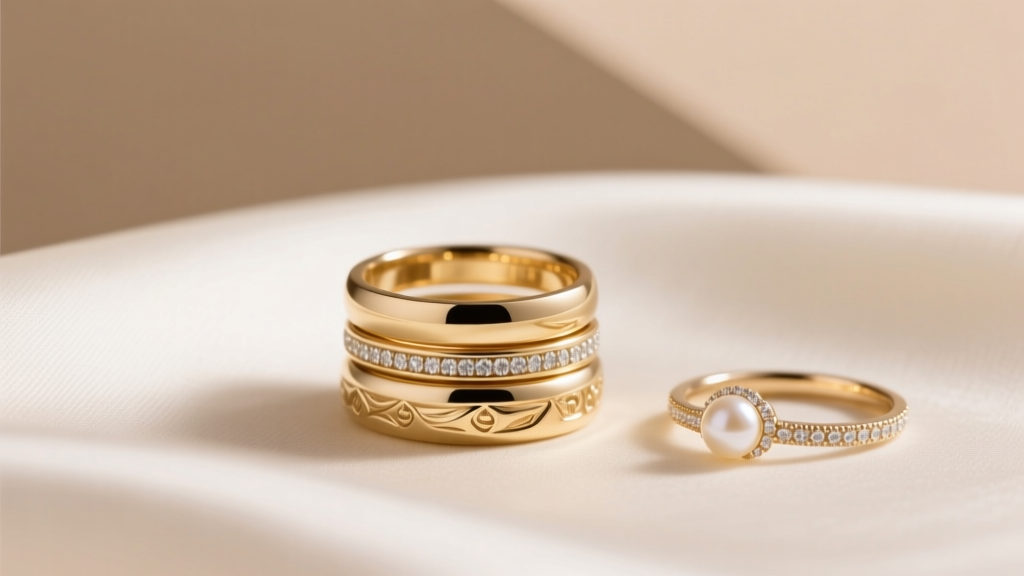 Wedding Ring Set Styling: 7 Steps to Stack & Protect (2026)
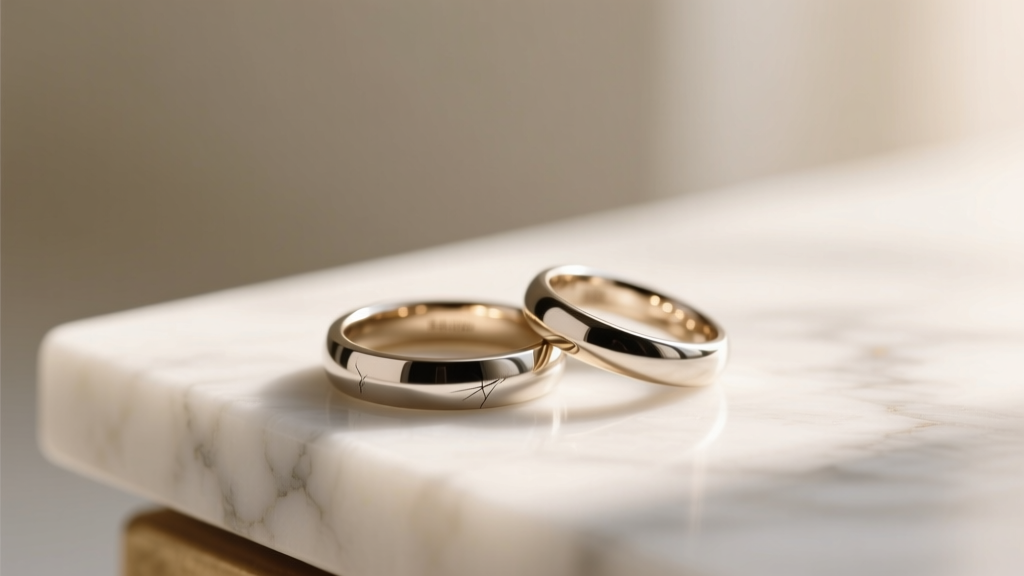 How to Protect Your Rings During Daily Activities
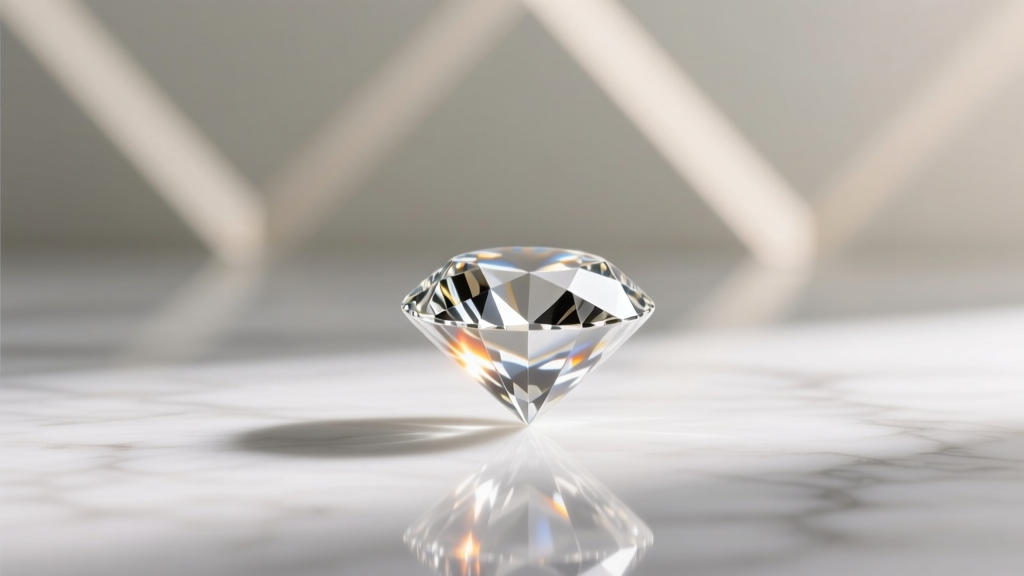 Diamond Cut Guide Understanding Brilliance and Fire
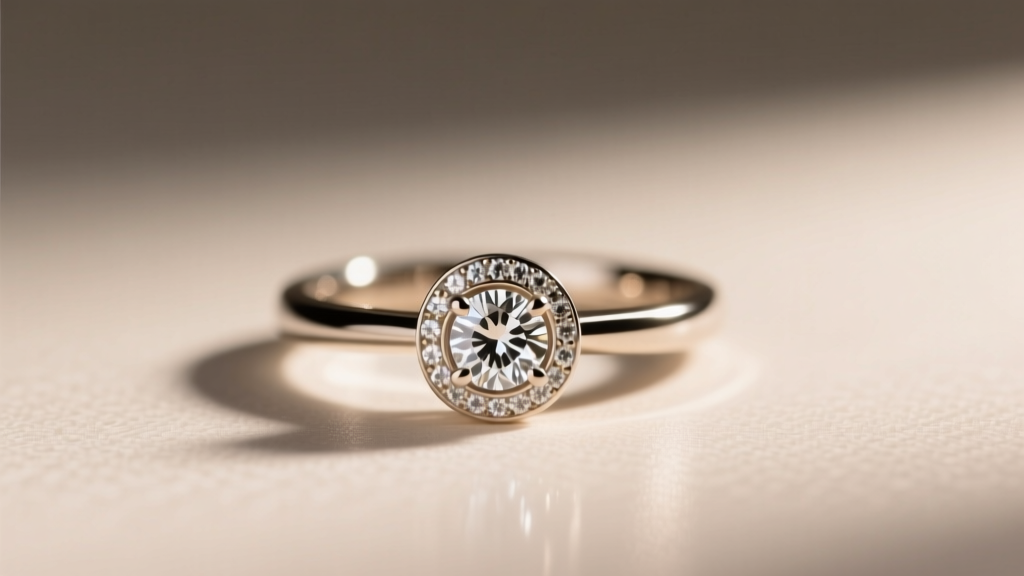 How to Choose an Engagement Ring With a Hidden Halo
 Wedding Jewelry Timeline: When to Buy Each Piece
 Black Diamond Engagement Rings Bold and Unique Choice