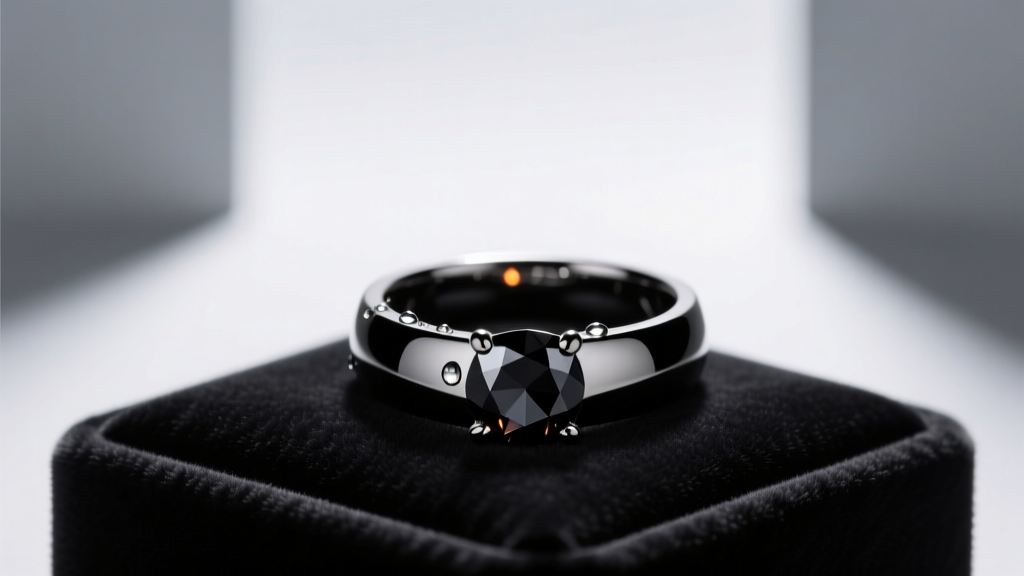
Black Diamond Engagement Rings Bold and Unique Choice
Black diamond engagement rings have moved from niche to mainstream, and it’s easy to see why. They offer high contrast, a modern edge, and a sense of individuality that traditional white diamonds don’t always deliver. For couples who want their engagement ring to feel personal—less “expected” and more “this is us”—a black diamond can be a striking symbol.
Beyond the look, black diamonds are practical. They’re durable enough for everyday wear, visually forgiving with minor dust or smudges, and they pair beautifully with a wide range of metals and wedding band styles. Whether you’re drawn to a sleek solitaire, a vintage-inspired halo, or a mixed-stone design with white diamond accents, black diamond rings can be as timeless or trend-forward as you want.
This guide breaks down black diamond quality, ring styles, metal choices, pricing, and care—so you can shop confidently and choose a ring that looks incredible today and still feels right decades from now.
What Makes Black Diamonds Different?
Black diamonds are natural diamonds with many inclusions (often graphite or other mineral inclusions) that absorb light rather than reflect it back as sparkle. The result is a deep, opaque look—more of a glossy “sheen” than the rainbow fire you see in a colorless diamond.
Natural Black Diamonds vs. Treated Black Diamonds
- Natural black diamonds: Rare in nature and typically more expensive. Their color comes from naturally occurring inclusions.
- Treated black diamonds: Common in jewelry. Many started as heavily included diamonds that were treated (often heat or irradiation) to achieve an even black color. These can be a great value and are widely used in engagement rings.
When shopping, ask whether the stone is natural-color or color-treated and request documentation. Both can be durable and beautiful—what matters is transparency, fair pricing, and a well-made setting.
Black Diamond Engagement Ring Styles (From Classic to On-Trend)
Black diamond engagement rings work across many aesthetics. The best style depends on your lifestyle, how you dress, and what kind of wedding band you plan to wear.
1) Solitaire: Clean, Modern, and Timeless
A black diamond solitaire is a confident statement with minimal fuss. The focus stays on the center stone—especially in a round, cushion, or emerald cut. For a modern look, choose a low-profile basket or bezel setting. For a more traditional silhouette, a classic prong setting keeps the design airy and easy to pair with bands.
2) Halo: Extra Drama and Brighter Contrast
A halo engagement ring frames the black diamond with white diamonds, increasing perceived size and adding sparkle around the edges. This style is popular for couples who love the black diamond center but still want light-catching brilliance in photos and everyday wear.
3) Three-Stone: Symbolic and Balanced
Three-stone rings are a timeless classic. A black diamond center with white diamond side stones creates an elegant contrast. You can also flip it—white center stone with black diamond sides—for a subtler nod to the trend.
4) Vintage-Inspired: Milgrain, Filigree, and Art Deco Lines
Black diamonds look especially rich in vintage settings. Think milgrain edges, engraved shanks, and geometric halos. Art Deco-inspired designs—step cuts, clean symmetry, and strong metalwork—pair beautifully with a black center stone.
5) Alternative Cuts and Trend Shapes
Current engagement ring trends include elongated shapes and distinctive silhouettes. Black diamonds shine (in their own way) in:
- Oval: Elongating and flattering on the finger
- Pear: Romantic with a modern twist
- Emerald cut: Sleek, architectural, and sophisticated
- Princess or cushion: Bold presence with strong edges (princess) or softer corners (cushion)
Choosing the Right Metal: How Color and Durability Play Together
The metal you choose changes the entire vibe of a black diamond engagement ring. It also affects maintenance, long-term wear, and how secure the setting feels.
Platinum: Premium, Strong, and Naturally White
Platinum is a top choice for engagement rings because it’s dense, durable, and naturally white. It develops a soft patina over time (rather than wearing away quickly). Platinum prongs can be especially reassuring if you’re choosing a prong setting with an active lifestyle.
White Gold: Bright and Popular, With Routine Upkeep
14K or 18K white gold offers a crisp look at a lower price than platinum. Most white gold is rhodium-plated for extra brightness, and that plating may need refreshing every 1–3 years depending on wear.
Yellow Gold: Warm Contrast That Feels Vintage or Luxe
Yellow gold creates a dramatic, classic contrast against a black diamond. If you love timeless jewelry with a bit of old-world charm, yellow gold is hard to beat—especially with halos or engraved detailing.
Rose Gold: Romantic and Modern
Rose gold is trending and also a modern classic. Its warm blush tone softens the intensity of black, creating an inviting look. It can be especially flattering on many skin tones and works well with both minimalist and ornate designs.
14K vs. 18K: What to Know
- 14K gold: More durable for daily wear due to higher alloy content; often the best choice for active hands.
- 18K gold: Richer color and higher gold content; slightly softer, but still very wearable with a solid setting.
Black Diamond Quality Factors: What to Look For
Traditional diamond grading focuses on cut, color, clarity, and carat. For black diamonds, the priorities shift a bit—because the beauty is about shape, polish, and an even, rich black appearance.
Color: Evenness Matters Most
Look for an even black tone across the face of the stone. Some black diamonds show grayish areas or uneven patches. Those variations can be attractive in a “salt-and-pepper” direction, but if you want a true black look, aim for consistent color.
Cut: Shape and Finish Over Sparkle
Black diamonds don’t reflect light the same way colorless diamonds do, so cut quality shows up differently. Prioritize:
- Strong symmetry (especially in emerald, oval, and pear shapes)
- Good polish for a smooth, glossy surface
- Crisp outlines (avoid visibly lopsided shapes)
Carat Size: Visual Impact vs. Budget
Because black diamonds are often priced differently than white diamonds, many couples can size up for the same budget. Keep in mind that halo settings and elongated shapes (oval, pear) can make a stone appear larger without a huge jump in carat weight.
Certification and Disclosure
If you’re investing in a larger stone, ask for a reputable lab report when available. For treated black diamonds, disclosure is key—treatments are common, but you want them clearly stated so pricing stays fair and future care is appropriate.
Settings That Work Best for Black Diamonds
Prong Settings: Classic and Versatile
Four or six prongs are traditional and allow easy cleaning. Use sturdy prongs and a well-built head; black diamonds can hide dirt, but you still want secure craftsmanship.
Bezel Settings: Sleek and Protective
A bezel wraps metal around the stone’s edge, offering excellent protection and a modern look. This is a favorite for active lifestyles or anyone who prefers a smooth profile that won’t snag.
Pavé and Micro-Pavé: Sparkle Meets Contrast
Pavé bands with white diamonds add shimmer, while black diamond accents create a monochrome, fashion-forward style. Make sure pavé work is done cleanly—tiny stones need precise setting for long-term durability.
Hidden Halo and Under-Gallery Details
One of today’s most popular engagement ring trends is the hidden halo—small diamonds tucked beneath the center stone. It adds sparkle from the side view while keeping the top view sleek and bold.
Price Range and Value Tips
Black diamond engagement ring pricing varies widely based on whether the stone is natural or treated, the carat size, the setting complexity, and the metal choice.
- Entry-level (around $500–$1,500): Smaller treated black diamond solitaires in 10K/14K gold, simple settings, or minimalist designs.
- Mid-range (around $1,500–$4,000): Larger center stones, halos with white diamond accents, higher craftsmanship, and 14K/18K gold or some platinum options.
- Higher-end ($4,000 and up): Natural black diamonds, substantial carat weights, platinum settings, designer-level details, and extensive accent diamonds.
How to Get the Best Value
- Prioritize craftsmanship: A sturdy setting and clean stone-setting work outlast “bigger stone” shortcuts.
- Consider treated stones for budget: They can look gorgeous and cost far less than natural-color black diamonds.
- Choose 14K gold for daily wear: It’s often the sweet spot for durability and price.
- Use contrast strategically: A modest black center with a white diamond halo can look larger and more brilliant in photos.
Care and Maintenance: Keeping a Black Diamond Ring Looking Sharp
Black diamonds are diamonds, so they rank high on hardness. Still, the setting and finish need routine care—especially with pavé details or intricate gallery work.
- Clean gently at home: Warm water, mild dish soap, and a soft toothbrush. Rinse thoroughly and dry with a lint-free cloth.
- Avoid harsh chemicals: Chlorine, bleach, and abrasive cleaners can damage metal finishes and loosen stones over time.
- Remove for rough tasks: Weightlifting, gardening, and heavy work can stress prongs and scratch metals.
- Get regular inspections: Have a jeweler check prongs and pavé stones every 6–12 months, especially if you wear your ring daily.
- Store smart: Keep it in a fabric-lined box or separate pouch to avoid scratching other jewelry.
Common Mistakes to Avoid When Shopping
- Assuming all black diamonds are the same: Evenness of color, polish quality, and treatment disclosure make a big difference.
- Ignoring the setting build: A bold stone deserves a secure head and well-finished prongs—especially for daily wear.
- Choosing style over practicality: Very high-set rings snag more; micro-pavé requires more maintenance. Match the ring to your lifestyle.
- Skipping band pairing: Some engagement ring settings need a curved or notched wedding band to sit flush. Check this early to avoid surprises.
- Not thinking about long-term maintenance: White gold may need rhodium replating; pavé may need occasional tightening; platinum develops patina.
FAQ: Black Diamond Engagement Rings
Are black diamond engagement rings real diamonds?
Yes—most are genuine diamonds. The black color typically comes from heavy natural inclusions or from treatments applied to included diamonds. Ask for disclosure and any available certification.
Do black diamonds sparkle like white diamonds?
They reflect light differently. Black diamonds tend to show a glossy, metallic luster and surface reflections rather than bright internal sparkle and fire. Many couples love the understated, bold look.
What wedding band pairs best with a black diamond engagement ring?
Classic pairings include a plain metal band (for a clean, modern look), a white diamond eternity or half-eternity band (for contrast), or a matching black diamond band (for a sleek monochrome set). If your engagement ring sits low or has a large halo, consider a contour band for a flush fit.
Is a bezel or prong setting better for a black diamond?
Bezel settings offer more protection and a smooth, modern profile—great for active lifestyles. Prong settings feel more traditional and can look lighter on the finger, with easier access for cleaning. Both work beautifully when well-made.
Are black diamonds durable enough for everyday wear?
Yes. As diamonds, they’re very hard and suitable for daily wear. The key is maintaining the setting—prongs, pavé, and ring structure matter as much as the stone.
Will a treated black diamond fade over time?
Quality treatments are generally stable under normal wear. Still, you should avoid extreme heat and harsh chemicals, and keep documentation of any treatments for future repairs or resizing.
Choosing Your Black Diamond Ring with Confidence
A black diamond engagement ring is one of the few choices that feels both trend-aware and genuinely timeless. It can be minimalist and modern in a bezel solitaire, glamorous in a halo, or classically romantic in a vintage-inspired setting. Focus on even color, strong craftsmanship, a metal that fits your lifestyle, and a setting height you’ll enjoy wearing every day.
If you’re ready to narrow down your options, start by picking your preferred ring style (solitaire, halo, or three-stone), then choose the metal color that best complements the black diamond’s contrast. From there, compare similar designs by build quality and comfort—not just carat size.
For more expert tips on engagement rings, wedding bands, and gemstone buying, explore additional jewelry guides on weddingsift.com.
More Articles
 Amber Engagement Rings Warm Organic Fossilized Beauty
 Is It Bad Luck to Keep Your Wedding Ring After Divorce?
 Wedding Band Matching: 7 Rules Jewelers Swear By (2026)
 Pear-Shaped Diamonds Teardrop Elegance
 Claddagh Ring Pronunciation Guide (2026)
 How to Choose a Wedding Band That Complements Her Ring
 Are Wedding Bands Solid Gold? Truth & Buying Tips
 How to Choose an Engagement Ring With a Cathedral Setting
 Favors Common Mistakes
 Amethyst Engagement Rings February Birthstone Beauty