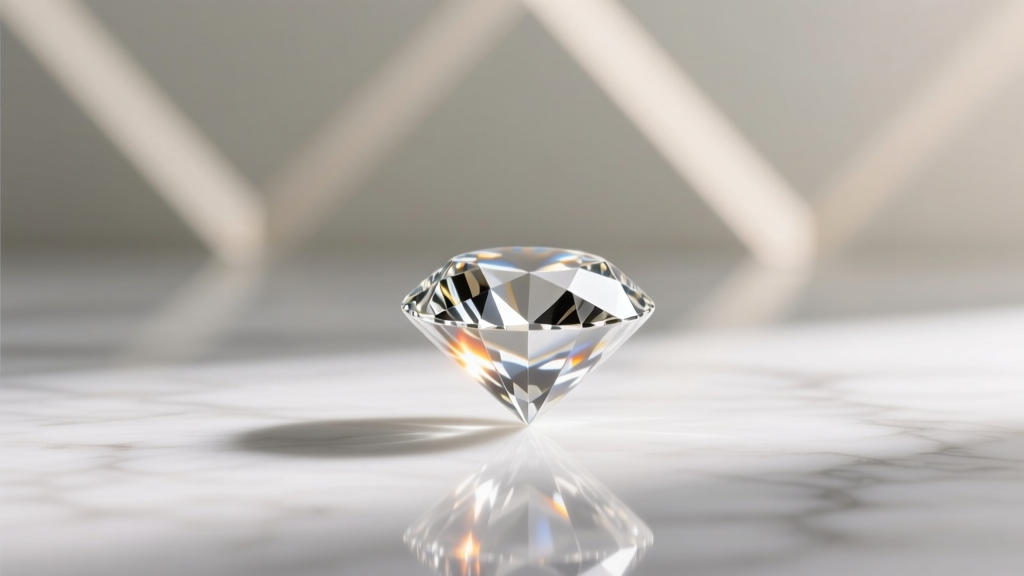
Diamond Cut Guide Understanding Brilliance and Fire
When couples shop for engagement rings and wedding bands, the conversation often starts with carat size or budget. Yet the detail that most strongly determines how “sparkly” a diamond looks is its cut. Cut is the craftsmanship of how a diamond is shaped and faceted—and it’s the reason one diamond can look lively and bright while another, with the same carat and color, appears dull.
Cut can feel confusing because it’s not just the shape (like round or oval). It’s also the quality of the proportions, symmetry, and polish. Those factors control how light travels through the stone, creating the two effects everyone wants: brilliance (white light return) and fire (rainbow flashes). This guide breaks down diamond cut in clear terms so you can choose a ring that looks stunning in real life, not only under jewelry store lighting.
Whether you’re choosing a classic round brilliant solitaire, a trendy oval engagement ring with a hidden halo, or coordinating wedding bands in yellow gold or platinum, understanding cut helps you spend smarter and avoid the most common diamond-shopping regrets.
What Diamond “Cut” Really Means (and What It Doesn’t)
Cut vs. Shape: Two Different Things
Shape refers to the outline: round, princess, oval, cushion, emerald, pear, marquise, radiant, asscher, heart. Cut refers to how well the facets are arranged and finished to reflect light. A round diamond can be cut “Excellent” or “Poor.” The same is true for other shapes, though grading works a bit differently (more on that below).
Brilliance, Fire, and Scintillation: The Sparkle Trio
- Brilliance: Bright white light reflecting back to your eye. This is the “glow” and overall brightness.
- Fire: Rainbow flashes caused by dispersion—light splitting into colors as it exits the diamond.
- Scintillation: The sparkle pattern—the twinkling on/off flashes when the diamond or your hand moves.
A well-cut diamond balances all three. Too shallow or too deep and light leaks out the sides or bottom, lowering brightness and making the center look watery or dark.
How Cut Quality Is Graded (GIA, AGS) and Why It Matters
Round Brilliant Cut Grades
For round brilliant diamonds, labs like GIA provide a clear cut grade: Excellent, Very Good, Good, Fair, Poor. This grade evaluates the diamond’s proportions, symmetry, and polish. Because round brilliants have the most standardized facet design (typically 57 or 58 facets), cut grading is more consistent and easier to compare.
Fancy Shapes: No Single “Cut Grade,” So Use Proportions
For fancy shapes (oval, emerald, cushion, pear, etc.), a report may list polish and symmetry but not a single cut grade. This means you’ll lean more on:
- Table % and depth % ranges that suit the shape
- Length-to-width ratio (your style preference)
- Visual performance (light return, bow-tie presence, sparkle pattern)
For online shopping, prioritize vendors that provide 360° videos and clear photos in neutral lighting so you can judge the actual brightness and pattern.
The Anatomy of Cut: Proportions That Create Sparkle
Table, Depth, and Angles
The table is the large top facet. The depth is the height of the diamond from table to culet. The most important performance drivers are crown angle (top) and pavilion angle (bottom). These angles control whether light reflects internally and returns to the eye—or leaks out.
As a practical starting point for round brilliants, many shoppers have success focusing on:
- GIA cut grade: Excellent (often the best balance for sparkle and value)
- Table: around 54–58% (broader ranges can still perform well)
- Depth: around 60–62.5% (again, ranges vary)
- Polish/Symmetry: Very Good or Excellent
These ranges aren’t strict rules, but they’re a reliable filter for engagement ring diamonds.
Symmetry and Polish: The Finishing Touch
Symmetry describes how precisely facets align and meet. Polish describes the surface finish quality. High symmetry supports crisp scintillation patterns (clean, sharp flashes). High polish helps maximize light performance and reduces hazy-looking reflections.
Popular Diamond Cuts and How They Perform
Round Brilliant: The Timeless Benchmark
The round brilliant cut is the classic choice for engagement rings because it’s engineered for maximum brilliance and consistent performance. It also tends to hide inclusions well, making it easier to choose slightly lower clarity grades (like VS2 or SI1, depending on the stone) while still looking clean to the eye.
Oval and Pear: Trend-Forward, Elongating, and Bright
Oval engagement rings are a leading trend because they look larger face-up than many rounds of the same carat weight and flatter the finger. Pear shapes offer a romantic silhouette and pair beautifully with curved wedding bands. Both can show a bow-tie effect (a darker shadow across the center). A mild bow-tie is normal; a strong one can make the diamond look less lively.
Emerald and Asscher: Hall-of-Mirrors Elegance
Emerald cut and asscher cut diamonds are step cuts—less “sparkle explosion,” more sleek flashes and depth. They highlight clarity more than brilliant cuts, so consider higher clarity (often VS2 or better, depending on your sensitivity and the stone). These cuts shine in platinum and white gold settings for a clean, architectural look, though yellow gold bezels are also trending.
Cushion and Radiant: Vintage Meets Modern
Cushion cut diamonds can feel vintage (especially in halo settings) or modern depending on facet style. Radiant cuts combine a brilliant facet pattern with a rectangular outline—great for high fire and a bold presence. These are popular choices for couples who want something classic-adjacent with extra personality.
Settings and Metals That Enhance Diamond Sparkle
Prong, Bezel, Halo, and Hidden Halo
- Prong settings (4 or 6 prongs) let in maximum light and are the classic engagement ring choice. Six prongs can add security and a more rounded outline.
- Bezel settings wrap metal around the diamond’s edge—sleek, protective, and ideal for active lifestyles. Modern bezels (especially in yellow gold) are a strong trend.
- Halo settings add sparkle and make the center stone look larger. They pair well with round, cushion, and oval shapes.
- Hidden halos offer sparkle from the side view without a full halo face—popular for modern, refined engagement rings.
Metal Choices: Platinum, White Gold, Yellow Gold, Rose Gold
- Platinum: Naturally white, durable, and dense. Great for securing prongs—excellent for daily wear engagement rings.
- 14K/18K white gold: Bright and versatile; often rhodium-plated for a crisp white look (may need replating over time).
- Yellow gold: Timeless and on-trend, especially with vintage-inspired settings and modern bezels.
- Rose gold: Romantic, flattering on many skin tones, and popular in delicate, minimalist ring styles.
Metal choice won’t change a diamond’s internal light behavior, but it does change contrast and overall look. White metals emphasize icy brightness; yellow and rose gold add warmth and vintage character.
Buying Tips: How to Choose a Diamond Cut You’ll Love
- Prioritize cut for sparkle. If your goal is maximum brilliance and fire, cut often delivers more visible beauty than a small jump in color or clarity.
- Use real-life viewing. Ask to see the diamond in neutral lighting (not only spotlighting). If shopping online, look for 360° video and performance images when available.
- Match the cut to lifestyle. If you’re hard on jewelry, consider sturdier settings (bezel, low-profile prongs) and metals (platinum, 14K gold).
- Consider finger coverage. Ovals, marquise, and pears can look larger per carat due to elongated shapes—helpful for value-focused shoppers.
- Coordinate with wedding bands early. If you want a flush-fitting wedding band, select the engagement ring setting (and height) accordingly. Many halos and low-set rings need a contoured band.
Care and Maintenance: Keeping Brilliance and Fire Alive
Even the best cut diamond looks less sparkly when coated with lotion, soap film, or everyday oils. For engagement rings worn daily, simple care makes a big difference:
- At-home cleaning: Warm water + mild dish soap + a soft toothbrush. Rinse well and dry with a lint-free cloth.
- Avoid harsh chemicals: Chlorine and abrasive cleaners can damage metals and finishes.
- Regular inspections: Have prongs checked every 6–12 months (especially for pave or prong-heavy settings).
- Safe storage: Store rings separately to prevent scratching—diamonds can scratch other jewelry and even other diamonds.
Price Range and Value Tips: Where Cut Fits into Your Budget
Cut quality affects price because top-performing diamonds are rarer and require more precise craftsmanship. Here’s how to get strong value when shopping for engagement ring diamonds:
- Choose “Excellent” (or top-tier) cut for round brilliants for the best chance at standout sparkle. “Very Good” can be a value sweet spot in some cases, but confirm performance visually.
- Balance color and clarity. A well-cut diamond can face up whiter and brighter. Many shoppers find near-colorless grades (like G–I) and eye-clean clarity (VS2–SI1, sometimes SI2) offer strong value depending on the shape and setting.
- Watch carat “thresholds.” Prices jump at popular marks (1.00ct, 1.50ct, 2.00ct). Slightly under (0.90–0.99ct, 1.40–1.49ct) can look nearly identical and cost less.
- Consider settings that boost presence. Halos, tapered shoulders, and thin pavé bands can amplify sparkle and finger coverage without a big increase in center stone cost.
Common Mistakes Couples Make When Shopping Diamond Cuts
- Assuming “shape” equals “cut quality.” Two round diamonds can look wildly different if one is cut too deep or shallow.
- Buying by carat weight alone. A heavier diamond can be poorly proportioned and look smaller face-up than a well-cut stone of the same weight.
- Overpaying for high color while ignoring cut. A D color with mediocre cut often looks less beautiful than a slightly warmer diamond with exceptional cut.
- Ignoring bow-tie in oval/pear/marquise. Always evaluate these shapes in video and multiple lighting conditions.
- Choosing a delicate setting without a maintenance plan. Ultra-thin bands and micro-pavé are gorgeous, but they need careful wear and regular checkups.
FAQ: Diamond Cut, Brilliance, and Fire
What diamond cut looks the sparkliest?
Round brilliant diamonds typically deliver the most consistent brilliance and scintillation because their facet pattern is optimized for light return. A well-cut radiant or cushion can also look extremely lively, with bold fire.
Is “Ideal cut” the same as “Excellent cut”?
Not exactly. “Excellent” is a GIA cut grade for round brilliants. “Ideal” is often used by certain grading systems or retailers and can vary in definition. Focus on the lab report details (cut grade, symmetry, polish) and visual performance.
Do step cuts like emerald cut have less sparkle?
They have a different kind of sparkle. Emerald and asscher cuts show larger, slower flashes—more of a “hall-of-mirrors” look than the glittery sparkle of a round. They’re timeless, elegant choices, especially for couples who prefer clean lines.
How do I avoid a strong bow-tie in an oval diamond?
Compare several ovals in video and look for a center that stays bright as the diamond moves. Bow-tie can’t be eliminated completely in many elongated shapes, but excellent cutting and smart proportions can minimize it.
Does a halo make a diamond look more brilliant?
A halo increases overall sparkle around the center and can make the ring look bigger, but it doesn’t change the center diamond’s cut performance. Pair a halo with a well-cut center stone for the best effect.
Which metal is best for an engagement ring that’s worn every day?
Platinum and 14K gold are popular for daily wear. Platinum is especially secure for prongs, while 14K gold balances durability and price. The best choice depends on lifestyle, skin sensitivity, and the look you love.
Next Steps: Choose Cut for the Ring You’ll Love for Life
If you want a diamond engagement ring that looks bright, fiery, and beautiful in everyday lighting, prioritize cut quality and craftsmanship. Start by choosing a shape that fits your style—timeless round brilliant, trend-forward oval, or sleek emerald cut—then evaluate proportions, symmetry, and setting design to protect and showcase the stone.
For more help comparing diamond shapes, ring settings, metals like platinum and gold, and how to pair engagement rings with wedding bands, explore more jewelry guides on weddingsift.com.
More Articles
 Colored Gemstone Engagement Rings Buying Guide
 How Much Is My Wedding Ring Worth? (2026)
 Meteorite Wedding Bands Out-of-This-World Material
 Necklace Tips for Strapless Wedding Dresses
 Wedding Band Metals: Gold vs Platinum 2026
 Wedding Band Etiquette Rules (2026)
 Wedding Ring Sizing: 5 Safe, Permanent Methods (2026)
 Alternative Engagement Stones Beyond Diamonds
 What Carat Size Should Your Engagement Ring Be
 Amethyst Engagement Rings February Birthstone Beauty