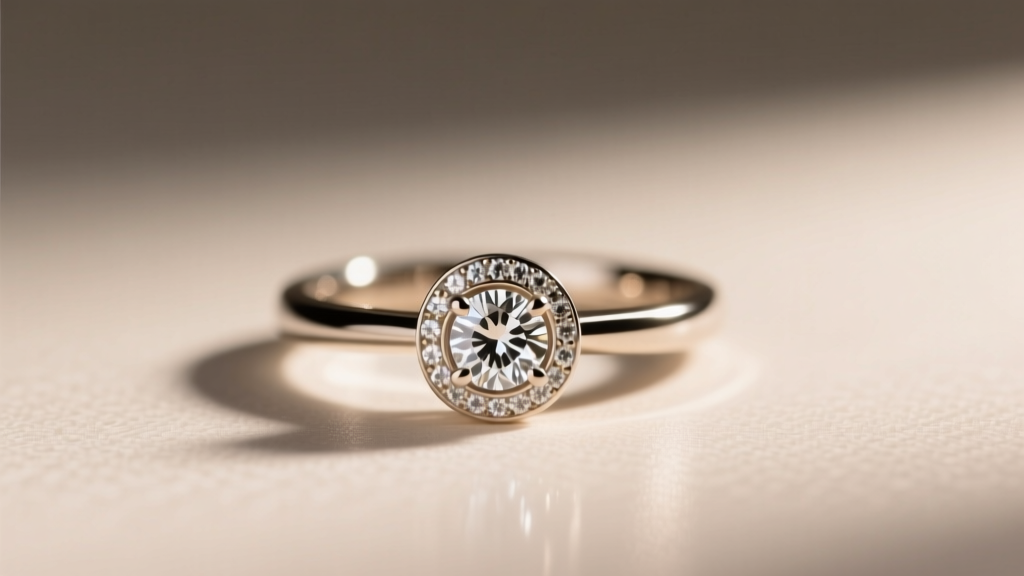
How to Choose an Engagement Ring With a Hidden Halo
A hidden halo engagement ring is one of those designs that feels like a secret only you and your partner truly notice—until the light hits it. From the top view, the ring reads as classic: a sparkling center stone, clean lines, and a balanced silhouette. From the side, you get that extra shimmer: a discreet circle of accent diamonds tucked beneath the center stone, adding brilliance without changing the ring’s overall profile.
This style has become a modern favorite for couples who want a timeless engagement ring with a little extra detail. It can make a center stone look brighter, elevate the craftsmanship, and create a “custom” feel even in ready-to-ship designs. The key is choosing the right hidden halo setting for your center stone, lifestyle, and budget—because not all hidden halos are built the same.
Below is a jeweler-style guide to help you compare settings, metals, gemstones, and quality factors so you can confidently choose a hidden halo engagement ring (and plan ahead for a wedding band that fits beautifully).
What a Hidden Halo Is (and What It Isn’t)
A hidden halo is a row (or two rows) of small diamonds or gemstones set around the base of the center stone, typically on a “gallery rail” beneath the crown. It’s designed to be subtle from a top-down view, unlike a traditional halo that surrounds the center stone face-up.
Hidden Halo vs. Classic Halo
- Hidden halo: sparkle is mostly visible from side angles; keeps a clean top view; often pairs well with solitaire aesthetics.
- Classic halo: a ring of diamonds around the center stone visible from above; increases the perceived size (“spread”) of the ring face.
Why Couples Love the Hidden Halo Look
- Extra brilliance without making the ring look “busy.”
- Architectural detail that feels premium and bespoke.
- Trend-forward yet still compatible with timeless solitaires and three-stone rings.
Choose the Right Hidden Halo Setting Style
Hidden halos come in several setting styles, and the differences matter for sparkle, durability, and wedding band pairing.
1) Hidden Halo Solitaire
This is the most popular version: a single center diamond (or gemstone) with a concealed halo beneath it, usually on a plain metal band. It’s a great option if you love a classic engagement ring but want an unexpected detail.
- Best for: round brilliant, oval, cushion, and radiant cuts.
- Style note: a plain shank keeps the focus on the center stone and the side profile.
2) Pavé Band + Hidden Halo
A pavé band adds more sparkle across the finger. Combine that with a hidden halo, and you get maximum twinkle from multiple angles. The tradeoff is maintenance: pavé rings can snag and may need periodic stone tightening.
- Best for: couples who want a high-sparkle engagement ring look.
- Ask your jeweler: whether stones are micro-pavé (very small) and how the setting is reinforced.
3) Cathedral Hidden Halo
Cathedral shoulders rise up to support the center stone, creating a graceful arch. A hidden halo in a cathedral setting often looks especially elegant from the side and can add structural support.
- Best for: larger center stones (1.5 ct+) or anyone wanting a secure, elevated setting.
- Wedding band note: cathedral designs sometimes require a contoured or notched band to sit flush.
4) Double Hidden Halo or “Peekaboo” Accents
Some designs feature two rows of diamonds under the center stone or add small “peekaboo” diamonds on the basket. These are eye-catching and very on-trend, but they add cost and can increase the height of the head (which affects snag risk).
Center Stone Choices: Diamond Shapes, Cuts, and Gemstones
The hidden halo is there to complement the center stone—not compete with it. Start by choosing a center stone shape and quality, then match the hidden halo proportions to it.
Popular Diamond Shapes for Hidden Halo Engagement Rings
- Oval: a favorite trend; hidden halos can enhance light return and add visual richness to the side view.
- Round brilliant: timeless classic; pairs beautifully with delicate hidden halos for a refined sparkle.
- Cushion: romantic and slightly vintage; a hidden halo adds dimension without requiring a full halo.
- Radiant: crisp, modern brilliance; often looks stunning with pavé + hidden halo combinations.
- Emerald or Asscher: step-cuts are elegant and clear; hidden halos can add sparkle, but keep the accent diamonds fine so they don’t clash with the clean lines.
Cut Quality: The Sparkle Multiplier
If you’re choosing a diamond center stone, prioritize cut quality. A hidden halo adds shimmer, but it won’t replace the brilliance of a well-cut stone.
- Round diamonds: look for Excellent cut (or ideal proportions if available).
- Fancy shapes (oval, radiant, cushion): review videos and light performance; check for bow-tie in ovals.
Accent Diamonds in the Hidden Halo
Hidden halo diamonds are typically melee stones (very small). Consistency matters.
- Color: aim for G–H color accents for most center stones; go higher (F–G) if your center diamond is D–F.
- Clarity: VS–SI is usually fine for melee; what matters is sparkle and uniformity.
- Setting style: pavé (tiny beads), shared prong, or bezel-set accents (sleek and secure).
Gemstone Center Stones: Sapphire, Moissanite, and More
Hidden halo settings also look incredible with non-diamond center stones.
- Sapphire: durable (9 on Mohs); classic in blue but available in pink, yellow, and green. A diamond hidden halo brightens the side profile and enhances contrast.
- Moissanite: very sparkly and budget-friendly; pairs well with a hidden halo for “all angles” brilliance.
- Morganite: soft blush tone; choose protective settings and consider rose gold for a romantic look, but be mindful of wear (morganite can show abrasion over time).
Metal Matters: Platinum vs. Gold (and What’s Trending)
Your choice of metal affects durability, maintenance, and the overall vibe of a hidden halo engagement ring.
Platinum
- Why couples choose it: naturally white, strong prong security, premium feel.
- Wear and care: develops a patina (soft sheen) over time; can be polished back to high shine.
- Best for: everyday wear and fine pavé work that needs long-term stability.
14K and 18K Gold
- 14K gold: durable for daily wear; great for thin bands and active lifestyles.
- 18K gold: richer color and more “luxury” feel; slightly softer than 14K.
- White gold: bright and popular; may need rhodium re-plating to maintain a crisp white finish.
- Yellow gold: timeless classic; trending strongly again, especially with oval and emerald cuts.
- Rose gold: romantic and modern; flattering on many skin tones; pairs beautifully with morganite and champagne diamonds.
Craftsmanship & Quality Checks for Hidden Halo Rings
Because hidden halos sit beneath the center stone, you want clean, precise construction. Small details make a big difference in comfort and longevity.
What to Inspect (or Ask For) Before Buying
- Prong work: prongs should be even, smooth, and securely seated; no sharp edges.
- Gallery height: a very high setting can snag; a low-to-medium profile is often more wearable.
- Band width and thickness: ultra-thin bands (under ~1.7 mm) can bend over time, especially with larger stones.
- Hidden halo alignment: accents should form a neat circle or shape that matches the center stone outline.
- Finish quality: check for polish consistency under the head—this area is easy to overlook but should still be cleanly finished.
Wedding Band Pairing: Make Sure It Sits the Way You Want
One of the most common surprises with hidden halo engagement rings is wedding band fit. The basket and cathedral shoulders can block a straight band from sitting flush.
Band Options That Pair Well
- Flush-fit design: choose an engagement ring made to allow a straight wedding band to sit snugly.
- Contoured or curved band: follows the shape of the setting for a seamless look.
- Notched band: a small cut-out allows the band to sit close without a visible gap.
- Spacer band: a thin metal band between rings can prevent rubbing and protect pavé.
Price Range & Value Tips for Hidden Halo Engagement Rings
Hidden halos add labor and accent diamonds, so they typically cost more than a plain solitaire setting. The good news: the visual payoff is strong, and you can control cost by making smart choices.
What Affects Price Most
- Center stone: biggest driver (carat, cut, color, clarity).
- Metal: platinum usually costs more than gold; 18K often costs more than 14K.
- Accent diamonds: quality and total carat weight add up, especially in double halos or pavé bands.
- Complexity: cathedral + pavé + hidden halo is more labor-intensive than a simple hidden halo solitaire.
Smart Ways to Maximize Value
- Prioritize cut, then carat: a well-cut 1.00 ct can outshine a poorly cut 1.20 ct.
- Consider near-colorless diamonds: G–I can look beautifully white in most settings, especially yellow or rose gold.
- Use platinum strategically: some couples choose a gold shank with a platinum head for prong strength (ask if available).
- Choose a single hidden halo: often the best balance of subtle sparkle and cost control.
Care & Maintenance: Keep the Hidden Halo Sparkling
A hidden halo sits where lotion, soap, and daily residue can collect. Regular cleaning keeps those small accent diamonds bright.
At-Home Cleaning
- Soak in warm water with mild dish soap for 15–20 minutes.
- Use a soft toothbrush to gently clean under the center stone and around the hidden halo.
- Rinse thoroughly and pat dry with a lint-free cloth.
Professional Maintenance
- Check prongs: every 6–12 months, especially with pavé and micro-pavé details.
- Re-polish and re-plate: white gold may need rhodium re-plating every 1–3 years depending on wear.
- Ultrasonic caution: avoid ultrasonics for fragile gemstones or heavily included stones; ask a jeweler first.
Common Mistakes to Avoid
- Buying too high a setting: a tall head can snag on clothing and hair. Ask for the ring’s profile height.
- Going ultra-thin on the band: delicate looks are trending, but durability matters for daily wear.
- Ignoring wedding band fit: always check if a straight band will sit flush—or plan for a contoured band.
- Overpaying for accent diamond specs: tiny melee doesn’t need the same specs as a center stone; focus on consistent sparkle and secure setting.
- Not matching metal color to your lifestyle: white gold needs upkeep; platinum shows patina; choose what you’ll enjoy long-term.
FAQ: Hidden Halo Engagement Rings
Does a hidden halo make the center stone look bigger?
It can make the ring look more brilliant and substantial from the side, but it doesn’t increase the face-up size the way a traditional halo does. If you want a bigger top view, consider a classic halo or a slightly larger center stone.
Are hidden halo rings secure for everyday wear?
They can be very secure when built well. Look for strong prong work, a supportive basket or cathedral structure, and a band width thick enough for daily life. If you’re very active with your hands, consider a lower profile and fewer pavé details.
What center stone shapes work best with a hidden halo?
Round, oval, cushion, and radiant cuts are especially popular because their brilliance pairs naturally with the added sparkle underneath. Step-cuts like emerald and Asscher can look stunning too—just keep the hidden halo refined so it doesn’t distract from the clean geometry.
Will my wedding band sit flush with a hidden halo engagement ring?
Sometimes yes, sometimes no. The hidden halo itself isn’t the issue—the basket and shoulders are. Ask whether the setting is “flush fit,” or plan on a curved/contoured wedding band for a seamless stack.
Is platinum better than gold for a hidden halo setting?
Platinum is excellent for long-term prong security, especially with pavé and delicate accents. 14K gold is also a strong choice and can be more budget-friendly. The “best” metal is the one that matches your wear habits and preferred color.
How do I keep the hidden halo clean?
Clean under the center stone regularly with gentle soap and a soft brush. That underside area collects residue faster than you’d expect, and a quick routine keeps the hidden halo diamonds bright.
Next Steps: Choosing the Hidden Halo Ring You’ll Love Long-Term
A hidden halo engagement ring is a smart choice for couples who want a classic look with an elevated, modern detail. Focus first on a beautifully cut center stone, then choose a setting that balances sparkle with wearable height, secure craftsmanship, and wedding band compatibility. If you’re torn between styles, a hidden halo solitaire is often the sweet spot—timeless from the top, quietly dazzling from every other angle.
For more help comparing engagement ring settings, metals, diamond shapes, and wedding band pairings, explore more jewelry guides on weddingsift.com.
More Articles
 How to Choose an Engagement Ring With a Vintage Engraving
 Men's Wedding Band Weight: Real-World Sizing Guide (2026)
 Chicago Wedding Ring Stores (2026) | Verified Jewelers
 Diamond Tension Settings Modern and Minimalist Style
 Wedding Ring Sizing: 5 Safe, Permanent Methods (2026)
 25th Wedding Anniversary Gifts for Husband (2026)
 Wedding & Engagement Ring Stacking: 7 Pro Rules (2026)
 14k Gold Wedding Ring Value: How to Calculate True Worth
 Wedding Set Order: How to Stack Rings Correctly (2026)
 Signet Wedding Bands Classic Style for Modern Couples