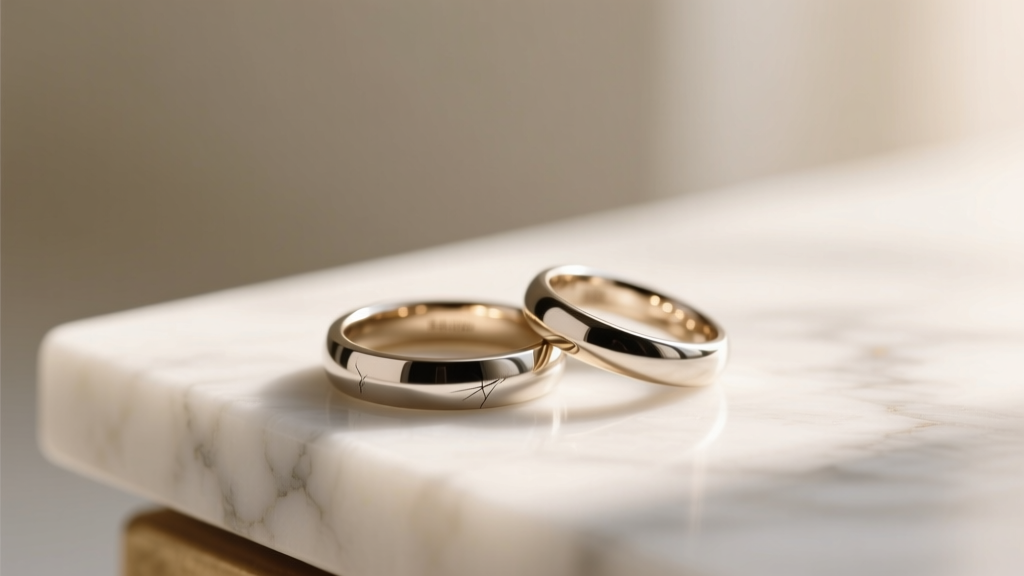
How to Protect Your Rings During Daily Activities
Your engagement ring and wedding band are meant to be worn, loved, and shown off—yet everyday life can be surprisingly tough on fine jewelry. From hand sanitizer and gym equipment to gardening soil and dish soap, the little routines you don’t think twice about can gradually dull a diamond, loosen a prong, or scratch a metal finish.
Protecting rings during daily activities isn’t about being overly cautious or hiding your jewelry away. It’s about understanding how different metals, gemstones, and settings behave in the real world so you can make smart choices: when to wear your rings, when to remove them, how to clean them safely, and what design details help your ring hold up beautifully for decades.
Whether you’re shopping for an engagement ring, wedding band, or coordinating a bridal set, this guide breaks down practical, jeweler-approved habits—plus buying tips that make “everyday wear” a realistic promise, not just a marketing line.
Why Rings Get Damaged During Normal Life
Rings sit on the most active part of your body. Hands knock into door frames, grip weights, twist jar lids, type on keyboards, and get exposed to chemicals and dirt. Damage typically falls into a few categories:
- Impact damage: A hard knock can chip certain gemstones, bend prongs, or deform a band.
- Abrasion and scratching: Metals and even diamonds can pick up scratches (diamonds are hard, but not scratch-proof in every scenario).
- Chemical exposure: Chlorine, bleach, and some cleaners can weaken metals or dull gemstone brilliance.
- Buildup: Lotions, soap, cooking oils, and makeup create a film that makes diamonds look “cloudy.”
- Loose stones: Daily vibration and repeated knocks can slowly loosen settings, especially prongs.
Know Your Materials: What Holds Up Best Day to Day
Metal Durability: Platinum vs Gold vs Alternative Metals
Platinum is a top choice for engagement rings because it’s dense and naturally white. It resists wear by displacing metal rather than wearing it away quickly, which makes it excellent for holding prongs over time. Expect a soft “patina” finish with wear—very on-trend for those who like a lived-in look, and it can be polished if you prefer high shine.
14K gold (yellow, white, or rose) is a sweet spot for durability and value. It contains more alloy than 18K gold, making it generally more scratch-resistant. Many jewelers recommend 14K for active lifestyles and daily wear wedding bands.
18K gold is richer in color and premium in feel, but it’s slightly softer. If you love 18K, choosing a protective setting and a slightly thicker band helps it wear well.
Titanium and tungsten are popular for men’s wedding bands and modern minimalist styles. Tungsten is very scratch-resistant but can crack under extreme impact. Titanium is lightweight and tough but may show scuffs. Keep in mind: many alternative metals are harder to resize, which matters long-term.
Gemstone Wearability: Diamonds, Moissanite, Sapphires, and More
Diamonds (Mohs hardness 10) are the classic for engagement rings—and still the most popular choice. They resist scratching extremely well, but they can chip if struck at the wrong angle (especially on thin edges like pointed corners).
Moissanite is a durable, brilliant diamond alternative with excellent hardness (around 9.25). It’s a strong everyday stone and a current trend for couples who want maximum sparkle and value.
Sapphires and rubies (both corundum, Mohs 9) are highly durable and timeless—especially blue sapphire engagement rings and sapphire accents around a diamond center.
Emeralds (Mohs 7.5–8) are stunning but more prone to chipping due to natural inclusions and their common step cuts. Emerald engagement rings can be worn daily with the right setting, but they do best with extra protection and more careful habits.
Opal, pearl, and turquoise are not ideal for everyday engagement rings. They’re softer, sensitive to chemicals, and can crack or scratch easily. If you love them, consider special-occasion rings or protective designs.
Settings and Styles That Protect Your Ring
Best Protective Settings
- Bezel setting: A metal rim fully or partially surrounds the stone. It’s one of the most secure options and a major trend for modern, sleek engagement rings.
- Half-bezel / bezel accents: Adds protection while keeping a lighter look.
- Halo setting: A diamond halo can act as a “bumper” around the center stone, helping reduce direct impacts.
- Low-profile prong setting: Less snagging on sweaters and hair, fewer hard hits against countertops.
Shapes That Need Extra Care
Diamond shape affects vulnerability. Rounded shapes are generally more forgiving; pointed corners need protection.
- Round brilliant: Classic, practical, and great for daily wear.
- Oval and cushion: Popular current trends—beautiful and fairly wearable.
- Princess, pear, marquise: Corners and points can chip; look for V-prongs or a bezel.
- Emerald cut: Elegant and timeless; the corners should be protected, and the stone should sit securely.
Band Details That Improve Longevity
A delicate band looks romantic, but ultra-thin shanks (around 1.5mm–1.7mm) can warp over time, especially with larger center stones. For daily wear engagement rings, many jewelers prefer a shank closer to 1.8mm–2.2mm depending on the design and stone size. Comfort-fit wedding bands are also excellent for everyday use and reduce pressure points.
Daily Activity Checklist: When to Remove Your Rings
If you remember just one habit, make it this: remove rings before activities that involve impact, chemicals, or swelling.
Take Rings Off For:
- Gym workouts: Weightlifting can deform bands and loosen prongs; gripping bars can also cause “ring rash.”
- Cleaning: Bleach and harsh cleaners can damage metals and dull stones. Even dish soap leaves residue over time.
- Gardening: Dirt is abrasive; prongs can snag on roots and tools.
- Swimming: Chlorine is rough on metals; cold water can shrink fingers and increase loss risk.
- Bathing and lotioning: Soap and lotions film over diamonds, reducing brilliance.
- Cooking with sticky dough or raw meat: Hygiene aside, buildup gets under settings quickly.
Smart Storage Habits
Most rings aren’t lost “out and about”—they’re lost at home after being set on a counter. Use a consistent system:
- Ring dish by the sink: A dedicated spot prevents accidental rinsing or knocking into the drain.
- Small travel case: Keep one in your purse or gym bag for safe storage.
- Separate compartments: Diamonds can scratch other jewelry; store rings in soft-lined sections.
Cleaning and Maintenance: Keep Diamonds Sparkly and Settings Secure
At-Home Cleaning (Safe for Most Diamond Rings)
For most diamond engagement rings and gold/platinum bands:
- Soak in warm water with a few drops of mild dish soap for 15–20 minutes.
- Use a soft toothbrush to gently clean under the setting and around prongs.
- Rinse well and pat dry with a lint-free cloth.
Avoid abrasive toothpaste, harsh chemicals, and random DIY “hacks.” Ultrasonic cleaners can be risky for certain gemstones and settings (especially if stones are already loose, or for emeralds and heavily included stones).
Professional Checkups
Plan on a professional inspection every 6–12 months. A jeweler will check prongs, tighten stones, examine the shank for thinning, and professionally clean the ring. This is especially important for pavé bands and micro-prong settings—two styles that look delicate and luxurious, but require routine attention.
Buying Tips: Choose Rings Designed for Real Life
- Prioritize setting security: If you’re active, consider a bezel or a low-set prong design with sturdy claw prongs.
- Match lifestyle to metal: 14K gold is a practical everyday favorite; platinum is premium and very secure for prongs.
- Consider a “travel band”: A simple gold wedding band or low-cost alternative for vacations and high-risk days.
- Think about stacking: Stacked wedding bands are a trend, but friction can wear metal. Ask about spacer bands or designed-to-stack sets.
- Get the right fit: Rings that spin take more knocks. Comfort-fit bands and proper sizing reduce wear and loss risk.
Price Range Considerations and Value Tips
Protecting your ring isn’t only about how much you spend—it’s about spending wisely on the details that prevent expensive repairs.
- Value upgrade #1: Better setting craftsmanship (secure prongs, clean solder seams, well-finished pavé) often matters more than going bigger on carat weight.
- Value upgrade #2: Metal choice that fits your routine. If you’re tough on jewelry, 14K gold or platinum is often a better long-term investment than softer options.
- Value upgrade #3: Insurance. Jewelry insurance typically costs a small percentage of the ring’s value annually and can cover loss, theft, or damage.
As a general guide, classic diamond engagement rings in 14K or 18K gold often land in the mid-range, while platinum settings and more intricate pavé or designer-style work can move you into a higher price bracket. Minimalist solitaires, bezel-set moissanite rings, and simple gold wedding bands can offer excellent durability at a more approachable cost.
Common Mistakes to Avoid When Shopping
- Choosing ultra-thin bands for a large center stone: It may look delicate in photos, but it can bend and loosen stones with daily wear.
- Ignoring prong style: Pointed shapes (pear, marquise, princess) need protective V-prongs or a bezel.
- Overlooking resizing limitations: Eternity bands and many tungsten rings can’t be resized easily.
- Buying solely for sparkle: High-set rings and fragile pavé can snag and require frequent repairs if your lifestyle is hands-on.
- Skipping maintenance: Waiting until a stone falls out is the most expensive way to learn about prong wear.
FAQ: Protecting Engagement Rings and Wedding Bands
Should I wear my engagement ring every day?
Most engagement rings are designed for daily wear, especially diamond rings in platinum or 14K/18K gold. The key is removing it for high-risk activities like workouts, cleaning with chemicals, swimming, and gardening.
What’s the most durable setting for an engagement ring?
A bezel setting is one of the most protective because it wraps the stone’s edge in metal. For a more classic look, choose a low-profile prong setting with sturdy prongs and regular inspections.
Why does my diamond look cloudy even though it’s “hard”?
Cloudiness is usually surface buildup from lotion, soap, hand sanitizer, or cooking oils—not damage to the diamond. A gentle soak and soft brushing under the setting typically restores sparkle.
Is platinum scratch-proof?
No. Platinum can scratch and develop patina. The upside is that platinum tends to move metal rather than lose it quickly, which helps keep prongs secure over time.
Can I use hand sanitizer while wearing my ring?
Occasional use is usually fine, but frequent sanitizer can leave residue that dulls brilliance and may dry skin under the ring. If you use sanitizer constantly, clean your ring more often and consider removing it before heavy application.
How often should I get my prongs checked?
Every 6–12 months is a solid routine, and sooner if you notice snagging, a rattling sound, or a stone that looks like it’s sitting higher than usual.
Protect Your Rings With a Simple Routine (and the Right Design)
The best way to protect your engagement ring and wedding band is a combination of smart design choices and consistent habits: choose durable metals like 14K gold or platinum, select a secure setting (especially for pointed shapes), remove rings for high-impact or chemical-heavy tasks, and schedule quick checkups before small issues turn into repairs.
If you’re still deciding on the right engagement ring style or wedding band for daily wear, explore more jewelry guides on weddingsift.com for practical comparisons, trend updates, and expert shopping tips tailored to couples.
More Articles
 Engagement and Wedding Ring Order: The Right Way
 Tanzanite Engagement Rings Rare Blue-Violet Gemstone
 Alternative Engagement Stones Beyond Diamonds
 How to Clean Gold Wedding Ring at Home Safely
 Lapis Lazuli Engagement Rings Ancient Blue Elegance
 Vintage-Inspired Engagement Rings: How to Choose (2026)
 Diamond Color Scale What Grade Should You Choose
 Gemology Grad Careers: Where They Land & Earn (2026)
 How to Choose an Engagement Ring With a Tension Setting
 Do Jews Wear Wedding Rings? The Truth Behind the Tradition