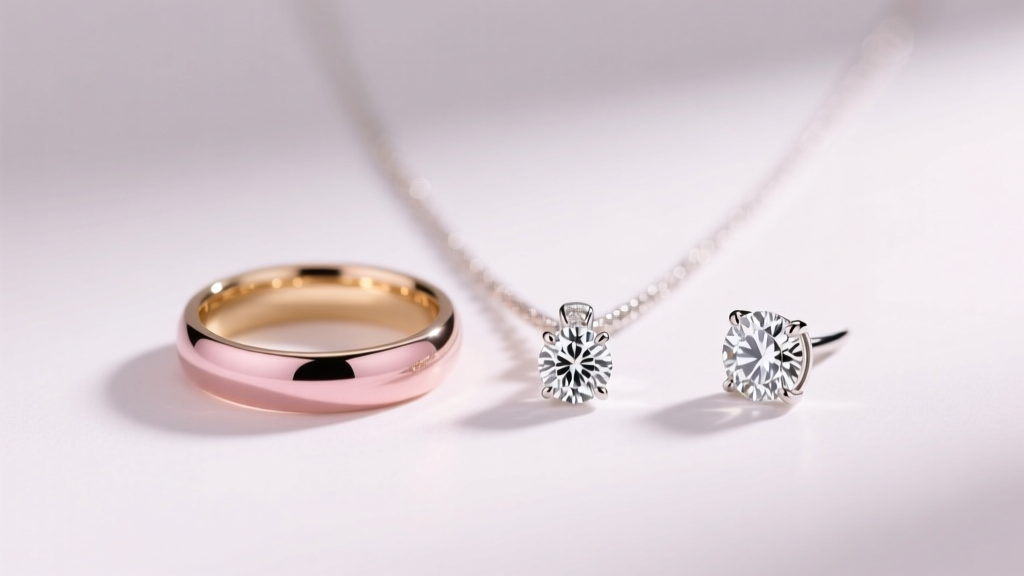
Wedding Band Metals: Platinum vs Gold vs Titanium Guide
Choosing Your Wedding Band Metal
Your wedding band is the one piece of jewelry you'll wear every single day for the rest of your life. The metal you choose affects how it looks, feels, wears, and even whether it can be resized. Here's a comprehensive comparison of the most popular options.
Metal Comparison Chart
| Metal | Durability | Cost | Weight | Resizability | Maintenance |
|---|---|---|---|---|---|
| Platinum | ★★★★★ | $$$$ | Heavy | Yes | Low (develops patina) |
| 18K Gold | ★★★☆☆ | $$$ | Medium | Yes | Medium (scratches) |
| 14K Gold | ★★★★☆ | $$ | Medium | Yes | Low |
| Titanium | ★★★★★ | $ | Very Light | No | Very Low |
| Tungsten | ★★★★★ | $ | Heavy | No (shatters) | Very Low |
| Cobalt Chrome | ★★★★☆ | $$ | Medium | Difficult | Low |
| Palladium | ★★★★☆ | $$$ | Light | Yes | Low |
Platinum: The Premium Choice
Best for: Couples who want the best and don't mind paying for it.
Platinum is 30x rarer than gold, naturally white (won't fade or change color), and hypoallergenic. It develops a soft patina over time that many people love — it looks "lived in." Cost: $800-$3,000 for a plain band.
Downside: Heavy (some people don't like the weight), expensive, and scratches show more than on gold.
14K Gold: The Practical Classic
Best for: Most couples — the best balance of beauty, durability, and price.
14K gold is 58.5% pure gold mixed with alloy metals for strength. Available in yellow, white, and rose gold. More scratch-resistant than 18K because the alloy metals are harder. Cost: $300-$1,200.
Downside: White gold requires rhodium plating every 1-3 years ($50-$100 each time) to stay bright white.
Titanium: The Modern Lightweight
Best for: Active people, those with metal allergies, and budget-conscious buyers.
Titanium is incredibly strong (used in aerospace), hypoallergenic, and feather-light. You'll barely feel it on your finger. Cost: $100-$400. Available in natural gray, black, and even anodized colors.
Downside: Cannot be resized. If your finger size changes (weight gain/loss, pregnancy), you'll need a new ring. Also cannot be cut off in an emergency — ER departments need special equipment.
Tungsten Carbide: The Indestructible Option
Best for: People who work with their hands and need a ring that won't scratch.
Tungsten is 10x harder than gold and 4x harder than titanium. It will never scratch, bend, or lose its polish. Cost: $100-$300. Maintains its mirror finish forever.
Downside: Cannot be resized. Can shatter if dropped on a hard surface (it's hard but brittle). Cannot be cut off in an emergency.
Expert Recommendations
- If budget allows: Platinum — it's forever, literally
- Best value: 14K gold — classic, resizable, beautiful
- For active lifestyles: Titanium — light, strong, affordable
- For hands-on workers: Tungsten — virtually indestructible
- If you have allergies: Platinum or titanium — both hypoallergenic
More Articles
 How to Choose an Engagement Ring on a Budget
 Venues vs. Step: A Metalsmith’s Deep-Dive Comparison of Two Iconic Diamond Cuts
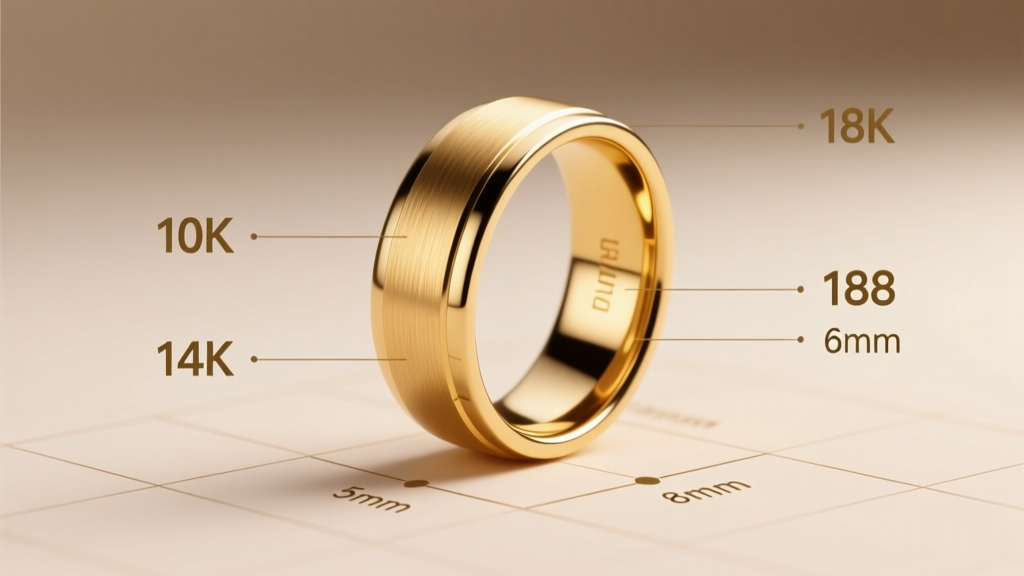 Men’s Gold Wedding Band Weight Guide (2026)
 Moissanite vs Diamond: A Buyer's 2026 Guide
 How to Repurpose a Wedding Ring (2026)
 Does A Wedding Band Go On Top Or Bottom (2026)
 Wedding Bands Can Be Different Colors (2026)
 Chicago Wedding Ring Stores (2026) | Verified Jewelers
 Wedding Ring Cleaning: Metal, Lifestyle & Wear (2026)
 How to Choose a Wedding Band With a Zirconium Material