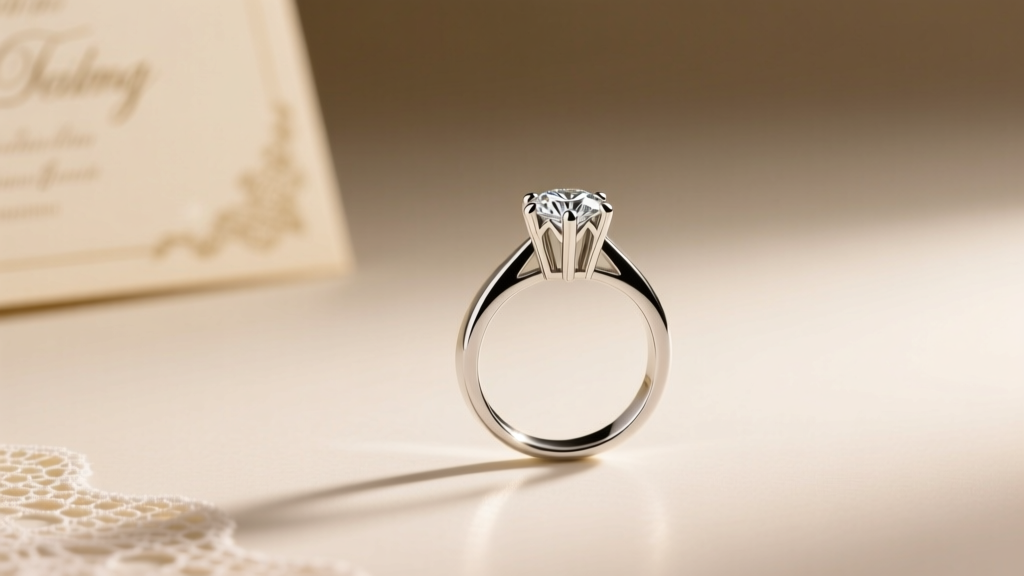
How to Choose an Engagement Ring With a Cathedral Shank
A cathedral shank engagement ring is one of those designs that looks instantly “right” on the hand—elegant, elevated, and deliberately crafted to spotlight the center stone. Named for the sweeping arches of cathedral architecture, this style uses raised shoulders that rise up toward the center setting, creating a graceful frame around the diamond or gemstone.
That structure isn’t just decorative. A cathedral shank affects how high your center stone sits, how the ring pairs with a wedding band, how secure the setting feels, and even how much sparkle you see from different angles. If you’re comparing engagement ring settings, understanding the cathedral shank can help you choose a ring that fits your lifestyle, your budget, and the look you want for decades.
This guide breaks down what cathedral shanks are, how they differ from other popular settings, what to look for in craftsmanship and materials, and how to avoid common buying mistakes—so you can shop with confidence.
What Is a Cathedral Shank (and Why Couples Love It)?
The “shank” is the band portion of a ring. In a cathedral shank engagement ring, the shank rises upward on both sides of the center stone, forming arching supports that meet the head (the part holding the center stone). This creates a lifted, architectural silhouette and often makes the center stone appear more prominent.
Cathedral shank vs. solitaire, pavé, and bezel settings
- Classic solitaire (non-cathedral): The shank stays lower and the head sits more independently. Clean and timeless, but can look less “framed.”
- Cathedral solitaire: Still minimal and classic, but with raised shoulders that add elegance and presence.
- Pavé cathedral: Cathedral shoulders plus small diamonds set into the band. Very popular in current bridal jewelry trends, but requires more maintenance.
- Bezel setting: A metal rim surrounds the stone. Extremely secure and sleek; cathedral elements may be subtle or absent. Great for active lifestyles but offers a different look than traditional cathedral styles.
Benefits of a cathedral shank engagement ring
- Enhanced visual height: Helps the center stone look more elevated and eye-catching.
- Elegant profile: The arches add a refined, “finished” look from side angles.
- Potentially added support: Well-made cathedral shoulders can reinforce the head—useful for larger center stones.
Key Style Choices: Finding the Right Cathedral Look
High vs. low cathedral shank
Cathedral shanks vary in how dramatically they rise. A high cathedral delivers a bold side profile and can amplify sparkle because more light reaches the stone. A low cathedral keeps a similar arched look but sits closer to the finger, often feeling more practical for daily wear.
Tip: If you wear gloves often, work with your hands, or prefer a subtle profile, a lower cathedral with a secure head can be a better fit.
Cathedral with pavé, channel set, or plain metal
- Plain cathedral shank: A timeless classic that spotlights the center stone and is typically the easiest to maintain.
- Pavé cathedral shank: Micro-pavé diamonds can add intense sparkle. Look for clean bead or shared-prong work and a reputable jeweler—craftsmanship matters here.
- Channel-set accent diamonds: Diamonds sit between metal rails, offering a sleeker, more protected style than pavé while still adding brilliance.
Popular center stone shapes that pair beautifully
Cathedral shanks flatter most cuts, but these are especially popular right now:
- Oval cut diamond: A major trend in engagement rings due to its elongating look and strong sparkle.
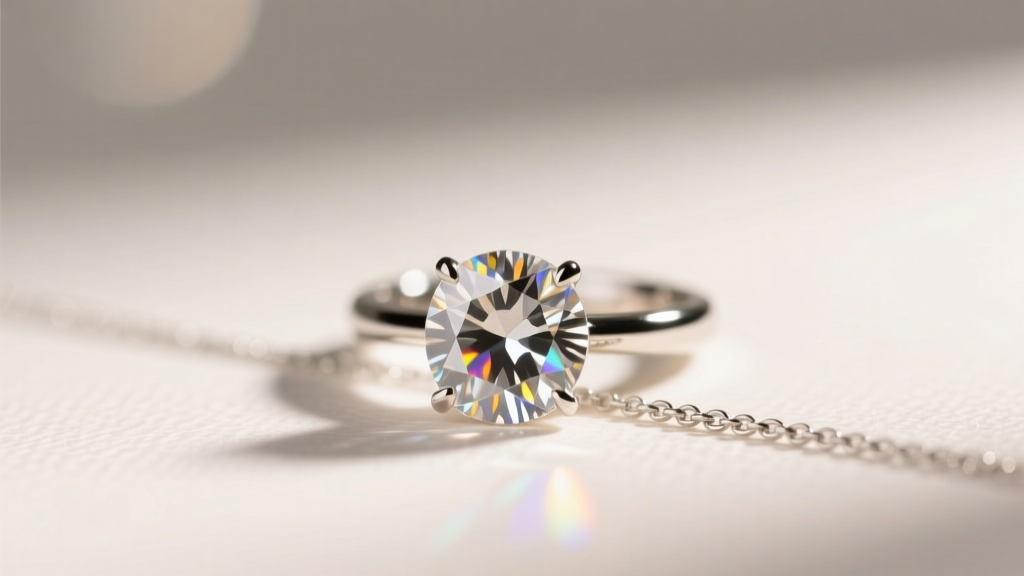
- Round brilliant: The timeless top performer for fire and brilliance—ideal for classic cathedral solitaires.
- Cushion cut: Soft corners and romantic faceting; looks beautiful with a cathedral shank and hidden halo.
- Emerald cut: Sleek and sophisticated. Pair with a cathedral for an elegant profile; consider a more protective setting style if you’re hard on jewelry.
- Pear shape: Striking and feminine; a cathedral can help emphasize the shape and add balance.
Choosing the Right Setting: Prongs, Head Styles, and Security
4-prong vs. 6-prong
- 4-prong: Shows more of the diamond and can look slightly more modern. For larger stones, ensure the prongs are substantial and well-finished.
- 6-prong: A classic choice for round stones and extra peace of mind. It can also visually “round out” the outline.
Basket, peg head, and integrated cathedral construction
How the head attaches to the shank affects durability:
- Peg head: A pre-made head soldered onto the shank. Common and can be perfectly fine, but quality of the soldering and alignment is critical.
- Basket head: Often includes supportive gallery rails; can add stability and a beautiful side profile.
- Integrated cathedral: The cathedral shoulders are built to flow into the head with a cohesive structure. This can be very sturdy and visually seamless when crafted well.
Hidden halo and gallery details
Hidden halos (a ring of small diamonds beneath the center stone) remain a strong trend because they add sparkle without changing the top-down look. If you choose one, confirm it won’t snag and that the pavé work is protected by thoughtful metal edges.
Metals for Cathedral Shanks: Platinum vs. Gold (and What to Pick)
Platinum
Platinum is naturally white, dense, and prized for strength—especially helpful for prongs holding valuable gemstones. It develops a soft patina over time rather than wearing away quickly. Platinum cathedral shanks often feel substantial and secure, though they typically cost more.
14k vs. 18k gold
- 14k gold: A popular choice for everyday engagement rings due to durability and value. Great for cathedral settings that may get frequent wear.
- 18k gold: Higher gold content and a richer color, especially in yellow gold. Slightly softer than 14k, but still excellent when well-crafted.
Yellow gold, white gold, and rose gold
Yellow gold cathedral shanks are a timeless classic making a strong comeback, especially with oval and emerald cuts. White gold offers a bright, neutral look (often rhodium-plated for extra whiteness). Rose gold feels romantic and modern, pairing beautifully with round, cushion, and pear shapes.
Value tip: If you love the look of platinum but want to manage budget, a well-made 14k white gold cathedral setting can offer a similar aesthetic. Just plan for periodic rhodium re-plating if you want it to stay icy white.
Gemstone Quality Factors: What Matters Most for a Cathedral Setting
Diamond buying priorities (the 4Cs, simplified)
- Cut: The biggest driver of sparkle. For round brilliants, prioritize Excellent/Ideal cut grades. For fancy shapes (oval, pear, emerald), evaluate visual performance and proportions.
- Color: Cathedral settings expose the stone from the side, so color can be more noticeable than in closed settings. Many shoppers find G–I color a sweet spot in white metals, and H–J can be beautiful in yellow gold.
- Clarity: Choose “eye-clean” rather than paying for microscopic perfection. VS2–SI1 is often a strong value range, depending on the stone.
- Carat: Cathedral shanks can make a center stone look larger by elevating it and framing it—helpful if you’re balancing size and budget.
Lab-grown diamonds and moissanite
Lab-grown diamonds are a leading engagement ring trend for couples who want larger carat sizes or higher specs for the price. They’re real diamonds with the same optical and physical properties. Moissanite is a diamond alternative with big sparkle and excellent durability; it often shows more rainbow fire and can look stunning in cathedral settings.
Colored gemstones in cathedral settings
Sapphires (including blue, pink, and teal) are popular for unique engagement rings and are durable enough for daily wear. Emeralds are striking but softer; if you choose emerald, consider protective design elements and commit to gentle care.
Wedding Band Pairing: Will It Sit Flush?
One of the biggest practical questions with a cathedral shank engagement ring is how it pairs with a wedding band. Some cathedral designs allow a band to sit flush, while others leave a gap due to a low-set head or protruding details.
How to check for a flush fit
- Ask for a side profile image and confirm the space between the center setting and finger line.
- Try the ring with a straight band in-store, or request a rendering if buying custom.
- Consider a contour band or notched band if you love a low cathedral but want a close fit.
Trend meets timeless: stacking sets
Stacking engagement rings with wedding bands (and sometimes anniversary bands) remains popular. A cathedral shank can be an excellent “anchor” piece for a stack—just keep total height and daily comfort in mind.
Craftsmanship Checklist: What to Inspect Before You Buy
- Symmetry: Cathedral shoulders should rise evenly and meet the head cleanly on both sides.
- Prong finish: Prongs should be smooth, properly shaped, and secure—no sharp edges or thin tips.
- Stone setting quality: For pavé, check for consistent beadwork, aligned stones, and protective metal around the edges.
- Comfort fit: A slightly rounded inner shank can feel better for everyday wear, especially for wider bands.
- Durability of the bridge: The transition area where the cathedral meets the head should feel sturdy, not delicate or underbuilt.
Price Range and Value Tips
Cathedral shank settings can range from relatively simple and affordable to highly detailed and premium. Pricing varies based on metal choice, accent diamonds, brand, and craftsmanship.
- Setting only (approximate ranges): $800–$2,500 for many gold or simple designs; $1,500–$4,000+ for platinum, pavé-heavy, or designer-level craftsmanship.
- Center stone cost: Often the largest portion of the budget. Lab-grown diamonds can significantly reduce cost for the same visual size and quality.
Smart ways to maximize value
- Prioritize cut quality over small jumps in color/clarity.
- Consider 14k gold for durability and cost efficiency.
- Use cathedral architecture to enhance presence: a well-designed cathedral can make a slightly smaller carat weight look impressive.
- Ask about warranty, prong checks, and maintenance—service value matters long-term.
Care and Maintenance for Cathedral Shank Engagement Rings
- Clean regularly: Soak in warm water with a mild dish soap, then use a soft toothbrush around the cathedral arches and under the center stone. Rinse and dry with a lint-free cloth.
- Inspect prongs: Because cathedral rings often lift the stone, prongs can snag over time. Have prongs checked every 6–12 months.
- Remove for impact activities: Gym workouts, gardening, heavy lifting, and cleaning with harsh chemicals can stress prongs and scratch metal.
- Professional cleaning: Occasional ultrasonic or steam cleaning is great for diamonds, but ask a jeweler first if you have fragile gemstones or lots of pavé.
Common Mistakes to Avoid
- Choosing height over lifestyle: A high cathedral can be stunning, but if it catches on everything, you’ll resent wearing it. Comfort matters.
- Assuming all cathedral shanks are equally secure: The strength is in the craftsmanship—look closely at how the shoulders support the head.
- Not planning for a wedding band match: Many couples discover the band won’t sit flush after the proposal. Check band compatibility early.
- Overpaying for clarity: Don’t buy VVS clarity automatically. Focus on eye-clean stones and invest in cut quality.
- Ignoring maintenance needs of pavé: Pavé looks incredible but can lose stones if the ring isn’t made well or not maintained.
FAQ: Cathedral Shank Engagement Rings
Are cathedral shank engagement rings comfortable for everyday wear?
Yes, especially low-to-mid cathedral profiles with a comfort-fit interior. Very high cathedrals can feel bulkier and may snag more, so it’s worth trying on a few heights.
Does a cathedral shank make a diamond look bigger?
It can. The raised shoulders draw the eye upward and visually frame the center stone, often making it appear more prominent than a lower, flatter shank.
Can a wedding band sit flush with a cathedral setting?
Sometimes. It depends on how the head is built and how low the cathedral sits. If a straight band doesn’t sit flush, a contour or custom-fit wedding band is a common solution.
Is a cathedral setting secure?
A well-made cathedral setting can be very secure because the shoulders provide structural support to the head. Security still depends on prong quality, metal choice, and proper maintenance.
What’s the best metal for a cathedral shank ring?
Platinum is excellent for strength and prong durability. For value and everyday wear, 14k gold is a top pick. Choose based on budget, color preference, and how hard you are on jewelry.
Do cathedral shanks work with halos and hidden halos?
Yes. Cathedral shoulders pair beautifully with halos and hidden halos, blending modern sparkle trends with a classic, architectural silhouette.
Next Steps: Choosing a Cathedral Shank You’ll Love Long-Term
If you’re drawn to a cathedral shank engagement ring, focus on three things: the height that fits your lifestyle, craftsmanship that keeps the center stone secure, and a plan for how the wedding band will pair. From timeless cathedral solitaires in platinum to modern pavé cathedrals with oval-cut diamonds, this setting style offers a refined look that holds up beautifully over time.
For more guidance on engagement ring settings, wedding band pairing, diamond shapes, and metal choices, explore more jewelry guides on weddingsift.com.
More Articles
 Cobalt Chrome Wedding Bands Hypoallergenic Durability
 Aquamarine Engagement Rings March Birthstone Elegance
 Wedding Band Weight: Grams by Metal, Size & Impact
 Wedding Bracelet: Meaningful Wrist Details (2026)
 Black Diamond Engagement Rings Bold and Unique Choice
 How to Prevent Wedding Ring Tan Lines and Discoloration
 How to Choose an Engagement Ring She Will Never Take Off
 Custom Engagement Rings Design Your Dream Piece
 Zircon Engagement Rings Natural Sparkle Alternative
 Gemology Grad Careers: Where They Land & Earn (2026)