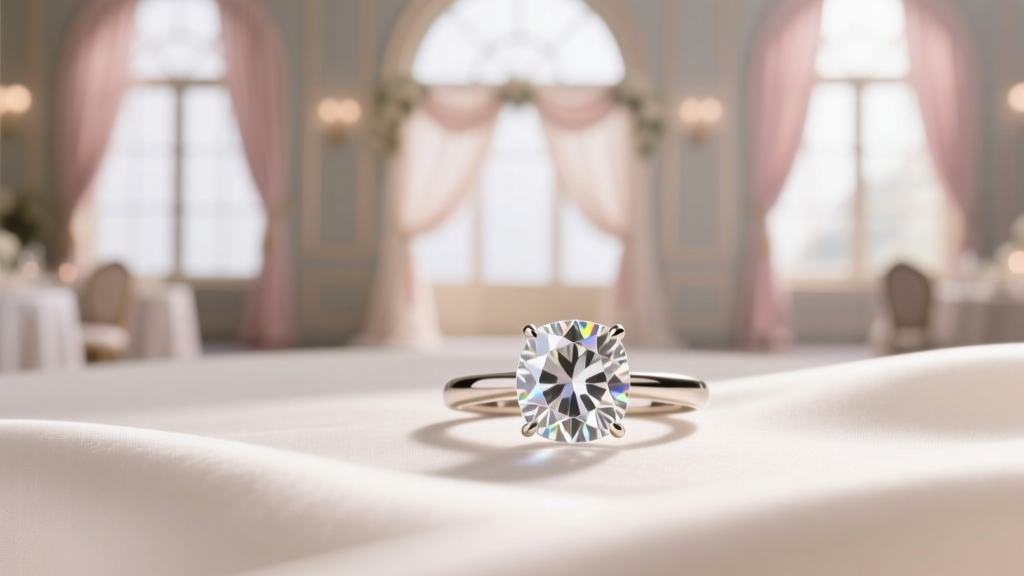
Rose Cut Diamonds Vintage Flat Top Style
If you’re drawn to engagement rings that feel romantic, distinctive, and a little bit “found in a Paris antique shop,” rose cut diamonds deserve your attention. Their softly shimmering surface and low, flattering profile make them a natural match for vintage-inspired ring designs—especially the coveted flat top style that sits close to the finger.
For couples shopping for an engagement ring and coordinating wedding band, rose cut diamonds offer something rare in today’s market: a look that’s timeless yet not overly common. They can read delicate and old-world, or bold and architectural depending on the setting and metal choice. Understanding how rose cuts are made—and what quality details matter—helps you choose a ring that looks beautiful every day, not just under jewelry store lights.
This guide breaks down rose cut diamonds, the vintage flat top aesthetic, and how to shop smart for sparkle, durability, and value.
What Is a Rose Cut Diamond?
A rose cut diamond is a faceted diamond with a flat bottom (no pavilion) and a domed top covered in triangular facets that rise to a point—like the petals of a rosebud. Unlike modern round brilliant cuts, rose cuts don’t rely on deep angles to return intense flashes of light. Instead, they offer a softer, glowy sparkle—more “candlelight” than “disco ball.”
Rose Cut vs. Brilliant Cut: How They Look on the Hand
- Sparkle style: Rose cuts give a gentle shimmer and broad flashes; brilliant cuts give sharper, high-contrast fire and scintillation.
- Profile: Rose cuts sit low because they don’t have a deep pavilion—ideal for flat top engagement rings and stack-friendly wedding bands.
- Face-up size: Many rose cuts look larger from the top than a brilliant diamond of the same carat weight because the weight isn’t “hidden” in depth.
- Vintage vibe: Rose cuts naturally pair with antique-inspired settings: milgrain, halos, bezels, hand-engraving, and old-world silhouettes.
Understanding the “Vintage Flat Top” Style
“Flat top” in vintage jewelry often refers to ring designs that present a broad, relatively level top surface across the finger. It’s a look associated with antique clusters, halos, and geometric frames from the Georgian, Victorian, and especially Art Deco eras. Rose cut diamonds are perfectly suited to this because their domed crown is shallow and their base is flat, allowing jewelers to create a sleek, low-sitting centerpiece without sacrificing presence.
Common Flat Top Ring Designs for Rose Cuts
- Halo flat top: A rose cut center with a tight halo of small diamonds. Often finished with milgrain edging for a true vintage engagement ring feel.
- Cluster or “carpet” top: Multiple rose cuts set close together, creating a continuous, shimmering surface.
- Bezel-framed flat top: A rose cut set in a full bezel (or scalloped bezel) for a smooth outline and excellent protection.
- Art Deco geometry: Hexagon, octagon, kite, or shield outlines—frequently paired with baguettes or calibré-cut accents.
Why Couples Love Rose Cut Diamonds for Engagement Rings
Rose cuts have become a strong modern trend in vintage-inspired engagement rings, particularly among couples who want something unique but still classic. Their subtle sparkle photographs beautifully, they stack comfortably with wedding bands, and they complement both minimalist and ornate settings.
- Lower profile for daily wear: Less snagging on sweaters, hair, or gloves compared to taller settings.
- Distinctive yet timeless: Feels special without looking trendy in a way that might date quickly.
- Versatile style: Works with yellow gold, rose gold, white gold, and platinum—each metal changes the mood.
Quality Factors That Matter Most in Rose Cut Diamonds
Traditional diamond grading was developed around modern brilliant cuts, so you’ll want to look a little differently at a rose cut. The goal is not maximum fire—it’s a balanced, elegant glow with good transparency and pleasing facet patterning.
Clarity: More Visible Than You Might Expect
Because rose cuts are shallower, inclusions can sometimes be easier to see from the top. Look for stones that appear “clean” face-up. Depending on size, many buyers are happy with VS2–SI1 if the inclusions aren’t obvious without magnification. For larger stones, aiming for VS clarity can help keep the look crisp.
Color: Warmth Can Be a Feature
Rose cut diamonds often look beautiful in slightly warmer colors. In yellow or rose gold, G–K can be very flattering and period-appropriate. In platinum or white gold, many prefer F–H for a brighter look. Antique-style rings frequently embrace warmth as part of the vintage character.
Cut and Facet Pattern: The Real Make-or-Break
Rose cuts aren’t standardized the way modern rounds are, so craftsmanship varies widely. Look for:
- Even facet symmetry (no “lopsided” dome)
- Good transparency without a dull or cloudy center
- Balanced dome height (too flat can look glassy; too high can lose the flat top feel)
- Consistent polish and crisp facet junctions
Shape Options: Round, Oval, Pear, and More
Round rose cuts are the classic choice, but vintage flat top settings also shine with oval, pear, cushion, and kite shapes. Ovals and pears elongate the finger; cushions feel especially antique; kites and shields lean Art Deco and contemporary at once.
Metal Choices for a Vintage Flat Top Ring
Metal selection affects both the style and durability of your ring. Because rose cuts emphasize surface glow, metal color can dramatically change the overall impression.
Platinum
Platinum is a top-tier choice for heirloom-quality engagement rings. It’s dense, naturally white, and holds prongs securely. It develops a soft patina over time, which many vintage lovers find charming.
18K and 14K Gold (Yellow, White, Rose)
- Yellow gold: The most historically “vintage” look; pairs beautifully with warm rose cuts.
- Rose gold: Romantic and on-trend, especially in delicate flat top halos; can emphasize warmth in the diamond.
- White gold: Bright and classic; usually rhodium-plated for extra whiteness (may need re-plating over years).
For daily wear, 14K gold is slightly harder and more scratch-resistant than 18K, while 18K gold offers richer color and a more luxurious feel.
Settings That Suit Rose Cut Diamonds (and Protect Them)
Rose cut diamonds can have thinner edges compared to some modern cuts, so the setting should protect the stone while keeping the vintage flat top look.
Bezel Settings
A bezel is one of the best choices for active lifestyles. It wraps the diamond’s edge in metal, guarding it from chips and minimizing snagging. Scalloped or milgrained bezels keep the vintage character strong.
Halo and Cluster Settings
Flat top halos and clusters add finger coverage and amplify sparkle. Choose a well-made halo with evenly matched melee diamonds and secure bead setting. Milgrain detail is a timeless vintage hallmark—still trending in 2026 because it adds texture without feeling flashy.
Prong Settings
Prongs can look airy and delicate, but they should be sturdy. Look for well-finished claw or tab prongs that protect the perimeter. For a flat top feel, many designs use lower, more substantial prongs rather than tall cathedral mounts.
Buying Tips for Rose Cut Vintage Flat Top Engagement Rings
- Ask for multiple lighting photos/videos: Rose cuts change dramatically between direct light and soft indoor light.
- Prioritize cut quality over carat weight: A well-cut rose diamond will look lively; a poorly cut one can look flat and sleepy.
- Confirm measurements: Because they face up larger, compare millimeter dimensions—not just carat weight—when shopping online.
- Check band compatibility: If you want a flush-fit wedding band, ask about the ring’s profile and whether a curved band is needed.
- Consider a custom or semi-mount: Flat top designs often look best when the setting is built around the exact stone measurements.
Care and Maintenance: Keeping the Glow
Rose cut diamonds can show oil and lotion film more quickly because of their broad surface. Cleaning helps restore that soft, luminous sparkle.
- At-home cleaning: Warm water, mild dish soap, and a soft toothbrush. Rinse well and pat dry with a lint-free cloth.
- Avoid harsh chemicals: Chlorine and abrasive cleaners can damage metal finishes and loosen settings over time.
- Routine checks: Have prongs, bezels, and halo beads inspected every 6–12 months—especially for cluster flat tops.
- Storage: Store rings separately to avoid scratching metal or abrading milgrain and engraving details.
Price Range and Value Tips
Rose cut diamond engagement rings span a wide range because pricing depends heavily on whether the diamond is modern-cut rose, antique/old stock, salt-and-pepper, or paired with elaborate craftsmanship.
- Entry level (approx. $800–$2,500): Smaller rose cuts or rose-cut accents, 10K/14K gold, simpler bezels.
- Mid-range (approx. $2,500–$7,500): 0.50–1.25 ct center stones, halos or clusters, 14K/18K gold, strong craftsmanship.
- High-end (approx. $7,500–$20,000+): Larger or rare shapes, antique stones, platinum, hand engraving, fine milgrain, premium melee diamonds.
Best value moves: Consider a slightly warmer color grade in yellow gold, choose a bezel for longevity, and invest in craftsmanship (secure settings and clean finishing). A beautifully made vintage flat top ring often outlasts trendier designs.
Common Mistakes to Avoid
- Buying by carat weight alone: Rose cuts can look big for their weight—compare millimeters and overall design coverage.
- Ignoring transparency: Some stones look milky or hazy. Ask whether the diamond is eye-clean and bright in natural light.
- Choosing fragile settings for daily wear: Ultra-thin bands and tiny prongs can bend over time—especially on wide flat top halos.
- Not planning for a wedding band: Many flat top vintage rings sit low; a straight band may leave a gap. Decide if you’re okay with that or want a contour band.
- Skipping maintenance: Halo and cluster settings need periodic tightening. A quick jeweler check prevents stone loss.
FAQ: Rose Cut Diamonds and Vintage Flat Top Rings
Do rose cut diamonds sparkle as much as brilliant cut diamonds?
They sparkle differently. Brilliant cuts are designed for maximum fire and scintillation. Rose cuts give softer, broader flashes and a romantic glow—especially in warm, indoor lighting.
Are rose cut diamonds durable for everyday wear?
Yes, but the setting choice matters. A bezel or protective halo is ideal. Since rose cuts can have thinner edges, avoid overly exposed settings if you’re hard on your hands.
Will a rose cut diamond look larger than a round brilliant of the same carat?
Often, yes. Because rose cuts are shallower, they can have a larger face-up diameter for the same weight. Always compare millimeter measurements when shopping.
What wedding band pairs best with a vintage flat top engagement ring?
A slim pavé band, milgrain-edged band, or engraved gold band complements the vintage look. If your engagement ring sits low, consider a curved/contour band for a flush fit.
Is yellow gold or platinum better for rose cut diamonds?
Both work. Yellow gold enhances warmth and leans antique; platinum keeps the look crisp and cool-toned. Choose based on your style and whether you prefer warmer or whiter diamonds.
Are rose cut diamonds considered a current trend or a timeless choice?
They’re both. Rose cuts are trending in modern vintage engagement rings, but the cut itself has deep historical roots, making it a classic that doesn’t feel fleeting.
Where Rose Cut Vintage Flat Top Style Fits Today
Current engagement ring trends favor individuality—vintage-inspired halos, east-west settings, mixed metals, and low-profile designs that stack cleanly with wedding bands. Rose cut diamonds check all those boxes while keeping the look grounded in timeless craftsmanship. If you want a ring that feels personal, photographs beautifully, and wears comfortably, a rose cut diamond in a vintage flat top setting is a confident choice.
Next step: decide whether you prefer a bezel, halo, or cluster flat top, choose the metal that best matches your style, and shop with an eye for transparency and craftsmanship. For more expert engagement ring and wedding band advice, explore additional jewelry guides on weddingsift.com.
More Articles
 Can You Resize a Wedding Ring Bigger? (2026)
 Common Mistakes in Fine Jewelry Care, Sizing, and Purchase — A Metalsmith’s Field Guide
 Wedding Band Matching: 7-Step Visual Guide (2026)
 How to Choose a Wedding Band for Sensitive Skin
 Wedding Ring & Band Stacking: 5-Step Guide (2026)
 26th Anniversary Jewelry: Jade and Green Gemstone Guide
 How To Match Base Metals With Value
 How to Choose a Wedding Band With a Domed Profile
 How to Choose an Engagement Ring With a Pear-Shaped Stone
 40th Anniversary Ruby Jewelry Gift Guide