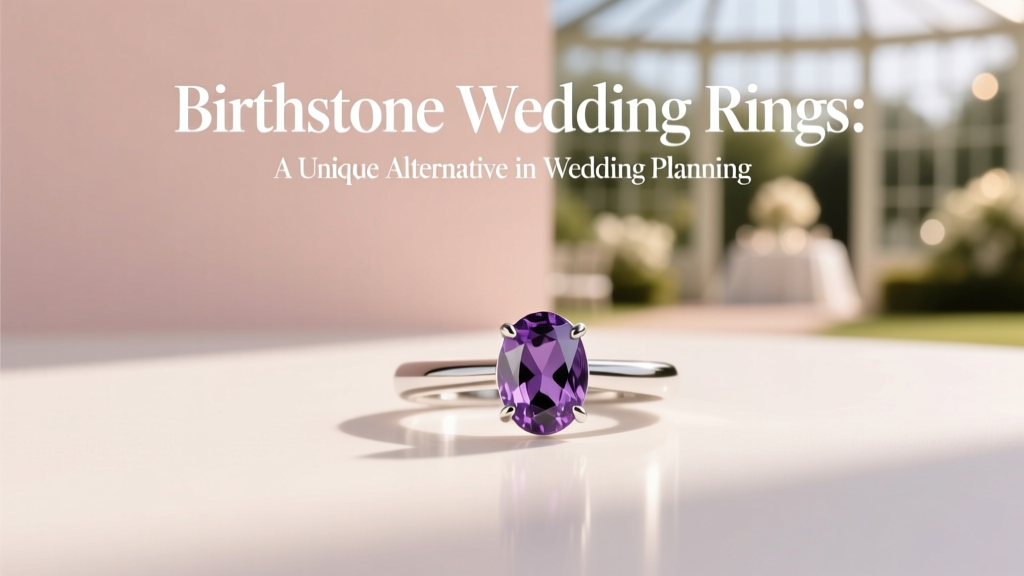
Birthstone Wedding Rings A Unique Alternative
Diamond wedding rings will always have a place in bridal jewelry, but they’re no longer the only “right” choice. More couples are choosing rings that feel personal rather than purely traditional—pieces that tell a story at a glance. That’s where birthstone wedding rings come in: engagement rings and wedding bands featuring the gemstone tied to a birth month (yours, your partner’s, or even a child’s) for a meaning that’s instantly built-in.
Birthstones also open the door to color. A sapphire center stone can look regal and timeless, an emerald can feel vivid and romantic, and a ruby can read bold and modern. For couples who want an alternative to a classic diamond solitaire—without sacrificing craftsmanship or longevity—birthstone wedding rings can be a smart, distinctive path.
This guide breaks down the best gemstones for everyday wear, the metal and setting choices that protect them, what quality factors actually matter, and how to avoid common shopping mistakes when selecting a birthstone engagement ring or wedding band.
Why Choose a Birthstone Wedding Ring?
Birthstone rings aren’t just “different”—they’re intentional. Couples often choose birthstones for one (or more) of these reasons:
- Personal meaning: Your birth month, the month you met, got engaged, or married.
- Color as a signature: A ring that stands out in photos and everyday life.
- Budget flexibility: Many birthstones cost less than comparable-size diamonds, letting you upgrade metal, setting, or craftsmanship.
- Trend-forward but wearable: Colored gemstones are a strong current jewelry trend, yet historically rooted (royal sapphires and emeralds are as classic as it gets).
Best Birthstones for Everyday Wedding Rings (Durability First)
Wedding rings and engagement rings take constant wear, so durability matters more than symbolism. A jeweler’s first question is usually: “Will this stone hold up to daily life?”
Understand Hardness and Toughness
- Hardness (Mohs scale) measures scratch resistance.
- Toughness measures resistance to chipping or cracking.
For a center stone worn daily, prioritize stones with high hardness and good toughness, paired with protective settings.
Top Choices for Birthstone Engagement Rings
- Sapphire (September) – Mohs 9. Excellent for daily wear. Available in blue, pink, yellow, white, and parti-color. A timeless alternative to a diamond center stone.
- Ruby (July) – Mohs 9. Technically a red sapphire (corundum). Ideal for those who want a bold color with real durability.
- Spinel (August alternative) – Mohs ~8. Very tough and underappreciated. Comes in vivid reds, pinks, purples, and blues; often excellent value.
- Aquamarine (March) – Mohs 7.5–8. Beautiful icy blue; best in protective settings (bezel or halo) to reduce edge chipping.
- Garnet (January) – Mohs ~6.5–7.5 depending on type. Deep red is classic; better for careful wearers or for accents rather than a high-set center stone.
Stones That Need Extra Thought
- Emerald (May) – Mohs 7.5–8, but typically included (natural internal features). Gorgeous and classic, yet more chip-prone. Choose low-profile designs, bezels, and routine maintenance.
- Opal (October) – Mohs ~5.5–6.5 and sensitive to impact and dryness. Stunning, but not ideal for a daily-wear wedding ring unless you’re committed to careful wear and protective settings.
- Pearl (June) – Soft and easily scratched. Better for occasional-wear jewelry than a wedding band.
- Tanzanite (December alternative) – Mohs ~6–7; can chip. A lovely statement stone, best for people who remove rings for hands-on activities.
Metal Choices: How the Band Affects Longevity and Look
The right metal does two jobs: it sets the style and protects the gemstone. For birthstone wedding rings—especially those with colored centers—metal choice also changes how the stone’s color reads.
Platinum
Best for: Long-term durability and secure stone setting. Platinum prongs hold well and resist wear. It develops a soft patina rather than losing metal over time. A top pick for sapphire, ruby, and diamond accents.
18K or 14K Gold (Yellow, White, or Rose)
- 14K gold: More durable for daily wear due to higher alloy content; great for active lifestyles and thinner bands.
- 18K gold: Richer color, slightly softer; excellent for classic, substantial designs.
Color pairing tip: Yellow gold can warm up green emeralds and golden sapphires. White gold (often rhodium plated) sharpens contrast for blue sapphires and aquamarines. Rose gold flatters pink sapphires and morganite-style palettes (even though morganite isn’t a traditional birthstone, it’s popular in modern bridal jewelry).
Alternative Metals (Titanium, Tungsten, Cobalt)
These can be stylish for men’s wedding bands, but they’re not always ideal for gemstone settings or resizing. If you want a birthstone in a band, confirm whether the ring can be resized and serviced long-term.
Styles and Settings That Make Birthstones Look Elevated
Ring style affects not only aesthetics, but also how protected your stone will be.
Bezel Settings (Modern + Protective)
A bezel surrounds the gemstone with a metal rim. It’s one of the most secure choices for softer stones like emerald, aquamarine, or garnet, and it gives a sleek, contemporary profile that’s very on-trend.
Prong Settings (Classic Sparkle)
Prongs let more light into the stone and feel traditionally “engagement ring.” For colored gemstones, choose heavier prongs or a six-prong head for added security. Prongs are timeless, but they require routine checks.
Halo Settings (Bigger Look, More Protection)
A diamond halo around a birthstone center stone is a popular bridal trend because it adds sparkle, visual size, and a protective buffer. Halos complement sapphire, ruby, and emerald especially well.
Three-Stone Rings (Meaningful and Balanced)
Three-stone engagement rings can represent past/present/future, or you can incorporate both partners’ birthstones with a diamond center. It’s a beautiful way to keep the ring bridal while still personal.
Birthstone Wedding Bands (Subtle or Statement)
For bands, common choices include channel-set accents, flush-set (gypsy-set) stones, or alternating diamond-and-birthstone patterns. Flush settings are especially practical for everyday wear because the stones sit level with the band.
Quality Factors: What to Look for in a Birthstone Ring
Color (The Biggest Value Driver)
For colored gemstones, color outranks everything. Look for:
- Hue: The actual color (blue, green, red).
- Tone: Lightness or darkness. Many stones look best in medium to medium-dark tones.
- Saturation: Intensity. Vivid, well-saturated stones usually command higher prices.
Clarity (Different Rules Than Diamonds)
Some stones are expected to have inclusions. Emeralds commonly show internal features; the goal is a stone that looks lively and attractive to the eye and doesn’t have obvious fractures in vulnerable areas.
Cut (Brilliance and Face-Up Size)
Well-cut gemstones show strong sparkle (or glow, depending on the material) and even color. Popular cuts for birthstone engagement rings include oval, cushion, emerald cut, round, and pear. Oval and cushion are current favorites because they look substantial and photograph beautifully.
Treatments and Certifications
Many gemstones are treated—this isn’t automatically a problem, but it should be disclosed.
- Sapphire/ruby: Heat treatment is common and accepted.
- Emerald: Oil or resin filling is common; ask about the level of enhancement.
For higher-budget center stones, consider a lab report from respected gem labs (such as GIA, AGS, or other recognized gemstone labs depending on region) to confirm identity and note treatments.
Price Ranges and Value Tips
Birthstone wedding rings can range widely based on stone type, size, quality, and metal. These ballpark ranges assume solid gold or platinum settings and a well-made ring:
- Garnet, amethyst, citrine center stone rings: Often $500–$2,000 depending on design and accent diamonds.
- Aquamarine, spinel, higher-grade garnet: Often $1,000–$4,000.
- Sapphire and ruby: Commonly $2,000–$10,000+, depending heavily on color quality and whether the stone is natural, heated, unheated, or lab-grown.
- Emerald: Commonly $2,500–$12,000+; fine emeralds escalate quickly.
Value tips from a jeweler’s perspective:
- Consider lab-grown sapphire or ruby for excellent durability and color at a lower price. Lab-grown stones are real corundum—just grown under controlled conditions.
- Spend on setting quality (secure prongs, clean finishing, comfort-fit band) rather than chasing the biggest carat weight.
- Choose protective designs to reduce repair costs over time—especially for emerald, opal, and aquamarine.
Practical Buying Tips for Birthstone Engagement Rings and Wedding Bands
- Try the color in different light: Daylight, indoor warm lighting, and shade can change how a gemstone looks.
- Match lifestyle to stone choice: If you work with your hands, prioritize sapphire/ruby/spinel and low-profile settings.
- Ask about maintenance: Find out if the jeweler offers prong checks, cleanings, and resizing.
- Plan for stacking: If you want a wedding band flush against the engagement ring, choose a setting that allows it (or consider a curved/contour band).
- Confirm return and warranty policies: Especially when buying online.
Care and Maintenance: Keeping Birthstone Rings Beautiful
Most birthstone rings can be cleaned at home, but you’ll want to tailor care to the gemstone.
- Safe routine cleaning (for sapphire, ruby, spinel, diamond accents): Warm water, mild soap, a soft toothbrush, and a gentle rinse. Dry with a lint-free cloth.
- Avoid ultrasonic cleaners for: Emerald, opal, pearl, and heavily included stones. Ultrasonic vibration can worsen fractures or loosen filled treatments.
- Remove rings for: Gym workouts, gardening, heavy lifting, cleaning chemicals, and swimming (chlorine can be harsh on metals and some stones).
- Schedule checks: Have prongs and settings inspected every 6–12 months, especially for prong-set center stones and pavé diamonds.
Common Mistakes to Avoid
- Choosing a soft stone for a high-set daily ring: Opal and pearl are beautiful, but they’re not built for constant impact.
- Ignoring treatments: A treated stone can still be a great choice, but you should know what you’re buying and how it affects care.
- Prioritizing carat over cut and color: A poorly cut large stone can look dull; a smaller, well-cut stone often looks more luxurious.
- Underestimating setting quality: Thin prongs, weak gallery work, or poor finishing lead to repairs and lost stones.
- Forgetting about future resizing: Eternity bands and some alternative metals can be difficult or impossible to resize.
FAQ: Birthstone Wedding Rings
Are birthstone engagement rings durable enough for everyday wear?
Yes—if you choose a durable gemstone and a protective setting. Sapphire and ruby are top-tier for daily wear. Spinel is also excellent. Softer stones like opal and pearl are better reserved for occasional wear or protected, low-profile designs.
What’s the best setting for a birthstone ring?
For maximum protection, a bezel setting is hard to beat. For a classic engagement ring look, choose sturdy prongs (often six prongs) or a halo that adds both sparkle and a buffer around the center stone.
Do birthstones look good with diamonds?
Absolutely. Diamond side stones or a halo can brighten the overall ring and make the center stone color pop. Popular pairings include a blue sapphire center with a diamond halo, or an emerald center with tapered baguette diamonds for a timeless, elevated style.
Should we choose one birthstone or combine both partners’ stones?
Either works. Many couples choose one center stone for simplicity and incorporate the second birthstone as small accent stones inside the band or in a matching wedding band. Three-stone rings also make combining stones feel intentional and balanced.
Are lab-grown birthstones a good choice for wedding rings?
For many couples, yes. Lab-grown sapphire and ruby offer strong durability, consistent color, and excellent value. You can often get a larger or higher-quality look while keeping the budget comfortable.
Next Steps: A Confident Path to a Ring That Feels Like Yours
If you love the idea of a ring that’s personal, distinctive, and still worthy of a lifetime of wear, birthstone wedding rings are one of the best alternatives to traditional diamond-only designs. Start by choosing a stone that suits your lifestyle (sapphire, ruby, or spinel for maximum durability), pair it with a protective setting, and invest in solid craftsmanship—those choices matter more than chasing trends.
When you’re ready to compare styles, metals, and gemstone options, explore more jewelry guides on weddingsift.com to find the engagement ring and wedding band combination that fits your story and your everyday life.
More Articles
 Can I Wear My Wedding Band Before the Wedding Day?
 Chicago Wedding Ring Stores (2026) | Verified Jewelers
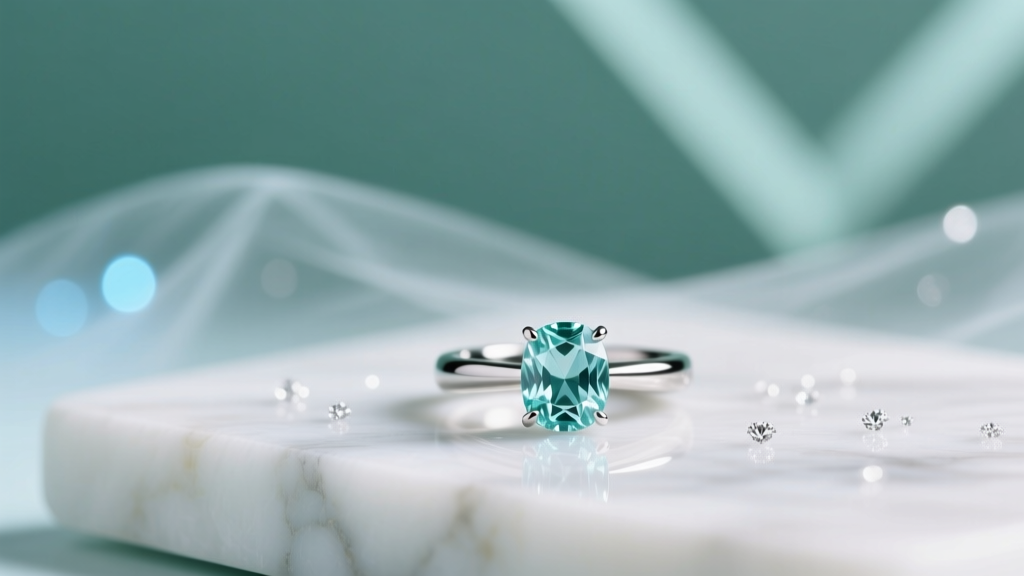 Aquamarine Engagement Rings March Birthstone Elegance
 Lab-Grown vs Natural Diamonds in 2026
 Best Really Expert: What True Mastery Looks Like in Contemporary Jewelry Craftsmanship
 Emerald Cut Diamonds Step Cut Elegance
 How to Choose a Wedding Band With a Geometric Pattern
 How to Choose a Wedding Band With a Polished Finish
 Platinum vs White Gold Which Lasts Longer
 Cushion Cut Diamonds Vintage Appeal and Brilliance