## The Small Circle That Carries a Lifetime of Meaning
You're about to spend hundreds — maybe thousands — of dollars on a piece of metal you'll wear every single day for the rest of your life. Yet most couples spend less than an hour researching what a wedding ring actually is, what it should represent, and what separates a ring you'll treasure from one you'll quietly resent. This guide changes that.
---
## What Is a Wedding Ring, Exactly?
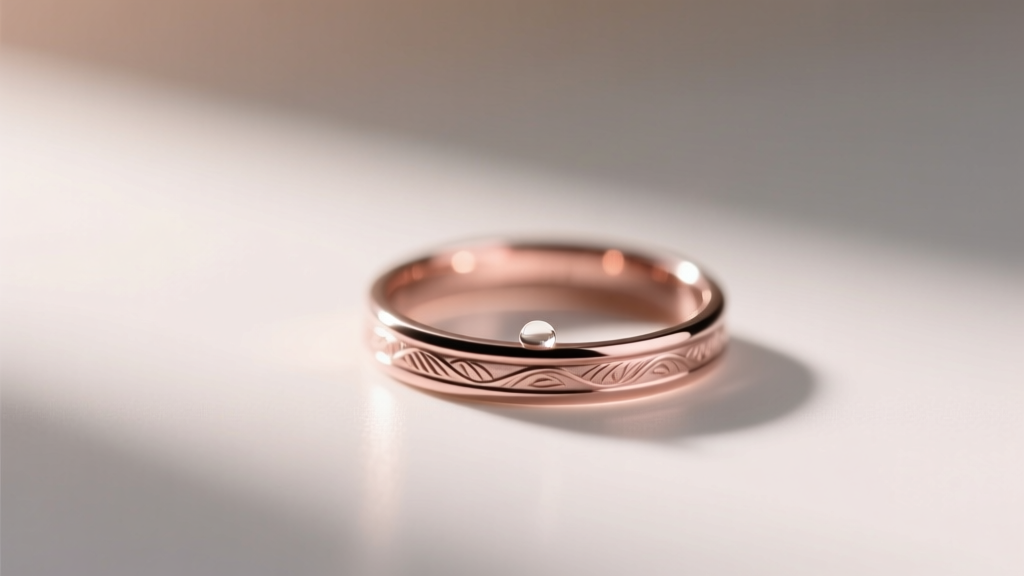
A wedding ring (also called a wedding band) is a circular band exchanged between partners during a marriage ceremony as a symbol of their vows and commitment. Unlike an engagement ring — which is typically given during a proposal — the wedding ring is placed on the finger during the ceremony itself, making it the official emblem of the marriage.
The circular shape is intentional: a circle has no beginning and no end, representing eternal love and unbroken commitment. Most wedding rings are worn on the **fourth finger of the left hand**, a tradition rooted in the ancient Roman belief in the *vena amoris* — the "vein of love" — said to run directly from that finger to the heart.
**Key distinctions to know:**
- **Engagement ring**: given at proposal, often features a center stone
- **Wedding ring**: exchanged at the ceremony, typically a plain or lightly accented band
- **Bridal set**: an engagement ring and matching wedding band designed to be worn together
---
## A Brief History: Where the Wedding Ring Comes From
The tradition of exchanging wedding rings dates back over 3,000 years. Ancient Egyptians braided reeds and hemp into rings, believing the circle symbolized eternity. Romans formalized the practice, using iron rings (*anulus pronubus*) to signify a legal bond.
By the Middle Ages, gold became the standard material in Europe. The double-ring ceremony — where both partners exchange rings — only became widespread in the 20th century, partly driven by jewelry industry marketing during World War II, when soldiers wore rings as a reminder of their wives at home.
Today, the wedding ring market is a **$6+ billion industry** in the United States alone, with couples spending an average of $1,100–$1,500 per band.
---
## How to Choose the Right Wedding Ring: 4 Practical Factors
Understanding what a wedding ring is also means knowing how to pick one that fits your life — not just your finger.
### 1. Metal Type
The metal you choose affects durability, appearance, and cost:
- **Platinum**: most durable, hypoallergenic, naturally white — and the most expensive
- **14k or 18k gold**: classic choice; 14k is more durable, 18k is purer and richer in color
- **White gold**: gold alloyed with palladium or nickel, rhodium-plated for a bright finish
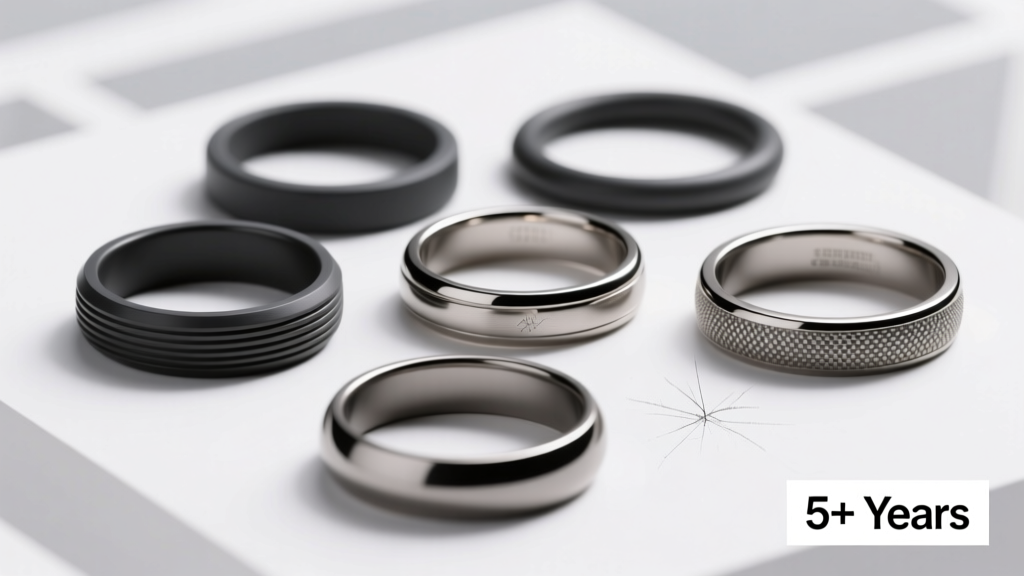
- **Titanium / tungsten**: extremely durable, budget-friendly, but difficult to resize
### 2. Width and Comfort Fit
Band width (measured in millimeters) affects how the ring looks and feels. Narrower bands (2–4mm) suit smaller hands; wider bands (6–8mm) make a bolder statement. Always ask for a **comfort-fit** interior — a slightly domed inner surface that slides on and off more easily.
### 3. Lifestyle Compatibility
If you work with your hands, cook frequently, or exercise daily, a simple, low-profile band in a hard metal will outlast an ornate design. Engraved or pavé-set rings trap debris and require more maintenance.
### 4. Matching vs. Coordinating
You don't need identical rings. Many couples choose bands that complement each other — similar metal, different width or texture. What matters is that both rings feel personal.
---
## Common Myths About Wedding Rings
**Myth 1: "You must spend two months' salary on a wedding ring."**
This rule was invented by De Beers in the 1980s as a marketing campaign — first for engagement rings, later extended to wedding bands. There is no cultural, historical, or ethical basis for it. Spend what fits your budget and your values. A $300 titanium band worn with love means more than a $3,000 platinum ring bought under financial stress.
**Myth 2: "The wedding ring must go on the left hand."**
In many countries — including Germany, Norway, India, Russia, and Greece — the wedding ring is traditionally worn on the **right hand**. Some same-sex couples, widows, and individuals with personal or religious reasons also choose the right hand. The "correct" hand is whichever hand holds meaning for you.
---
## Your Next Step
A wedding ring is more than jewelry — it's a daily, physical reminder of a promise you made to another person. The best ring isn't the most expensive or the most fashionable; it's the one that reflects who you both are and holds up to the life you're building together.
**One simple action:** Before you shop, write down three words that describe your relationship. Let those words guide your choice of metal, style, and budget. You'll end up with a ring that actually means something — and that's the whole point.
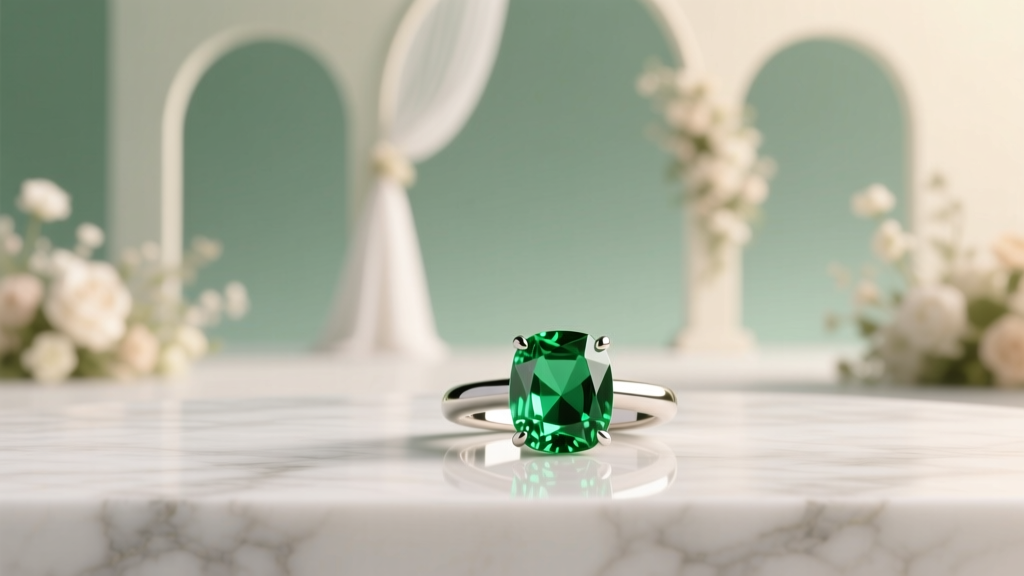 Peridot Engagement Rings August Birthstone Green Beauty
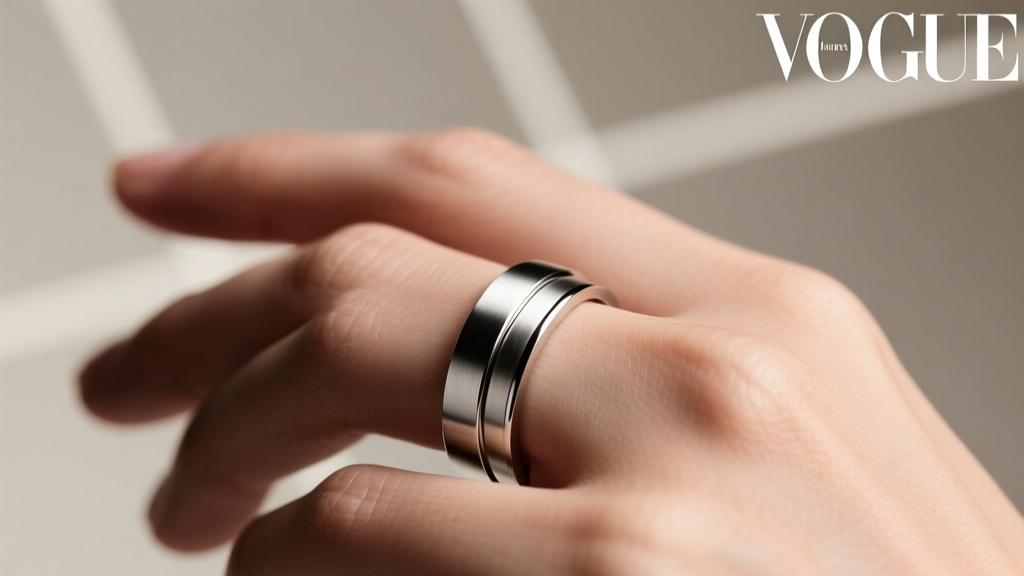 How to Wear Wedding Ring with Band (2026)
 Moissanite vs Diamond: A Buyer's 2026 Guide
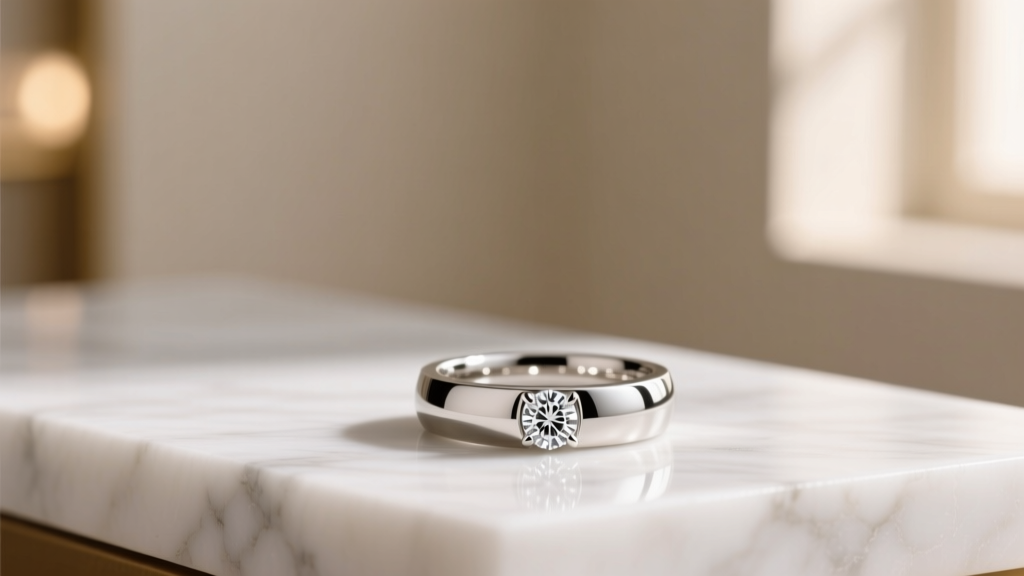 Diamond Flush Settings Smooth Surface Comfort Design
 How Heavy Is a Wedding Ring? (2026)
 Custom Jewelry Planning: A Metalsmith's Roadmap
 Lab-Grown vs Natural Diamonds (2026)
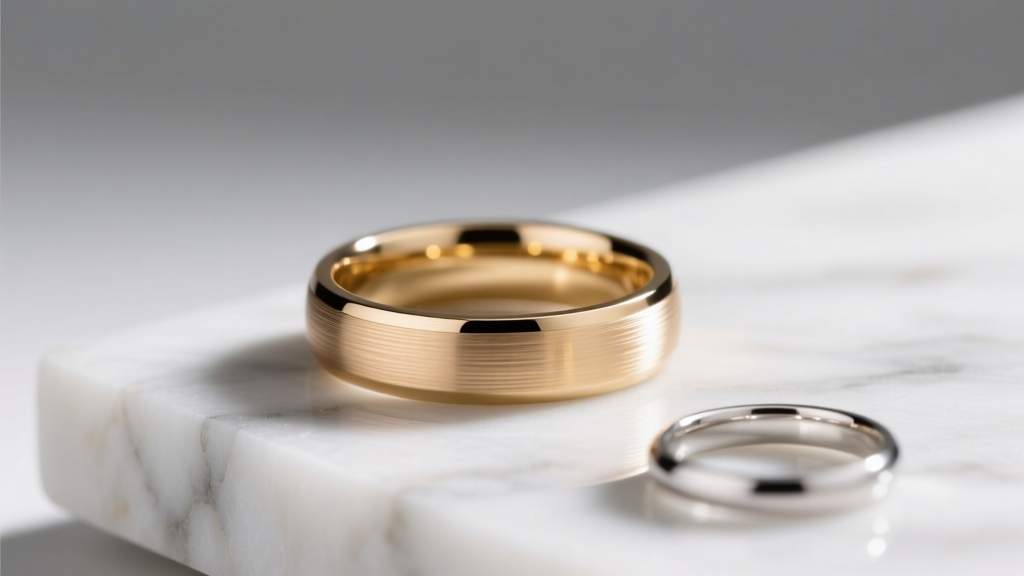 How to Choose a Wedding Band With a Brushed Finish
 Rubber Wedding Bands: 7 Trusted Places to Buy (2026)
 Coral Engagement Rings Ocean-Inspired Organic Gem