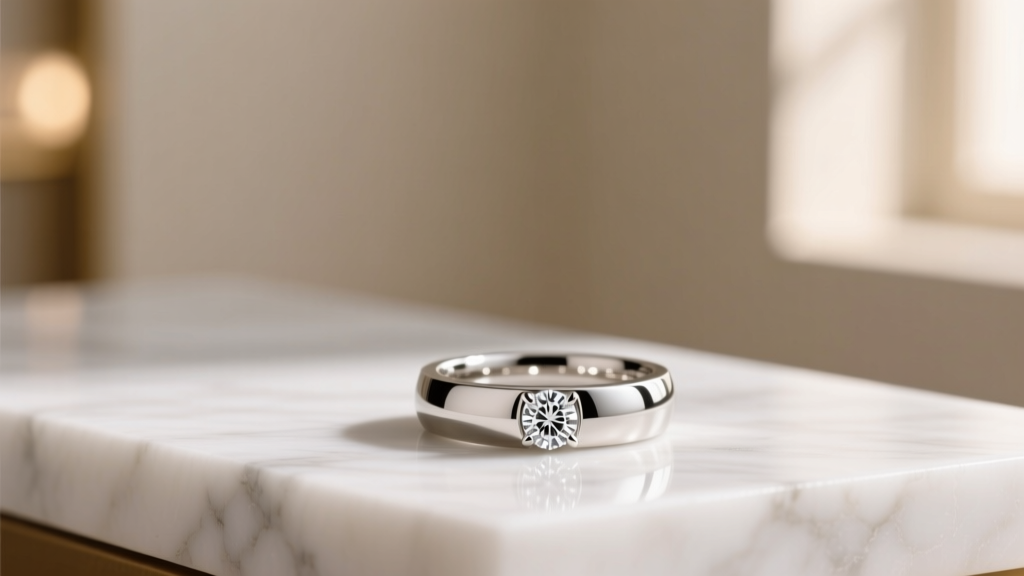
Diamond Flush Settings Smooth Surface Comfort Design
A ring is the one piece of jewelry you’ll wear more than any other—during handshakes, workouts, travel days, cooking, and everything in between. That’s why many couples shopping for engagement rings and wedding bands are prioritizing comfort and practicality as much as sparkle. One setting style checks both boxes beautifully: the diamond flush setting.
Flush-set diamonds sit level with the metal surface, creating a sleek, smooth profile that won’t snag on sweaters, gloves, or hair. The look is modern and streamlined, yet it can still feel timeless—especially when paired with classic metals and well-chosen diamond shapes. If you love a low-profile ring, a comfort-fit band, or a design that’s built for real life, flush settings deserve a spot on your shortlist.
This guide breaks down what a flush setting is, why it’s so wearable, what to look for in craftsmanship and diamond quality, plus pricing, care, and common mistakes to avoid when shopping for flush-set wedding rings.
What Is a Diamond Flush Setting?
A flush setting (also called a gypsy setting in some traditional jewelry circles) is a technique where the diamond is set into a precisely drilled seat in the metal. The stone’s top surface (table) sits nearly even with the surrounding metal. The jeweler then pushes or burnishes the metal around the diamond’s edge (girdle) to secure it.
Why Couples Love Flush-Set Rings
- Smooth surface, snag-free wear: Ideal for active lifestyles and hands-on jobs.
- Low-profile comfort: Great for people who dislike tall prongs or bulky settings.
- Durability: The diamond is protected by the surrounding metal, reducing risk of chipping.
- Modern, minimal aesthetic: Clean lines pair well with contemporary engagement ring trends.
Flush Setting vs. Bezel vs. Prong: Quick Comparison
- Flush setting: Diamond sits level with the band; most snag-resistant and very sleek.
- Bezel setting: A rim of metal encircles the diamond; also secure, but can look more framed than flush.
- Prong setting: Maximizes light and “lift,” often looks larger, but can snag and requires more maintenance.
Best Ring Styles for a Smooth, Comfortable Flush-Set Design
Flush-Set Wedding Bands (Diamond Bands)
Flush-set diamonds are especially popular in men’s wedding bands and unisex wedding bands because they provide subtle sparkle without a raised profile. Common looks include a single flush-set diamond, a trio of stones, or evenly spaced diamonds around the top half of the band.
Flush-Set Engagement Rings
Flush settings can work as a primary center stone style, though they’re more commonly used for accent diamonds along the band. For couples who want an engagement ring that sits low and feels ultra secure, a flush-set center diamond (often a round brilliant) creates a streamlined, “built-in” look.
Trend Spotlight: Minimalist and Stack-Friendly Rings
Current wedding ring trends lean into stacking, mixed metals, and sleek profiles. Flush-set diamond bands stack smoothly against other rings, making them a favorite for bridal sets. A flush-set band can also act as a practical, everyday alternative to a taller engagement ring for travel or work.
Timeless Classic: A Single Flush-Set Diamond
If you want something that won’t feel dated in a decade, a simple gold band with one well-placed flush-set round diamond is a quiet classic. It’s understated, elegant, and easy to wear for life.
Diamond Choices: Cuts, Sizes, and Quality Factors That Matter
Best Diamond Cuts for Flush Settings
Flush settings work best with shapes that have durable outlines and that seat neatly into a drilled opening:
- Round brilliant: The most common choice; excellent sparkle and forgiving alignment.
- Princess: Crisp, modern look, but corners need protection—choose a well-made seat and consider smaller sizes.
- Asscher / Emerald: Striking step-cut “hall of mirrors” effect; best for larger surfaces or statement bands.
- Oval: Can be flush-set, but needs careful craftsmanship to sit cleanly and symmetrically.
Recommended Clarity and Color for Small Flush-Set Diamonds
Many flush-set bands use diamonds in the 0.01–0.10 ct range. At these sizes, visual differences can be subtle, so you can prioritize value:
- Clarity: VS2–SI1 often looks clean to the naked eye in small stones. Avoid heavily included diamonds if the inclusions reach the edges, since durability matters in a flush setting.
- Color: G–I offers a bright look in white metals; H–J can look beautifully warm in yellow or rose gold.
- Cut quality: Still matters. Well-cut melee diamonds reflect light more evenly, keeping the ring lively instead of dull.
Natural Diamonds vs. Lab-Grown Diamonds
Both are real diamonds with the same hardness (Mohs 10). Lab-grown diamonds typically cost less for the same look, which can be a strong value choice for a diamond wedding band with multiple stones. Natural diamonds carry tradition and rarity. Choose based on budget, values, and whether you want larger or higher-grade stones for the price.
Metal Matters: Choosing the Best Band for Comfort and Durability
Platinum
Platinum is dense and naturally white, making it excellent for daily wear and secure settings. It tends to develop a soft patina over time rather than wearing away quickly. Platinum is a top pick for flush-set rings because the metal around the diamond helps protect it.
White Gold (14K vs. 18K)
14K white gold is a practical choice for flush settings: it’s durable and budget-friendly. 18K white gold has a richer gold content and slightly softer feel, which some prefer for luxury pieces. Most white gold is rhodium plated for a bright finish; expect occasional replating over the years.
Yellow Gold
Yellow gold highlights the “warm-meets-sparkle” contrast around a flush-set diamond. For daily wear, 14K is typically the best balance of strength and color. Yellow gold is a timeless classic and currently trending again in modern, clean designs.
Rose Gold
Rose gold (gold alloyed with copper) offers a romantic blush tone. It’s popular for contemporary wedding bands and mixed-metal stacks. It also tends to be durable—another reason it pairs well with flush-set designs.
Comfort Fit: The Detail You’ll Feel Every Day
If comfort is the goal, look for a comfort-fit band, where the inner surface is slightly rounded. Combine that with flush-set diamonds, and you get a ring that feels smooth on the skin and doesn’t catch on fabrics—one of the most wearable combinations available.
Craftsmanship Checklist: What Makes a Great Flush Setting?
- Clean seat and even metal pressure: The diamond should sit level, not tilted, with no gaps around the edge.
- Protected girdle: A secure flush setting supports the diamond’s edge so it isn’t exposed to impact.
- Smooth finishing: Run a fingertip across the setting—there shouldn’t be sharp ridges or rough spots.
- Balanced layout: Multiple flush-set diamonds should be evenly spaced and aligned with the band’s center line.
- Band thickness and width: A very thin band can limit how securely a diamond can be seated. Ask your jeweler what width is recommended for your stone sizes.
Buying Tips for Engagement Rings and Wedding Bands with Flush-Set Diamonds
Try It On Like You Live In It
When possible, try on rings while making a fist, sliding your hand into a pocket, and stacking with an engagement ring. Flush settings shine in everyday movement—comfort should be obvious within a minute.
Match Your Lifestyle and Work
If you wear gloves, work with tools, lift weights, or travel often, flush-set diamonds are a smart option. Pair them with a slightly wider band for extra stability and a confident feel.
Think About Wedding Band Pairing
A flush-set engagement ring often pairs easily with a straight wedding band because there’s no tall basket or prong structure forcing a gap. If you already have an engagement ring, bring it when shopping so you can confirm the bands sit flush together.
Ask About Stone Security and Warranty
Flush settings are secure, but no ring is maintenance-free. Ask what the jeweler recommends for inspections and whether loose-stone tightening is included.
Care and Maintenance: Keeping That Smooth Surface Looking New
- Weekly cleaning at home: Soak in warm water with mild dish soap, gently brush with a soft toothbrush, rinse, and dry with a lint-free cloth.
- Avoid harsh chemicals: Chlorine and strong cleaners can damage metal alloys and dull finishes.
- Professional checkups: Have your jeweler inspect the ring every 6–12 months, especially if it’s worn daily.
- Refinishing and polishing: A flush-set ring may show surface scratches over time; periodic polishing restores shine. For brushed or matte finishes, ask for matching refinishing to keep the original look consistent.
Price Range and Value Tips
Flush-set diamond rings can range widely based on metal, number of diamonds, total carat weight, and craftsmanship.
- Simple flush-set band (single small diamond): Often a more affordable entry point, especially in 14K gold.
- Multi-stone flush-set wedding bands: Price increases with total carat weight and diamond quality. Lab-grown diamonds can reduce cost significantly while maintaining the same visual impact.
- Platinum flush-set designs: Typically higher priced due to metal cost and labor, but excellent for long-term wear.
Value Moves That Don’t Compromise the Look
- Choose VS2–SI1 clarity and G–I color for small diamonds.
- Pick 14K gold for durability and everyday practicality.
- Consider lab-grown diamonds for bigger total carat weight within budget.
- Prioritize craftsmanship and comfort fit—a smooth, well-finished ring feels more “luxury” than a larger diamond set poorly.
Common Mistakes to Avoid
- Going too thin: Ultra-thin bands may not provide enough metal depth for a secure flush setting, especially with multiple diamonds.
- Ignoring finishing quality: Rough edges or uneven burnishing can feel scratchy and collect dirt.
- Choosing fragile shapes without proper protection: Square corners (princess) can be more vulnerable if not seated expertly.
- Assuming “flush-set” means maintenance-free: You still need periodic inspections to ensure stones remain tight.
- Mismatch with your engagement ring: If stacking matters, confirm the rings sit flush together and feel comfortable on adjacent fingers.
FAQ: Diamond Flush Settings for Wedding Rings
Are flush-set diamonds secure for everyday wear?
Yes—flush settings are among the most secure because the diamond is surrounded by metal and sits low. Security still depends on craftsmanship and adequate band thickness, so buy from a jeweler known for solid setting work and get periodic inspections.
Do flush-set diamonds sparkle less than prong-set diamonds?
They can appear slightly less “airy” because prongs expose more of the diamond to light from the side. Flush-set diamonds still sparkle beautifully from the top, especially when the stones are well cut and kept clean.
Can I flush-set a larger center stone in an engagement ring?
It’s possible, especially with round diamonds, but very large stones may require a wider band to seat properly and look balanced. Many couples choose a flush-set center for a sleek, modern engagement ring that sits low on the hand.
What’s the difference between a flush setting and a bezel setting?
A bezel wraps a rim of metal around the diamond’s perimeter, often creating a defined outline. A flush setting sits level with the band surface, giving a smoother, more integrated look.
Which metal is best for a flush-set diamond wedding band?
Platinum is excellent for durability and security, while 14K gold (white, yellow, or rose) offers a strong balance of wear resistance and value. Your best choice depends on budget, color preference, and how hard you are on your hands.
How do I clean a flush-set diamond ring?
Use warm water, mild dish soap, and a soft brush to reach around the diamonds. Because flush settings can collect lotion and soap residue, gentle weekly cleaning helps maintain maximum sparkle.
Next Steps: Is a Flush-Set Diamond Ring Right for You?
If you want a smooth, comfortable wedding band or a low-profile engagement ring that’s built for daily life, diamond flush settings are a smart, stylish choice. They offer a clean modern look, excellent durability, and an easy-to-wear surface that suits everything from minimalist bridal trends to timeless classic bands.
Focus on solid craftsmanship, a comfortable band shape, and diamonds chosen for cut and practicality—not just numbers on paper. When those elements come together, a flush-set ring becomes the kind of piece you can truly forget you’re wearing… until the light hits it.
For more guidance on engagement ring settings, wedding band styles, diamond shapes, and metal choices, explore more jewelry guides on weddingsift.com.
More Articles
 Eternity Ring vs Wedding Band: What Jewelers Won’t Tell You
 Wedding Band Matching: 7 Rules Jewelers Swear By (2026)
 Wedding Website RSVP Management: Cut Chaos, Save Time
 Jewelry Care FAQ: Wear and Sizing Guide
 Engagement Ring Appraisal How Often Do You Need One
 Pearl and Diamond Engagement Rings Classic Combination
 How to Wear Wedding Set: 7 Rules You’re Breaking
 Tungsten Wedding Bands: Emergency Removal & Resizing (2026)
 Moissanite vs Lab Diamond: Honest Comparison
 Tourmaline Engagement Rings Rainbow Color Options