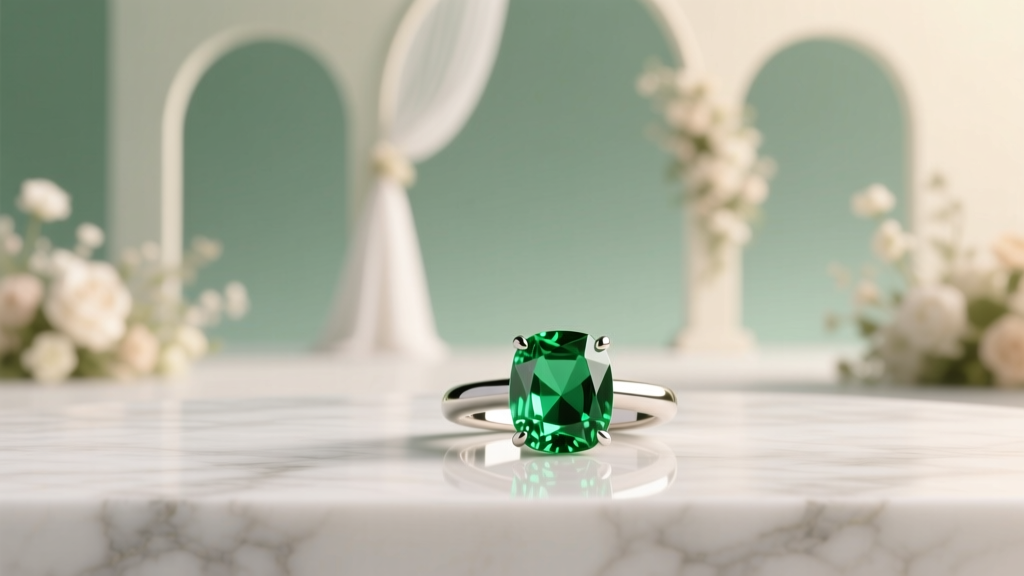
Peridot Engagement Rings August Birthstone Green Beauty
Peridot engagement rings bring a fresh, optimistic look to bridal jewelry—one that stands out from traditional diamonds while still feeling timeless. With its signature lime-to-olive green glow, peridot offers a romantic alternative for couples who want meaning, color, and personality in an engagement ring without straying into “too trendy” territory.
As August’s birthstone, peridot is also a thoughtful choice for birthdays, anniversary proposals, or couples who love birthstone symbolism. Beyond sentiment, it’s a genuinely wearable gemstone when chosen well: the right cut, setting, and metal can make peridot look bright, crisp, and secure for everyday life.
This guide breaks down peridot quality, popular engagement ring styles, metal pairings, price expectations, and the practical details that matter when you’re choosing a ring meant to last—especially if you plan to pair it with a wedding band.
Why Peridot Works So Well for Engagement Rings
A distinct color that still reads “bridal”
Peridot’s green is lively and flattering on many skin tones, and it pairs beautifully with classic bridal metals like yellow gold and platinum. It also blends easily into modern aesthetics—think minimal solitaires, sleek bezels, and stackable wedding bands—while still feeling romantic and special.
Meaning and symbolism couples love
Peridot has long been associated with love, protection, and positivity. For many couples, that symbolism resonates as strongly as a stone’s sparkle. Choosing a peridot engagement ring can also be a nod to an August birthday, a summer proposal, or a shared love of nature-inspired design.
Good value for a large “center stone look”
Compared with many other gemstones, peridot can offer impressive size for the budget. If you’re aiming for a bold center stone presence—especially in halo settings or three-stone designs—peridot makes that possible without pushing into the price territory of emeralds or fine sapphires.
Peridot Basics: What You’re Really Buying
Color: the #1 factor in beauty
Peridot’s best color is a saturated, medium green with a slight golden undertone—bright rather than muddy. Stones that look overly yellow or brownish-green can appear less lively, especially in indoor lighting. When comparing options, view the peridot in multiple light sources if you can (daylight, warm indoor light, and cool LED light) since green gems can shift in tone.
Clarity: typically eye-clean, but check for “sleepiness”
Many peridots are eye-clean, but you may see small inclusions. More noticeable is a hazy or “sleepy” look caused by internal features that reduce brilliance. For an engagement ring center stone, prioritize crisp transparency—this is what gives peridot that clean, glassy sparkle.
Cut: how peridot gets its shine
Peridot has a high refractive look when cut well. Popular cuts for peridot engagement rings include:
- Oval cut peridot: elongates the finger and looks elegant in halos and solitaires.
- Round cut peridot: classic brilliance and easy pairing with wedding bands.
- Cushion cut peridot: soft corners and a romantic, vintage-friendly profile.
- Emerald cut peridot: clean lines, “hall of mirrors” look; best with higher clarity stones.
- Pear cut peridot: distinctive and flattering, especially with a V-prong for protection.
Because peridot’s color is the star, a well-proportioned cut that returns light evenly will keep the gem vibrant rather than dark in the center.
Carat size and appearance
Peridot is often available in larger sizes, but size should match lifestyle. For daily wear, many couples like a center stone around 6x4 mm to 8x6 mm (roughly 0.5–2.0 carats depending on cut). Larger stones can look stunning, but they benefit from more protective settings and careful wear.
Durability: what to know before you commit
Peridot ranks about 6.5–7 on the Mohs hardness scale. That’s wearable, but it’s not as scratch-resistant as sapphire (9) or diamond (10). For an engagement ring you’ll wear constantly, the setting choice and your care habits make a big difference. If you love peridot’s color but need maximum durability, consider a peridot center with protective design features or a peridot accent-stone approach.
Best Metals for Peridot Engagement Rings
Yellow gold: the most flattering classic
Yellow gold complements peridot’s golden-green warmth and gives a rich, vintage-inspired feel. It’s an excellent choice for solitaires, cathedral settings, and delicate bands. If you want a timeless look with a unique center stone, yellow gold and peridot is a winning pairing.
White gold and platinum: crisp, modern contrast
White metals make peridot look brighter and slightly cooler, a great match for contemporary ring styles like bezel settings, clean halos, and minimalist designs. Platinum is naturally white and durable for prongs; white gold is budget-friendly but may require rhodium re-plating over time to maintain a bright finish.
Rose gold: romantic and trending
Rose gold is popular in modern bridal jewelry and can create a soft, romantic contrast with peridot. This pairing feels current, especially in thin bands, hidden halos, and vintage-inspired details like milgrain.
Settings and Styles: Modern Trends and Timeless Favorites
Protective settings that suit peridot
- Bezel setting: metal rim surrounds the stone; one of the best choices for everyday wear and active lifestyles.
- Halo setting: small diamonds (or moissanite) boost sparkle and visually brighten peridot; also adds some edge protection.
- Cathedral setting: elevated shoulders support the center; beautiful, but ensure prongs are sturdy.
- Three-stone ring: classic symbolism (past, present, future); pair peridot with diamonds for a bridal look.
Prong tips for safer daily wear
Prongs matter more than most shoppers realize. For peridot engagement rings, look for at least four prongs (six for round stones is even more secure). For pear or marquise shapes, use a V-prong on the pointed tip to reduce chipping risk.
Band styles that pair well with wedding bands
Since you’re likely buying a matching wedding band later (or shopping as a set), consider how the engagement ring sits:
- Low-profile rings feel comfortable but may need a curved wedding band to sit flush.
- Raised settings often allow a straight wedding band to nest neatly.
- Hidden halos add sparkle from the side without overwhelming the center stone.
- Knife-edge or tapered bands highlight the center stone and feel classic.
Quality Checklist: What to Look for When Buying Peridot
- Color saturation: aim for medium to vivid green with good brightness.
- Even color distribution: avoid stones with dark centers or obvious zoning.
- Good transparency: choose a lively, non-hazy stone.
- Cut symmetry: even facets and balanced shape improve sparkle.
- Secure craftsmanship: strong prongs, smooth finishing, no sharp edges on the setting.
If you’re buying online, look for clear videos in multiple lighting conditions and a return policy that gives you time to assess the stone in real life.
Price Range and Value Tips
Typical cost expectations
Peridot engagement ring pricing depends on the stone size/quality, the metal, and whether diamonds are included. As a general guide:
- Simple peridot solitaire in 10K/14K gold: often a budget-friendly entry point.
- Peridot with diamond halo or diamond accents: mid-range depending on total carat weight and craftsmanship.
- Custom designs, platinum settings, or high-grade peridot: higher investment, especially with designer-level finishing.
How to maximize beauty without overspending
- Prioritize cut and color over sheer size. A slightly smaller, brighter peridot looks more expensive than a larger dull stone.
- Use diamond accents strategically. A halo or side stones add sparkle and “bridal presence” without needing a huge center.
- Consider 14K gold for a strong balance of durability and value (18K is richer in gold but slightly softer).
- Choose a protective setting to reduce maintenance and potential replacement costs down the road.
Care and Maintenance: Keeping Peridot Brilliant
Daily wear tips
- Remove your ring for heavy chores, gardening, gym workouts, and anything involving impact.
- Avoid contact with harsh chemicals (bleach, chlorine, strong cleaners), which can damage metals and dull gemstones.
- Store peridot separately from diamonds and sapphires; harder stones can scratch it.
Cleaning peridot safely
Use warm water, mild dish soap, and a soft toothbrush. Rinse well and pat dry with a lint-free cloth. Skip ultrasonic and steam cleaners—peridot is more sensitive than many engagement ring stones, and aggressive cleaning can risk damage depending on inclusions and setting style.
Routine checkups
Have a jeweler inspect prongs and the setting every 6–12 months, especially if you wear your ring daily. Tightening prongs early is far cheaper than replacing a lost center stone.
Common Mistakes to Avoid When Shopping for a Peridot Engagement Ring
- Choosing the palest stone thinking it will look “more diamond-like.” Peridot shines when its green is rich and lively.
- Ignoring setting protection. A delicate, high-set ring may look airy, but peridot benefits from secure design.
- Assuming all green stones are the same. Peridot can be confused with green tourmaline or other gems; buy from a reputable seller and request gemstone details.
- Overlooking band compatibility. If you want a straight wedding band to sit flush, confirm the engagement ring’s profile allows it.
- Wearing it through rough activities. Peridot is wearable, but it’s not a “never take it off” stone for everyone.
FAQ: Peridot Engagement Rings
Is peridot durable enough for an engagement ring?
Yes, with smart choices. Peridot is best for everyday wear when set securely (bezel or sturdy prongs) and when you remove it for rough activities. If you want maximum durability with minimal worry, consider a protective setting and regular jeweler checkups.
What metal looks best with peridot?
Yellow gold is a classic favorite because it enhances peridot’s warm green. White gold and platinum offer a crisp, modern contrast, while rose gold gives a romantic, on-trend look. The “best” metal depends on your style and whether you want the green to look warmer or cooler.
Do peridot engagement rings pair well with wedding bands?
They can pair beautifully. If your engagement ring is low-profile or has a large center, you might prefer a curved or contour wedding band for a flush fit. For raised settings, a straight wedding band often works well. Planning the set together helps avoid gaps and awkward stacking.
How do I know if a peridot is good quality?
Look for a bright, saturated green color, good transparency (no haze), and an even appearance without a dark center. A well-cut stone will sparkle and look lively in multiple lighting conditions.
Will peridot scratch or get cloudy over time?
Peridot can scratch if it’s worn during activities that involve abrasion or contact with harder materials. Cloudiness usually comes from surface wear or residue buildup. Proper cleaning, careful wear habits, and occasional professional polishing (when appropriate) help keep it looking crisp.
Are peridot engagement rings considered trendy or timeless?
Peridot is having a moment as couples embrace colored gemstone engagement rings, but it also has a long history in fine jewelry. Classic designs—solitaires, three-stone rings, and halos—keep the look timeless while still letting the green center stone feel unique.
Next Steps: Choosing Your Peridot Ring with Confidence
If you’re drawn to a peridot engagement ring, lean into what makes it special: that unmistakable August birthstone green, paired with a setting that suits your lifestyle. Prioritize vibrant color, a well-executed cut, and secure craftsmanship—then choose a metal and style that will stack comfortably with your wedding band.
For more guidance on engagement rings, wedding bands, gemstone alternatives, and metal comparisons, explore additional jewelry guides on weddingsift.com.
More Articles
 How Do You Wear a Wedding Ring Set the Right Way
 Engagement Ring Trends Predictions for Next Year
 How to Choose a Ring With the Right Diamond Clarity
 Theme vs Really: Jewelry Soldering Compared
 How to Wear Your Wedding Ring and Band the Right Way
 Can I Wear My Wedding Band Before the Wedding Day?
 Clean Diamond Wedding Band: 5 Mistakes & Quick Fixes (2026)
 Gold Wedding Rings Are Back in Style (2026)
 Make Your Own Wedding Ring: Save $2,800+ (2026)
 Wedding Band Metal Choice: Avoid Regret (2026)