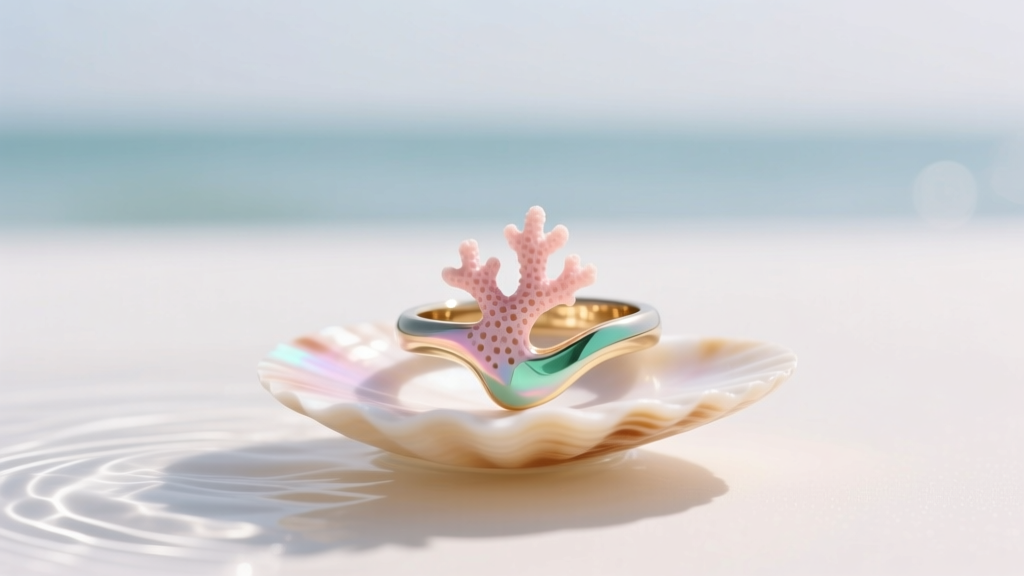
Coral Engagement Rings Ocean-Inspired Organic Gem
For couples drawn to the sea, coral engagement rings offer something rare in the world of fine jewelry: a gemstone material that feels unmistakably organic. Coral isn’t mined from the earth like diamonds or sapphires—it’s formed in the ocean, giving it a warmth and character that pairs beautifully with sentimental engagement ring traditions. The result is a ring that reads romantic, artistic, and a little unconventional, while still feeling refined when crafted well.
Coral also invites a different kind of ring-shopping mindset. Because it’s softer than many classic engagement ring stones, the best coral rings are designed with protection, thoughtful settings, and realistic expectations about daily wear. If you love the look of vintage-inspired jewelry, coastal color palettes, or alternative gemstones, coral can be a meaningful choice—especially when you understand quality factors, ethical sourcing, and the right ways to care for it.
What Is Coral in Jewelry?
“Coral” in jewelry typically refers to the hardened skeletal material produced by marine organisms. When cut and polished, it becomes a smooth, luminous gem-like material. The most sought-after jewelry coral is in the red-to-salmon family, often called precious coral. You’ll also see white, pink, and black coral varieties, each with different visual effects and market values.
Popular Coral Types You’ll See in Engagement Rings
- Red coral (precious coral): Rich, warm red to deep orange-red. Often the most prized and most expensive.
- Salmon and angel-skin coral: Softer peach-to-blush tones; a favorite for romantic, modern engagement ring styles.
- White coral: Creamy, minimal, and coastal; typically less costly, but can look stunning in vintage settings.
- Black coral: Dramatic and rare-looking; often used in statement jewelry and bold alternative engagement rings.
Because coral is an organic material, it can show subtle variations—tiny growth lines, natural mottling, and gentle tonal shifts. Many couples love those “one-of-a-kind” details, but they also mean you should view the exact ring (or high-quality photos/video) before committing.
Coral vs. Traditional Engagement Ring Gemstones
When comparing coral engagement rings to diamond engagement rings or sapphire rings, the biggest difference is durability. Coral is significantly softer than diamonds and most colored gemstones, so ring design matters more.
Durability and Wearability
- Diamond: Extremely hard; best for daily wear with minimal worry.
- Sapphire/Ruby: Excellent for everyday wear; great for colored-stone engagement rings.
- Coral: Softer and more vulnerable to scratches, heat, and chemicals; best with protective settings and mindful wear.
Coral can still be a practical engagement ring choice for the right wearer—especially someone who removes rings for workouts, gardening, cleaning, or hands-on work. If you want a ring you never take off, consider using coral as an accent stone and pairing it with a more durable center stone, or choose a wedding band set where coral is featured in protected inlays.
Trending and Timeless Coral Engagement Ring Styles
Coral is having a quiet moment in modern bridal jewelry because it aligns with several current trends: nature-inspired design, warm color palettes, and alternative gemstones. At the same time, coral has deep vintage roots—particularly in antique cameos and Mediterranean jewelry—so it also suits classic tastes.
1) Cabochon Coral Center Stones
The most common coral “cut” is a cabochon—a smooth, domed shape rather than a faceted gemstone. Cabochons highlight coral’s natural color and silky polish. For an engagement ring, cabochons look especially elegant in bezel settings, halos, and vintage-style mountings.
2) Bezel Settings (Best for Protection)
If you’re shopping for a coral engagement ring you’ll wear often, prioritize a bezel setting. The metal rim encircles the coral and shields the edges—where chips and abrasion are most likely. Bezel-set coral rings feel modern, secure, and ideal for active lifestyles.
3) Halo and Cluster Designs
Small diamonds around a coral center create contrast and brightness while keeping the coral as the focal point. Diamond halo engagement rings are a timeless favorite; with coral, they can look both vintage and fashion-forward. Cluster designs (floral or starburst) also suit coral’s organic theme.
4) Vintage-Inspired Filigree and Milgrain
Coral pairs naturally with milgrain edges, engraved shanks, and filigree galleries. These details echo heirloom jewelry and complement coral’s old-world romance—perfect if you’re considering an antique-style engagement ring.
5) Two-Stone or Three-Stone Rings
For couples who love symbolism, a three-stone ring (past, present, future) can be gorgeous with coral as the center and diamonds or sapphires as side stones. Alternatively, a two-stone “toi et moi” style featuring coral and diamond offers a striking blend of organic warmth and classic sparkle.
Best Metals for Coral Engagement Rings
Metal choice affects both style and durability. Since coral is relatively soft, a sturdy setting and well-made craftsmanship matter just as much as the metal itself.
Yellow Gold
Yellow gold engagement rings enhance red, salmon, and peach coral with a warm, harmonious glow. It’s a timeless pairing that feels vintage and luxurious.
Rose Gold
Rose gold is trending in bridal jewelry and looks especially flattering with angel-skin coral and soft salmon tones. The overall effect is romantic and modern without being overly flashy.
White Gold and Platinum
White metals create crisp contrast, making coral appear brighter and more graphic. Platinum offers excellent durability for prongs and bezels—useful when protecting a softer center material. White gold is popular too, but confirm the rhodium plating schedule and long-term maintenance if you want that bright white finish.
Coral Quality Factors: What to Look For
Since coral isn’t graded like diamonds, quality evaluation relies on a few key markers. Ask for specifics, and don’t be shy about requesting close-up photos or videos.
Color
The most valuable coral is typically an even, saturated red. Angel-skin and salmon coral can also be high-value when the tone is clean and luminous. Avoid stones that look chalky, dull, or uneven unless that variation is part of the design and clearly intentional.
Surface and Condition
Look for a smooth polish with minimal pitting, cracks, or visible cavities. Minor natural texture can exist, but prominent fractures are a red flag for a ring intended for frequent wear.
Treatment and Stabilization
Some coral on the market is dyed or stabilized. Treatments aren’t automatically “bad,” but they should be disclosed. Ask whether the coral is natural color, dyed, or resin-stabilized—and how that affects care and longevity.
Craftsmanship of the Setting
For coral engagement rings, setting quality is non-negotiable. Check that bezel edges are smooth and even, prongs are secure (if used), and the coral sits protected rather than sticking up too high. A lower-profile ring is typically safer for coral.
Practical Buying Tips for Coral Engagement Rings and Wedding Bands
- Choose protective designs: Bezel settings, halos, and lower profiles help prevent knocks and scratches.
- Think about your daily routine: If you use your hands a lot, consider coral as an accent stone or reserve coral for a wedding band with protected inlay details.
- Ask about sourcing: Coral has environmental considerations. Look for sellers who can explain origin and compliance with regulations and ethical sourcing practices.
- Request clear stone photos: Coral’s beauty is in color and surface quality—details you need to see.
- Consider a matching wedding band: A contoured band can protect the engagement ring and reduce rubbing against the coral.
Care and Maintenance: Keeping Coral Looking Beautiful
Coral needs gentler care than diamond jewelry. With the right habits, it can remain glossy and vibrant for years.
Do
- Clean with a soft, damp cloth and mild soap if needed.
- Store separately in a soft pouch to avoid scratches from harder gemstones.
- Remove your ring for gym sessions, swimming, gardening, cooking prep, and cleaning.
Don’t
- Avoid ultrasonic cleaners and steam cleaning—too harsh for coral.
- Keep away from perfumes, hairspray, chlorine, and household chemicals.
- Don’t expose coral to prolonged heat or intense sunlight during storage.
Plan on periodic professional inspections, especially if your ring uses prongs. A jeweler can check security and recommend polishing options appropriate for coral.
Price Range and Value Tips
Coral engagement ring prices vary widely based on coral type, size, color quality, and whether the ring includes diamonds or intricate metalwork.
- Entry-level: Smaller coral accents or simpler cabochons in sterling silver or minimalist gold settings can be more budget-friendly.
- Mid-range: Quality salmon or red coral cabochons in 14k/18k gold, often with small diamond accents or vintage-style details.
- High-end: Fine, even-color precious red coral with excellent polish, larger center stones, platinum or heavy gold mountings, and diamond halos or bespoke craftsmanship.
Value tip: If you love the coral look but want better everyday durability, consider a design with coral as a protected accent (inlay or side stones) and a tougher center stone like sapphire or diamond. You’ll still get that ocean-inspired warmth without making coral do the hardest job.
Common Mistakes to Avoid
- Choosing a high-profile setting: Coral that sits too high is more likely to hit surfaces and chip.
- Assuming coral wears like a diamond: It’s an organic gem—beautiful, but not built for rough wear.
- Not asking about treatments: Dyed or stabilized coral should be disclosed; treatment affects care and long-term color stability.
- Skipping ethical sourcing questions: Coral harvesting can be sensitive; buy from transparent sellers.
- Using harsh cleaning methods: Ultrasonic cleaning can damage coral and loosen settings over time.
FAQ: Coral Engagement Rings
Are coral engagement rings durable enough for everyday wear?
They can be, but they require a protective setting (ideally bezel), mindful wear, and gentler care than diamond engagement rings. If you want a ring you never remove, consider coral accents rather than a coral center stone.
What metal looks best with coral?
Yellow gold and rose gold enhance coral’s warmth and are popular for vintage-inspired and romantic styles. White gold and platinum create strong contrast and a modern look, with platinum offering excellent long-term durability.
Is coral a birthstone or does it have symbolism?
Coral has long been associated with protection, love, and the sea. Many couples choose it for its ocean symbolism, organic origin, and distinctive color that stands out from traditional gemstone engagement rings.
How do I clean a coral engagement ring?
Use a soft cloth with lukewarm water and mild soap, then dry gently. Avoid ultrasonic cleaners, steam, and chemicals like chlorine, perfume, or harsh detergents.
Can coral be paired with diamonds in an engagement ring?
Yes—diamond halos, pavé bands, and three-stone designs are some of the most popular coral engagement ring styles. Diamonds add sparkle and contrast while coral brings warmth and individuality.
How can I tell if coral is natural or treated?
Ask the seller directly whether the coral is natural color, dyed, or stabilized, and request documentation when available. Close-up visuals help you evaluate surface texture and color consistency, but treatment disclosure should be clear and upfront.
Coral Engagement Rings: A Confident Next Step
If you want an engagement ring that feels personal, ocean-inspired, and genuinely different from standard diamond-forward designs, coral is a standout option—especially in a bezel-set cabochon with thoughtful craftsmanship. Focus on quality color, a smooth surface, a protective setting, and realistic wear habits, and you’ll end up with a ring that’s both romantic and wearable.
For more guidance on alternative gemstones, engagement ring settings, wedding band pairings, and metal choices, explore more jewelry guides on weddingsift.com.
More Articles
 Wedding Ring on Middle Finger Meaning (2026)
 Engagement vs Wedding Ring Order: What to Know
 Wedding Band Metals Compared
 Diamond Bezel Settings Protection and Modern Appeal
 Wedding Ring Sizing: 5 Safe, Permanent Methods (2026)
 Platinum Wedding Ring Value: Real 2026 Worth
 Opal Engagement Rings Unique Beauty and Fragility
 Wedding Ring Reset Cost: Real Prices & Savings (2026)
 Three-Stone Engagement Rings Past Present Future Meaning
 Wedding Ring Care: Keep It Shining Forever