How to Choose a Wedding Band With a Brushed Finish
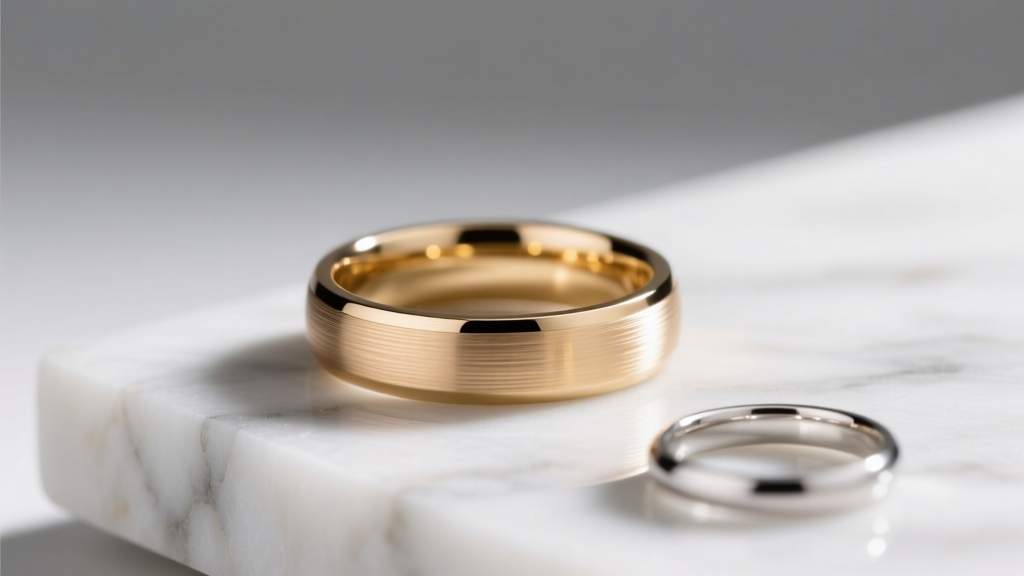
A brushed-finish wedding band has a quiet confidence that many couples fall in love with the moment they try one on. Instead of a mirror-like shine, the surface has a soft, textured sheen—more modern than traditional high polish, but still timeless enough to wear every day for decades. It’s a favorite for couples who want their wedding ring to feel refined, not flashy, and who appreciate craftsmanship you can see up close.
That said, “brushed” isn’t one single look. The direction of the grain, how coarse or fine the texture is, and the metal you choose all change how the ring wears, how it ages, and how much maintenance it needs. If you’re shopping for wedding bands alongside an engagement ring (or designing a matching set), understanding brushed finishes will help you pick a band that stays beautiful and fits your lifestyle.
What Is a Brushed Finish (and Why Couples Love It)?
A brushed finish is created by lightly abrading the surface of a metal ring—usually with a fine wheel, belt, or pad—to produce tiny, consistent lines. The result is a satin-like glow that diffuses reflections. Many jewelers also use the term “satin finish” when the brushing is very fine and uniform.
Brushed vs. Matte vs. Polished
- Brushed: Visible directional grain (often lengthwise around the band). Looks modern and hides many small scuffs.
- Matte: More diffuse and less directional than brushed; can look “chalkier” depending on the technique.
- High polish: Mirror-like shine that shows scratches more quickly but is easy to re-polish.
Brushed wedding bands are popular right now in mixed-finish designs (brushed center with polished edges), minimalist profiles, and gender-neutral matching sets. They also remain a classic choice for couples who want an understated wedding ring that pairs well with anything.
Choosing the Right Metal for a Brushed Wedding Band
The metal matters more with brushed finishes than many shoppers expect. Different alloys take the texture differently, scratch differently, and require different maintenance.
Platinum: Naturally White, Luxury, and Great for Texture
Platinum (often 950 platinum) is dense and naturally white, making it a premium choice for a brushed wedding band. It develops a soft patina over time, which blends beautifully with a brushed surface. Platinum tends to “move” metal when scratched rather than lose it, so it can be re-finished well.
- Best for: Daily wear, longevity, sensitive skin, couples who like a lived-in look.
- Watch for: Higher cost; can feel heavier on the finger.
White Gold: Bright Look with Rhodium Plating
14K or 18K white gold can look crisp and bright, especially when rhodium plated. A brushed finish on white gold looks clean and contemporary, but keep in mind: the rhodium plating wears over time, and the underlying white gold may show a warmer tint depending on alloy.
- Best for: Matching a white gold engagement ring, classic look at a lower price than platinum.
- Watch for: Periodic re-plating; brushing may need touch-ups between plating services.
Yellow Gold: Warm, Timeless, and On-Trend Again
Yellow gold brushed bands are having a major moment—especially with vintage-inspired engagement rings, bezel settings, and chunky “bold minimalism” trends. A satin-brushed yellow gold band looks rich and understated.
- Best for: Warm-toned jewelry lovers, timeless style, pairing with yellow gold solitaires or halos.
- Watch for: Softer than some alternatives; may show deeper dings depending on your lifestyle.
Rose Gold: Romantic and Modern
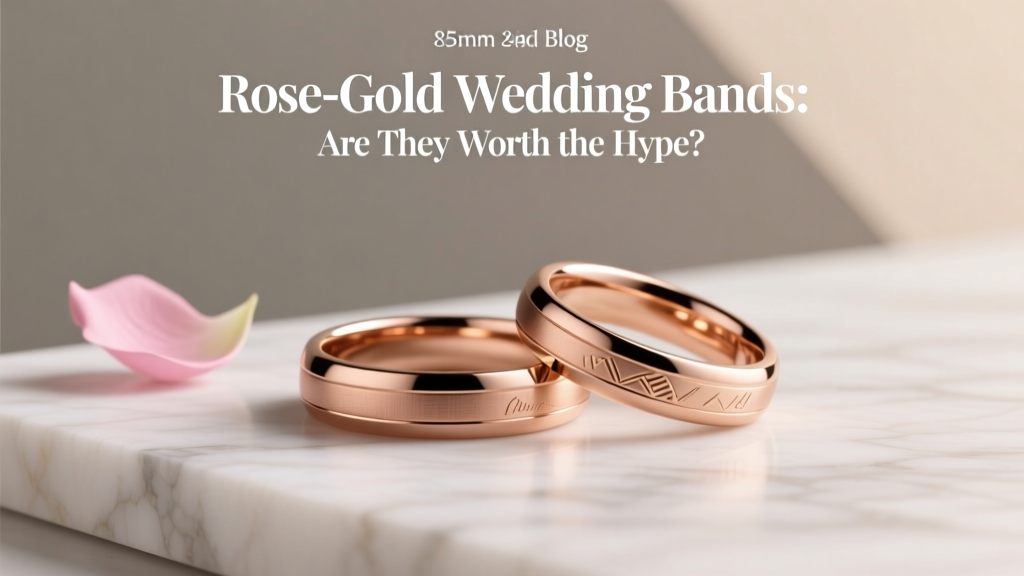
Rose gold (often 14K for durability) pairs beautifully with brushed textures because the warmth reads sophisticated rather than shiny. It’s a popular choice for couples who want something a little different while staying classic.
- Best for: Trend-forward yet wearable sets, mixed-metal stacks.
- Watch for: Copper content may not suit very sensitive skin; color varies by alloy.
Titanium & Tungsten: Durable Options with a Specific Feel
Titanium is lightweight and corrosion-resistant; tungsten carbide is very hard and scratch-resistant. Both can be made with brushed finishes, but they behave differently than precious metals.
- Titanium: Comfortable and modern; can be difficult to resize.
- Tungsten: Resists scratching but can chip if hit sharply; generally not resizable.
Brushed Finish Styles and Design Details That Change the Look
Once you choose a metal, the design details determine whether your brushed wedding band looks sleek, rugged, vintage-inspired, or ultra-modern.
Grain Direction: Straight, Circular, or Cross-Hatched
- Lengthwise/linear brushing: Clean, contemporary, and visually slimming.
- Circular brushing: Follows the ring around; classic “workshop” look.
- Cross-hatch: More textured and industrial; hides wear well but can look busier.
Mixed Finishes: Brushed Center with Polished Edges
This is one of the most requested wedding band styles because it frames the brushed section and adds contrast. Polished chamfered edges also feel smoother against neighboring fingers, which some people find more comfortable.
Band Profile: Comfort Fit vs. Standard Fit
Comfort-fit bands have a slightly rounded interior, making them easier to slide over the knuckle and more comfortable for daily wear. This is especially worth considering if you choose a wider band (6mm–8mm) or a heavier metal like platinum.
Width and Thickness: Balancing Proportion and Practicality
- 3mm–4mm: Subtle, stackable, popular for pairing with engagement rings.
- 5mm–6mm: Balanced, classic unisex range.
- 7mm–8mm+: Bold statement; brushing helps keep a wide band from feeling too shiny.
Gemstones and Settings: Can a Brushed Band Have Diamonds?
Absolutely. Brushed metal looks striking with diamonds because the soft texture makes the sparkle stand out more.
Popular Stone Choices and Cuts
- Round brilliant diamonds: Maximum sparkle; timeless for channel and pavé.
- Princess-cut diamonds: Clean geometry; great in channel settings for a modern look.
- Baguette diamonds: Sleek, minimalist, and very on-trend in mixed metal sets.
- Black diamonds: Modern contrast against brushed white metals; moody and stylish.
- Sapphires: Especially navy/blue for a classic “something blue” detail; also available in white, pink, and green tones.
Best Settings for Brushed Wedding Bands
- Channel setting: Stones sit protected between metal walls—excellent for active lifestyles.
- Bezel set accents: Secure and sleek; pairs beautifully with brushed textures.
- Pavé: High sparkle; requires more upkeep and careful wear to protect small stones.
If you’re pairing with an engagement ring, consider how the wedding band will sit: a straight brushed band may not sit flush against a low-set solitaire or a large halo without a small gap. A contoured or notched brushed wedding band can solve that while keeping the finish consistent.
Quality Factors: What to Check Before You Buy
Consistency of the Brushing
Look for even grain, no patchy areas, and clean transitions at the edges. In mixed-finish rings, the boundary between brushed and polished sections should be crisp, not wavy.
Edge Work and Comfort
Well-made brushed bands have smooth edges and a comfortable interior. Sharp edges can feel fine in the showcase but become irritating during everyday wear.
Metal Purity and Hallmarks
Check for stamps like 14K, 18K, PLAT or 950. For tungsten and titanium, verify the material grade and the seller’s warranty and sizing policies.
Stone Setting Security (If Applicable)
For diamond or gemstone bands, inspect that stones sit level, prongs (if any) are uniform, and there are no snag points. Ask whether stones are natural diamonds or lab-grown diamonds, and request details like total carat weight and clarity range.
Practical Buying Tips for Couples
- Try it next to the engagement ring: Brushed finishes can make the center stone appear even brighter, but you want to confirm the metals match (or intentionally contrast) the way you expect.
- Think about your day-to-day: If you work with your hands, a channel-set diamond band or a plain brushed band will typically hold up better than delicate pavé.
- Pick a finish you’ll maintain: Brushed bands may need occasional re-brushing to keep the texture crisp, especially if you prefer a very fine satin look.
- Confirm resize options: Gold and platinum are usually resizable within reason. Titanium and tungsten often are not—choose sizing carefully.
- Consider a matching set, not identical rings: Many couples choose coordinated brushed bands (same metal/finish) in different widths for comfort and proportion.
Care and Maintenance: Keeping a Brushed Wedding Band Looking Its Best
Everyday Cleaning
Use warm water, mild dish soap, and a soft toothbrush. Rinse well and dry with a lint-free cloth. Avoid harsh abrasives—especially on fine satin finishes—because they can create uneven shiny patches.
Refinishing: What to Expect
Brushed finishes can be refreshed by a jeweler, often quickly. Some couples schedule a professional re-brush once or twice a year, or whenever the ring starts looking more polished than intended.
When to Remove Your Ring
- Weightlifting, heavy yardwork, or working with tools (to prevent deep dents and misshaping).
- Swimming in chlorinated pools (especially for gold alloys).
- Using harsh household chemicals.
Price Range Considerations and Value Tips
Pricing depends on metal, width/thickness, brand, and whether diamonds or gemstones are included. As a general guide:
- 14K gold brushed bands: Often a strong value, with a wide range based on width and weight.
- 18K gold brushed bands: Higher cost for richer color and higher gold content; slightly softer for daily wear.
- Platinum brushed bands: Typically the priciest due to metal cost and weight, but excellent long-term wear and refinishing potential.
- Titanium/tungsten brushed bands: Usually more budget-friendly; great for durability, but limited resizing and repair options.
- Diamond/gemstone accents: Price increases with total carat weight, setting style (pavé vs channel), and diamond type (natural vs lab-grown).
Value tip: If you want sparkle without a big jump in price, consider lab-grown diamonds in a channel setting. For maximum longevity and easy maintenance, choose a slightly wider band in 14K gold or platinum with a comfort-fit interior.
Common Mistakes to Avoid When Shopping for a Brushed Wedding Band
- Assuming all brushed finishes look the same: Satin, coarse brush, and cross-hatch are very different in person—ask to see samples.
- Ignoring how it pairs with the engagement ring: A brushed band can visually “quiet” a very detailed engagement ring, which may be perfect—or not your goal.
- Choosing tungsten without understanding limitations: Scratch resistance is great, but resizing and some repairs are not practical.
- Overpaying for a super-thin band: Very thin rings may wear faster and deform more easily. Prioritize a balanced thickness for daily wear.
- Not planning for maintenance: If you love a crisp satin finish, expect occasional refinishing to keep it looking intentional.
FAQ: Brushed Finish Wedding Bands
Do brushed wedding bands scratch easily?
All metals scratch with wear, but brushed finishes tend to camouflage fine scratches better than high-polish rings. Deep dents can still happen, especially in softer gold alloys, but a jeweler can usually re-brush the surface to restore the look.
Can a brushed wedding band be resized?
Gold and platinum brushed bands are commonly resizable within limits, then re-finished to match. Titanium and tungsten bands are often not resizable, so you’ll want to confirm sizing policies before you buy.
Will a brushed finish wear off and turn shiny?
Over time, high-contact areas can become smoother and look more polished. That’s normal. A quick professional refinishing brings back the brushed texture, and some couples enjoy the gradual “broken-in” look.
Is brushed metal better for active lifestyles?
It can be. The texture hides minor wear and feels less “precious” day-to-day. If you want diamonds, a channel setting or bezel accents are usually the most practical for active hands.
Do brushed bands work with vintage or classic engagement rings?
Yes. Brushed yellow or rose gold looks beautiful with vintage-inspired details (milgrain, filigree, antique-style settings). For timeless classics like a round solitaire, a brushed platinum or white gold band creates a clean, modern balance.
Next Steps: Choosing the Brushed Band You’ll Love for Life
Start with the metal that fits your lifestyle and matches your engagement ring—platinum for long-term durability and a naturally white look, 14K/18K gold for classic warmth and variety. Then focus on the details that make brushed bands special: the grain direction, edge finish, comfort-fit profile, and any diamond or gemstone accents. When the brushing is consistent and the craftsmanship is clean, a brushed wedding band looks intentional from day one and ages gracefully with you.
If you’re comparing finishes, metals, and matching sets, explore more expert wedding ring and jewelry guides on weddingsift.com to help you choose with confidence.
More Articles
 Rose Gold Wedding Bands Are They Worth the Hype
 Wedding Ring vs Engagement Ring: Key Differences
 How to Wear Wedding Ring Set: A Definitive Guide
 How to Choose Wedding Rings for Men
 The 4Cs of Diamonds: Simple Buying Guide
 Lab-Grown vs Natural Diamonds (2026)
 Men's Black Wedding Bands: Materials Explained
 Wedding Band Resizing: Safe, Trusted & Cost Breakdown (2026)
 Custom Jewelry Planning: A Metalsmith's Roadmap
 Amethyst Engagement Rings February Birthstone Beauty